

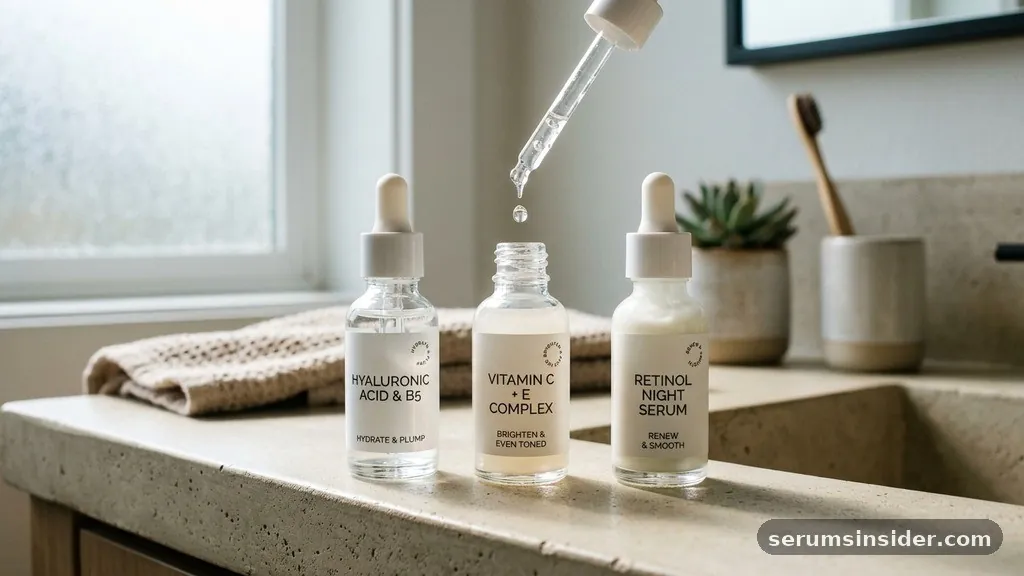
A face serum is a highly concentrated skincare treatment designed to deliver potent active ingredients directly into the deeper layers of the epidermis. Unlike a standard moisturizer, which primarily functions as a barrier to lock in hydration, a serum features a much smaller molecular structure.
This design allows it to penetrate the skin surface effectively, making it an essential tool for those looking to address specific skin concerns with precision. By incorporating a high concentration of active compounds, these formulas work to improve skin health at a cellular level, providing visible results that general lotions often cannot achieve on their own.
The Core Composition of Modern Facial Serums
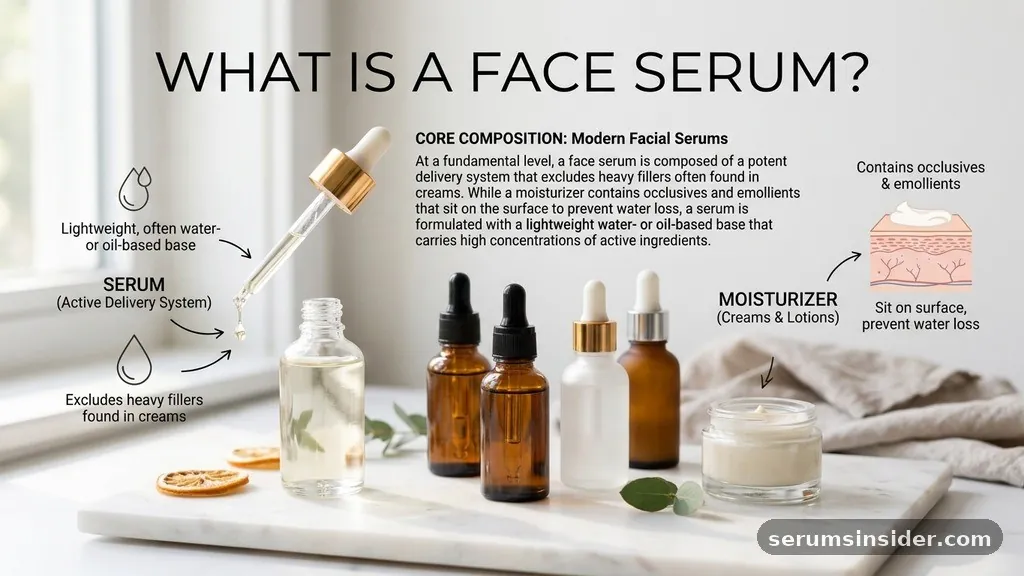
At the fundamental level, a face serum is composed of a potent delivery system that excludes the heavy fillers often found in creams. While a moisturizer contains occlusives and emollients that sit on the surface to prevent water loss, a serum is formulated with a lightweight, water- or oil-based base that carries high percentages of active agents. These agents are what define the product‘s efficacy.
Common ingredients include antioxidants, peptides, and various acids that target everything from dullness to fine lines. Because the formula is devoid of the thicker binders used in heavy creams, the skin can absorb the active ingredients almost instantly.
The science behind this absorption is rooted in molecular weight. By keeping the formula thin and non-comedogenic, manufacturers ensure that the serum does not clog pores but instead acts as a vehicle for nutrients.
Whether you are seeking a vitamin C boost for brightness or a niacinamide treatment for inflammation, the concentration of these substances is significantly higher in a serum than in any other step of your daily routine. This makes the serum the “workhorse” of your regimen, providing the heavy lifting needed to shift stubborn skin conditions over time.
Distinguishing Serums from Moisturizers
Many individuals confuse the role of a serum with that of a moisturizer, leading to improper application and suboptimal results. To understand what is a face serum in the context of a complete routine, you must view it as a targeted treatment rather than a blanket protector. A moisturizer is designed to seal the skin, creating an environment where the skin stays hydrated and protected from environmental stressors.
In contrast, a serum is the corrective component. If your skin were a house, the serum would be the specialized repair kit for the foundation, while the moisturizer is the protective paint on the exterior walls.
Using a serum alone is rarely enough for most skin types, as it lacks the occlusive properties required to prevent transepidermal water loss. Conversely, using only a moisturizer might keep the surface soft, but it will fail to address deeper issues like hyperpigmentation or loss of elasticity.
Integrating both into your daily regimen is the key to achieving professional-grade results. You apply the thinner, more potent serum first, allowing it to sink in completely, and then follow it up with your moisturizer to “lock” those active ingredients into the skin.
| Feature | Face Serum | Moisturizer |
|---|---|---|
| Primary Function | Targeting specific concerns | Hydration and protection |
| Molecular Size | Small (Deep penetration) | Large (Surface barrier) |
| Texture | Lightweight, liquid, gel | Creamy, thick, emollient |
| Application Order | First (after cleansing) | Second (to seal) |
Targeting Specific Skin Concerns
The beauty of facial serums lies in their versatility. Because they are highly concentrated, manufacturers can formulate them to solve very specific issues. If you struggle with uneven skin tone, a serum containing vitamin C or kojic acid can help fade dark spots over time.
For those battling the signs of aging, products featuring retinol or growth factors are highly effective at stimulating collagen production. Even for those with oily or acne-prone skin, there are lightweight serums that utilize salicylic acid or tea tree oil to clarify pores without adding extra grease to the complexion.
When selecting a product, it is vital to identify your primary goal. You should not attempt to use five different serums at once, as this can overwhelm your skin barrier and lead to irritation. Instead, focus on one or two concerns at a time.
For instance, if you are worried about dehydration, look for a product containing hyaluronic acid, which can hold up to 1,000 times its weight in water. By focusing on a specific goal, you can curate a routine that is both efficient and highly effective, ensuring that your skin receives exactly what it needs to thrive without unnecessary additives.
The Importance of Correct Application
Understanding the “how” is just as important as knowing what a face serum is. The efficacy of your products depends heavily on the order and method of application. You should always start with a clean face.
Cleansing removes the layer of oil, dirt, and pollution that could act as a physical barrier to the serum’s absorption. Once your skin is clean and slightly damp—damp skin is actually more permeable than bone-dry skin—you can apply a small amount of serum. A few drops are usually sufficient for the entire face and neck, as the concentration is so high that more is not necessarily better.
Wait about sixty seconds before moving on to your next step. This brief pause allows the serum to fully penetrate the epidermis. If you apply your moisturizer immediately, you might accidentally dilute the serum or drag the product across your face before it has had a chance to work.
For those interested in the scientific nuances of dermal absorption, the American Academy of Dermatology provides excellent foundational advice on how to structure a routine for maximum impact. Consistent use, particularly at night when the skin undergoes its natural repair process, will yield the best long-term results.
Common Ingredients and Their Functions
A face serum is only as good as the ingredients inside it. Understanding the chemical profile of your chosen product helps you predict how it will interact with your unique physiology. Some of the most popular and clinically backed ingredients include:
- Hyaluronic Acid: A humectant that draws moisture into the skin, providing a plump and hydrated appearance.
- Retinol: A derivative of Vitamin A that accelerates cell turnover, making it a gold standard for addressing fine lines and texture.
- Vitamin C: A potent antioxidant that neutralizes free radicals and brightens the complexion by inhibiting melanin production.
- Niacinamide: A form of Vitamin B3 that helps soothe redness, minimize the appearance of pores, and regulate oil production.
- Peptides: Chains of amino acids that serve as the building blocks of protein, essential for maintaining skin firmness and structure.
Because these ingredients are so powerful, it is common to experience a period of adjustment when introducing a new serum to your routine. This is especially true with active compounds like retinol, which can cause mild flaking or redness in the first few weeks of use. This reaction is often not an allergy but a sign that the product is actively working to accelerate the skin’s natural shedding process.
Addressing Topical Gaps: Why Some People See No Results
Many users ask, “If serums are so potent, why don’t I see a change in my skin?” This is a common topical gap in skincare education. The most frequent reason for failure is inconsistency.
Unlike a makeup product that changes your appearance instantly, a serum works on a biological level. It takes time for cells to regenerate, for collagen to synthesize, and for pigmentation to break down.
Most dermatologists suggest that you need to use a specific serum for at least six to eight weeks before you can accurately judge its effectiveness. If you switch products every two weeks, you are never giving your skin the time it needs to adapt and respond to the active ingredients.
Another reason for dissatisfaction is incorrect layering. If you apply a heavy, oil-based serum before a water-based one, the water-based product will not be able to penetrate the oil layer, rendering it useless. Generally, you should apply products from thinnest to thickest consistency.
Furthermore, storage plays a role; many active ingredients, particularly vitamin C, are photosensitive and unstable. If you keep your bottle in a sunny bathroom, the light and heat may degrade the potency of the serum before you even have a chance to apply it. Keeping your products in a cool, dark place is a simple but overlooked step to ensure you are getting the full benefit of the formula.
Frequently Asked Questions
Should I use face serum every day?
Yes, for most individuals, using a serum daily is the best way to see consistent improvements. However, if you are using strong actives like retinol or exfoliating acids, you may want to start by using them only a few nights a week to avoid skin irritation.
Is a serum better than a moisturizer?
They are not comparable because they serve different purposes. A serum provides concentrated treatment for specific concerns, while a moisturizer provides hydration and a protective seal. You should view them as complementary steps in a routine rather than choosing one over the other for a healthy complexion.
What are the disadvantages of face serum?
The main disadvantages are the cost, as high-quality serums are often expensive, and the potential for irritation. Because they are highly concentrated, they can cause reactions in sensitive skin if the wrong ingredients are used or if they are applied too frequently without proper skin barrier support.
What does serum do to the face?
A face serum delivers concentrated active ingredients like antioxidants, peptides, or acids directly into the skin. It works to target specific issues such as dullness, fine lines, or acne by accelerating cellular turnover, boosting hydration, or neutralizing environmental damage, leading to improved overall skin health and appearance.
In summary, a face serum is an indispensable element of a modern skincare routine. By acting as a targeted delivery system for powerful active ingredients, these products bridge the gap between simple hygiene and advanced skin health.
While they require a commitment to consistency and an understanding of how to layer them correctly, the rewards—ranging from improved texture to a brighter, more youthful glow—are well worth the effort. By choosing the right ingredients for your unique skin concerns and following a structured application process, you can maximize the benefits of these potent formulas and maintain healthy, resilient skin for years to come.


