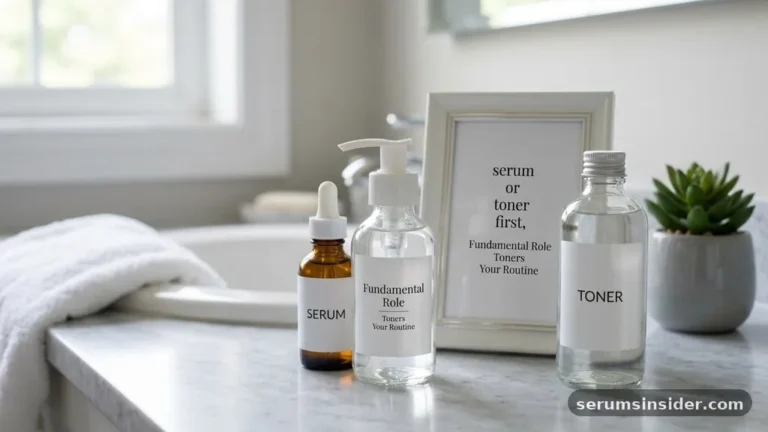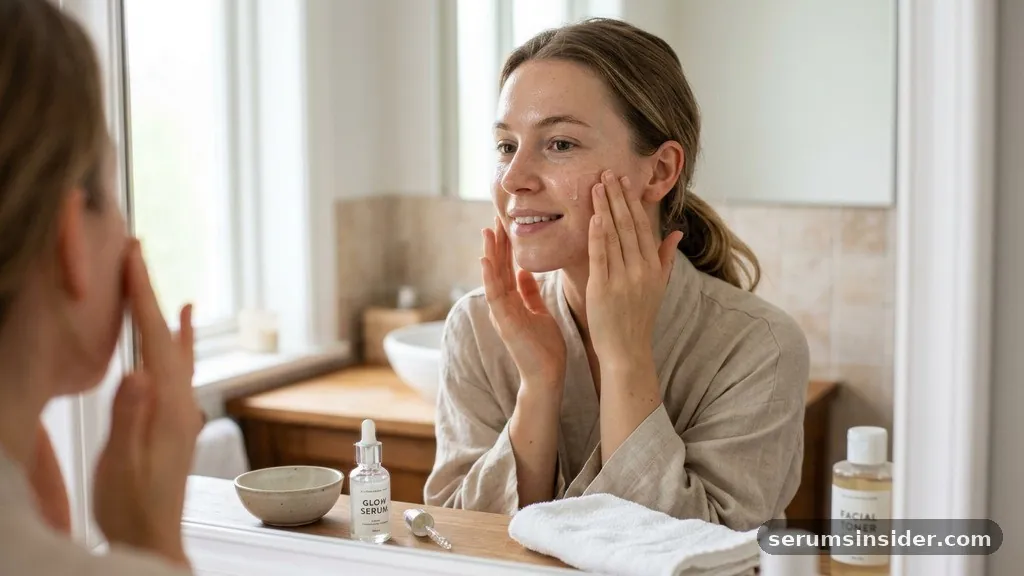
Achieving a healthy, glowing complexion often comes down to the order of operations in your daily beauty regimen. Learning how to apply serum on face correctly is one of the most transformative skills you can develop for your skin. Because serums are highly concentrated formulations, they contain potent active ingredients designed to penetrate the surface rather than sitting on top of it.
If you apply them in the wrong sequence or use poor technique, you risk wasting expensive products and failing to see the results you desire. This guide breaks down the science and the physical practice of application to ensure your skincare efforts yield maximum radiance.
The Importance of Proper Skin Preparation
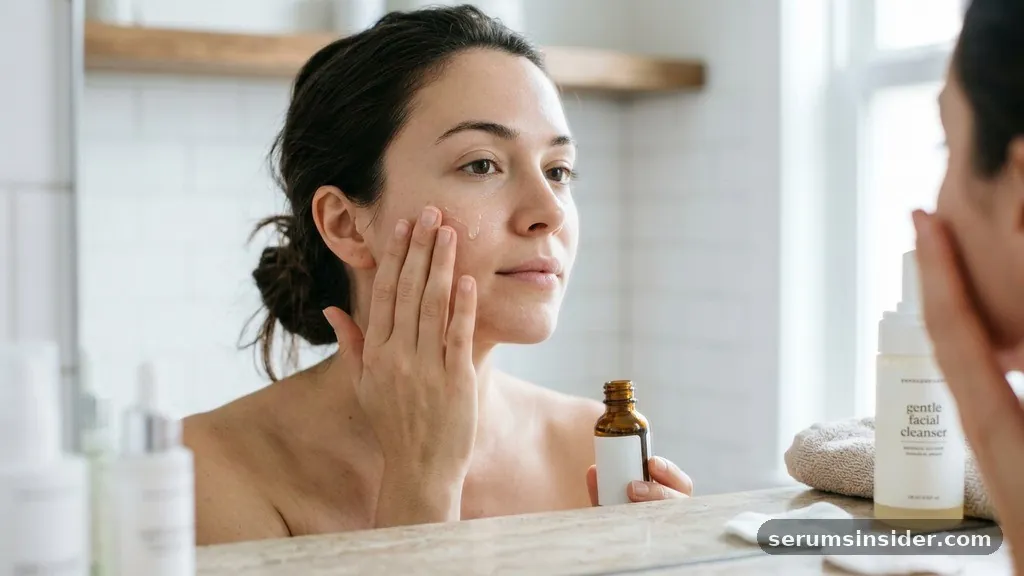
Before you even touch your bottle of facial serum, you must ensure your canvas is ready. The primary purpose of cleansing is to remove environmental pollutants, excess oil, and makeup that would otherwise act as a physical barrier.
If you skip this first step, the molecules in your serum—which are smaller and more refined than those in a heavy cream—will struggle to bypass the layer of grime on your epidermis. Think of your skin like a sponge; it absorbs moisture and nutrients far more effectively when it is clean and slightly damp.
Many people make the mistake of drying their face completely with a rough towel before applying their products. However, applying a serum to slightly moist skin can actually enhance absorption. When the skin is hydrated, the barrier is more permeable, allowing the active ingredients like hyaluronic acid or vitamin derivatives to travel deeper into the dermis.
Always use a gentle, pH-balanced cleanser that does not strip your natural oils. Once you rinse, pat your skin lightly—do not rub—leaving it just a touch tacky. This small adjustment in your routine can significantly improve the efficacy of your products.
Determining the Correct Order of Application
The golden rule of skincare is to apply products from the thinnest consistency to the thickest. This is why serums are almost always used after cleansing and toning, but before your moisturizer.
The logic is simple: a heavy cream creates an occlusive layer that locks hydration in, but it also prevents anything applied afterward from penetrating. If you were to apply a serum on top of a thick, oily cream, the serum would simply sit on the surface, unable to provide the targeted benefits it promises.
To help you visualize how to layer your collection, consider the following hierarchy of application:
| Order | Product Category | Primary Function |
|---|---|---|
| 1 | Cleanser | Removes debris and prepares the surface |
| 2 | Toner/Essence | Balances pH and adds initial hydration |
| 3 | Serum | Delivers high-potency actives to the skin |
| 4 | Moisturizer/Cream | Seals in moisture and protects the barrier |
| 5 | SPF (Morning) | Protects against UV radiation damage |
Techniques for Effective Serum Application
When you finally reach the step of applying the serum, the physical method matters just as much as the product itself. You do not need to rub the product vigorously into your skin. In fact, aggressive rubbing can cause unnecessary friction and irritation, especially for those with sensitive skin.
Instead, dispense three to four drops of the face serum into the palms of your hands. Rub your hands together lightly to warm the product, which helps to activate the ingredients and makes the formula easier to spread evenly across the face.
Gently press your palms against your cheeks, forehead, and chin. Using a pressing motion—often called the “patting” method—encourages the formula to sink into the pores rather than dragging it across the skin. This technique is particularly beneficial for delicate areas like the under-eye or the neck.
If you have any leftover product on your fingers, lightly tap it around the orbital bone, ensuring you avoid getting the liquid directly into your eyes. By taking the time to press the product in, you are ensuring that every part of your face receives the same concentration of nutrients, leading to a more consistent appearance over time.
Morning vs. Evening: Optimizing Your Routine
One of the most common questions is whether you should use these products in the morning or at night. The answer depends entirely on the type of serum you are using.
Generally, you should aim to use antioxidant-rich serums during the day to help defend your skin against environmental stressors like pollution and blue light. For instance, a vitamin C serum is a classic choice for morning application because it brightens the skin and works in tandem with your sunscreen to prevent free radical damage.
Conversely, the evening is the best time to focus on repair and renewal. This is when you should reach for serums containing retinol, exfoliating acids, or heavy-duty peptides. Because these ingredients can sometimes increase sensitivity to sunlight, they are safer to use when you are not exposing your face to UV rays.
Furthermore, your skin undergoes a natural recovery process while you sleep. By applying a restorative treatment at night, you are providing your cells with the building blocks they need to repair themselves efficiently. Consistency is the key to success; whether you choose morning or night, the best results come from sticking to a regimen rather than using products sporadically.
Topical Gaps and Common Pitfalls to Avoid
Even with the best intentions, many people fall into traps that hinder their progress. One significant topical gap is the failure to wait between layers. If you apply your moisturizer immediately after your serum, you might dilute the serum or cause “pilling,” where the products ball up and roll off the skin.
You should wait approximately 60 seconds after applying your serum to allow it to fully absorb. This allows the water-based components to evaporate or penetrate, leaving the active ingredients behind.
Another common mistake is applying too much product. Because serums are highly concentrated, a little goes a long way. Using a full dropper or pumping the product five or six times is unnecessary and can lead to a sticky residue or clogged pores.
Stick to the recommended amount, usually a pea-sized drop or a few measured drops from a pipette. Additionally, check the ingredient list to ensure your products are compatible.
For example, some clinical studies suggest that layering certain strong acids with retinol can cause irritation. To learn more about how specific ingredients interact, you can consult resources like the American Academy of Dermatology for evidence-based skincare advice.
Achieving Long-Term Skin Health
Ultimately, the goal of using a serum is to support the long-term health and structural integrity of your skin. It is important to remember that skin improvement is a marathon, not a sprint.
While some serums might provide an immediate plumping effect—especially those containing hyaluronic acid—others, like those targeting hyperpigmentation or fine lines, require weeks or even months of consistent use to show visible changes. Patience is a virtue in the world of beauty; do not get discouraged if you do not see a “miracle” overnight.
To maintain a healthy balance, you should also pay attention to how your skin reacts to new products. If you experience redness, burning, or breakouts, you may be using a formula that is too strong for your skin type or using it too frequently. In these cases, it is wise to scale back your application to every other day until your skin builds tolerance.
By listening to your skin and adjusting your approach, you can create a customized routine that works for your specific needs. Here are a few final tips for a successful experience:
- Always check the expiration date on your bottles; degraded active ingredients lose their potency.
- Store your serums in a cool, dark place to prevent oxidation, especially for vitamin-based formulas.
- Don’t forget your neck and décolletage—these areas show signs of aging just as quickly as your face.
- If you are layering multiple serums, always apply the thinnest, most watery one first.
Frequently Asked Questions
Can I use more than one serum at the same time?
Yes, you can layer multiple serums, but you should limit it to two or three at most. Always apply them from the thinnest to the thickest consistency. Wait for each layer to dry completely before applying the next to ensure optimal absorption and avoid product pilling.
Should I apply serum to damp or dry skin?
Applying serum to slightly damp skin is generally better for hydration. Damp skin is more permeable, which allows the product to absorb more effectively. However, if you are using a potent retinoid or exfoliating acid, it is usually safer to apply those on dry skin to prevent irritation.
How long should I wait after applying serum before using moisturizer?
You should wait about 60 seconds after applying your serum before moving on to your moisturizer. This short window allows the serum to sink into the skin, ensuring that it isn’t wiped away or diluted by the heavier, occlusive ingredients found in your moisturizing cream or lotion.
Is it necessary to use a serum every single day?
While many people use serums daily, it depends on the ingredients. Gentle, hydrating serums can be used twice a day. However, highly active treatments like retinol or chemical exfoliants may cause irritation if used daily, so they are often better suited for every other day or nightly rotation.
In conclusion, mastering the art of applying a face serum is about understanding the synergy between your products and your skin’s unique needs. By following the correct order of application—cleansing, treating, and sealing—you ensure that every drop of your serum works to its full potential.
Remember that consistency, patience, and a mindful approach to your skin’s reactions will always yield the best results. Whether you are aiming for increased hydration, brightness, or anti-aging benefits, your dedication to a proper routine will pay off in a healthier, more radiant complexion over time.