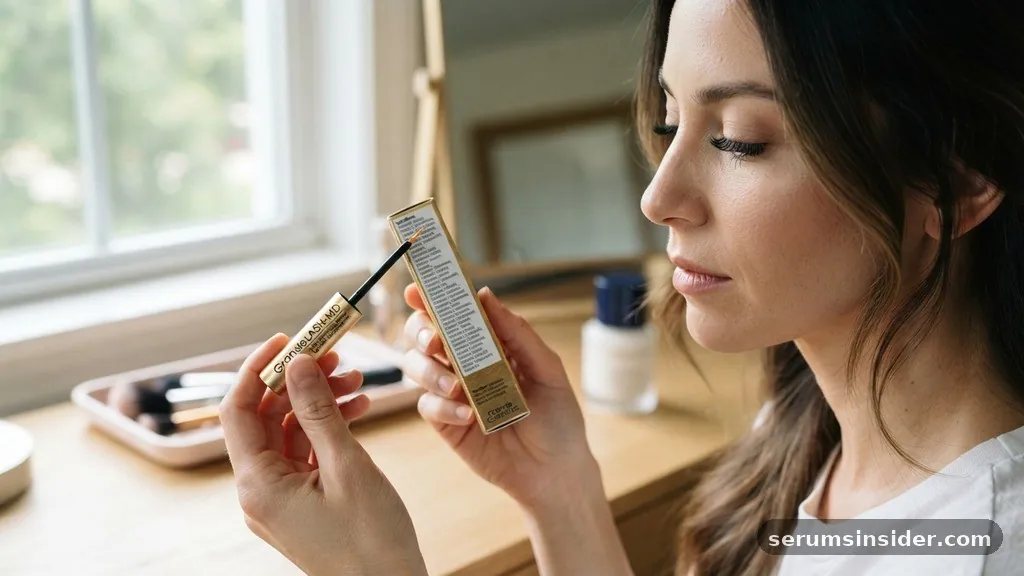
Achieving long, voluminous lashes is a common beauty goal, and products like GrandeLASH-MD have surged in popularity for their ability to deliver noticeable results. However, as these lash serums become a staple in many vanity kits, questions regarding their chemical composition and potential side effects have intensified.
Determining whether is Grande Lash serum safe requires a careful look at the formula, the specific ingredients involved, and how the body typically reacts to topical ocular applications. While many users achieve their desired aesthetic, understanding the science behind the enhancement is essential for long-term eye health.
Understanding the Role of Isopropyl Cloprostenate

The primary point of contention regarding the safety profile of this product centers on its inclusion of isopropyl cloprostenate. This compound is a prostaglandin analogue, a class of molecules originally developed to treat glaucoma.
In the context of lash enhancing, these analogues function by extending the growth phase of the hair follicle, resulting in longer and thicker lashes over several weeks of consistent use. Because it is a synthetic derivative, its interaction with the delicate skin and tissues surrounding the eyes is a subject of significant scrutiny in the cosmetic industry.
When you apply this serum to the lash line, the active agent works at the cellular level. While the concentration in cosmetic products is significantly lower than in medical-grade ophthalmic drops, the mechanism remains similar. Users must recognize that they are introducing a biologically active substance to a highly sensitive area.
The safety profile of prostaglandin analogues is well-documented in medical literature, but individual reactions can vary wildly. For those with pre-existing ocular conditions, such as dry eye syndrome or chronic inflammation, the use of such potent compounds warrants a consultation with a healthcare professional to ensure the product is suitable for their specific needs.
Potential Side Effects and Ocular Sensitivity
For many consumers, the most pressing concern is whether the formula will cause irritation or long-term changes. Reports of side effects often include redness, itching, or a sensation of dryness along the lash line.
In some instances, users have reported more concerning, albeit rarer, reactions like darkening of the eyelid skin or even changes in iris color. While these occurrences are not universal, they are documented risks associated with the class of ingredients found in many lash serums.
It is important to differentiate between typical irritation and more systemic concerns. Mild redness is often a sign of initial adjustment, but persistent discomfort suggests that the product may not be compatible with an individual’s biology. Furthermore, there is ongoing discussion about the potential for fat loss in the periorbital area—the fatty tissue surrounding the eye—when using prostaglandin analogues over an extended period.
While clinical trials for cosmetic products differ from those for pharmaceuticals, the biological potential for these changes remains a focal point for researchers and dermatologists alike. If you notice persistent swelling or changes in your vision, it is imperative to discontinue use immediately.
Comparing Lash Enhancement Ingredients
To make an informed decision, it is helpful to understand how GrandeLASH compares to other market alternatives. Not all lash serums are formulated with the same active ingredients.
Some rely on peptides and vitamins to condition the hair, while others, like the one in question, utilize a prostaglandin analogue for more aggressive growth results. The table below outlines the general categories of ingredients often found in these products and their primary functions.
| Ingredient Category | Primary Function | Safety Considerations |
|---|---|---|
| Prostaglandin Analogues | Stimulates hair follicle growth phase | Potential for irritation, iris darkening |
| Peptides | Strengthens and conditions existing hair | Generally low risk of irritation |
| Natural Oils/Extracts | Moisturizes and prevents breakage | Low risk; potential for allergic reaction |
| Vitamins (e.g., Biotin) | Supports overall hair health | Very low risk; safe for most users |
Best Practices for Application and Safety
If you decide that the benefits of the serum outweigh the potential risks, strict adherence to application guidelines is the best way to maintain safety. Most users tend to over-apply, thinking that more product equals faster results.
In reality, a single swipe along the upper lash line is sufficient. Because the formula is designed to absorb into the follicles, applying it to the lower lashes is generally discouraged, as it increases the risk of the liquid migrating into the eye.
Consistency is key, but moderation is equally important. Using the product once per day, preferably at night, allows the ingredients to penetrate without interfering with your daily makeup routine. Additionally, maintaining proper hygiene of the applicator is vital.
If the brush tip becomes contaminated with bacteria or makeup residue, it can lead to infections. Always ensure your eyes are clean and free of makeup before application.
For a deeper dive into the importance of ocular hygiene, you can review the guidance provided by the American Academy of Ophthalmology regarding general eye safety. By following these steps, you minimize the chance of adverse reactions while maximizing the aesthetic impact of your lash care routine.
Addressing the Topical Gaps and Common Concerns
A frequent point of confusion for consumers is whether the product is safe for specific life stages, such as pregnancy. Generally, medical professionals advise against the use of prostaglandin analogues during pregnancy or breastfeeding due to a lack of data regarding systemic absorption and fetal development.
This is a crucial area where many users feel “in the dark.” Always prioritize the advice of your OB-GYN over marketing claims when it comes to elective cosmetic treatments during this period.
Another common question involves the long-term impact on the iris. While significant color change in the iris is a known side effect of medicated eye drops used for glaucoma, it is theoretically possible, though less common, with topical cosmetic applications. Users with light-colored eyes should be particularly cautious and aware of this possibility.
Additionally, the concern regarding fat loss around the eye area is a valid consideration for those who already have deep-set eyes or are concerned about signs of aging. Because these products can affect the periorbital tissue, it is helpful to monitor your appearance closely during the first few weeks of treatment. If you notice any changes in the structural appearance of your eyelids, consult a professional to determine if the serum is the cause.
Summary of Usage and Risk Management
Ultimately, determining is Grande Lash serum safe is a personal decision that requires balancing your aesthetic goals with your individual health profile. The product is effective for many, but it is not a “one-size-fits-all” solution. By being aware of the chemical nature of isopropyl cloprostenate, monitoring for signs of sensitive reactions, and following strict application protocols, you can manage the risks effectively.
Here is a quick checklist for those considering or currently using the serum:
- Perform a patch test on your inner forearm before applying to the delicate eyelid area.
- Discontinue use immediately if you experience chronic redness, burning, or vision changes.
- Avoid using the serum if you have a history of ocular conditions like uveitis or glaucoma.
- Ensure you are only applying a thin line to the upper lashes to prevent migration.
- Take breaks from the product periodically to allow your skin and follicles to rest.
By maintaining an informed and cautious approach, you can navigate the world of lash enhancing products with greater confidence. Remember that your long-term eye health is far more valuable than the length of your lashes. If you ever feel uncertain, the safest course of action is always to stop use and consult with your dermatologist or ophthalmologist.
Frequently Asked Questions
Does GrandeLASH contain prostaglandins?
Yes, the formula contains isopropyl cloprostenate, which is a prostaglandin analogue. This ingredient is responsible for the lash-lengthening effects but is also the component most commonly associated with potential side effects such as eye irritation or skin sensitivity.
What are the most common side effects of using lash serums?
The most frequently reported side effects include redness of the lash line, itching, dryness, and mild irritation. In rare cases, some users may experience darkening of the eyelid skin or, less commonly, changes in iris color, particularly in those with lighter eyes.
Is it safe to use lash serum while pregnant?
Most medical professionals advise against using lash serums containing prostaglandin analogues during pregnancy and breastfeeding. Because there is limited data on how these ingredients affect fetal development, it is best to avoid them until you have consulted with your healthcare provider.
How long does it take to see results?
Most users begin to notice a difference in the length and thickness of their lashes within 4 to 6 weeks of daily use. To maintain the results, continued application is typically required, as lashes will eventually return to their natural growth cycle once the product is discontinued.