
That first warm sting after applying a face serum can turn a promising routine into a careful game of wait and see. Sensitive skin may flush, feel tight, or develop dry patches just as fine lines and uneven texture become more noticeable.
The best retinol serums for sensitive skin balance visible skin renewal with a calmer daily experience. The comparison ahead sorts through different strengths, formulas, and retinol alternatives, so keep reading for a clearer starting point.
Key Takeaways
- Choose a lower retinol strength if your skin is new to vitamin A or reacts easily.
- Check for soothing ingredients such as niacinamide, hyaluronic acid, squalane, or peptides alongside the active.
- Prefer fragrance-free formulas when sensitivity, redness, or a weakened skin barrier is a concern.
- Consider bakuchiol or retinol-free alternatives if traditional retinoids consistently cause discomfort.
- Use opaque, well-sealed packaging and apply broad-spectrum sunscreen daily, since retinoids can increase sun sensitivity.
| High-Strength Squalane |  |
The Ordinary Retinol 1% Serum | High retinol strength | Squalane-based formula | Smoothing focus | View on Amazon | Read Review |
| Barrier Support Blend | 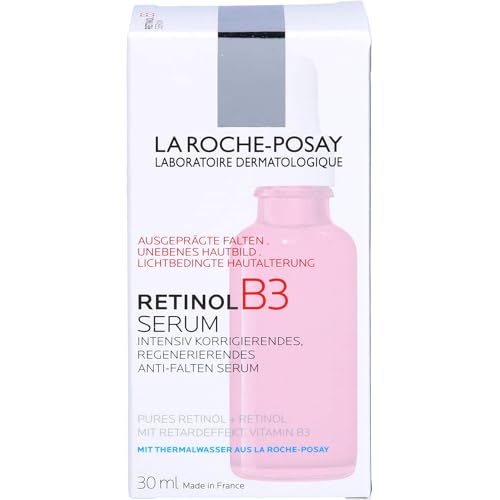 |
La Roche-Posay Retinol Niacinamide Serum | Includes niacinamide | Adds hyaluronic acid | Retinol-based treatment | View on Amazon | Read Review |
| Balanced Daily Option |  |
CeraVe Retinol Niacinamide Serum | Includes niacinamide | Includes hyaluronic acid | Smoothing treatment | View on Amazon | Read Review |
| Resurfacing Pore Focus |  |
CeraVe Resurfacing Retinol Serum | Pore-focused positioning | Includes niacinamide | Resurfacing retinol formula | View on Amazon | Read Review |
| Gentle Starter Strength |  |
The Ordinary Retinol 0.2% Serum | Low retinol strength | Squalane-based formula | Beginner-friendly positioning | View on Amazon | Read Review |
| Low-Strength Retinoid Pair |  |
PURITO Retinol Retinal Serum | Includes retinol | Includes retinal | Sensitive-skin positioning | View on Amazon | Read Review |
| Retinol-Free Renewal |  |
Cetaphil Healthy Renew Serum | Retinol-free formula | Includes peptides | Sensitive-skin alternative | View on Amazon | Read Review |
| Post-Acne Alternative |  |
Cetaphil Post-Acne Bakuchiol Serum | Bakuchiol alternative | Post-acne focus | Retinol-free approach | View on Amazon | Read Review |
| Firming Boost Focus | 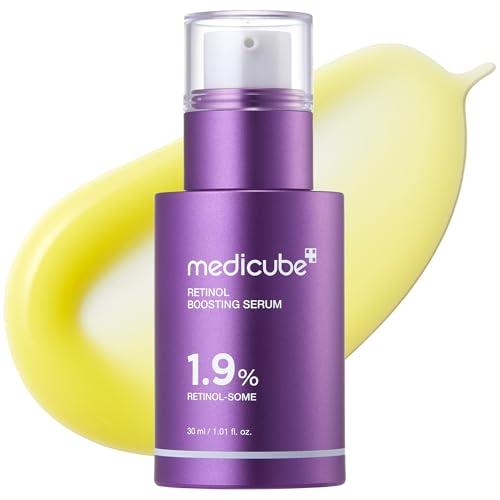 |
medicube Retinol Boosting Serum | Firming-care positioning | Retinol-centered formula | Anti-aging focus | View on Amazon | Read Review |
| Intermediate Squalane Step |  |
The Ordinary Retinol 0.5% Serum | Intermediate retinol strength | Squalane-based formula | Smoothing focus | View on Amazon | Read Review |
More Details on Our Top Picks
-
The Ordinary Retinol 1% Serum
For experienced retinol users with sensitive skin, this serum offers a high 1% retinol strength in a squalane-based formula. Retinol supports smoother-looking skin, while squalane adds lightweight emollience that can help offset some dryness.
The main limitation is potency. A 1% formula may be too intense for retinol beginners or easily irritated skin, so start with a small amount once or twice weekly and use moisturizer and sunscreen consistently.
- Brand:The Ordinary
- Product Type:Retinol serum
- Retinoid:Retinol
- Strength:1%
- Size:1 fl oz
- Skin Focus:Anti-aging, smoothing
- Additional Feature:High-strength retinol
- Additional Feature:Squalane base
- Additional Feature:Face-focused formula
-
La Roche-Posay Retinol Niacinamide Serum
This option suits sensitive skin that needs retinol plus hydration support rather than a stripped-down treatment. Niacinamide and hyaluronic acid give the formula a more comfort-focused profile, while retinol targets the look of fine lines and uneven texture.
La Roche-Posay does not identify the retinol percentage in the supplied product information, which makes potency harder to judge. That uncertainty is the tradeoff, especially if you are choosing a retinol based on a carefully measured strength.
- Brand:La Roche-Posay
- Product Type:Retinol serum
- Retinoid:Retinol
- Size:1 oz
- Skin Focus:Sensitive skin support
- Additional Feature:Niacinamide included
- Additional Feature:Hyaluronic acid included
- Additional Feature:Facial serum format
-
CeraVe Retinol Niacinamide Serum
Choose this CeraVe serum if you want retinol with familiar hydrating ingredients. Niacinamide and hyaluronic acid help round out the formula, making it a sensible choice for skin that dislikes overly bare, highly active treatments.
The retinol strength is not provided in the supplied listing, so you cannot easily compare its intensity with The Ordinary options. As with any retinol serum, irritation and dryness remain possible during the adjustment period.
- Brand:CeraVe
- Product Type:Retinol serum
- Retinoid:Retinol
- Size:1 oz
- Skin Focus:Hydration, smoothing
- Additional Feature:Niacinamide included
- Additional Feature:Hyaluronic acid included
- Additional Feature:Facial formula
-
CeraVe Resurfacing Retinol Serum
This pick is aimed at uneven texture and visible pores, rather than broad anti-aging alone. Its retinol and niacinamide combination may appeal to sensitive skin that also wants a more refined-looking surface.
CeraVe does not list the retinol percentage in the supplied information, so the treatment strength is not fully transparent. Resurfacing products can also feel drying if layered with exfoliating acids or used too often.
- Brand:CeraVe
- Product Type:Resurfacing serum
- Retinoid:Retinol
- Size:1 oz
- Skin Focus:Pores, texture
- Additional Feature:Niacinamide included
- Additional Feature:Pore-minimizing focus
- Additional Feature:Facial serum format
-
The Ordinary Retinol 0.2% Serum
At 0.2% retinol, this is the most approachable The Ordinary option for newcomers who want a measured introduction to retinoids. The squalane base adds a soft, conditioning feel, while the formula focuses on smoother-looking skin.
Even a lower-strength retinol can cause flaking or sensitivity, particularly around the nose and mouth. Its gentler positioning also means visible changes may require more patience than a stronger formula.
- Brand:The Ordinary
- Product Type:Retinol serum
- Retinoid:Retinol
- Strength:0.2%
- Size:1 fl oz
- Skin Focus:Anti-aging, smoothing
- Additional Feature:Gentle retinol strength
- Additional Feature:Squalane base
- Additional Feature:Face-focused formula
-
PURITO Retinol Retinal Serum
PURITO combines 0.1% retinol and 0.1% retinal, giving sensitive-skin shoppers two vitamin A ingredients in one formula. The low listed percentages may appeal if you want a retinoid product that feels less aggressive on paper.
The combination also makes the formula harder to compare with single-retinoid serums. Sensitive skin should still begin gradually, since retinal and retinol can both contribute to dryness or irritation.
- Brand:PURITO
- Product Type:Retinoid serum
- Retinoid:Retinol, retinal
- Strength:0.1% each
- Size:1.01 fl oz
- Skin Focus:Sensitive skin
- Additional Feature:Dual retinoid formula
- Additional Feature:Low listed strengths
- Additional Feature:Sensitive-skin focus
-
Cetaphil Healthy Renew Serum
This is the best fit for sensitive skin that wants renewal-focused care without retinol. Peptides provide the formula’s featured anti-aging ingredient category, making it a gentler alternative for people who cannot tolerate traditional retinoids.
The limitation is straightforward: it is not a retinol serum, so it does not provide a direct retinol treatment. Choose it for a retinol-free routine, not as a like-for-like substitute in terms of retinoid strength.
- Brand:Cetaphil
- Product Type:Anti-aging serum
- Retinoid:None
- Size:1 oz
- Skin Focus:Anti-aging
- Additional Feature:Peptide formula
- Additional Feature:Retinol-free positioning
- Additional Feature:Facial serum format
-
Cetaphil Post-Acne Bakuchiol Serum
For sensitive skin dealing with post-acne concerns, this serum offers bakuchiol instead of retinol. Bakuchiol is commonly used as a retinol alternative, while the product’s post-acne positioning makes it more targeted than a general-purpose anti-aging serum.
Bakuchiol is not retinol, so results and tolerability may differ from a true retinoid product. If your priority is maximum retinoid activity, this formula will not match the direct vitamin A options in the roundup.
- Brand:Cetaphil
- Product Type:Post-acne serum
- Retinoid:Bakuchiol alternative
- Size:1 oz
- Skin Focus:Post-acne skin
- Additional Feature:Bakuchiol included
- Additional Feature:Retinol alternative
- Additional Feature:Post-acne positioning
-
medicube Retinol Boosting Serum
This medicube serum is positioned for intensive firming care, making it a natural match for shoppers focused on elasticity and visible signs of aging. Its retinol-centered format keeps the product aligned with the main goal of this roundup.
The supplied listing does not identify the retinol percentage, supporting ingredients, or bottle size. That missing information makes it difficult to judge suitability for highly reactive skin or compare its strength with the other serums here.
- Brand:medicube
- Product Type:Retinol serum
- Retinoid:Retinol
- Skin Focus:Firming, anti-aging
- Additional Feature:Intensive firming focus
- Additional Feature:Retinol boosting format
- Additional Feature:Facial serum positioning
-
The Ordinary Retinol 0.5% Serum
The 0.5% retinol strength places this serum between The Ordinary’s 0.2% and 1% formulas. It suits users who have some retinol familiarity and want more intensity, while the squalane base helps give the formula a conditioning feel.
This is not the gentlest starting point for highly sensitive skin, and irritation remains the main drawback. Increase use slowly, avoid applying it alongside several strong actives, and keep daytime sunscreen firmly in the routine.
- Brand:The Ordinary
- Product Type:Retinol serum
- Retinoid:Retinol
- Strength:0.5%
- Size:1 fl oz
- Skin Focus:Anti-aging, smoothing
- Additional Feature:Intermediate retinol strength
- Additional Feature:Squalane base
- Additional Feature:Face-focused formula
Frequently Asked Questions
How often should you use retinol if you have sensitive skin?
Start with one or two evenings per week, using a pea-sized amount for the entire face. Keep the rest of the routine simple, then increase frequency slowly after several weeks without ongoing redness, stinging, or peeling. If irritation appears, pause until your skin feels comfortable again and focus on gentle cleansing and moisturizer. Reducing frequency is usually more useful than applying extra product, since retinol does not work faster simply because more is used.
Should you apply retinol before or after moisturizer?
Apply retinol before moisturizer if your skin tolerates it well and you want the most direct contact. For sensitive skin, apply moisturizer first or use the sandwich method to create a buffer and reduce irritation. Use a small pea-sized amount for the whole face, avoid the corners of the nose and mouth, and keep the product away from eyelids unless the label specifically says it is suitable for that area.
Can you use retinol with vitamin C or exfoliating acids?
You can often use vitamin C in the morning and retinol at night, provided your skin tolerates both. Introduce only one active at a time, because layering several new ingredients makes irritation harder to identify. Avoid combining retinol with glycolic acid, lactic acid, salicylic acid, or benzoyl peroxide during the same routine when you are starting out. Once your skin is stable, a dermatologist can help determine which combinations make sense for your concerns.
Is retinol safe during pregnancy or breastfeeding?
Avoid topical retinoids during pregnancy, and ask your healthcare professional about use while breastfeeding. Recommendations can vary based on the specific ingredient, product placement, and personal health history. Pause retinol if you are pregnant or planning pregnancy, and choose a simpler routine with moisturizer and sunscreen unless your medical provider recommends another option.
What should you do if retinol causes peeling or burning?
Stop retinol temporarily and use a gentle cleanser, fragrance-free moisturizer, and sunscreen while your skin recovers. Do not scrub away flakes or add exfoliating acids, since that can prolong barrier damage. Restart at a lower frequency only after the burning and marked redness have settled. If swelling, blistering, severe pain, or persistent irritation occurs, seek advice from a qualified dermatologist.