
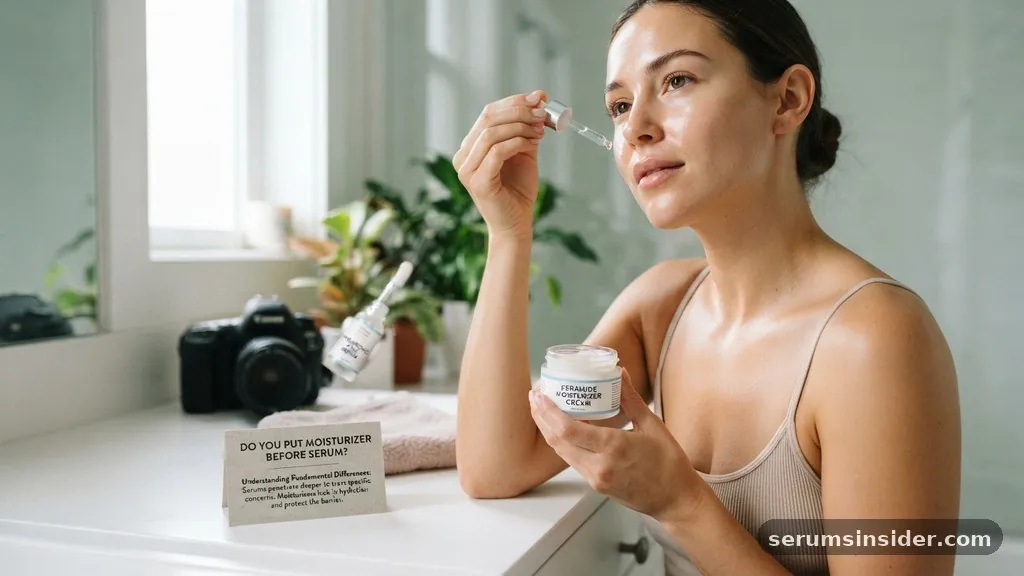
Navigating the complexities of a modern skincare routine can often feel like solving a chemistry puzzle. Among the most frequent points of confusion for enthusiasts and beginners alike is the question of whether you put moisturizer on before serum. The short answer, which serves as a golden rule in dermatology, is that you should almost always apply your serum first.
Serums are designed as lightweight, high-potency delivery systems for active ingredients, while moisturizers function as occlusive barriers that seal everything in. Reversing this order often prevents the skin from absorbing the concentrated benefits of your treatment products, rendering expensive investments less effective.
Understanding the Fundamental Difference Between Serums and Moisturizers
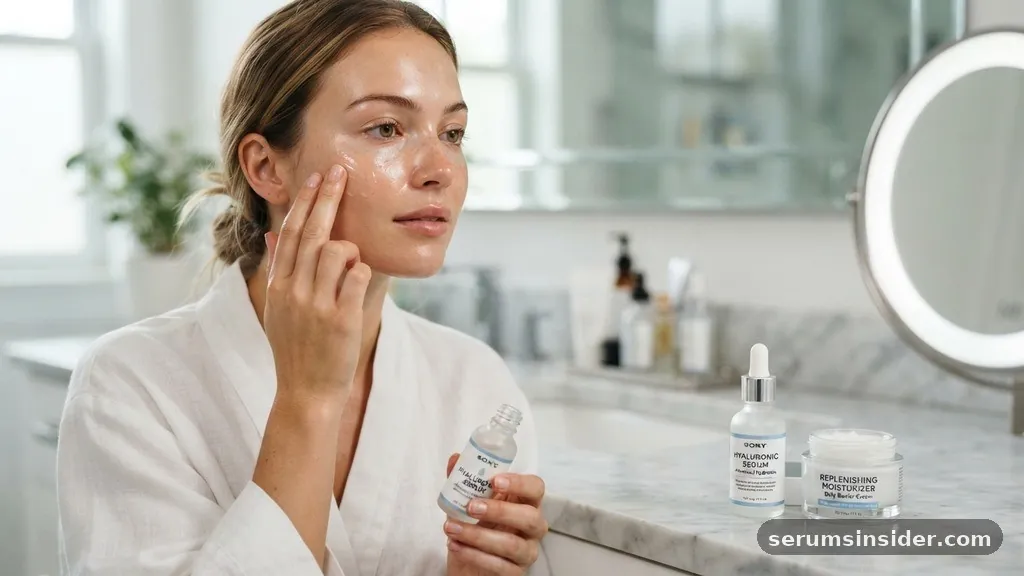
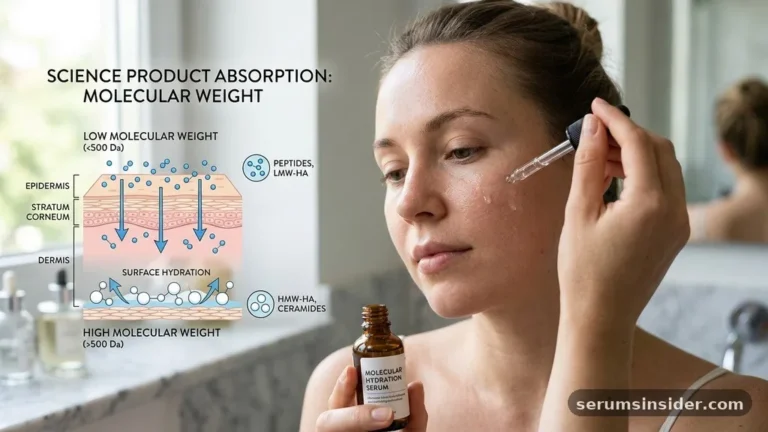
To grasp why the sequence of application matters, one must first understand the molecular structure of these two distinct skincare products. A face serum is formulated with a smaller molecular weight, allowing it to penetrate deeper into the epidermis.
These products are essentially concentrated elixirs intended to address specific concerns, such as hyperpigmentation, fine lines, or dehydration. Because they contain a higher concentration of active ingredients like vitamin C, retinol, or hyaluronic acid, they need direct contact with clean skin to function optimally.
In contrast, a moisturizer—whether it is a lotion, gel, or heavy cream—is designed with larger molecules. Its primary purpose is to hydrate the skin’s surface and create a protective layer that prevents transepidermal water loss. If you were to apply a thick cream before a serum, the cream would effectively act as a physical shield, blocking the serum from reaching the deeper layers of the skin.
Think of your skin like a sponge: if you coat the sponge in a thick layer of wax (the moisturizer), it will struggle to absorb the water or nutrient-rich liquid (the serum) you apply afterward. By applying the serum first, you ensure that the potent actives are absorbed quickly, while the moisturizer follows to lock in those benefits and provide necessary surface-level hydration.
The Science of Product Layering: Why Order Matters
The scientific principle behind the correct order of application is often referred to as “thinnest to thickest.” This rule of thumb helps maintain the integrity of your skincare regimen.
When you look at the viscosity of your products, you will notice that serums are typically water-based or lightweight gels, whereas creams contain emollients, waxes, and thicker oils. Following the thinnest-to-thickest rule ensures that each product can perform its specific function without interference from the others.
When you apply serum on freshly cleansed skin, you are creating a foundation of concentrated nutrients. If you attempt to use a serum before other products, you allow the skin to drink up the actives immediately. If you were to wait, or if you applied a heavy product first, the skin’s absorption rate would be significantly hampered.
Furthermore, many modern serums contain humectants, which draw moisture from the environment into the skin. If you seal those humectants with a moisturizer immediately after, you create an environment where the skin stays hydrated for much longer throughout the day. This layered approach is the bedrock of an effective skincare routine, ensuring that you get the maximum value out of every bottle in your cabinet.
Common Mistakes When Layering Skincare Products
Many people inadvertently sabotage their results by applying products in the wrong sequence or by not allowing enough time for absorption. One common error is the failure to wait between steps.
While you do not need to wait ten minutes between applications, giving your serum about 60 seconds to “set” or sink into the skin is a best practice. This brief pause prevents the products from pilling or balling up on the skin’s surface, a frequent complaint when users layer multiple skincare products too quickly.
Another mistake is assuming that all serums are the same. For instance, a vitamin serum might have a different pH level than a hydrating hyaluronic acid serum. If you are using multiple serums, the rule remains the same: apply the most lightweight, water-based product first, and move toward the oil-based or thicker serums.
Applying an oil-based serum after a water-based one is generally fine, but applying an oil-based serum before a water-based one will almost certainly block the absorption of the latter. For more detailed information on how skin barrier health impacts product absorption, you can consult the American Academy of Dermatology for clinical guidelines on basic skin maintenance.
- Cleanse your face thoroughly to remove dirt and excess sebum.
- Apply your water-based serum while the skin is slightly damp to boost absorption.
- Wait approximately one minute for the serum to absorb into the dermal layers.
- Apply your moisturizer to seal in the active ingredients and provide a protective barrier.
- Always finish with SPF during the day to protect your skin from UV damage.
Adapting Your Routine for Morning and Evening
Your morning and day routine should focus on protection and prevention, while your evening routine is the perfect time for repair. Regardless of the time of day, the rule that you should apply your serum before your moisturizer remains consistent.
In the morning, you might reach for an antioxidant-rich serum, such as a vitamin C formula, to combat free radicals caused by pollution and sunlight. Following this with a lightweight moisturizer and sunscreen ensures that your skin remains protected against environmental stressors.
In the evening, your skin undergoes a natural recovery process. This is the best time to use more potent treatments like retinoids or exfoliating serums.
Because these products can be drying, following them with a thicker, more nourishing moisturizer is essential to maintain the skin’s moisture balance. By sticking to the serum-first rule, you ensure that these powerful ingredients can work their magic overnight without being diluted or blocked by a heavy night cream.
| Product Type | Typical Texture | Application Order |
|---|---|---|
| Cleanser | Liquid/Foam | 1st |
| Serum | Thin/Lightweight | 2nd |
| Moisturizer | Cream/Lotion | 3rd |
| SPF/Oil | Viscous/Barrier | 4th |
Addressing Topical Gaps: Can You Skip the Moisturizer?
A common question is whether you can skip the moisturizer if your serum feels hydrating enough. While some serums, particularly those formulated with hyaluronic acid or glycerin, provide excellent hydration, they lack the occlusive properties of a dedicated moisturizer. Without an occlusive layer (the moisturizer), the water-binding ingredients in your serum may actually pull moisture out of your skin in dry climates, leading to increased dehydration.
Using a moisturizer is not just about adding more water; it is about creating a “lid” on your skin. If you are using a potent face serum, you are essentially providing the skin with a high-performance treatment. The moisturizer acts as the finishing touch that ensures that treatment remains localized and effective.
Even for those with oily skin, choosing a lightweight, oil-free gel moisturizer is preferable to skipping the step entirely. The goal is to balance the skin’s natural oil production, and failing to moisturize can sometimes cause the skin to overcompensate by producing even more oil.
The Role of Active Ingredients and Skin Sensitivity
When you integrate active ingredients into your regimen, the order of application becomes even more critical due to potential irritation. Serums containing acids like glycolic, salicylic, or lactic acid are designed to penetrate deeply to exfoliate or treat specific concerns.
If you apply a thick moisturizer before these acids, you might inadvertently dampen their efficacy. Conversely, applying them directly to the skin maximizes their impact but also increases the risk of sensitivity.
If you have highly sensitive skin, you might be tempted to apply a moisturizer first to “buffer” the effect of a strong serum. While this is a known technique for introducing retinoids or strong acids, it should be done intentionally and under the guidance of a professional. For most users, however, the standard order—cleanser, serum, moisturizer—is the safest and most effective way to see results.
Remember that the power of your products lies in their delivery; when you respect the order of application, you allow the chemistry of the formulas to work as intended. By maintaining a regular and consistent approach, you build a healthy skin barrier that is more resilient to the stresses of daily life, ultimately leading to a clearer, more radiant complexion over time.
Frequently Asked Questions
Is it ever okay to apply moisturizer before serum?
Generally, no. Applying moisturizer first creates a barrier that prevents the active ingredients in your serum from penetrating the skin. The only exception is when a dermatologist specifically advises “buffering” a very strong active ingredient with a light layer of moisturizer to reduce potential irritation for sensitive skin.
What happens if I use a serum without a moisturizer?
If you skip the moisturizer, you lose the occlusive layer that seals in hydration. In dry or cold environments, humectants in your serum may draw moisture out of your skin rather than from the air, which can lead to increased dryness, tightness, and potentially a compromised skin barrier.
How long should I wait between applying serum and moisturizer?
You do not need to wait a long time. Allowing about 60 seconds is usually sufficient for the serum to sink into your skin. Waiting until the skin feels slightly tacky rather than wet ensures that your moisturizer will glide on smoothly without causing the products to pill.
Can I use multiple serums in one routine?
Yes, you can use multiple serums, but apply them from the thinnest consistency to the thickest. For example, apply a watery vitamin C serum first, wait for it to absorb, and then apply a thicker, gel-like hyaluronic acid serum before finishing with your moisturizer to lock everything in.
In summary, the question of whether you put moisturizer on before serum is settled by the science of skincare absorption. By prioritizing your products based on their viscosity and purpose—serums for treatment and moisturizers for protection—you create a highly effective routine. Consistency, patience, and following the correct order will allow your products to deliver the results you are looking for, ensuring your skin remains healthy, hydrated, and protected.