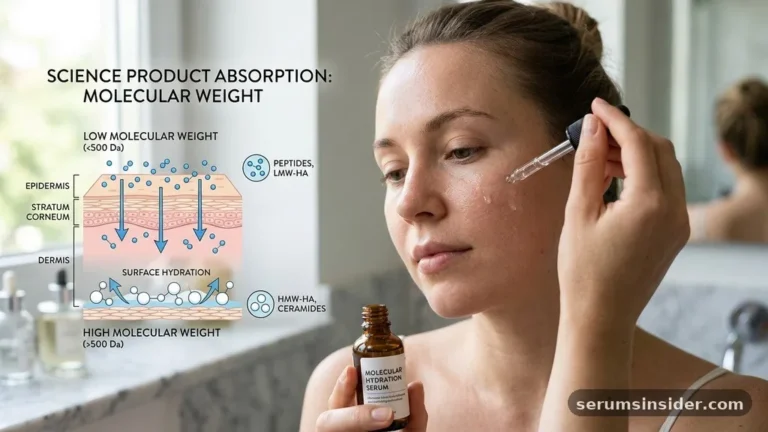


When you look at the modern vanity table, you will likely notice a small, elegant bottle tucked between the heavy creams and the lightweight cleansers. This product is a skin serum, a concentrated powerhouse designed to deliver potent doses of nutrients directly into your dermis. If you have ever wondered what is serum used for, the short answer is that it serves as a specialized treatment tool for targeted issues.
Unlike a moisturizer, which focuses primarily on hydration and barrier protection, a serum is engineered for efficiency, using a higher concentration of active ingredients to address specific skin goals. Because of their lightweight, often water-based or oil-based formulas, these products penetrate the skin more effectively than thicker creams, making them a staple in any effective daily routine.
The Core Function of Facial Serums
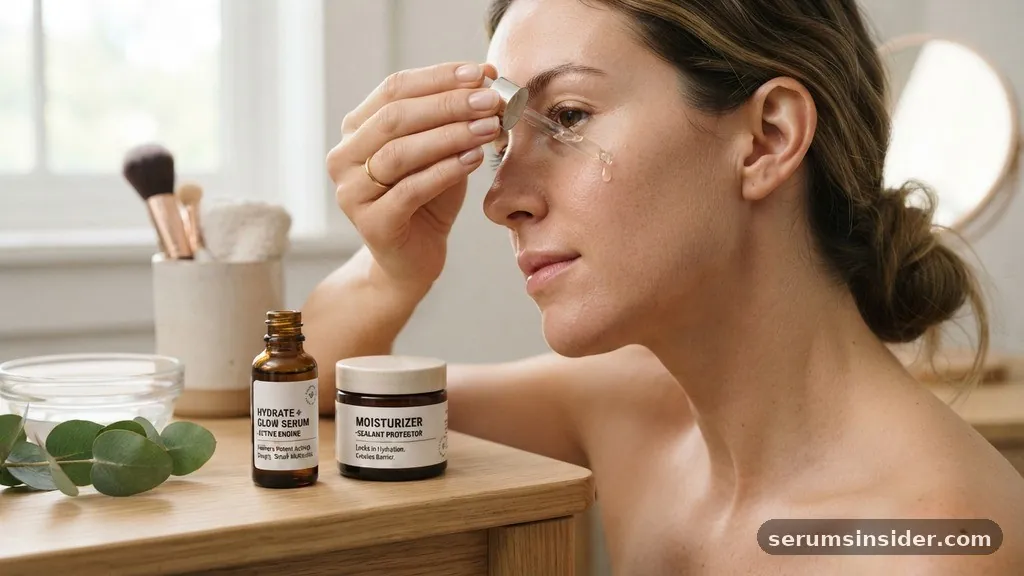
At its most fundamental level, a face serum is a delivery system. Think of your moisturizer as a heavy-duty sealant or a protective shell, while the serum acts as the active engine working underneath.
Because serums are formulated with smaller molecular structures, they can bypass the top layer of the epidermis more easily, allowing them to deposit their payload of vitamins, antioxidants, or acids precisely where they are needed most. This is why many dermatologists suggest that you apply your serum immediately after cleansing and toning, but before locking everything in with a moisturizer.
The versatility of these products is what makes them so popular in modern skincare. Whether you are dealing with persistent dryness, uneven texture, or the early signs aging presents, there is almost certainly a formulation tailored to your needs. For instance, those looking to brighten their complexion might reach for a serum packed with Vitamin C, while someone focused on hydration will prioritize hyaluronic acid.
By isolating specific molecules, brands provide a customizable approach to dermatological health. This precision allows users to address multiple concerns simultaneously, layering different products to create a bespoke regimen that evolves with the changing needs of their complexion throughout the year.
Common Ingredients and Their Targeted Benefits
To understand what is serum used for, one must look at the chemistry behind the bottle. The efficacy of a product is entirely dependent on its ingredient profile. Manufacturers often use a base of humectants to pull moisture into the skin, but the stars of the show are the actives.
Retinol, for example, is a gold-standard ingredient used to accelerate cell turnover, which helps reduce the visibility of fine lines and wrinkles. When you incorporate a retinol-based product into your evening ritual, you are essentially signaling your skin to speed up its natural repair processes.
Other common ingredients include niacinamide, which is excellent for calming redness and regulating oil production, and peptides, which are chains of amino acids that support the skin’s structural integrity. Because these ingredients are so potent, they are usually found in lower concentrations in standard lotions but are front-and-center in a serum. This is why a little goes a long way; you typically only need a few drops to cover the entire face and neck.
If you are experimenting with new products, especially those containing high-potency actives, it is always wise to perform a patch test, particularly if you have sensitive skin. Over-application of strong actives can lead to irritation, so finding the right balance is key to achieving a healthy, glowing complexion.
Integrating Serums into Your Daily Routine
Many people feel overwhelmed by the sheer volume of products available on the market today. However, incorporating a serum into your routine is actually quite simple once you understand the order of operations. The rule of thumb in dermatology is to apply products from the thinnest consistency to the thickest.
Since most serums are watery or gel-like, they almost always follow your toner or essence and precede your heavier creams or oils. This ensures that the active agents are absorbed before the skin’s surface is “sealed” by thicker occlusive ingredients like shea butter or mineral oil.
For those who are just beginning their journey, starting with a basic hyaluronic acid serum is a fantastic way to boost hydration without risking irritation. As you become more comfortable, you might introduce a Vitamin C serum in the morning to combat environmental stressors or a peptide serum at night to support collagen production. Remember that consistency is the most important factor in skincare.
Using a high-quality serum once every two weeks will provide negligible results compared to the cumulative benefits of daily, long-term use. If you want to dive deeper into the science of how these ingredients interact with your skin, you can read more at the American Academy of Dermatology, which provides expert guidance on maintaining skin health.
Comparing Serum Types and Their Primary Uses
Choosing the right serum can feel like a daunting task given the variety of options. Below is a guide to help you distinguish between the most common types of serums based on their primary function and the specific skin issues they are designed to treat.
| Serum Type | Primary Benefit | Best For |
|---|---|---|
| Hydrating | Deep moisture retention | Dehydrated or dull skin |
| Anti-Aging | Cell turnover & collagen support | Fine lines and loss of elasticity |
| Brightening | Pigmentation correction | Dark spots and uneven tone |
| Clarifying | Blemish control and exfoliation | Oily or acne-prone skin |
Each of these categories utilizes specific active molecules to change the behavior of the skin cells over time. For example, a clarifying serum often contains salicylic acid, which works to dissolve the glue-like substance holding dead skin cells together inside the pores, preventing breakouts before they form.
In contrast, a brightening serum might utilize licorice root or kojic acid to inhibit melanin production, which helps fade hyperpigmentation caused by sun damage or past acne scarring. Understanding the “why” behind your product choice is essential for long-term success.
Addressing Misconceptions and Safety Concerns
There is a common myth that serums are only for “mature” skin or that they are an unnecessary luxury. In reality, a good serum is a preventative tool. Even in your twenties, using a mild antioxidant serum can protect your skin from the premature aging caused by pollution and UV exposure.
Another misconception is that you cannot use serums if you have sensitive skin. While it is true that some high-strength acids can be harsh, many brands, such as cerave, have developed specialized formulations that prioritize barrier health and soothing ingredients like ceramides. These products prove that you can get the benefits of a potent formula without compromising the integrity of your moisture barrier.
Safety is paramount. If you are layering multiple products, be cautious about mixing incompatible actives. For instance, using a high-strength AHA/BHA exfoliant alongside a strong retinol can lead to compromised skin, redness, and peeling.
If you are unsure about a combination, it is best to alternate them—perhaps using your exfoliating serum on Monday and Wednesday, and your retinol on Tuesday and Thursday. Listen to your skin; if it feels tight, stinging, or overly dry, scale back your usage. You do not need to use every product every single day to see results; sometimes, a “less is more” approach is the most effective strategy.
Expanding the Definition: Beyond Face Care
While we often focus on the face, the concept of a serum extends to other areas of the body. You might find hair serums, which are designed to smooth the cuticle, add shine, and protect strands from heat damage. Unlike facial products, these often contain silicones or lightweight oils that sit on the surface of the hair shaft to provide a sleek, polished look.
Similarly, there are body serums designed to tackle issues like “strawberry legs” or dry, creeping skin on the arms and legs. These often contain higher concentrations of lactic acid or urea to provide gentle chemical exfoliation that a standard body lotion simply cannot match.
Even in other fields, the term “serum” is used to describe a concentrated substance. In biology, blood serum is the clear, yellowish fluid that remains after blood has clotted and the red and white blood cells have been removed; it is a vital component for medical diagnostic testing. In the world of music production, specifically within software like FL Studio, a “Serum” is a popular wavetable synthesizer.
While the context is wildly different, the underlying logic remains the same: a “serum” is a specialized, high-performance tool meant to provide specific, high-quality results that standard, general-purpose tools cannot achieve. Whether you are mixing a track or optimizing your complexion, the goal of a serum is to provide a concentrated, high-impact solution to a specific problem.
Frequently Asked Questions
Can I use a face serum every day?
Yes, most face serums are designed for daily use. However, if your serum contains strong active ingredients like retinol or exfoliating acids, you may want to start by applying it only a few times a week to ensure your skin tolerates it well before moving to daily application.
Do I still need a moisturizer if I use a serum?
Yes. While a serum provides concentrated actives, it is usually not enough to keep the skin hydrated and protected on its own. A moisturizer acts as an occlusive layer that locks in the serum’s benefits and prevents transepidermal water loss, keeping your skin barrier healthy throughout the day.
What is the difference between a serum and an essence?
An essence is typically thinner and more watery than a serum. While both contain active ingredients, essences are generally focused on hydration and prepping the skin for better absorption of subsequent products. Serums are more viscous and are usually formulated to target specific, deeper skin concerns.
Can I apply multiple serums at once?
Yes, you can “layer” serums, but be careful not to overload your skin. Stick to two or three at most. Always apply them in order of thinnest to thickest consistency. Ensure you are not mixing ingredients that may conflict, such as pairing strong acids with high-potency retinoids.
In conclusion, the question of what is serum used for is answered by the need for targeted, potent skincare. By incorporating these concentrated formulas into your routine, you can address everything from dehydration to the signs of aging with scientific precision.
Whether you are choosing a simple hydrating option or a complex treatment for specific skin concerns, remember that the best results come from choosing high-quality ingredients, maintaining consistency, and always listening to what your skin is telling you. With the right approach, a well-chosen serum becomes an indispensable part of your health and beauty arsenal.