
Achieving a plump, dewy complexion often hinges on the precise timing of your product application. If you have ever wondered when to apply hyaluronic acid serum to get the most out of your skincare routine, you are not alone. This humectant is a powerhouse ingredient, but its efficacy is entirely dependent on the environment in which it is placed.
Unlike heavy occlusives that sit on the skin, hyaluronic acid behaves like a sponge, pulling moisture from its surroundings to hydrate the deeper layers of your epidermis. By understanding the science behind how this molecule interacts with water, you can transform your daily ritual from a simple habit into a targeted treatment for long-lasting hydration.
The Science of Humectants and Skin Hydration
At its core, hyaluronic acid is a naturally occurring polysaccharide found in the connective tissues of the human body. It is renowned for its unique ability to hold up to 1,000 times its weight in water, making it the gold standard for maintaining skin elasticity and suppleness. When you apply a product containing this molecule, you are essentially providing your skin with a reservoir of moisture.
However, because it is a humectant, it does not just bring water to the skin; it actively seeks it out. If your environment is extremely dry, the molecule may pull moisture from the deeper layers of your skin rather than the atmosphere, which can ironically lead to a feeling of tightness or dehydration.
This is why the context of your application matters so much. When you use hyaluronic acid, you are leveraging its ability to bind water to the surface of your skin. The secret to success lies in ensuring that there is enough surface moisture available for the ingredient to capture.
By applying the serum while your skin is still slightly damp from cleansing, you provide the molecule with immediate access to water, which it then locks into your skin barrier. Experts at the American Academy of Dermatology emphasize that consistent hydration is the foundation of a healthy complexion, and incorporating this serum correctly is a simple way to boost those moisture levels throughout the day.
Why Damp Skin is the Key to Success
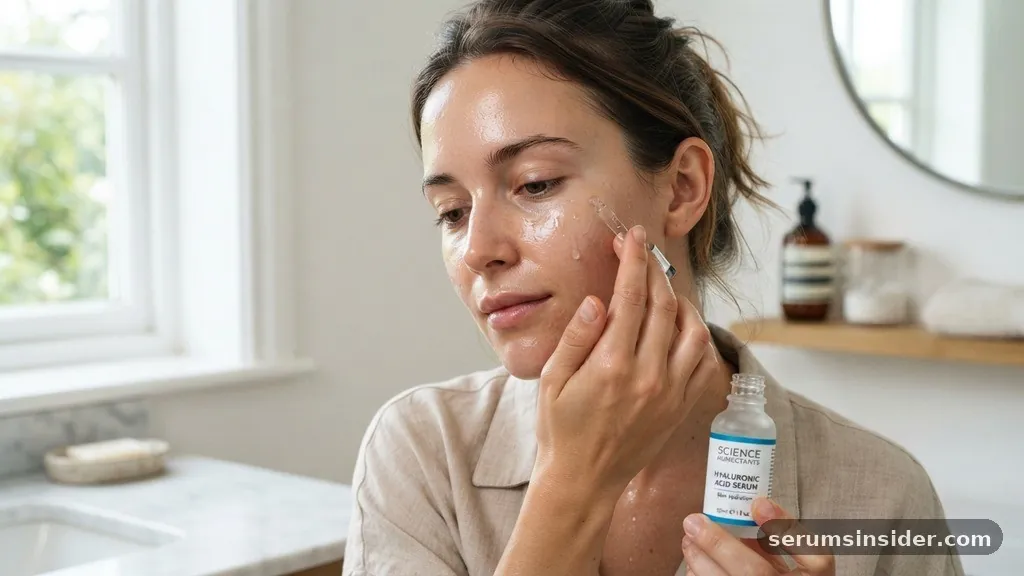
The most common mistake people make is applying their serum to completely dry skin. When you do this, the hyaluronic acid is forced to scavenge for water elsewhere. To truly optimize your skincare routine, you should treat the dampness of your face as an essential delivery vehicle.
After you wash your face, pat it gently with a towel until it is no longer dripping wet but still feels cool and hydrated to the touch. This is the perfect window to apply your serum.
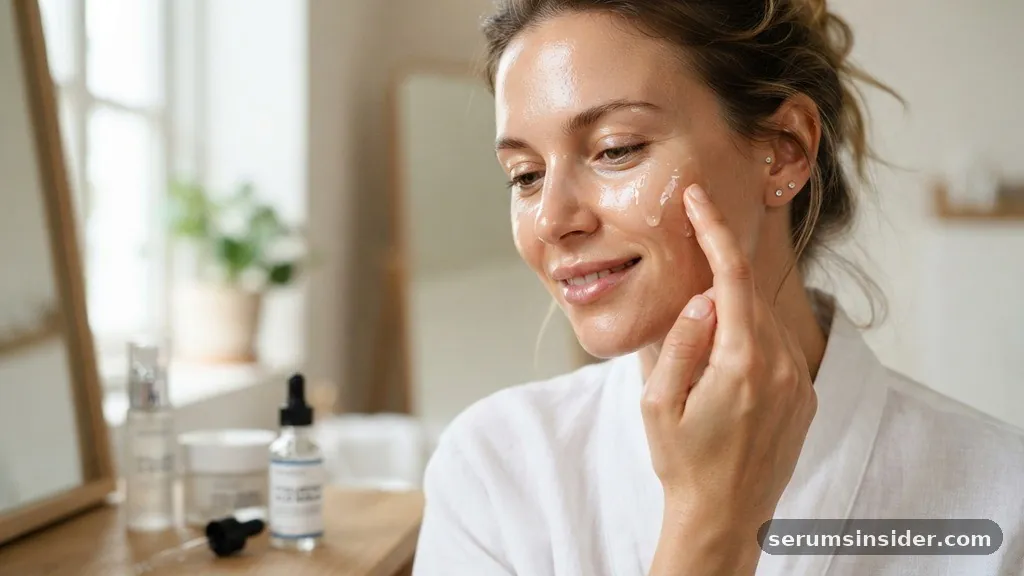
By trapping that residual water, you create a plump, hydrated environment that allows the active ingredients to penetrate more effectively. Once the serum is applied, you must follow up with a moisturizer or a facial oil. This final step is non-negotiable because it acts as an occlusive, sealing the moisture captured by the hyaluronic acid into the skin.
Without that final barrier, the water can easily evaporate into the air—a process known as transepidermal water loss. When you pair your serum with a quality moisturizer, you create a dual-action system that supports the skin’s natural barrier while smoothing out the appearance of fine lines.
Integrating Hyaluronic Acid into Your Daily Ritual
Knowing when to apply hyaluronic acid serum is a matter of layering order. In the world of clinical skincare, the general rule is to apply products from the thinnest consistency to the thickest.
Because most hyaluronic acid formulas are lightweight, water-based, and fast-absorbing, they should typically go on after your cleanser and toner but before your heavier creams, oils, or SPF. This ensures that the serum has direct contact with the skin before it is blocked by thicker textures.
Morning vs. Evening Application
Deciding whether to use your serum in the morning, the evening, or both depends largely on your skin’s specific needs. Many people prefer a morning application to combat the drying effects of office air conditioning or environmental stressors throughout the day. Others prefer the nighttime, as the skin undergoes a natural repair process while you sleep.
- Morning: Use it to create a hydrated base for your sunscreen and makeup, preventing the “cracking” effect that can occur with foundation.
- Evening: Use it as a base for your nighttime treatments, like retinol or peptides, to ensure your skin stays plump while you rest.
- Frequency: Hyaluronic acid is generally gentle enough to be used twice daily, morning and night, without causing irritation.
Compatibility with Other Active Ingredients
One of the greatest strengths of this ingredient is its versatility. It is a neutral, non-irritating molecule that plays well with almost every other active ingredient in your cabinet. You do not need to worry about the chemistry interfering with your other treatments.
For instance, if you are using a vitamin C serum for brightening, you can safely apply your hyaluronic acid before or after it. Some users prefer to apply the vitamin C first to ensure it penetrates the skin, followed by the serum to add a layer of hydration.
When it comes to stronger actives like retinol or exfoliating acids, the hyaluronic acid serves as a buffer. Retinol is known for causing dryness or flaking, especially when you first start using it.
By applying a layer of hyaluronic acid serum first, you can mitigate some of that irritation by keeping the skin barrier hydrated. This technique is often referred to as “sandwiching,” where you place your more aggressive treatment between two layers of hydrating products.
| Ingredient | Best Order of Application | Benefit |
|---|---|---|
| Vitamin C | Before Hyaluronic Acid | Brightening and antioxidant protection |
| Retinol | After Hyaluronic Acid | Reduces potential for flaking and dryness |
| Niacinamide | Before or After | Strengthens the skin barrier |
| Moisturizer | Always Last | Seals in all previous layers |
Addressing Topical Gaps: The Role of Molecular Weight
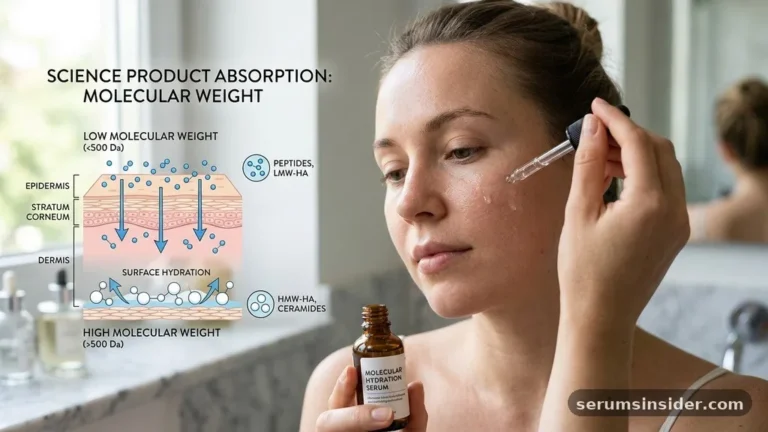
A common point of confusion is why some products feel more effective than others. This often comes down to the molecular weight of the hyaluronic acid used in the formula.
Large molecules sit on the surface of the skin, providing an immediate smoothing effect and a protective barrier against moisture loss. Smaller molecules are designed to penetrate more deeply, providing hydration to the lower layers of the epidermis.
When you are looking for the best product for your routine, look for a formula that includes a blend of different molecular weights. This ensures that you are getting both the immediate gratification of surface plumping and the long-term benefits of deeper hydration.
If you find that your skin still feels “thirsty” even after using a serum, you might be using a product that only contains a single, very high molecular weight, which can sometimes form a film that feels slightly tacky rather than truly hydrating. Always look for a serum that feels lightweight and absorbs quickly without leaving a heavy residue.
Common Mistakes to Avoid
Even with the best products, certain habits can undermine the benefits of your serum. The most common error is neglecting the importance of an occlusive layer.
If you apply a serum and stop there, you are essentially leaving your skin vulnerable to evaporation. In dry climates, this can actually leave your face feeling more parched than before you started.
Another mistake is using too much product. Because hyaluronic acid is highly concentrated, you only need a few drops to cover the entire face and neck. Using a larger amount does not equate to better hydration; it often just leads to pilling when you apply your moisturizer or foundation on top.
Finally, be mindful of the other ingredients in your serum. Some “hyaluronic” serums are packed with fragrance or unnecessary alcohols, which can counteract the hydrating effects of the acid. Opt for clean, minimalist formulas that focus on pure ingredients to ensure your skin receives the maximum benefit without any unwanted reactions.
Frequently Asked Questions
Can I use vitamin C and hyaluronic acid together?
Yes, they are highly compatible. Vitamin C provides antioxidant benefits and brightening effects, while hyaluronic acid ensures the skin remains hydrated and plump. You can safely layer them in your morning routine, typically applying the vitamin C first to ensure it fully absorbs into the skin.
Should I apply hyaluronic acid before or after moisturizer?
Always apply your hyaluronic acid serum before your moisturizer. Serums are thinner and designed to penetrate the skin, while moisturizers are thicker and designed to lock in that hydration by creating a barrier. Following this order ensures the humectant properties of the serum are sealed effectively.
Can I use hyaluronic acid with retinol?
Absolutely. In fact, using them together is a common dermatological recommendation. Since retinol can be drying, applying a hyaluronic acid serum first helps maintain the skin’s moisture levels and reduces the risk of irritation, flaking, or redness commonly associated with retinoid treatments.
Does it matter if I apply it on dry skin?
Applying it to completely dry skin is less effective. Hyaluronic acid is a humectant, meaning it draws water from its surroundings. Applying it to damp skin provides the molecule with the moisture it needs to pull into your skin, rather than drawing water from your own deeper tissues.
By integrating these practices into your daily routine, you move beyond simply applying products and start working with the biology of your skin. Whether you are aiming to reduce the appearance of fine lines or simply want to achieve a healthy glow, the timing and technique of your hyaluronic acid application will determine how much you actually benefit from this potent ingredient. Consistent application on damp skin, followed by a reliable moisturizer, is the ultimate way to ensure your complexion stays hydrated, resilient, and vibrant throughout the day.