

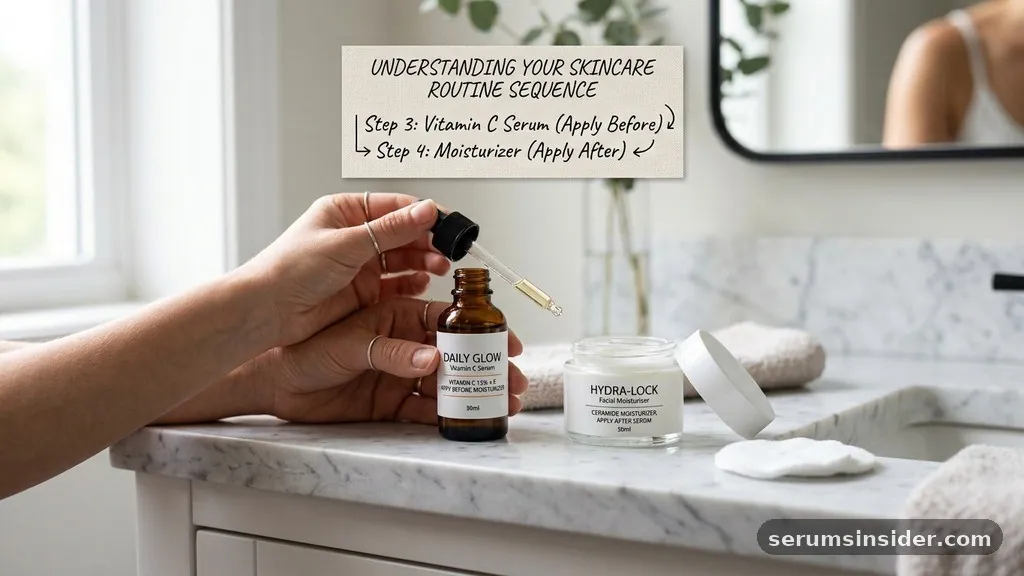
Navigating the complexities of a modern skincare routine can often feel like solving a puzzle, especially when you are trying to determine whether to apply your vitamin c serum before or after moisturizer. The general rule of thumb in dermatology is to layer your products from the thinnest consistency to the thickest, which usually places your active treatments directly onto clean, dry skin.
Because vitamin C is a potent antioxidant, its ability to penetrate the skin barrier is paramount to its efficacy. By placing it closer to the skin, you ensure that the active ingredients can work their magic without being blocked by heavier occlusives or emollients found in your daily face cream.
Understanding the Sequence of Your Skincare Routine
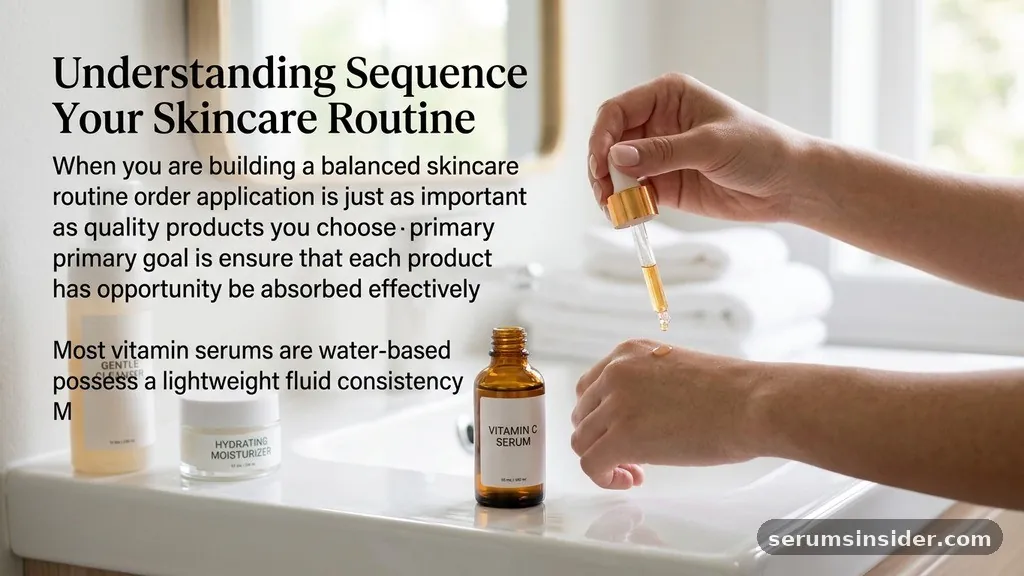
When you are building a balanced skincare routine, the order of application is just as important as the quality of the products you choose. The primary goal is to ensure that each product has the opportunity to be absorbed effectively. Most vitamin serums are water-based and possess a lightweight, fluid consistency.
Moisturizers, on the other hand, are designed to lock in hydration and often contain oils, waxes, or silicones that create a protective seal over the skin. If you were to apply a thick cream first, it would create a physical barrier that prevents the vitamin C from reaching the deeper layers of the epidermis where it can provide the most benefits.
To maximize the results of your morning ritual, you should always aim to apply your treatments on a clean canvas. After cleansing, your pores are clear, and your skin’s pH is often primed to receive active ingredients. By choosing to use your vitamin C first, you allow the L-ascorbic acid or its derivatives to neutralize free radicals caused by pollution and UV exposure throughout the day.
Once the serum has fully absorbed—usually within one to two minutes—you can follow up with your moisturizer to seal in the hydration and provide a smooth base for your sunscreen. This layering technique is the industry standard for ensuring that every product performs exactly as the formulator intended.
The Science Behind Ingredient Penetration
The reason we prioritize the order of operations in skincare comes down to molecular size and formulation base. Water-based products, like most high-quality vitamin C serums, have a lower molecular weight compared to the lipid-rich formulations of a standard moisturizer.
When you apply these ingredients in the correct sequence, you are respecting the natural permeability of your skin. If you apply a heavy oil-based cream before a serum, the oil acts as a barrier, effectively rendering the serum useless because the active molecules cannot pass through the hydrophobic layer of the moisturizer.
Furthermore, the stability of vitamin C is notoriously finicky. It is highly sensitive to light, air, and pH levels. By applying it directly to the skin, you are minimizing the time it spends interacting with other potentially incompatible ingredients.
While some believe that mixing products together saves time, this can actually disrupt the pH balance of the serum, causing it to oxidize faster or lose its potency. Keeping your face serum application separate and distinct is the best way to maintain the integrity of the formula. Think of your serum as the treatment phase and your moisturizer as the protection and hydration phase; treating them as separate steps ensures you get the most out of every drop.
Optimizing Your Morning Routine for Maximum Protection
Your morning regimen is your primary line of defense against environmental stressors. Because vitamin C is a powerful antioxidant, it works synergistically with your SPF to prevent premature aging and skin damage.
When you use vitamin serums correctly, you are providing your skin with a shield that neutralizes free radicals before they can cause cellular damage. The standard order—cleanser, toner, serum, moisturizer, and then sunscreen—is not just a suggestion; it is a scientifically backed approach to skin health.
If you are concerned about whether a specific product is a serum or a moisturizer, check the texture. If it is runny, clear, or slightly opaque and sinks in instantly, it is a serum. If it is creamy, thick, or waxy, it is a moisturizer.
For those who find that their skin feels tight or dry after applying a serum, it is perfectly acceptable to wait a moment until the skin feels “tacky” to the touch before layering on your moisturizer. This slight dampness can actually help the moisturizer penetrate better, but it should never be so wet that the products slide around. Remember, the step of moisturizing is essential for barrier repair, so never skip it just because you want to keep your routine simple.
Addressing Sensitive Skin Concerns
For those with sensitive skin, the question of whether to apply vitamin c serum before or after moisturizer takes on a new dimension. Vitamin C, particularly in the form of L-ascorbic acid, can be quite acidic and may cause tingling or irritation in some individuals.
If you have particularly reactive skin, you might be tempted to apply a light layer of moisturizer first to “buffer” the serum. While this is a common trick, it is important to realize that it will likely reduce the effectiveness of the vitamin C.
A better approach for sensitive skin is to choose a more stable, less acidic derivative of vitamin C, such as sodium ascorbyl phosphate or magnesium ascorbyl phosphate. These versions are generally less irritating and can be applied directly to the skin without the need for a buffer. If you still experience irritation, you can look into the American Academy of Dermatology guidelines on building a gentle, effective routine.
By starting with a lower concentration of vitamin C and gradually increasing it, your skin can build tolerance over time. Always patch test any new product on your inner forearm to ensure it does not trigger an adverse reaction before committing to using it on your face.
Comparison of Product Application Methods
To clarify why the order matters, the following table outlines the differences in how skin interacts with various product types during your daily routine.
| Product Type | Primary Function | Typical Texture | Layering Order |
|---|---|---|---|
| Vitamin C Serum | Active Treatment | Thin/Watery | First |
| Moisturizer | Hydration/Sealant | Cream/Lotion | Second |
| Sunscreen (SPF) | UV Protection | Thick/Emollient | Last |
This table highlights why you cannot simply swap these steps. The moisturizer acts as a sealant, so placing it after the serum is the logical progression. If you were to apply the sunscreen before the serum, you would essentially be blocking the serum from reaching the skin entirely, which is why sunscreen is always the final step in your morning sequence.
Common Topical Gaps: Myths and Misconceptions
There is a significant amount of misinformation circulating regarding the “mixing” of skincare products. One common myth is that you must wait 20 minutes between applying each layer. While it is beneficial to let a product absorb, you do not need to stand in your bathroom for an hour.
Once the product feels dry to the touch, your skin has absorbed the necessary components, and you are safe to move on to the next step. Another misconception is that you cannot use other active ingredients with vitamin C. While some pairings, like retinol, are better saved for the evening, many people can safely use vitamin C alongside other antioxidants like vitamin E or ferulic acid, which actually stabilize the formula.
Another gap in knowledge concerns the storage of these products. Many users wonder why their serum turns orange or brown over time. This is a sign of oxidation, meaning the vitamin C has been exposed to air or light and is no longer effective.
Storing your serum in a cool, dark place—or even the refrigerator—can extend its shelf life. If you notice a significant color change, it is time to discard the product. Understanding these nuances helps you avoid wasting money on ineffective products and ensures that your skincare routine remains as potent as the day you opened the bottle.
Frequently Asked Questions
- Can I mix my vitamin C serum into my moisturizer? While it might seem convenient, it is generally discouraged because it can alter the pH of the serum, reducing its effectiveness and potentially causing the products to pill or not absorb properly.
- Does vitamin C make my skin more sensitive to the sun? No, vitamin C is an antioxidant that helps protect against UV damage. However, because it can sometimes cause mild exfoliation, it is essential to follow up with a broad-spectrum sunscreen every day.
- What if I use an oil-based serum? If your vitamin C product is oil-based, it should be applied after any water-based serums but before your heavy moisturizer. Always follow the “thinnest to thickest” rule for the best results.
- Should I use vitamin C at night instead? You can use it at night, but it is most effective in the morning because it provides antioxidant protection against the environmental stressors you encounter throughout the day.
In summary, the most effective way to incorporate this powerful ingredient into your life is to apply your vitamin C serum directly to clean, dry skin before your moisturizer. This simple adjustment ensures that the active ingredients penetrate effectively, providing the maximum antioxidant benefits for your complexion.
By layering your products from lightest to heaviest and always finishing with a reliable SPF, you create a robust, science-backed routine that supports long-term skin health and radiance. Consistency is the ultimate key, so find a routine that feels manageable and stick with it to see the best results over time.


