

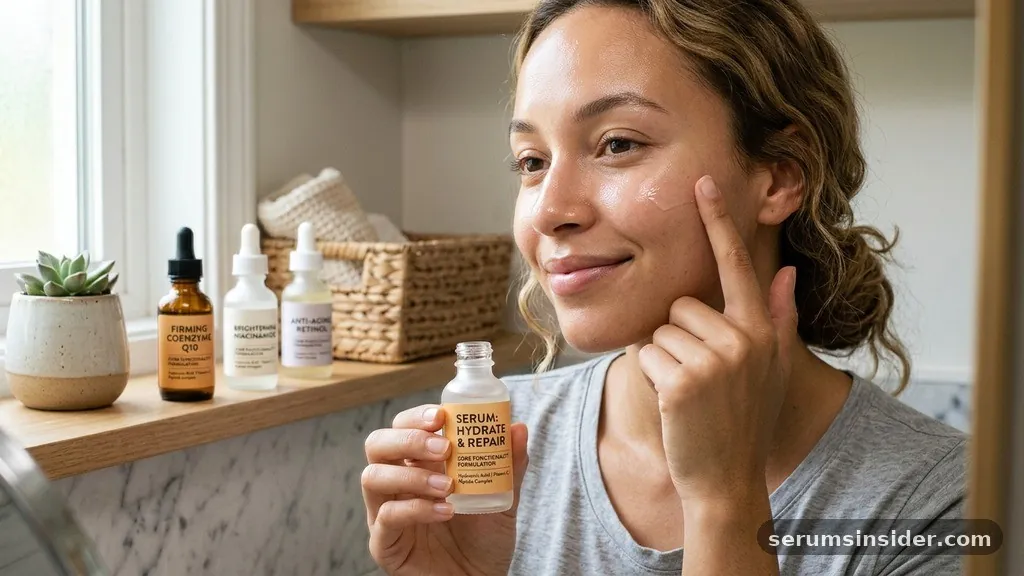
A skin serum is a lightweight, highly concentrated topical treatment designed to deliver powerful ingredients directly into the deeper layers of the epidermis. Unlike a traditional moisturizer, which primarily focuses on sealing the skin barrier and preventing transepidermal water loss, a serum is formulated with smaller molecules that penetrate the skin more effectively.
Because these products contain a higher percentage of active compounds, they are often the most targeted step in a skincare routine, addressing specific issues such as dark spots, dehydration, fine lines, or dullness. By applying a serum after cleansing but before sealing the skin with a cream, you provide your complexion with a potent dose of nutrients that can significantly improve overall texture and appearance.
The Core Functionality and Formulation of Skin Serums
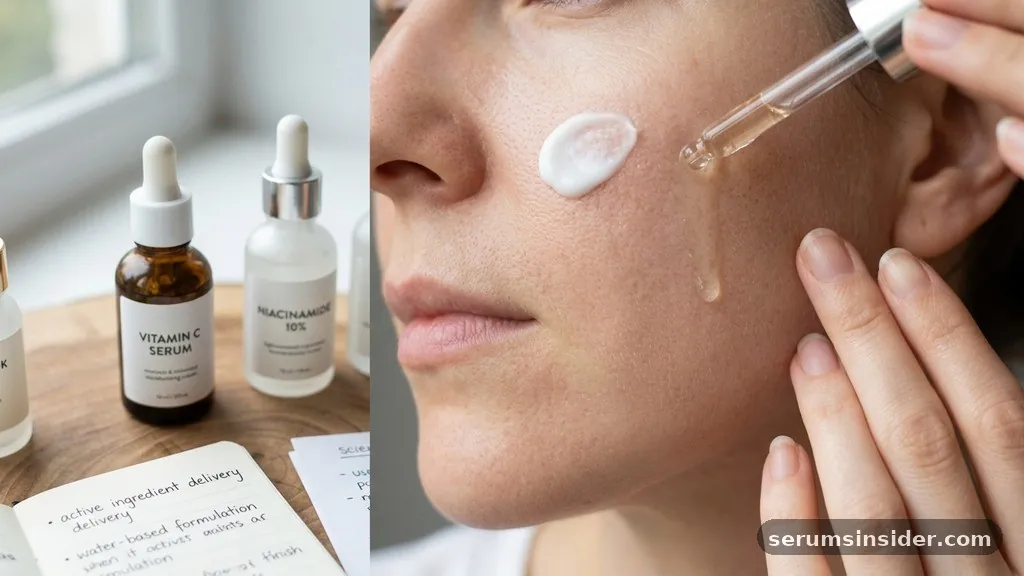
To truly understand what is serum for skin, one must look at the science behind its formulation. Most facial serums are water-based or gel-like, which allows them to bypass the heavy occlusives found in thicker lotions. This unique consistency is engineered to ensure that ingredients like vitamin C, niacinamide, or antioxidants reach the skin cells that need them most.
Because they lack the heavy oils or emollients that provide a protective barrier, they feel almost weightless upon application. This makes them versatile enough to be layered under other treatments without clogging pores or leaving a greasy residue.
The efficacy of a serum is largely determined by its concentration of actives. While a standard lotion might contain a small fraction of a beneficial compound, a high-quality serum is often built around that ingredient as the primary feature. For example, if you are looking to combat signs aging, a serum might be formulated with a high concentration of peptides or botanical extracts that promote collagen synthesis.
This specialized approach ensures that the product is not just providing surface-level moisture, but is actively working to resolve underlying skin concerns. Whether you are dealing with acne, hyperpigmentation, or general environmental damage, these concentrated formulas act as the “heavy lifters” of your daily regimen.
Distinguishing Serums from Moisturizers and Creams
A common point of confusion for many consumers is the functional difference between a serum and a standard moisturizer. While both are essential components of a healthy face care routine, they serve different biological purposes. A moisturizer is generally thicker because it contains occlusives and emollients—substances that form a physical seal over the skin.
This seal is vital for trapping water within the skin cells. In contrast, a serum is designed to be absorbed quickly. If you were to skip the moisturizer and use only a serum, your skin might eventually lose that hydration to the environment, especially in dry or cold climates.
Think of the serum as the treatment phase and the moisturizer as the protection phase. You can learn more about how the skin barrier functions by visiting the American Academy of Dermatology, which emphasizes the importance of consistent, gentle care. When you apply these in the correct order, you maximize the benefits of both.
The serum delivers the active molecules—such as hyaluronic acid for plumping or retinol for cell turnover—while the moisturizer locks those benefits in and provides a comfortable, smooth finish. Using them together is the gold standard for maintaining optimal skin health and preventing irritation.
Common Active Ingredients and Their Targeted Benefits
The market is filled with various types of skin serums, each tailored to a particular goal. Understanding the role of these active ingredients is the key to choosing the right one for your needs. Vitamin C serums, for instance, are widely celebrated for their ability to brighten the complexion and protect against oxidative stress caused by sun exposure and pollution. Because vitamin C is a potent antioxidant, it helps neutralize free radicals, making it a staple in morning routines.
Another category involves humectants, most notably hyaluronic acid. This molecule is capable of holding up to 1,000 times its weight in water, making it a powerhouse for hydration. If your primary goal is to achieve a dewy, plump look, this is often the best serum to incorporate into your daily routine.
On the other hand, for those focusing on anti-aging, retinol-based serums are the industry gold standard. Retinol promotes faster cell turnover, which helps reduce the appearance of fine lines and improves overall skin tone over time. Below is a breakdown of common ingredients and their primary effects:
| Ingredient Category | Primary Benefit | Best For |
|---|---|---|
| Antioxidants (e.g., Vitamin C) | Brightening & Protection | Dullness & Sun Damage |
| Humectants (e.g., Hyaluronic Acid) | Deep Hydration | Dry or Dehydrated Skin |
| Retinoids (e.g., Retinol) | Cell Turnover & Firming | Fine Lines & Acne |
| Exfoliating Acids (e.g., AHAs/BHAs) | Resurfacing & Smoothing | Uneven Texture & Pores |
How to Correctly Apply Serums for Maximum Efficacy
Knowing when should I use a serum is just as important as choosing the right one. As a rule of thumb, always apply your serum on clean, slightly damp skin after cleansing and toning but before applying your heavier creams or oils.
The “thinnest to thickest” rule of thumb is a reliable guide for layering your skincare products; since serums are thin and lightweight, they should be the first layer after your cleanser. If you are using multiple serums, start with the one that has the thinnest, most watery consistency and move to the thicker, more viscous options.
Patience is also a virtue when using these products. Because serums penetrate deeply, they require a moment to “set” before you layer your next product on top. Waiting about 60 seconds after application allows the active ingredients to fully absorb into the epidermis.
If you rush the process by immediately applying a thick moisturizer, you might end up “pilling” the product, where it clumps up on the surface rather than sinking in. Furthermore, when using serums that contain active exfoliants like AHAs or BHAs, it is crucial to follow up with a broad-spectrum SPF during the day, as these ingredients can increase your skin’s sensitivity to UV rays.
Addressing Topical Gaps: Myths and Reality
There is a prevalent myth that serums are only for people with mature skin or those with severe skin issues. In reality, a serum can be a preventative tool for anyone. Even if you have relatively clear skin, a light antioxidant serum can help protect your face from the daily wear and tear of urban pollutants.
Another gap in common knowledge is the idea that “more is better.” Because serums are highly concentrated, you only need a few drops—usually just a pea-sized amount—to cover your entire face and neck. Over-applying does not increase the benefits; instead, it can lead to product wastage and, in some cases, irritation if the formula is particularly potent.
Additionally, many people wonder if they can use a serum instead of a moisturizer. While some individuals with oily skin might find that a hydrating serum provides enough moisture during the summer months, for most, a serum cannot replace the lipid-barrier support provided by a moisturizer.
Omitting the moisturizer means you are missing out on the essential fats and oils that keep the skin’s protective mantle intact. Always view the serum as an enhancement to your routine rather than a total replacement for your basic staples.
Common Questions About Daily Serum Integration
- Is it good to use face serum daily? Yes, most dermatologists recommend using serums daily to maintain a consistent level of active ingredients in the skin, provided the formula is appropriate for your specific skin type.
- What are the disadvantages of serum? The primary disadvantages include the potential for irritation if the product is too strong, the higher price point compared to basic lotions, and the necessity of finding the right formula for your specific skin concerns.
- Do I need a serum and a moisturizer? Yes, because they perform different functions. The serum treats specific issues with concentrated actives, while the moisturizer seals in hydration and protects the skin barrier from environmental stressors.
- When should I use a serum? Ideally, you should apply your serum twice daily—morning and evening—after cleansing and toning. Always apply it before your moisturizer and sunscreen to ensure the active ingredients can penetrate the skin effectively.
In conclusion, understanding what is serum for skin allows you to make informed decisions about your beauty regimen. By moving beyond basic cleansing and moisturizing, you can address specific needs with surgical precision.
Whether you are seeking a brighter glow, improved texture, or a reduction in the visible signs of aging, incorporating the right serum into your routine is an investment in the long-term health and vitality of your skin. Start slow, choose ingredients that align with your goals, and enjoy the transformative effects of these potent, liquid-gold treatments.


