

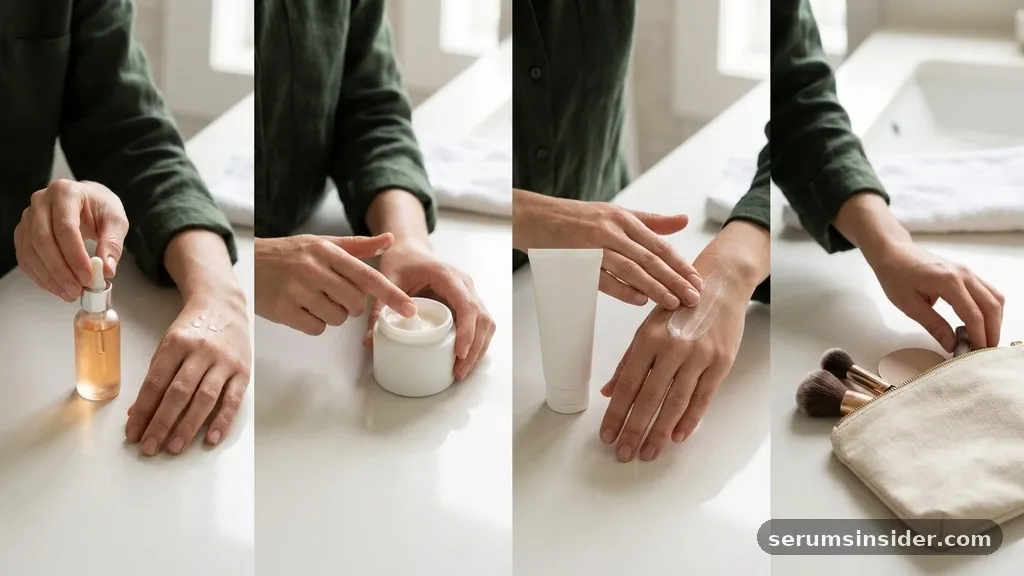
Should you apply serum before or after moisturizer? In most skincare routines, the answer is serum before moisturizer.
This sequence helps lightweight formulas spread across clean skin, while the moisturizer follows to add hydration and support the skin barrier. Still, skin type, product texture, active ingredients, and the purpose of each formula can change how you layer skincare products, so the answer is not quite as simple as one fixed rule.
Serum Before or After Moisturizer: The Basic Rule
Apply face serum before moisturizer when the serum has a thinner, more water-based texture and the moisturizer feels richer or creamier. Skincare generally works from the lightest product to the heaviest. A serum is designed to deliver a focused blend of active ingredients, while moisturizer adds comfort, reduces water loss, and helps create a protective layer over the skin.
The usual sequence is straightforward: cleanse, apply toner or essence if you use one, smooth on serum, apply moisturizer, and finish with sunscreen in the morning. This order lets each step perform its intended role without making the routine feel overly complicated. Of course, skin does not follow a rigid spreadsheet, and a small adjustment may work better for you.
Serums usually contain concentrated ingredients in a fluid base. Depending on the product, that may include hyaluronic acid, niacinamide, vitamin C, peptides, salicylic acid, or other active ingredients.
Moisturizers, meanwhile, commonly combine humectants, emollients, and occlusives. These components help attract water, soften the surface, and lock in moisture.
When moisturizer goes on first, it can create a partial film that makes it harder for a lightweight serum to spread evenly. That does not mean the serum becomes useless, though.
It simply may not contact the skin in the same way, and the overall feel can become less predictable. For most routines, serum first is the cleanest starting point.
- Cleanser: removes oil, sunscreen, and daily residue.
- Hydrating toner or essence: adds a light layer of moisture when desired.
- Serum: delivers targeted active ingredients or extra hydration.
- Moisturizer: supports the barrier and reduces moisture loss.
- Sunscreen: protects exposed skin during the daytime.
Use a small amount and allow each layer a brief moment to settle. You do not need to wait for a perfectly dry face between every step; that can make the process fussy.
Instead, apply products gently while the previous layer still feels comfortable, not dripping wet or heavily sticky. Simple, regular use matters more than chasing a flawless sequence.
Why Product Texture and Skin Type Matter
Texture determines layering order more reliably than the word “serum” or “moisturizer” on the label. A very watery serum usually belongs before a lotion, gel cream, or rich cream. However, some modern serums are oily, balm-like, or made with a high concentration of silicones. In those cases, texture gives you a better clue than the product category.
A practical rule is to move from thin to thick and from water-based to oil-based. Water-based products generally spread more easily before oil-rich formulas.
An oil can create slip and reduce evaporation, but it may also make later water-based products sit on the surface. This is why an oil-based serum often works after moisturizer, especially when the goal is to seal in hydration rather than deliver a watery active formula.
Your skin type also affects how much layering feels comfortable. Oily or acne-prone skin may prefer a lightweight hydrating serum followed by a gel moisturizer. Dry or sensitive skin may respond better to a gentle serum under a richer cream.
Combination skin can use different amounts on different areas, which is perfectly reasonable. The cheeks may need cream, while the forehead needs only a light layer.
| Product texture | Typical placement | Useful approach |
|---|---|---|
| Watery or gel serum | Before moisturizer | Apply to clean, slightly damp skin when suitable |
| Light lotion | After serum | Use as a comfortable barrier-supporting layer |
| Rich cream | Near the end of the routine | Apply a thin layer to reduce dryness and water loss |
| Facial oil serum | After moisturizer | Use a few drops to seal in existing hydration |
For oily skin, using less product often improves the look of the routine. A serum moisturizer combination can feel heavy if both products contain many rich emollients.
Choose one hydrating step and one barrier-supporting step, then observe how your face feels over several days. If the skin looks shiny, congested, or uncomfortable, reduce quantity before removing every product at once.
For dry or reactive skin, moisturizer before serum can occasionally be useful as a buffering method. This approach places a thin layer of cream on the skin first, then adds a potentially irritating active serum.
It can soften the intensity of ingredients such as retinoids or exfoliating acids. The trade-off is that the serum may absorb less directly, but comfort and consistency are often more important.
How to Layer Serum and Moisturizer Correctly
The correct order is less about waiting exact minutes and more about applying compatible layers in sensible amounts. Start with clean hands and a freshly cleansed face. Pat away excess water, but avoid rubbing the skin aggressively. If your serum is hydrating, applying it to slightly damp skin can make the routine feel more comfortable, although the product instructions should always take priority.
Morning application
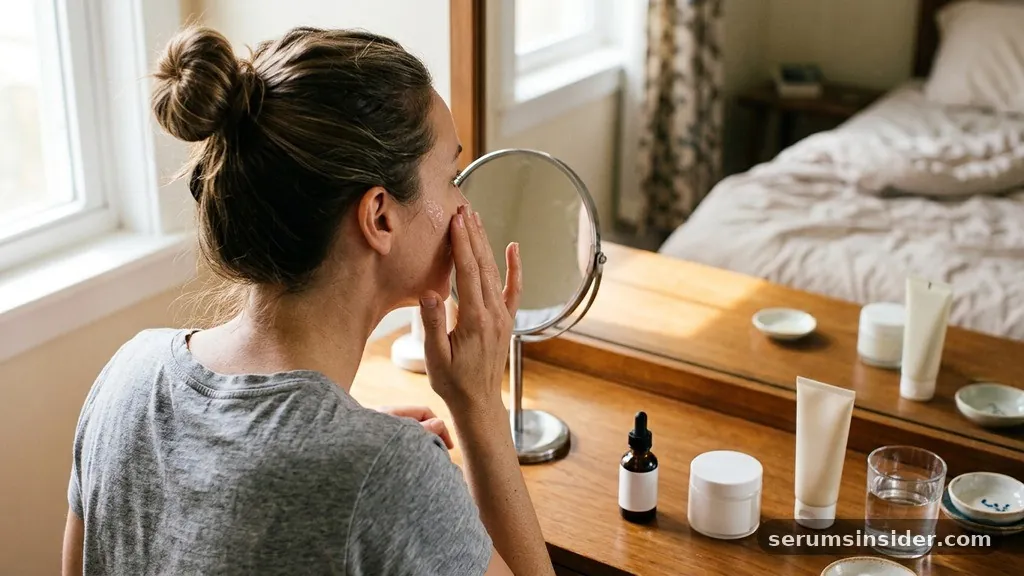
In the morning, apply a gentle serum before moisturizer, then use sunscreen as the final skincare step. Antioxidant serums are commonly used during the day, while hydrating formulas can be used whenever the skin feels tight.
Sunscreen belongs after moisturizer because it needs to form a consistent film on the surface. Makeup can follow once the sunscreen has settled.
Evening application
At night, cleanse first to remove sunscreen, oil, and environmental residue. Apply your chosen serum, then follow with moisturizer.
If your serum contains a strong active ingredient, introduce it gradually rather than using it every night from day one. A regular routine that causes little irritation is more useful than an ambitious routine that leaves the barrier dry and uncomfortable.
Use approximately the amount recommended on the label, but do not assume more product creates more power. A few drops may cover the face, while a thin layer of moisturizer is often enough.
Spread the serum with clean fingertips and press lightly instead of dragging the skin. Wait until the surface feels mostly settled before applying cream if pilling occurs.
Pilling happens when products form small rolls or flakes during application. It can result from using too much product, rubbing repeatedly, combining incompatible textures, or layering several silicone-heavy formulas.
To reduce it, use smaller amounts, give each step a little time, and pat rather than vigorously massage. Simplifying the routine can fix the problem surprisingly quickly.
Do not apply every active ingredient at the same time simply because the sequence allows it. A vitamin C serum, exfoliating acid, retinoid, and acne treatment may each have a place in skincare, but combining them without care can cause irritation.
Check the product directions, introduce one new item at a time, and stop if burning or persistent redness develops. For basic information on caring for dry skin, the American Academy of Dermatology’s dry-skin recommendations are a useful reference.
When moisturizer should come first

Moisturizer can come before serum in a few situations. The most common is buffering a strong treatment.
A second is using a facial oil after cream, where the “serum” is really functioning as an oil-based sealing product. A third is personal comfort: if serum stings on bare skin but feels comfortable over moisturizer, that modified sequence may help you stay consistent.
There is also no need to panic if you accidentally reverse the order. Skincare is not ruined because moisturizer touched your face first.
Apply the next step normally, avoid scrubbing it away, and adjust the sequence during your next routine. The goal is healthy, comfortable skin, not perfect performance from every single application.
Common Mistakes and Topical Gaps to Consider
The biggest mistake is treating every serum and every moisturizer as interchangeable. These products can differ in base, concentration, pH, occlusiveness, and intended use. A hydrating serum is not handled exactly like an exfoliating serum, and an oil serum is not layered like a water-based gel. Reading the label and understanding the formula prevents many routine errors.
Using too many layers
More steps do not automatically create healthier skin. Several serums can compete for attention, increase stickiness, and make it harder to identify what caused irritation.
If you are building a routine, start with cleanser, one serum, moisturizer, and sunscreen for daytime. Add another product only when you have a clear reason, such as persistent dryness or a specific concern.
Ignoring the skin barrier
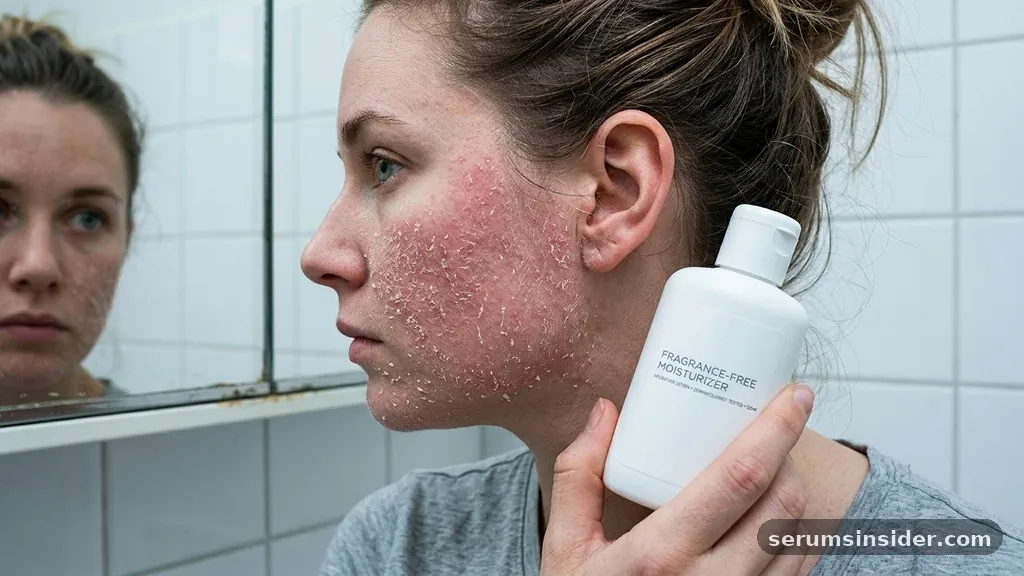
The skin barrier helps limit water loss and protects against external irritants. Over-cleansing, frequent exfoliation, harsh products, and excessive active ingredients can weaken how the skin feels and behaves.
Signs may include tightness, flaking, stinging, or unusual sensitivity. When those signs appear, focus on gentle cleansing, simple moisturizer, and reduced product layering.
Assuming pores can be sealed shut
Moisturizer does not literally close pores, and serum does not permanently open them. Products can improve the look and feel of skin by supporting hydration or reducing excess oil, but pore size is not controlled by a simple before-and-after sequence. Choose non-comedogenic-feeling products if congestion is a concern, and monitor how your own skin responds.
Skipping patch testing and instructions
A product can be popular and still not suit every face. Patch testing a new formula can help reveal sensitivity before applying it broadly.
Follow the label, especially when using acids, retinoids, or formulas designed for acne. If a product causes significant swelling, intense burning, or a rash that does not settle, stop using it and seek professional medical advice.
Another overlooked issue is the difference between hydration and moisture. Hydration refers to water content, while an oil or cream can help reduce water loss and soften the skin.
A humectant serum may add hydration, but it may need a moisturizer on top to keep the result from disappearing quickly. This is why serums and moisturizers often work best as complementary products.
A Simple Routine Based on Your Goal
Choose the sequence according to what you want the products to do. If your goal is hydration, apply a water-based serum first and moisturizer second. If your goal is to soften a strong active ingredient, moisturizer may come first as a buffer. If your formula is mostly oil, apply it after cream so it can help seal the earlier layers.
- For dehydration: use a hydrating serum, then a moisturizer that reduces water loss.
- For oily skin: choose lightweight textures and avoid applying thick layers everywhere.
- For dryness: use serum before a richer cream, adding oil afterward only if needed.
- For sensitive skin: keep the sequence simple and consider buffering stronger products.
- For daytime protection: finish with broad-spectrum sunscreen after moisturizer.
Give a new routine enough time to show whether it feels sustainable, but do not force a product that consistently irritates you. Skin can look temporarily smoother when heavily coated, yet a comfortable routine is easier to maintain. The best sequence is the one that places products logically and allows you to use them regularly without redness, congestion, or unnecessary fuss.
In short, serum usually goes before moisturizer because thin formulas spread best first and cream helps hold hydration afterward. The main exceptions involve oil-based serums, buffering techniques, and product-specific instructions. Think in terms of texture, ingredients, and skin response rather than following a rigid rule that ignores what is actually in the bottle.
Frequently Asked Questions
Can I use serum without moisturizer?
Yes, but it depends on the serum and your skin. A hydrating serum may feel comfortable alone temporarily, yet moisturizer can help reduce water loss and support the barrier.
If your skin feels tight after serum, apply a suitable cream or gel moisturizer. Oily skin may need only a light layer.
How long should I wait between serum and moisturizer?
You usually do not need to wait a specific number of minutes. Allow the serum to spread and settle until the surface feels comfortable, then apply moisturizer gently.
If products pill, use less, reduce rubbing, and give the serum a little longer before adding cream. Exact timing is less important than technique.
Should an oil serum go before or after moisturizer?
An oil-based serum commonly works after moisturizer because oil can help seal in the hydration provided by earlier layers. However, follow the product directions if they recommend another sequence. Use only a few drops, especially if your skin is oily or prone to congestion, and apply it mainly where extra comfort is needed.
Can I apply moisturizer before serum if my skin is sensitive?
Yes. Applying a thin layer of moisturizer first can buffer a potentially irritating serum and make the routine more comfortable.
This may reduce direct contact and slightly change absorption, but comfort matters. Introduce active ingredients gradually, avoid combining too many treatments, and stop if persistent burning, swelling, or a rash occurs.


