

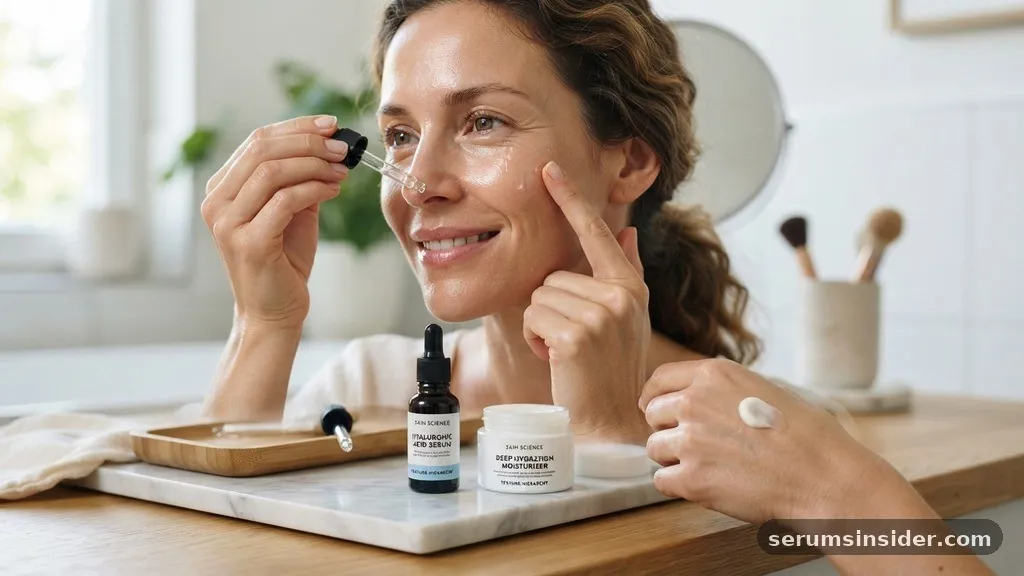
Navigating the complexities of a modern skincare routine can often feel like a chemistry experiment gone wrong, especially when trying to determine if you use serum before or after moisturizer. The general consensus among dermatologists and skincare experts is that you should apply your serum before your moisturizer.
This rule exists because serums are designed as lightweight, concentrated delivery systems for active ingredients, while moisturizers serve as occlusive barriers to lock hydration into the skin. By placing the thinner, more potent product closest to the skin, you ensure that the active molecules can penetrate the epidermis effectively without being blocked by the heavier, cream-based formulas found in typical moisturizers.
Understanding the Texture Hierarchy in Skincare
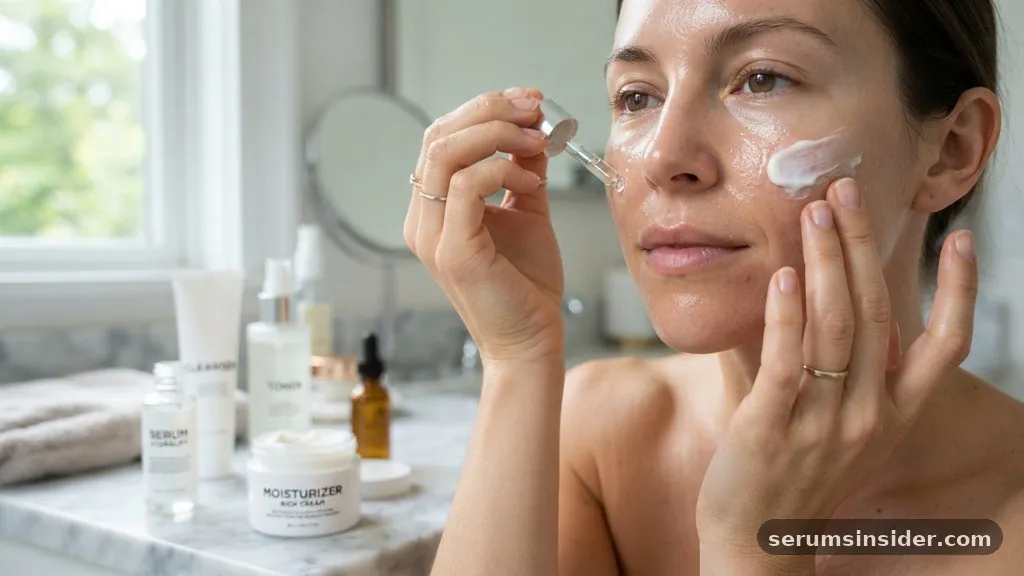
The most reliable rule of thumb when layering skincare products is to apply them in order of consistency, starting from the thinnest and moving toward the thickest. Serums are almost always formulated with a water-based, low-viscosity texture.
This allows them to absorb into the dermis almost instantly. If you were to apply a heavy cream or a thick lotion before your serum, the larger molecules of the moisturizer would form a film over your pores, creating a physical barrier that prevents the delicate active ingredients in the serum from reaching their intended destination.
Think of your skin as a sponge. If you coat the sponge in a thick layer of oil or wax, water-based serums will simply sit on the surface, unable to soak in. By applying the serum first, you allow those high-concentration ingredients—like Vitamin C, niacinamide, or hyaluronic acid—to interact directly with your skin cells.
Once the serum has had a moment to settle, the moisturizer acts as a seal, trapping the serum’s benefits and adding an extra layer of hydration to prevent transepidermal water loss. This layering technique is essential for maximizing the efficacy of your investment in high-quality skincare products.
The Role of Active Ingredients and Molecular Weight
The reason we prioritize serums in the early steps of our routine relates to the molecular size of the ingredients. Serums are often engineered with smaller molecular weights to penetrate deeper into the skin layers.
Conversely, moisturizers contain emollients, humectants, and occlusives that are specifically formulated to sit on top of the skin to smooth the surface and retain moisture. When you ask yourself “do you use serum before or after moisturizer,” the answer is rooted in this structural difference.
If you are using a retinol serum or a chemical exfoliant, these ingredients are particularly sensitive to environmental factors and the pH level of your skin. Applying them directly to clean, slightly damp skin allows for optimal absorption. If you apply them over a thick moisturizer, the efficacy of these potent ingredients is significantly diminished.
The moisturizer acts as a buffer, which can be useful if you have highly sensitive skin, but for the average user, it serves as an unnecessary obstruction. Research from the American Academy of Dermatology confirms that the sequence of application is vital for ensuring that your products perform the tasks they were formulated to do.
How to Integrate Serums into Your Daily Regimen
Incorporating a new product into your existing routine requires patience and consistency. After cleansing your face and using a toner (if that is part of your habit), your skin is perfectly primed for a treatment product.
Dispense a few drops of your chosen face serum into your palms—not directly onto the face, to avoid contaminating the dropper—and gently press it into your skin. You do not need to rub vigorously; the heat from your hands and the gentle pressure will help the product distribute evenly.
Once you have applied the serum, it is common to wonder how long you should wait before moving to the next step. While you do not need to wait until your skin is bone-dry, giving the serum about 30 to 60 seconds to “set” or absorb is beneficial.
This short wait time ensures that the serum is no longer tacky to the touch. If you immediately slather on a thick cream, you might cause the serum to pill or ball up on the skin, which not only feels unpleasant but also indicates that the product isn’t absorbing correctly.
Comparing Product Categories for Optimal Layering
To simplify your routine, it helps to categorize your products by their primary function and texture. This table outlines the typical order of operations for a standard daytime or nighttime skincare regimen.
| Order | Product Type | Primary Function |
|---|---|---|
| 1 | Cleanser | Removes impurities and surface oil. |
| 2 | Toner/Essence | Balances pH and prepares the skin. |
| 3 | Serum | Delivers targeted active ingredients. |
| 4 | Moisturizer | Hydrates and creates a protective barrier. |
| 5 | Sunscreen/Oil | Protects from UV and prevents water loss. |
By following this sequence, you ensure that every product has the best chance to interact with your skin. If you are using multiple serums, the rule of “thinnest to thickest” still applies. For example, a watery hyaluronic acid serum should be applied before a thicker, oil-based serum or a gel-based vitamin C treatment.
Addressing Common Skincare Myths and Topical Gaps
One of the biggest misconceptions in skincare is that more is always better. Many people believe that if they apply a heavy moisturizer first, it will “carry” the serum deeper into the skin. In reality, this is rarely the case.
Moisturizers are formulated with occlusives like petrolatum, shea butter, or mineral oil, which are designed to sit on the surface. If you try to push a serum through these ingredients, you are effectively fighting against the product’s design.
Another common question involves the use of facial oils. People often confuse serums with oils. An oil is technically a moisturizer or an occlusive, not a serum.
If you are using a facial oil, it should almost always be the final step in your routine (before sunscreen in the morning). If you apply an oil before your moisturizer, the moisturizer will likely fail to penetrate the oil layer, leaving your skin feeling greasy rather than hydrated. Remember: water-based serums go first, followed by water-based moisturizers, and finally, oil-based products to lock everything in.
Adjusting for Your Specific Skin Type
Your skin type plays a significant role in how your products behave. Those with oily skin might find that they only need a serum and a very lightweight gel-moisturizer, or sometimes just the serum alone during the day. If you have dry skin, you may need a more robust approach, perhaps layering a hydrating serum underneath a rich, cream-based moisturizer.
- For oily skin: Opt for water-based, lightweight serums that absorb quickly without adding excess grease.
- For dry skin: Look for serums containing hyaluronic acid or glycerin, followed by a cream that contains ceramides.
- For sensitive skin: Apply your serum, wait until it is fully absorbed, and then use a gentle, fragrance-free moisturizer to minimize irritation.
- For acne-prone skin: Use salicylic acid or niacinamide serums before a non-comedogenic, oil-free moisturizer.
Regardless of your skin type, the “serum before moisturizer” rule remains the gold standard. The only time you might deviate is if a specific product manufacturer explicitly instructs you otherwise, though this is rare in the professional skincare world. Consistency is the key to seeing results, so once you have established your order, stick with it for at least 4 to 6 weeks to allow your skin cycle to adjust and show improvements.
Frequently Asked Questions
Do I have to wait for my serum to dry completely before applying moisturizer?
You do not need to wait for it to be completely dry, but waiting about 30 to 60 seconds is ideal. This allows the serum to absorb slightly, preventing it from pilling or sliding off when you apply your moisturizer on top.
Can I mix my serum into my moisturizer to save time?
While some people do this, it is generally not recommended. Mixing products can alter the pH balance and stability of the active ingredients in the serum, potentially making them less effective. It is always better to layer them individually to ensure each product functions as intended.
Does the order change at night versus the day?
The order remains the same for both day and night: cleanse, tone (optional), serum, then moisturizer. The only difference is that your nighttime moisturizer may be thicker or richer, and you should always conclude your daytime routine with a broad-spectrum sunscreen to protect your skin from damage.
What if I use multiple serums in my routine?
If you use multiple serums, apply them from the thinnest consistency to the thickest. For example, a watery niacinamide serum should be applied before a more viscous, gel-like peptide serum. Always finish with your moisturizer to seal all the layers of active ingredients into the skin.
In summary, the question of whether you use serum before or after moisturizer is settled by the fundamental principles of skincare chemistry. Serums act as the concentrated, active treatment, while moisturizers provide the necessary hydration and barrier protection.
By applying your products from the thinnest to the thickest consistency, you ensure that your skin receives the full benefit of every ingredient you apply. Following this simple order—cleansing, applying serums, and locking them in with moisturizer—will help you achieve a more radiant, healthy complexion while getting the most value out of your skincare collection.


