Hair serum is a specialized treatment designed to coat the surface of your hair strands to provide instant improvements in texture, appearance, and manageability. Unlike traditional conditioners or heavy hair oils that penetrate the hair shaft, serum acts primarily as a protective layer, smoothing the cuticle and locking in moisture.
When you use hair serum, you are essentially creating a physical barrier against environmental stressors, heat styling, and humidity. This makes it an essential tool for those looking to control unruly hair, enhance natural luster, and provide a polished finish to their daily grooming routine.
The Core Function of Hair Serum in Your Routine
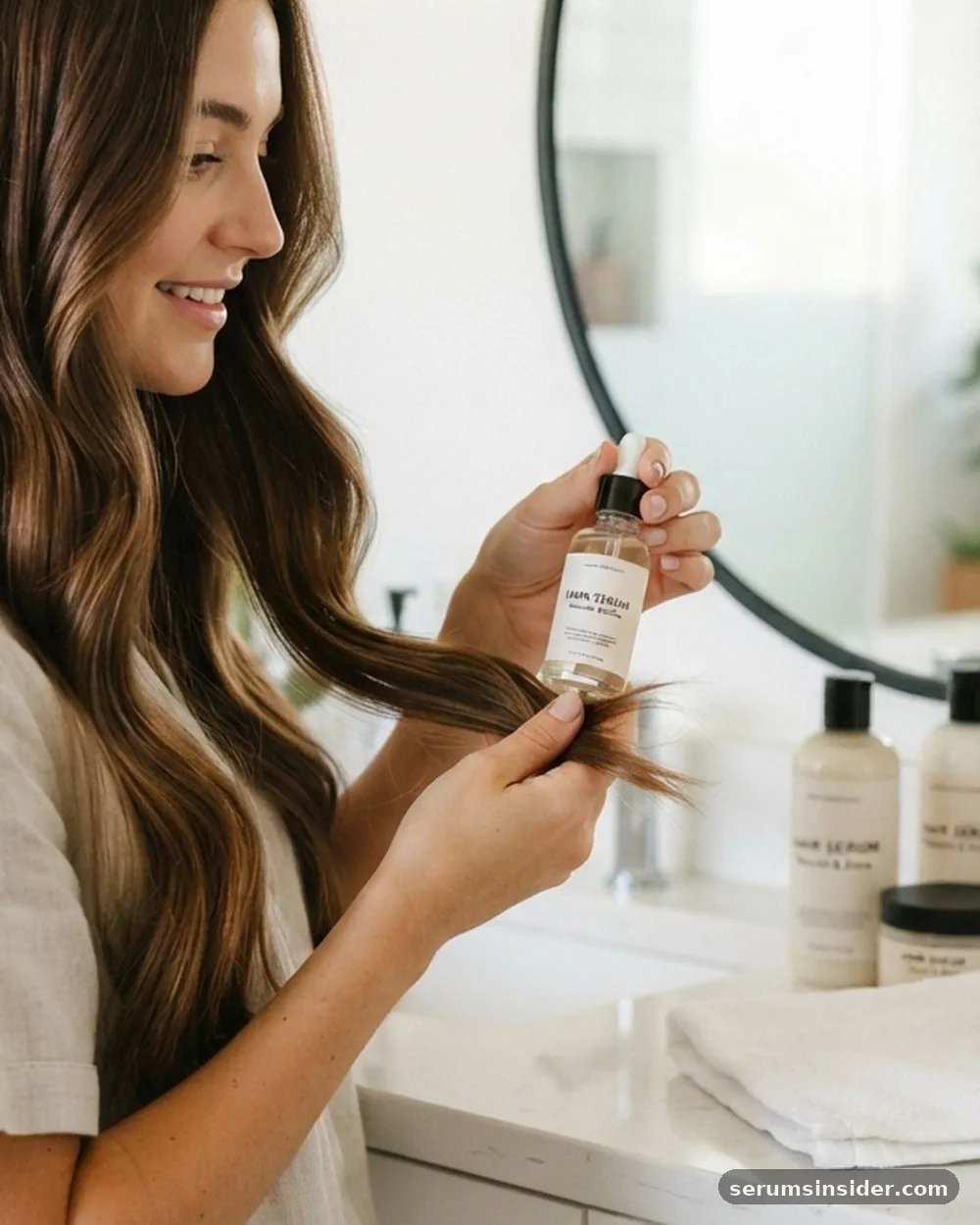
At its most fundamental level, what does hair serum do? It creates a temporary, high-performance finish on the hair. While other products focus on internal hydration or scalp health, serums are engineered for surface-level aesthetics and protection.
By utilizing ingredients such as silicones, amino acids, and lightweight botanical extracts, these products fill in the microscopic gaps in the hair cuticle. This smoothing effect is why many people turn to serum to manage frizz, which occurs when the hair cuticle is raised and absorbs moisture from the air.
Beyond simple smoothing, these treatments provide a vital shield for your hair. Think of them as a topcoat for your strands. When applied correctly, a high-quality serum helps to prevent mechanical friction, which is a leading cause of breakage.
By reducing the surface tension of the hair, it makes detangling easier and prevents the snapping that often happens when brushing knotted or dry hair. Integrating this product into your post-wash routine allows you to seal in the hydration provided by your conditioners, ensuring that your hair stays soft and manageable throughout the day. It is a versatile addition that bridges the gap between clean, bare hair and a perfectly styled look.
Distinguishing Between Hair Serum and Hair Oil
A common point of confusion for many is the difference between hair serum and hair oil. While they are often used interchangeably in casual conversation, they serve distinct purposes. Hair oils, such as argan, jojoba, or coconut oil, are generally heavier and designed to provide deep nourishment, often penetrating the hair shaft or addressing scalp dryness.
If you have extremely porous or dry hair, oils can be deeply beneficial for long-term health. However, they can sometimes weigh down fine or thin hair, leaving it looking greasy if used in excess.
Hair serums, on the other hand, are typically silicone-based. This specific formulation is what allows them to provide that signature shine and frizz control without the heavy, oily residue associated with pure oils. Because they are designed to sit on top of the cuticle, they are much better at providing a sleek, reflective surface.
If you are struggling with flyaways or a lack of luster, a serum is almost always the better choice over an oil. To help you decide which is right for your specific needs, consider the following comparison:
| Feature | Hair Serum | Hair Oil |
|---|---|---|
| Primary Goal | Smoothing and shine | Deep nourishment and hydration |
| Texture | Lightweight, non-greasy | Viscous, heavier |
| Best For | Frizz, styling, heat protection | Scalp health, dry ends, deep conditioning |
Managing Frizz and Adding Lasting Shine
The most celebrated benefit of hair serum is its ability to tame frizz and add a brilliant shine. Frizz is essentially the result of a dehydrated hair shaft seeking moisture from the environment. When the cuticle is rough and raised, hair loses its smoothness and becomes prone to tangling.
Serum works by flattening these cuticles, which not only makes the hair look healthier but also allows it to reflect light more effectively. This reflection is what we perceive as “shine.”
For those with color-treated or heat-damaged hair, the cuticle is often permanently compromised, leading to a dull, matte appearance. Regular application of a smoothing serum helps to bridge these gaps, creating a uniform surface that mimics healthy hair. Furthermore, because serums act as a barrier, they help maintain the integrity of your hairstyle.
Whether you are aiming for a sleek blowout or trying to define natural waves, the right serum provides the structural support needed to keep the hair in place. You can learn more about the science of hair health and maintenance through the American Academy of Dermatology, which offers extensive resources on maintaining hair integrity. By reducing the reliance on high-heat tools to force hair into submission, serums indirectly support long-term hair health.
Protecting Against Heat and Environmental Damage
Modern styling habits often involve high-heat tools like blow dryers, flat irons, and curling wands, all of which can strip the hair of its natural moisture and protein. This is where the protective properties of hair serum become indispensable.
Many modern formulas include heat-activated ingredients that create a thermal barrier between your hair and your styling tool. This shield prevents the moisture inside the hair from boiling and escaping, which is the primary cause of heat-induced damage.
In addition to heat, environmental factors such as UV rays, air pollution, and hard water can contribute to structural degradation. A quality serum acts as a sacrificial layer; environmental pollutants settle on the serum coating rather than the hair fiber itself. This means that when you wash your hair, you are essentially washing away the day’s accumulation of pollutants and the product, leaving your clean hair protected underneath.
This “shield hair” approach is essential for those living in urban environments or those who spend significant time outdoors. By incorporating a serum into your routine, you are effectively creating an invisible suit of armor for your hair, preserving its strength and color longevity against the rigors of daily life.
Proper Application Techniques for Best Results
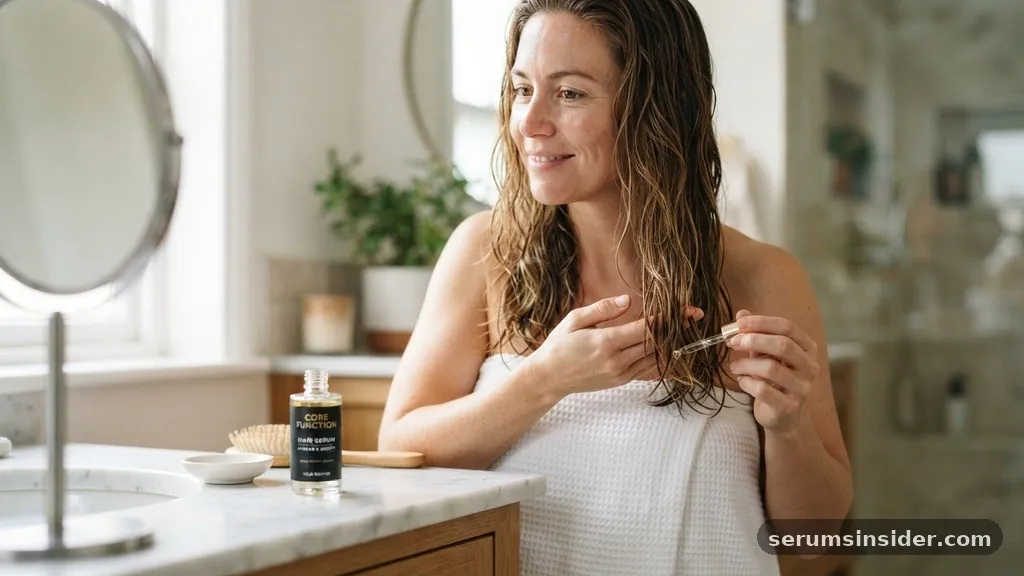
Knowing how to use hair serum is just as important as choosing the right product. Misapplication is the most common reason people feel that serums make their hair greasy or flat. The golden rule is to start with a very small amount—usually no more than a pea-sized drop for shoulder-length hair.
You should always warm the product between your palms before application. This action spreads the serum evenly across your fingers and thins the texture, ensuring that you don’t end up with a concentrated glob of product in one spot.
Start by applying the serum to the mid-lengths and ends of your hair, working your way down. These areas are the oldest parts of your hair and are typically the most prone to dryness and split ends. Avoid the roots or the scalp entirely.
Your scalp produces natural oils (sebum) that are designed to keep your hair healthy; adding synthetic serums to this area can clog pores and make your hair appear dirty within hours. If you have extra product left on your hands after covering the ends, you can lightly smooth it over the surface of your hair to catch flyaways, but avoid massaging it into the scalp. This technique ensures you receive the maximum benefits of shine and frizz control while maintaining the volume and cleanliness of your hair.
Addressing Topical Gaps: Growth and Repair
A common misconception is that hair serum can directly stimulate hair growth or magically repair split ends. It is important to be realistic about what these products can do. While a serum can help maintain the health of your existing hair, it cannot “grow” new hair from the scalp.
If your goal is to address hair growth, you should look for products specifically formulated for the scalp that contain active ingredients like minoxidil or caffeine. Serum is a cosmetic and protective product, not a medicinal treatment for follicle health.
Similarly, regarding repair: once a hair strand is split, it cannot be permanently fused back together. No product, no matter how advanced, can perform biological cellular repair on a dead hair fiber. However, high-quality serums are excellent at “sealing” the split ends temporarily.
By coating the frayed edges and bonding them together, the serum hides the appearance of damage and prevents the split from traveling further up the hair shaft. This mechanical prevention is crucial for length retention.
If you are trying to grow your hair longer, using a serum to prevent breakage is one of the most effective strategies you can adopt. It turns your hair into a more resilient fiber, allowing you to go longer between trims without sacrificing the look of your hair.
Frequently Asked Questions
- Is hair serum necessary for everyone? While not strictly mandatory, it is highly beneficial for those with frizzy, dry, or color-treated hair. If your hair is naturally very fine and healthy, you might find that a lightweight leave-in conditioner is sufficient, but most hair types benefit from the added shine and protection.
- Should I apply serum to wet or dry hair? You can do both, but the effect differs. Applying to damp hair helps with detangling and heat protection during styling. Applying to dry hair is best for smoothing flyaways and adding a final touch of shine after your style is complete.
- Are there any downsides to using hair serum daily? The main downside is product buildup. If you use a heavy, silicone-based serum every day without using a clarifying shampoo occasionally, it can make your hair feel heavy, dull, or greasy. Always ensure you are washing your hair thoroughly to remove residues.
- Does hair serum help with hair growth? No, hair serum does not stimulate hair growth. Its primary function is to protect existing hair and improve its appearance. For hair growth concerns, focus on scalp care and professional treatments specifically designed to target the hair follicles and promote healthy growth cycles.
In summary, the role of hair serum in your beauty regimen is primarily protective and aesthetic. It serves as a finishing agent that smooths the cuticle, adds luminosity, and acts as a barrier against environmental and heat-related stress.
By understanding the distinction between serums and oils, applying the product correctly to the mid-lengths and ends, and maintaining realistic expectations regarding repair and growth, you can utilize this versatile tool to achieve a polished, healthy look. Consistency and proper technique are the keys to unlocking the full potential of your favorite hair serum, ensuring your hair remains vibrant and protected every single day.