

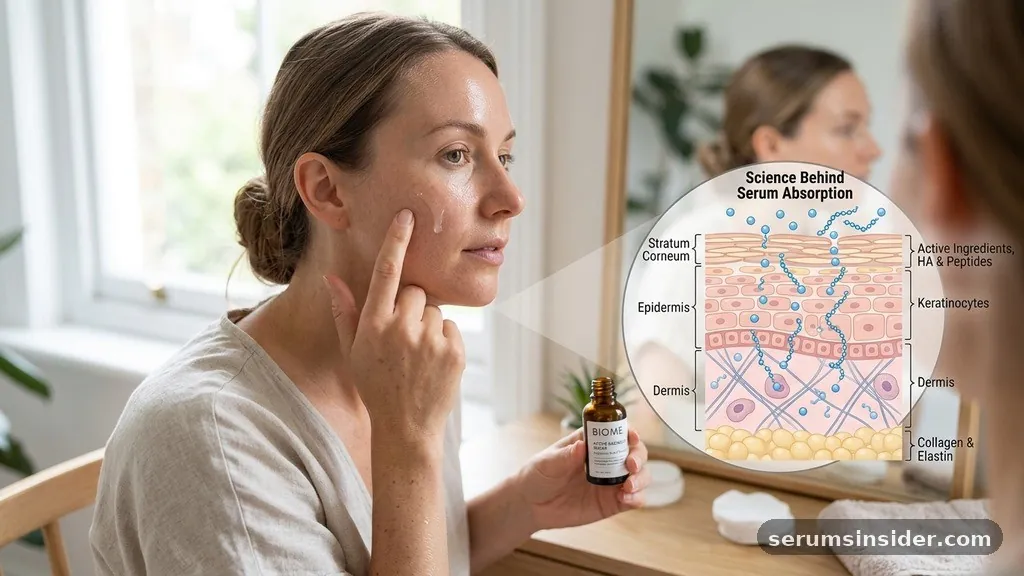
At its core, a skin serum is a concentrated treatment designed to deliver potent ingredients directly into the deeper layers of the epidermis. Unlike a standard moisturizer, which primarily focuses on creating a protective barrier to lock in moisture, a serum is formulated with a smaller molecular structure, allowing it to penetrate the surface of the face more effectively.
When you ask what does serum do, the answer lies in its ability to target specific skin concerns, such as hyperpigmentation, dehydration, or the visible signs aging, with clinical precision. By integrating these lightweight, high-potency liquids into your daily skincare regimen, you provide your complexion with the targeted support it needs to thrive.
The Science Behind Serum Absorption

The primary reason serums are so effective is their formulation chemistry. Most products in this category are water-based or lightweight oil-based emulsions, which lack the heavy occlusives—like petrolatum or mineral oil—found in thick creams.
Because they are not weighed down by these heavy emollients, the active ingredients can bypass the outermost layer of the skin more efficiently. This is particularly important when dealing with ingredients that need to reach the dermis to be truly effective, such as retinol for collagen synthesis or vitamin C for brightening.
When you apply a serum, you are essentially feeding your skin a concentrated dose of nutrients. Think of it as a nutritional supplement for your complexion. While a moisturizer acts as the “sealant” that prevents transepidermal water loss, the serum acts as the “active” that corrects imbalances.
Understanding this hierarchy is the key to a successful routine. If you were to apply a heavy cream before your serum, the larger molecules of the moisturizer would form a film over your pores, potentially blocking the smaller, more delicate serum molecules from sinking in. This is why experts consistently recommend applying serums on clean, slightly damp skin before moving on to heavier products.
Addressing Common Skin Concerns with Targeted Actives
Because serums are highly customizable, they can be swapped in and out depending on the state of your skin. If you are struggling with dryness, a hyaluronic acid serum acts as a humectant, drawing moisture from the atmosphere into the skin cells to provide deep hydration.
If your goal is to combat fine lines and wrinkles, a serum infused with peptides or retinol will work to stimulate cellular turnover and boost elastin production over time. The benefits of using these targeted treatments are cumulative; while you may see an immediate glow from a hydrating formula, the corrective results for texture and tone usually appear after several weeks of consistent use.
To help you navigate the various options available on the market, the following table summarizes how different active ingredients address common goals:
| Ingredient | Primary Benefit | Best For |
|---|---|---|
| Hyaluronic Acid | Deep Hydration | Dry or dehydrated skin |
| Vitamin C | Brightening/Antioxidant | Dullness and sun damage |
| Retinol | Anti-aging | Fine lines and texture |
| Niacinamide | Soothing/Oil Control | Redness and large pores |
The Role of Serums in a Nightly Regimen
Your night routine is the most critical time to utilize serums because the skin enters a natural repair phase while you sleep. During the day, your skin is in “defense mode,” focusing on protecting itself from UV rays, pollution, and blue light.
At night, however, the skin’s permeability increases, and blood flow to the surface rises, making it the perfect window to apply potent treatments that might be too sensitive for daytime sun exposure. For instance, many dermatologists recommend using retinol exclusively in the evening, as these compounds can break down when exposed to sunlight and may increase photosensitivity.
Additionally, using a serum at night allows for a more layered approach. Many people find they can tolerate stronger concentrations of actives during their evening regimen without the interference of makeup or environmental stressors. If you have sensitive skin, the evening is also the best time to introduce new products.
You can monitor how your skin reacts in a controlled environment while you rest. By morning, your skin will have had eight hours to absorb the nutrients, often resulting in a clearer, more refreshed appearance upon waking. This strategic timing ensures you maximize the benefits of every drop of your product.
Is a Serum Really Necessary?
A common question among those building their first skincare routine is whether a serum is truly a necessity or just a marketing trend. While it is possible to maintain healthy skin with just a cleanser and a moisturizer, serums bridge the gap between basic maintenance and active transformation.
If you have specific goals—such as fading dark spots, clearing acne scars, or preventing premature aging—a basic moisturizer alone will rarely provide the intensity required to see a noticeable change. Serums act as the “workhorse” of the facial care process.
For those who prefer a minimalist approach, you do not need five different serums. A single, high-quality antioxidant serum in the morning and a reparative or hydrating one at night can be sufficient. The key is consistency.
Using a product sporadically will not yield the same results as daily, methodical application. If you are overwhelmed by the options, it is often best to consult a professional or read resources from reputable organizations like the American Academy of Dermatology to understand which ingredients are backed by clinical evidence for your specific skin type. Ultimately, the goal is to choose a product that provides support for your skin’s natural barrier rather than stripping it away.
Navigating Ingredients for Sensitive Skin
One of the biggest hurdles when incorporating new serums is the potential for irritation, especially for those with sensitive skin. Because serums are highly concentrated, they can sometimes cause redness, stinging, or peeling if the active ingredients are too harsh or if the concentration is too high for your skin’s tolerance level.
When starting a new product, the “start low and go slow” rule is essential. Begin by using the serum every other night, or even twice a week, to see how your skin reacts before moving to daily usage.
It is also helpful to look for soothing additives in your serum formulations. Ingredients like centella asiatica, ceramides, or panthenol can help buffer the effects of stronger actives like acids or retinoids. If you notice persistent irritation, it may be a sign that the product is not good for your specific skin type or that you are over-exfoliating.
Always remember that the goal of your skincare regimen is to strengthen the skin barrier, not to disrupt it. If a serum causes discomfort that does not subside after a few minutes, it is best to discontinue use and re-evaluate your products.
- Patch Test: Always apply a small amount of product behind your ear or on your inner forearm to check for adverse reactions.
- Layering Order: Always apply serums from thinnest consistency to thickest consistency to ensure proper absorption.
- Damp Application: Applying products to slightly damp skin can increase the penetration of humectants like hyaluronic acid.
- Sun Protection: Many active serums (especially acids and retinols) make your skin more susceptible to sun damage, making daily SPF non-negotiable.
Topical Gaps and Common Misconceptions
A frequent gap in knowledge regarding what does serum do involves the misconception that serums can replace moisturizers. While some very oily skin types might find that a hydrating serum provides enough moisture during humid summer months, the vast majority of people need a moisturizer to seal the deal.
Serums are designed to deliver actives, but they are often not formulated to provide the lipid-rich barrier required to prevent moisture loss. Skipping the moisturizer after a serum can lead to a “tight” or dehydrated sensation, as the water-based serum evaporates from the surface of the skin, potentially taking some of your skin’s natural moisture with it.
Another area of confusion is the difference between face serums and other types of serums, such as those formulated for hair. While both are designed to deliver concentrated ingredients, the molecular weight and solvent bases are drastically different. A hair serum is often designed to coat the cuticle to provide shine and frizz control, whereas a facial serum is designed to penetrate the skin.
Using a hair serum on your face will likely clog your pores, and using a face serum on your hair will likely be ineffective and expensive. Always stick to products formulated for the specific area you are treating to ensure safety and efficacy.
FAQ
Can I use more than one serum at a time? Yes, you can layer serums, but it is best to limit yourself to two or three to avoid irritation. Always apply the lightest, water-based serum first, followed by thicker or oil-based formulas, allowing each to absorb for a minute before applying the next.
Do I really need a serum every single day? Consistency is the secret to seeing results. While missing a day won’t ruin your progress, serums are most effective when used as part of a daily habit. If you have sensitive skin, you might prefer using strong actives only every other day.
What is the difference between a serum and an essence? An essence is typically more watery and less concentrated than a serum, designed primarily to hydrate and prep the skin for subsequent layers. A serum is a more potent, targeted treatment formulated to address specific skin concerns with higher concentrations of active ingredients.
Can I apply serum around my eyes? It depends on the ingredients. If the serum contains potent actives like high-strength retinols or exfoliating acids, it may be too strong for the delicate eye area. Always check the product label; if it doesn’t specify it is eye-safe, it is safer to use a dedicated eye cream.
In summary, understanding what does serum do is a fundamental step toward achieving your skin goals. By selecting the right actives to address your unique needs and applying them in the correct order, you can significantly enhance the health and appearance of your complexion. Whether you are aiming to smooth wrinkles, boost hydration, or simply maintain a healthy glow, a well-chosen serum is an indispensable tool in any effective skincare regimen.