

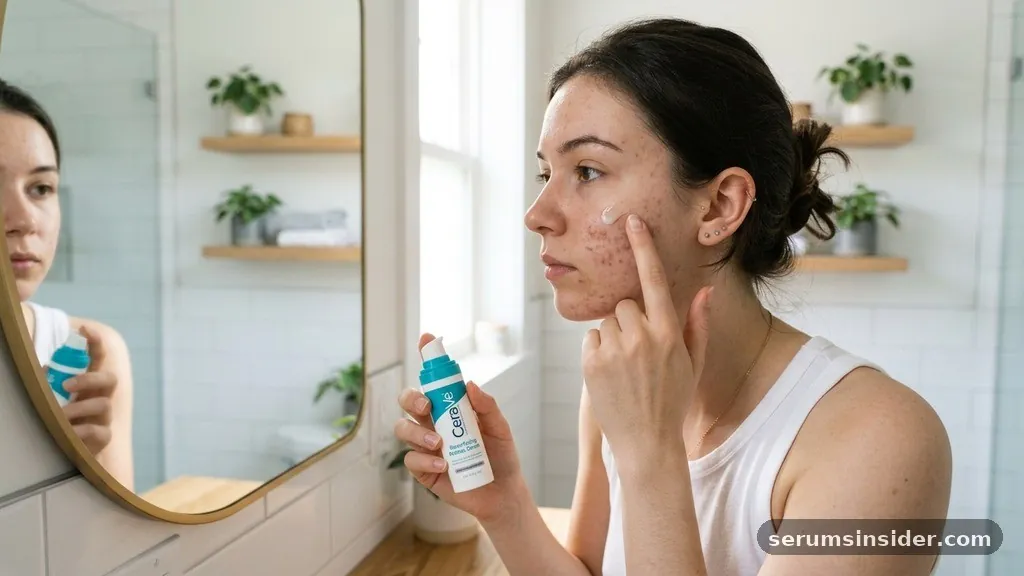
Incorporating a specialized treatment into your daily skincare routine can feel daunting, especially when dealing with active ingredients like retinol. Learning the correct CeraVe Resurfacing Retinol Serum how to use protocol is the most effective way to address concerns like uneven skin texture, enlarged pores, and post-acne marks.
Designed specifically for those with blemish-prone skin, this formula leverages the power of encapsulated retinol to provide a controlled release, minimizing the irritation often associated with traditional retinoids. By understanding the science behind the ingredients and following a consistent application schedule, you can significantly improve your skin’s clarity and overall resilience.
Understanding the Core Ingredients and Their Benefits
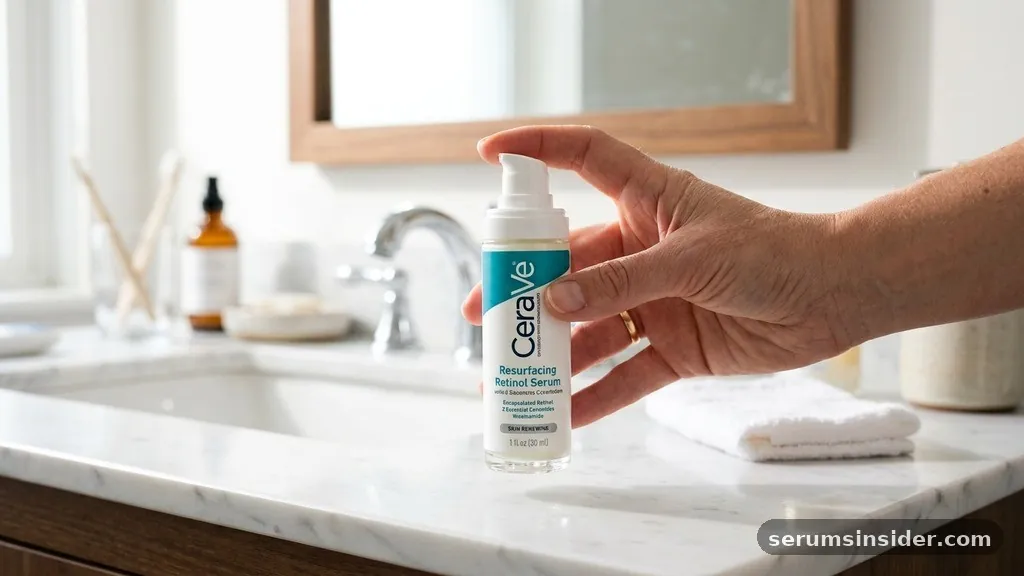
The CeraVe Resurfacing Retinol Serum functions by combining potent active ingredients with the brand’s signature skin-soothing technology. At its heart, the product utilizes encapsulated retinol, which is a gold standard for promoting cell turnover.
Unlike raw retinol, which can be unstable and harsh, the encapsulated form allows for a gradual delivery of the active ingredient into the surface layers of the skin. This technology helps to refine the appearance of pores and smooth out skin texture, making it an excellent choice for those looking to diminish the look of post-acne marks.
Beyond the retinol, the formula is bolstered by niacinamide, which is widely recognized for its ability to calm the skin and reduce the redness that can often accompany breakouts. Furthermore, the inclusion of three essential ceramides—ceramide NP, ceramide AP, and ceramide EOP—is crucial for maintaining a healthy skin barrier. These lipids are naturally found in the skin and are vital for holding skin cells together, effectively protecting the skin from environmental stressors.
Hyaluronic acid is also present to provide essential hydration, ensuring that while the retinol works to resurface the skin, the moisture balance remains intact. This blend of ingredients makes the product a comprehensive solution for those seeking a balance between efficacy and gentleness.
Step-by-Step Application Guide for Optimal Results
To achieve the best results, you must follow a specific sequence when applying this serum. Because retinol can increase sensitivity, it is essential to start slow. The general rule of thumb is to apply the serum at night, as UV exposure can degrade the efficacy of retinol and potentially cause irritation.
After cleansing your face thoroughly, use a mild cleanser that does not strip your natural oils. Pat your skin dry; applying retinol to damp skin can sometimes lead to increased penetration and, subsequently, higher chances of irritation.
Apply a small, pea-sized amount of the serum to your fingertips and gently smooth it over your face, avoiding the delicate eye area and lips. If you are new to retinoids, consider the “sandwich method,” where you apply a thin layer of a gentle facial moisturiser before and after your retinol serum. This creates a buffer that allows your skin to acclimate to the active ingredients without compromising the benefits.
Over time, as your skin builds tolerance, you can adjust the frequency of application. For more information on maintaining skin health, you can visit the American Academy of Dermatology for guidance on integrating retinoids into your skincare habits.
Building Tolerance and Managing Potential Side Effects
When learning the CeraVe Resurfacing Retinol Serum how to use strategy, patience is your greatest asset. Retinization—the period during which your skin adjusts to the increased cell turnover—can sometimes manifest as mild flaking, dryness, or temporary redness. This is a common response, not necessarily a sign that the product is failing.
The goal is to introduce the serum into your routine gradually, starting with two or three nights a week. If your skin shows no signs of irritation after a few weeks, you can slowly increase the frequency to every other night and eventually every night if your skin tolerates it well.
It is also important to note that the product is formulated without harsh, drying alcohol, which helps mitigate the risk of dehydration. However, if you notice significant discomfort, take a break for a few days and focus exclusively on hydration and barrier repair. Ensure that you are using a high-quality, broad-spectrum sunscreen every single morning.
Retinol thins the uppermost layer of the skin, making it significantly more susceptible to UV damage. Skipping SPF during the day while using a resurfacing treatment is counterproductive, as UV rays can worsen the appearance of post-acne marks and blemishes.
Comparing CeraVe Retinol Serums for Your Skin Needs
CeraVe offers different retinol-based products, and knowing which one to choose depends on your specific skin concerns. While the Resurfacing Retinol Serum is specifically targeted at post-acne marks and texture, other variations exist for anti-aging or general skin smoothing. The following table illustrates the primary focus areas for their popular retinol offerings.
| Product Name | Primary Target Concern | Key Differentiating Ingredient |
|---|---|---|
| Resurfacing Retinol Serum | Post-acne marks, texture, pores | Licorice Root Extract |
| Skin Renewing Retinol Serum | Fine lines, wrinkles, radiance | Hyaluronic Acid + Ceramides |
Each of these products serves a distinct purpose. The Resurfacing version is generally lighter in texture and contains ingredients specifically chosen to help calm blemish-prone skin. If you are struggling with breakouts, the Resurfacing Retinol Serum is usually the superior choice because it addresses both the surface texture issues and the aftermath of the acne itself.
Common Mistakes to Avoid During Your Retinol Journey
Many users become frustrated when they don’t see immediate results or experience irritation, often due to common application mistakes. One of the most frequent errors is applying too much product. Because this serum is highly concentrated, a little goes a long way.
Using a generous amount does not accelerate the results; instead, it simply increases the likelihood of irritation. Another mistake is layering too many active ingredients at once. Avoid using harsh exfoliants like AHAs (alpha hydroxy acids) or BHAs (beta hydroxy acids) in the same routine as your retinol, as this can severely compromise your skin barrier.
Keep your routine simple while you are in the adjustment phase. A basic routine should consist of a gentle cleanser, the retinol serum, a hydrating moisturiser, and SPF for the daytime. Avoid introducing new products simultaneously with your retinol.
If you experience a sudden breakout or irritation, it becomes impossible to identify the culprit if you have added three new products to your shelf in the same week. Stick to a consistent, minimalist routine for at least four to six weeks to allow your skin to stabilize and show the true benefits of the treatment.
Topical Gaps and Frequently Asked Questions
Addressing the gaps in common knowledge regarding this serum requires looking at how it interacts with other treatments. Many users wonder if they can use other acne-fighting ingredients like benzoyl peroxide or salicylic acid alongside this retinol.
While it is possible, it should be done with extreme caution. Often, it is better to use those ingredients in the morning and reserve your retinol for the evening.
Frequently Asked Questions
Can I use CeraVe Resurfacing Retinol Serum every day?
Most dermatologists recommend starting with two or three nights per week to allow your skin to build tolerance. Once your skin has successfully adjusted without signs of irritation like excessive peeling or redness, you can gradually increase to nightly use.
Is it better to use retinol serum in the morning or at night?
You should always use this retinol serum at night. Retinol is photosensitive, meaning sunlight can degrade its effectiveness. Additionally, it increases your skin’s sensitivity to UV radiation, making nightly application the safest and most effective practice for your skin.
What should you never mix with retinol?
Avoid mixing retinol with high-strength chemical exfoliants like AHAs (glycolic or lactic acid) or BHAs (salicylic acid) in the same application. Combining these can lead to compromised skin barriers, excessive dryness, and inflammation. Always space out these potent ingredients in your weekly schedule.
How long does it take for CeraVe Resurfacing Retinol Serum to work?
Skin turnover cycles typically last about 28 days. While you might notice subtle improvements in texture within a few weeks, significant changes in the appearance of post-acne marks and pore refinement usually become noticeable after consistent use over 8 to 12 weeks.
Conclusion
Mastering the CeraVe Resurfacing Retinol Serum how to use protocol is an investment in the long-term health and clarity of your complexion. By focusing on a gradual introduction, protecting your skin barrier with essential ceramides, and maintaining strict sun protection, you can effectively harness the power of encapsulated retinol. This product is a versatile tool for anyone looking to refine their skin texture and diminish the appearance of post-acne marks.
Remember that consistency is the key to success; by keeping your routine simple and listening to your skin’s needs, you will achieve the best possible results. Whether you are addressing stubborn blemishes or simply looking to smooth your complexion, this serum offers a gentle yet effective path toward healthier-looking skin.


