


Determining exactly when you should apply vitamin c serum is a foundational step in building an effective skincare routine. While many enthusiasts debate the timing, the consensus among experts is that consistency matters just as much as the specific time of day.
Because this potent antioxidant works primarily to defend your complexion against environmental stressors, understanding its relationship with your skin’s biological rhythms is essential for maximizing its efficacy. By integrating this active ingredient into your daily regimen at the optimal moment, you can significantly enhance your skin’s brightness, texture, and resilience.
The Case for Morning Application
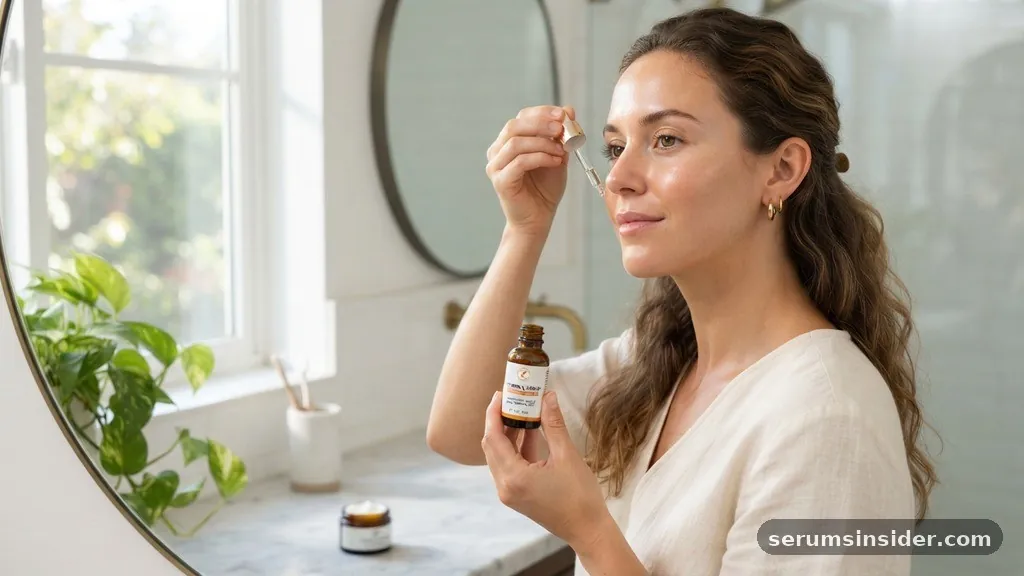
Most dermatologists suggest that the morning is the most logical time for using vitamin C. This is because the primary function of topical L-ascorbic acid—the most common and researched form of the vitamin—is to act as a shield against oxidative stress.
Throughout the day, your skin is bombarded by environmental aggressors such as UV radiation, pollution, and blue light, all of which generate free radicals that lead to premature aging. When you apply vitamin c serum in the morning, you are effectively layering an antioxidant defense system onto your skin before you step outside.
By neutralizing free radicals before they can damage your collagen and elastin, you are engaging in proactive skin care rather than reactive treatment. Many users find that applying it after cleansing but before their moisturizer and sunscreen allows the serum to absorb fully, providing a stable base for the rest of their products.
Furthermore, clinical evidence suggests that the synergy between a high-quality antioxidant serum and your daily sunscreen provides superior protection compared to using sunscreen alone. It essentially acts as a secondary layer of defense, ensuring that any UV rays that manage to penetrate your initial sunscreen barrier are met with a neutralized chemical environment, preventing the cascade of cellular damage that leads to dark spots and fine lines.
The Science of Daytime Protection
Understanding the chemical interaction between antioxidants and the skin helps clarify why timing is so crucial. The skin’s natural antioxidant stores are often depleted by the end of the day due to constant exposure to harsh external conditions.
By replenishing these stores during your morning routine, you are reinforcing the skin’s inherent ability to maintain homeostasis. A well-formulated vitamin serum acts as a reservoir of electrons that can safely donate themselves to unstable free radicals, effectively rendering them harmless before they cause lipid peroxidation or DNA degradation in your skin cells.
Beyond its protective role, vitamin C is also instrumental in brightening the complexion and promoting a more even skin tone. When used consistently during the day, it helps inhibit the enzyme tyrosinase, which is responsible for the production of melanin. This makes it an invaluable tool for those struggling with hyperpigmentation or acne scarring.
Because it is a water-soluble molecule, it penetrates the epidermis relatively quickly, meaning that even if you have a busy morning, you only need to wait a minute or two for it to sink in before moving to the next step of your regimen. This efficiency makes it a perfect addition for those who want high-impact results without adding significant time to their daily grooming habits.
Can You Apply Vitamin C Serum at Night?
While the morning is considered the ideal time for protection, applying your serum at night is not inherently wrong; it simply serves a different purpose. Some individuals find that their skin is sensitive to the acidic nature of high-concentration vitamin C, or they prefer to reserve their morning slots for other treatments.
If you choose to use it at night, you are shifting the focus from environmental defense to repair and rejuvenation. During sleep, your skin enters a recovery phase where cell turnover increases and the barrier function is reinforced.
Incorporating this ingredient into your evening routine can help support collagen synthesis, which is the process by which your body repairs structural proteins. However, it is important to note that you should be careful when layering it with other potent actives.
If you are using retinol or alpha hydroxy acids (AHAs) in your evening routine, applying a highly acidic vitamin C serum at the same time can cause irritation or render the products less effective due to pH imbalances. If you decide to use it at night, it is often best to pair it with a gentle, hydrating moisturizer that supports the skin barrier, ensuring that you wake up with a refreshed and radiant complexion without the risk of redness or inflammation.
Understanding the Proper Order of Application
The golden rule of layering products is to apply them from the thinnest consistency to the thickest. Since most vitamin C serums are water-based and have a thin, watery viscosity, they should almost always be applied after cleansing and toning but before heavier creams or oils. If you apply a thick moisturizer first, the serum may not be able to penetrate the skin barrier effectively, as the larger molecules of the moisturizer will sit on the surface and create an occlusive layer.
| Step | Product Type | Purpose |
|---|---|---|
| 1 | Cleanser | Removes dirt and debris |
| 2 | Toner | Balances pH levels |
| 3 | Vitamin C Serum | Antioxidant protection & brightening |
| 4 | Moisturizer | Locks in hydration |
| 5 | Sunscreen | Prevents UV damage |
Following this logical sequence ensures that your skin receives the maximum benefit from each product. Think of your skin as a sponge; it needs to be clean and slightly damp to absorb the active ingredients effectively.
By placing your serum in the third spot of your routine, you ensure that it makes direct contact with your skin, allowing the antioxidants to get to work immediately. Always remember that the final step in your morning routine must be sunscreen, as no amount of vitamin C can replace the necessity of broad-spectrum UV protection.
Addressing Potential Sensitivity and Compatibility
One of the most common questions regarding the use of this ingredient involves how it interacts with other popular skincare components like niacinamide or retinol. Historically, there was a belief that mixing vitamin C and niacinamide caused redness or neutralized the efficacy of both.
Modern formulations, however, are significantly more stable, and most people can use them together without issue. If you are new to high-potency ingredients, it is always a good idea to perform a patch test on your inner arm to see how your skin reacts before applying it to your face.
If you find that your skin is particularly sensitive, consider starting with a lower concentration—perhaps 5% to 10%—before graduating to the more common 15% or 20% formulations. You should also look for products that contain stabilizing agents like ferulic acid or vitamin E, which not only boost the antioxidant performance but also extend the shelf life of the product. Proper storage is also vital; vitamin C is notorious for oxidizing when exposed to light, heat, or air.
Keep your bottle in a cool, dark place, such as a drawer or a cabinet, rather than on a sunny windowsill, to ensure that the product remains active and effective until the very last drop. You can find more information about skin health and product safety through official resources like the American Academy of Dermatology, which provides extensive documentation on managing various skin concerns.
Common Mistakes to Avoid
Even with the best intentions, many people accidentally sabotage their results by mishandling their products. One of the most frequent errors is waiting too long to use a bottle once it has been opened. Because vitamin C is highly reactive, it will eventually turn a yellowish or brownish hue as it oxidizes.
While it isn’t necessarily dangerous to use an oxidized serum, it is significantly less effective, as the antioxidant properties have been compromised. If your serum has changed color significantly, it is time to replace it.
Another common mistake is skipping the sunscreen. Some people mistakenly believe that because they are using an antioxidant, their skin is “protected” enough to go without SPF. This is a dangerous misconception.
Vitamin C is a partner to sunscreen, not a replacement. Furthermore, neglecting to moisturize after your serum can lead to trans-epidermal water loss, which can make your skin feel tight or dry. Always follow up with a quality moisturizer that suits your skin type to seal in the hydration and keep your barrier healthy.
Finally, avoid applying the product to broken or irritated skin, as the low pH of the serum can cause a stinging sensation. Let your skin heal first before reintroducing active treatments.
Frequently Asked Questions
- Should I apply vitamin C serum before or after moisturizer? You should always apply it before your moisturizer. As a general rule, you want to apply your products from the thinnest to the thickest consistency to ensure the serum can fully penetrate the skin without being blocked by heavier creams or oils.
- Can I use vitamin C every single day? Yes, most skin types can tolerate daily use of vitamin C. In fact, consistent daily application is the best way to see visible improvements in brightness and texture. If you experience irritation, try using it every other day until your skin builds up a tolerance.
- Does vitamin C replace the need for sunscreen? Absolutely not. Vitamin C provides an extra layer of protection against free radical damage, but it does not block UV rays like physical or chemical sunscreens. You must wear broad-spectrum SPF every day to prevent sun damage and premature signs of aging.
- How do I know if my vitamin C serum has gone bad? If your serum changes from a clear or light straw color to a dark amber or brown, it has likely oxidized and lost its potency. Exposure to air, light, and heat accelerates this process, so keep your bottle tightly sealed in a cool, dark location.
In conclusion, knowing when to apply your serum is about aligning your skincare habits with the biological needs of your skin. Whether you choose to use it as a morning shield or a nighttime treatment, the key to success lies in consistent use and proper layering.
By respecting the order of application, maintaining the stability of your product, and prioritizing sun protection, you can leverage this powerful antioxidant to achieve a healthier, more radiant complexion. Embrace the process, listen to your skin’s unique needs, and enjoy the long-term benefits of a well-informed routine.


