

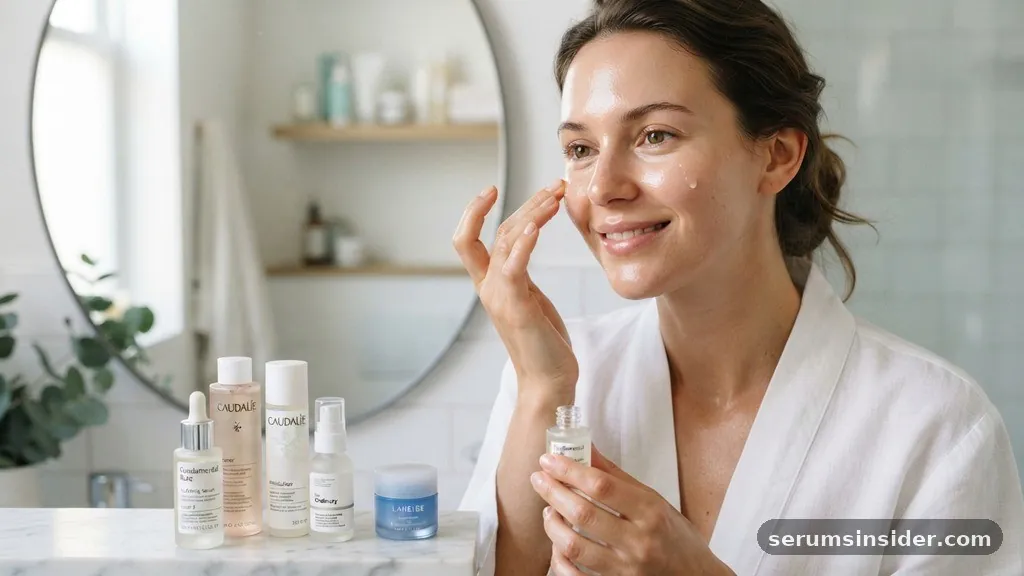
Achieving your healthiest complexion often comes down to the precise sequence of your daily routine. Many people wonder exactly when to apply serum because these potent, concentrated formulas represent a significant investment in both time and money. Because serums contain high concentrations of active ingredients like vitamin C, retinol, or hyaluronic acid, they are designed to penetrate deeper than standard creams.
If you apply them out of order, you effectively block their delivery system, rendering the formula far less effective. To master the art of layering, you must follow the rule of applying products from the thinnest, most lightweight consistency to the thickest, most occlusive texture.
The Fundamental Rule of Skincare Layering
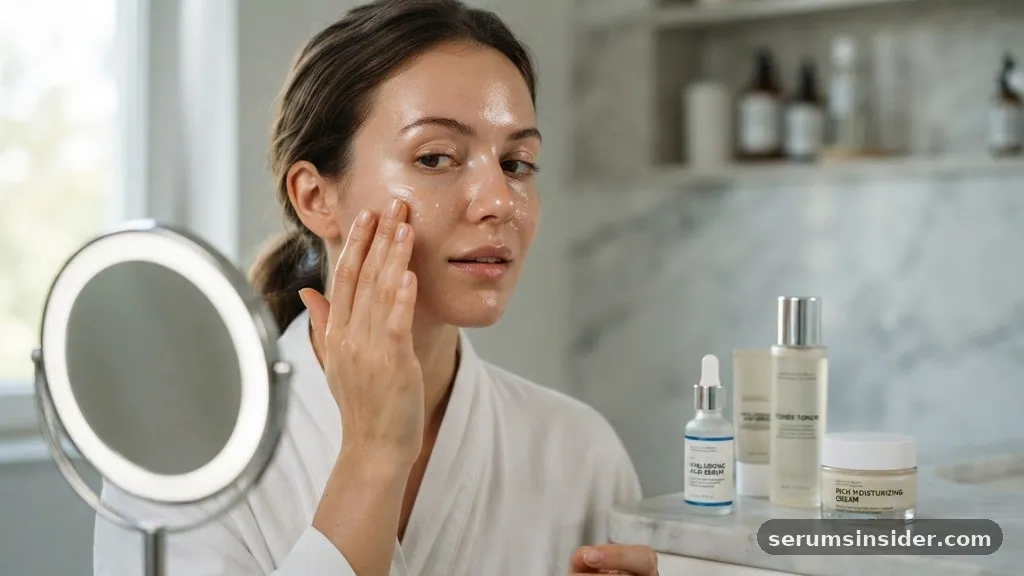
The most important takeaway regarding when to apply serum is to prioritize product density. Think of your skin as a sponge; it can only absorb a certain amount of liquid before it reaches capacity.
If you start your routine with a heavy, oil-based moisturizer or a rich cream, you create a physical barrier on the surface of your skin. When you attempt to apply a water-based serum afterward, it simply sits on top of that barrier, unable to reach the deeper layers of the epidermis where its active ingredients are meant to function.
By applying your serum immediately after cleansing and toning, you ensure that the active molecules have direct contact with your skin cells. Cleansing removes the debris and excess oil that would otherwise hinder absorption, and toning balances the pH of your skin to prepare it for the next step. Once your face is slightly damp—but not dripping wet—the serum can glide on smoothly and sink in rapidly.
This practice is essential for getting the most out of expensive, high-quality products. If you consistently apply your serum as one of the first steps, you allow the specialized ingredients to work on your specific concerns, whether that involves brightening, hydrating, or targeting fine lines.
Timing Your Serum Application for Day and Night
Determining when to apply serum also depends on the time of day and the specific goals of your routine. During the day, your focus should be on protection and prevention. You want to shield your skin from environmental stressors like ultraviolet radiation, pollution, and free radicals.
A vitamin C serum is the gold standard for daytime use because it pairs exceptionally well with sunscreen to boost its effectiveness. When you apply your serum in the morning, you should let it absorb for at least 60 seconds before moving on to your moisturizer and SPF.
At night, your skin enters a state of repair and regeneration. This is the optimal time to introduce more potent or photosensitive ingredients that might be too harsh for daylight hours. Retinol, peptides, or exfoliating acid serums are ideal for nighttime application.
Because these ingredients work to accelerate cell turnover, they are most effective when your skin is not being bombarded by sunlight. You can follow your night serum with a thicker, more occlusive night cream that locks in the moisture and creates a protective seal while you sleep. This nighttime rhythm helps your skin recover from the day’s environmental exposure, maximizing the benefits of your chosen products.
The Critical Role of Product Consistency
Understanding the texture of your products is the most reliable way to remember the sequence of application. Serums are typically formulated with a thin, water-like or gel-like base, which allows them to deliver high concentrations of actives quickly.
Moisturizers, on the other hand, contain emollients and lipids that are designed to sit on the skin to prevent transepidermal water loss. If you reverse this order, the larger molecules in the moisturizer will physically obstruct the smaller molecules in the serum.
| Product Type | Application Order | Primary Purpose |
|---|---|---|
| Cleanser | 1 | Remove impurities and debris |
| Toner | 2 | Balance pH and prep skin |
| Serum | 3 | Deliver targeted active ingredients |
| Moisturizer | 4 | Hydrate and lock in nutrients |
| Sunscreen | 5 | Protect against UV damage |
This hierarchy is not merely a suggestion; it is based on the chemical formulation of skincare technology. Following this chart will ensure that every product you use has the best possible chance of delivering the results promised on the label. Even if you are using multiple serums, the same rule applies: apply the thinnest one first, then layer the next lightest one on top.
If you have any doubts, check the viscosity of the bottle contents. The more liquid-like the product, the earlier it belongs in your sequence.
Common Mistakes and How to Avoid Them
One of the most frequent errors people make is rushing the application process. Many individuals apply their serum and immediately slap on a moisturizer, which can cause the two products to pill or ball up on the skin. Pilling happens when the ingredients aren’t allowed to sink in, leading to a textured, messy finish that ruins your makeup application.
To prevent this, wait until your skin feels dry to the touch before applying the next layer. This patience is a hallmark of a professional-grade skincare routine.
Another common mistake is using too much product. Because serums are highly concentrated, a little goes a long way. You only need a few drops to cover your face and neck.
Applying an excessive amount doesn’t make the product work faster; it only increases the likelihood that the product will not absorb properly. Furthermore, neglecting the neck area is a missed opportunity. The skin on your neck is just as delicate as the skin on your face and is often the first place to show signs of aging.
Always extend your skincare routine down to your neck and even your décolletage to maintain a consistent appearance. You can find more details on skin health standards from the American Academy of Dermatology to ensure your habits align with clinical recommendations.
Addressing Topical Gaps: Serum Compatibility
A frequent point of confusion involves whether you can combine multiple serums in one session. The short answer is yes, but you must be careful with ingredient interactions. For example, applying a high-strength vitamin C serum at the same time as a retinol serum can cause severe irritation and may even neutralize the benefits of both.
To avoid this, it is best to use your vitamin C in the morning and your retinol at night. If you must use multiple serums, look for complementary ingredients, such as pairing a hydrating hyaluronic acid serum with a niacinamide serum.
When layering, consider the pH levels of your products. Some ingredients require a specific acidic environment to work correctly, while others are more effective at a neutral pH. If you are a beginner, start with just one serum and observe how your skin reacts over a period of two to four weeks.
Once your skin has adjusted, you can gradually introduce a second product. Remember that the goal of your routine is to provide solutions for your specific concerns, not to use as many products as possible. Overloading your skin can lead to a compromised barrier, which manifests as redness, flaking, or increased sensitivity.
Building a Routine That Works for You
Ultimately, the best routine is one that you can stick to consistently. If you have a ten-step process that you only perform twice a week, you will see fewer results than if you perform a simple three-step process every single day. Consistency is the secret ingredient to long-term skin health.
When you know when to apply serum correctly, it becomes an effortless, automatic part of your day. Start by identifying your primary skin concern—whether it is hyperpigmentation, dryness, or loss of elasticity—and choose a serum that specifically addresses that issue.
- Cleanse your face thoroughly to remove oil and surface debris.
- Apply a toner if your routine includes one to balance your skin’s pH.
- Dispense 3–4 drops of serum into your palms and press gently into the face and neck.
- Wait at least 60 seconds for the product to fully absorb into the skin.
- Follow up with a moisturizer to seal in the hydration and active ingredients.
- Finish with sunscreen during the day to protect your skin from UV rays.
By following these guidelines, you eliminate the guesswork and ensure that every drop of your skincare product is working to improve your complexion. Whether you are using a basic hydrating formula or a complex anti-aging treatment, the principles of layering remain the same. Respect the chemistry of your products, give them the time they need to absorb, and you will see a noticeable improvement in the texture and appearance of your skin over time.
Frequently Asked Questions
Do I really need to wait between applying serum and moisturizer?
Yes, waiting allows the serum to penetrate the skin barrier effectively. If you apply moisturizer too quickly, the thicker emollients can prevent the serum’s active ingredients from absorbing, leading to product pilling and reduced effectiveness. A minute is usually enough time for the skin to feel dry.
Can I apply serum around my eyes?
It depends on the formula. Some serums are specifically designed for the delicate eye area, while others contain potent actives that may cause irritation. Always check the packaging instructions. If the serum is not labeled for ocular use, it is safer to stick to a dedicated eye cream.
What happens if I apply my serum in the wrong order?
If you apply a serum after a thick moisturizer, it will likely sit on the surface of your skin rather than absorbing. You will essentially be wasting the product, as the active ingredients won’t be able to reach the deeper layers of the epidermis to perform their intended function.
Is it better to use one serum or several at once?
Using one high-quality serum that targets your primary concern is usually better than layering several products, which can lead to irritation. If you choose to layer, ensure the ingredients are compatible, such as pairing hyaluronic acid with niacinamide, and always apply the thinnest consistency first.
In summary, the key to a successful skincare routine lies in the order of application. By focusing on consistency and allowing your products time to absorb, you maximize the benefits of your skincare investment. Focus on your specific needs, be patient with your application, and maintain your routine daily to achieve lasting results.