Determining what is the best hyaluronic acid serum for your specific complexion involves understanding the science of humectants and how they interact with your skin’s unique moisture barrier. While the market is flooded with countless skincare options, not all formulations are created equal.
A high-quality hydrating serum does more than just sit on the surface; it draws environmental moisture into the epidermis, providing a plump, dewy appearance that effectively minimizes the visibility of fine lines. Finding the right product requires looking past marketing jargon to focus on molecular weight, ingredient purity, and the overall formulation strategy that supports long-term skin health.
The Science Behind Molecular Weight and Hydration
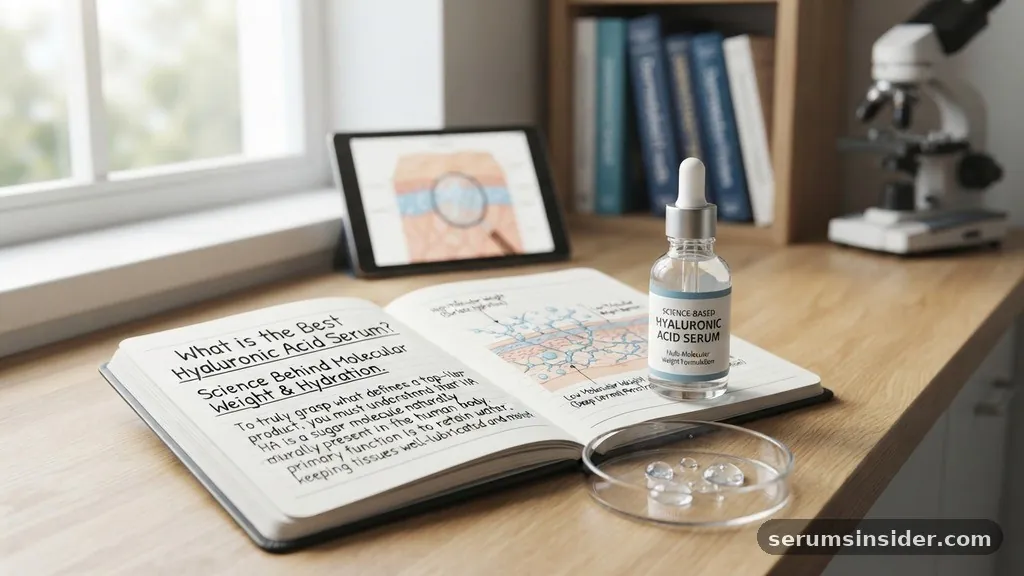
To truly grasp what defines a top-tier product, you must understand that hyaluronic acid is a sugar molecule naturally present in the human body. Its primary function is to retain water, keeping tissues well-lubricated and moist.
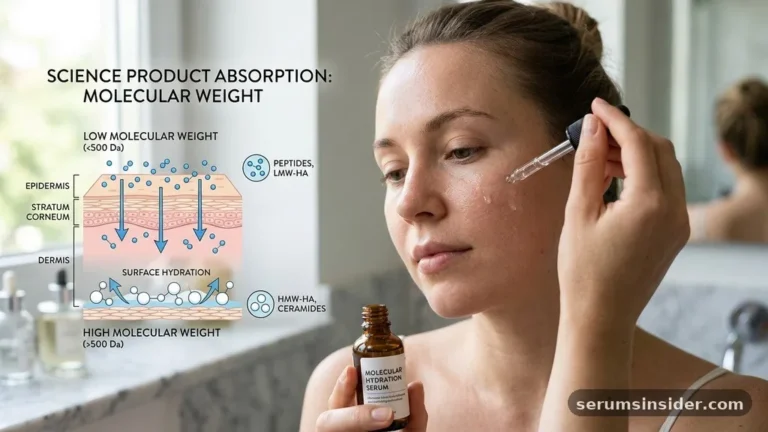
However, in the context of a serum face application, the molecular size is the most critical variable. High-molecular-weight HA creates a breathable film on the surface, preventing transepidermal water loss, while low-molecular-weight versions can penetrate deeper into the skin layers to provide more lasting, structural hydration.
The most effective serums often utilize a multi-molecular approach. By blending various weights, the product provides immediate surface-level smoothing while simultaneously working on deeper hydration. When you purchase a serum, look for labels that specify a range of molecular sizes.
Many dermatologists emphasize that a single-weight formula may feel pleasant upon initial application but often lacks the depth required for long-term improvement in skin elasticity. Furthermore, because HA is a humectant, it needs a damp environment to function.
If you live in an arid climate, applying these products to a bone-dry face can actually pull moisture out of your skin. Always apply your chosen face serum to slightly damp skin to maximize its efficacy.
Key Ingredients That Complement Hyaluronic Acid
While pure hyaluronic acid is excellent on its own, the best formulations usually incorporate secondary active ingredients that amplify its benefits. A well-rounded skin care routine relies on synergy.
For instance, pairing HA with vitamin B5 (panthenol) is a gold standard in the industry, as B5 helps repair the skin barrier, making the hydration provided by the HA more stable and long-lasting. Other beneficial additions include ceramides, which lock in the moisture that the HA has attracted, and peptides, which assist in collagen production to combat sagging and deep wrinkles.
You should also be cautious of what is absent from the bottle. Many high-performing products are fragrance-free and devoid of drying alcohols, which can counteract the hydrating benefits of the acid. If you have sensitive skin, the ingredient list should be as short as possible to reduce the risk of irritation.
A board-certified dermatologist will often recommend avoiding essential oils or heavy synthetic dyes in these serums, as they serve no functional purpose for hydration and can trigger inflammatory responses in reactive complexions. When evaluating a potential purchase, cross-reference the ingredient list against known irritants to ensure the product remains a gentle, effective staple in your daily ritual.
Comparing Formulation Types and Textures
Not all serums feel the same on the skin. Some are watery and thin, designed to be layered under heavier moisturizer or cream, while others have a thicker, gel-like consistency that feels almost like a standalone treatment. The “best” texture is entirely subjective and dependent on your skin type.
Those with oily or acne-prone skin often prefer a thinner, fast-absorbing formula that doesn’t leave a tacky residue. Conversely, individuals with mature or dry skin may find that a slightly more viscous, cushiony serum provides the comfort and protection they crave throughout the day.
| Feature | Watery Serum | Gel-Based Serum |
|---|---|---|
| Absorption Speed | Instant | Moderate |
| Layering Capability | Excellent | Good |
| Skin Feel | Invisible | Plumping/Cushiony |
| Best For | Oily/Combination | Dry/Mature |
When assessing Amazon listings or department store shelves, pay attention to the percentage hyaluronic acid claimed. While a higher percentage sounds better, HA is so potent that it only requires a concentration of 1% to 2% to be effective.
Anything higher often results in a sticky, unpleasant texture that pills under makeup. The focus should be on the delivery system and the quality of the raw material rather than the concentration percentage alone.
Addressing Topical Gaps: Why Some Serums Fail
A common frustration among consumers is the feeling that their serum isn’t “working.” This usually points to one of three issues: improper application, poor formulation, or a lack of occlusives. HA is not an occlusive; it is a humectant.
If you apply a best hyaluronic acid serum and leave it exposed to dry air without sealing it with a moisturizer, the water the serum pulled into your skin will evaporate, potentially leaving you more dehydrated than before. This is a critical gap in many people’s understanding of how to use these products correctly.
Another gap involves the “medical grade” label. There is no official regulatory definition for “medical grade” in the business of skincare. While these products are often sold through professional offices, they are not necessarily superior to high-end drugstore options.
The key is to look for clinical studies or transparent sourcing of ingredients. If a brand cannot explain where their HA is derived from—be it bacterial fermentation or animal sources (though most modern, high-quality serums are vegan-friendly)—it may be wise to look elsewhere. You can learn more about the importance of skin barrier health through the American Academy of Dermatology, which provides evidence-based guidance on maintaining moisture levels.
Special Considerations for Mature and Sensitive Skin
When addressing the needs of mature skin, the goal shifts from simple hydration to structural support and luminosity. As we age, our natural production of HA decreases, leading to a loss of volume and the deepening of fine lines.
The best serum for this demographic often includes supporting actives like niacinamide or antioxidants that protect against oxidative stress. These ingredients work in tandem with the HA to improve skin texture and tone over time.
For those with sensitive skin, the challenge is finding a formula that is potent enough to hydrate but mild enough to avoid triggering a flare-up. Testers with rosacea or eczema should look for products that emphasize “hypoallergenic” and “dermatologist-tested” labels. It is also wise to perform a patch test on the inner forearm before applying any new acid serum to your face.
Because HA is generally well-tolerated, reactions are usually caused by the preservatives or stabilizers in the formula rather than the HA itself. By prioritizing simple, clean formulas, you can achieve the plump, hydrated look you desire without compromising your skin’s delicate balance.
Establishing a Routine for Maximum Results
Consistency is the secret to seeing actual changes in your skin’s appearance. Integrating a hydrating serum into your daily routine is a simple two-step process: cleanse, then apply while damp. Many people make the mistake of letting their skin dry completely after washing, which defeats the purpose of the serum.
The HA needs a reservoir of water to draw from. Once applied, follow up immediately with a moisturizer to trap that hydration in the skin. This “sandwich” method is widely considered the most effective way to leverage the properties of HA.
Furthermore, don’t ignore the delicate eye area. While some serums are too potent for the thin skin around the eyes, many high-quality HA formulas are gentle enough for orbital application. If your serum is specifically formulated for the face, check the label; if it doesn’t mention the eyes, it is safer to use a dedicated product.
By building a cohesive routine—cleansing, treating with HA, and sealing with a moisturizer—you create an environment where your skin can thrive. Remember that it’s the cumulative effect of these daily habits, rather than the use of a single “miracle” product, that will yield the best results for your complexion over the long term.
Frequently Asked Questions
How often should I use a hyaluronic acid serum?
For optimal results, you should use your hyaluronic acid serum twice daily, once in the morning and once at night. Always apply it to damp skin immediately after cleansing to ensure the molecule has enough surface water to pull into the deeper layers of your epidermis.
Can I mix hyaluronic acid with other active ingredients?
Yes, hyaluronic acid is highly compatible with most skincare actives, including vitamin C, niacinamide, and retinol. Because it is a gentle humectant, it often helps buffer the potential irritation caused by stronger actives like retinoids, making it an excellent addition to almost any existing treatment regimen.
Does higher concentration mean the serum is better?
Not necessarily. A concentration of 1% to 2% is considered the “sweet spot” for hyaluronic acid. Higher concentrations often result in a sticky, tacky texture that does not absorb well and can even cause the product to pill under makeup or other skincare layers.
Why does my skin feel tighter after using hyaluronic acid?
If your skin feels tight or dry after application, you are likely applying it to dry skin in a low-humidity environment. Without external moisture to draw upon, the HA can pull water from your deeper skin layers, leading to dehydration. Always apply to damp skin and follow with a moisturizer.
In conclusion, finding the best hyaluronic acid serum is less about choosing the most expensive brand and more about selecting a formula that respects your skin’s specific needs. By focusing on molecular weight, avoiding unnecessary irritants, and mastering the application technique of using it on damp skin, you can significantly improve your skin’s hydration levels and overall health. Whether you are addressing signs of aging or simply seeking a more radiant complexion, a well-chosen serum is a foundational tool in any effective skin care strategy.