An antioxidant serum is a concentrated skincare treatment specifically formulated to deliver potent active ingredients that neutralize unstable molecules known as free radicals. In the realm of dermatology and modern skincare, these serums serve as a primary line of defense against the daily wear and tear our complexion faces. By incorporating high-performance molecules into a lightweight, fast-absorbing vehicle, these products ensure that beneficial compounds penetrate the outer layers of the epidermis effectively.
When you apply this type of serum, you are essentially providing your skin with a shield that mitigates the oxidative stress caused by ultraviolet light, pollution, and other environmental stressors. Over time, consistent use helps to preserve the structural integrity of the skin, leading to a healthier, more resilient appearance.
The Mechanism of Action: Neutralizing Free Radicals
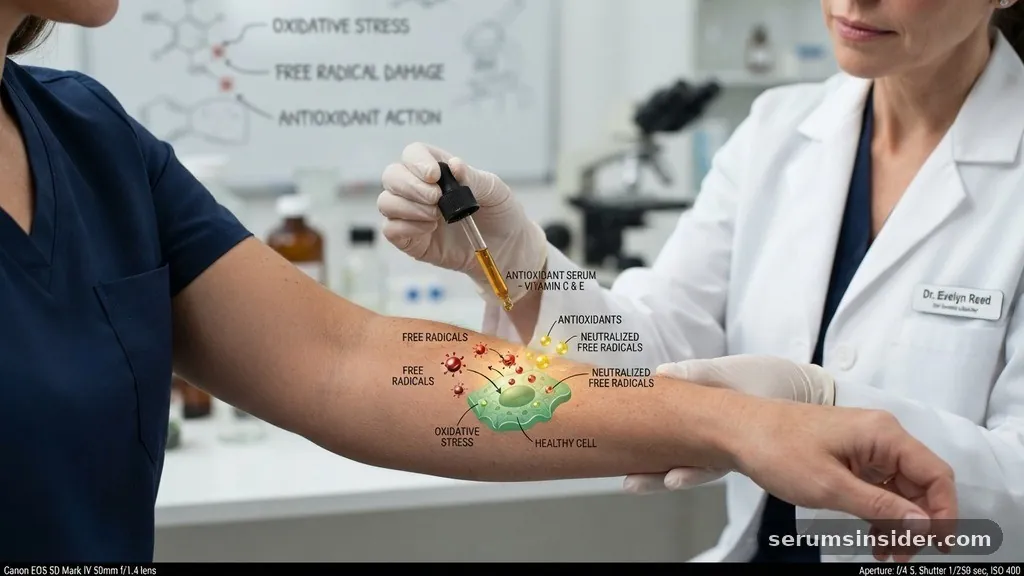
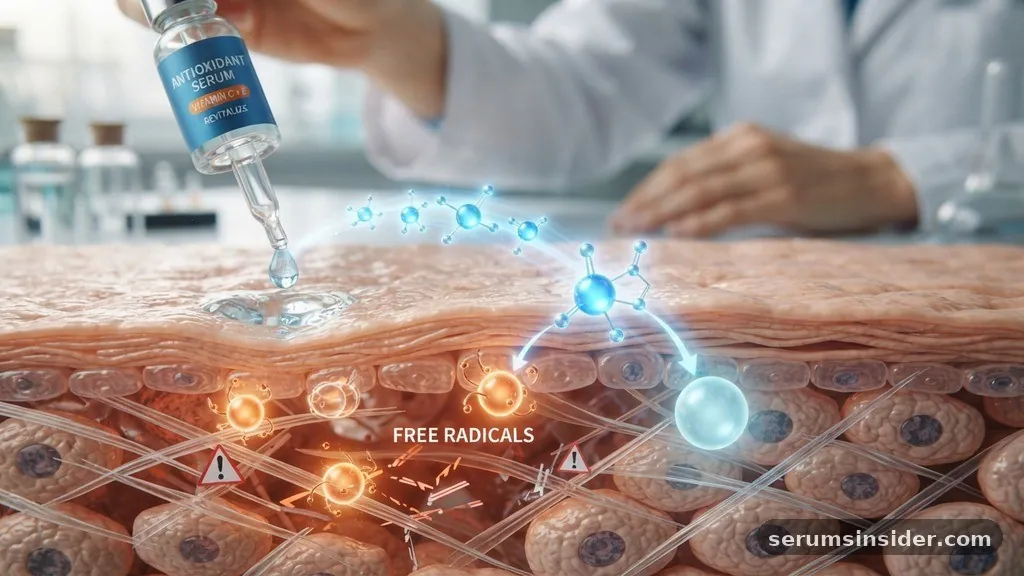
To understand what is an antioxidant serum, one must first grasp the concept of oxidative stress. Our skin is constantly exposed to external factors that trigger the production of free radicals—unstable atoms with an unpaired electron.
These molecules seek to stabilize themselves by “stealing” an electron from healthy skin cells, a process that damages cellular DNA, lipids, and proteins. This cumulative damage is a primary driver of premature aging, contributing to the breakdown of collagen and elastin.
Antioxidants act as “electron donors.” When you apply a serum rich in these compounds, they safely sacrifice an electron to the free radical without becoming unstable themselves. This neutralizing action effectively stops the chain reaction of cellular damage before it manifests as visible skin concerns.
Think of it as an insurance policy for your face; while you cannot entirely avoid the sun or urban pollution, using a scientifically formulated serum provides the necessary reinforcement to maintain long-term skin health. This is why many dermatologists insist that an antioxidant product is just as vital as daily sunscreen application.
Key Ingredients Found in High-Performance Serums
The efficacy of these products relies heavily on the quality and stability of their ingredients. Not all antioxidants are created equal, and many manufacturers blend several types to create a synergistic effect that addresses multiple skin concerns simultaneously. Understanding the common components can help you identify a high-quality formula suited for your specific needs.
- Vitamin C (L-Ascorbic Acid): The gold standard for brightening and collagen production. It is highly effective at fading dark spots and evening out overall skin tone.
- Ferulic Acid: Often paired with Vitamin C, it acts as a stabilizer, ensuring the other ingredients remain potent while also boosting their photoprotective capabilities.
- Vitamin E (Tocopherol): A fat-soluble antioxidant that works deep within the skin barrier to provide intense hydration and calm inflammation.
- Resveratrol: Derived from grapes, this ingredient is prized for its ability to soothe redness and improve the skin’s natural barrier function.
- Niacinamide (Vitamin B3): While primarily known for barrier support, it acts as an antioxidant that helps reduce the appearance of fine lines and enlarged pores.
When looking for the best products, check the label for these specific compounds. The combination of Vitamin C, E, and ferulic acid is particularly well-researched for its ability to provide superior protection against UV-induced damage compared to single-ingredient solutions.
Benefits for Long-Term Skin Health
The benefits of incorporating this step into your morning routine are both immediate and cumulative. While you might notice an instant boost in luminosity upon application, the real power lies in what happens beneath the surface over weeks and months. By preventing the breakdown of collagen, these serums help maintain skin firmness, effectively delaying the formation of wrinkles and deep creases.
Furthermore, these serums are excellent for correcting existing damage. If you struggle with uneven skin tone or lingering post-acne marks, the right antioxidant blend can accelerate the fading process. By promoting a more uniform complexion, they help your skin look clearer and more vibrant.
Because they also help the skin retain its natural moisture levels, you will often find that your face feels less tight and more supple throughout the day. It is a proactive approach to skincare that addresses the root causes of dullness rather than just masking them with makeup or heavy occlusives.
Integrating Serums Into Your Daily Regimen
Timing is everything when it comes to maximizing the effectiveness of your skincare. Most experts agree that the ideal time to apply an antioxidant serum is in the morning, immediately after cleansing and toning, but before applying your moisturizer and sunscreen. This sequence allows the active ingredients to absorb fully into the skin, creating a barrier that protects you throughout the day.
If you are also using a retinol product, it is standard practice to keep that in your evening routine. Retinol can be sensitive to light and air, and it works best while you sleep to encourage cellular turnover.
Meanwhile, your antioxidant serum acts as the “day shift” worker, fighting off the environmental damage you encounter during daylight hours. This separation prevents potential irritation that might occur if you layered too many potent actives at once.
| Ingredient | Primary Benefit | Best For |
|---|---|---|
| Vitamin C | Radiance & Brightening | Dull skin, dark spots |
| Vitamin E | Deep Hydration | Dry or sensitive skin |
| Ferulic Acid | Stabilization & Protection | All skin types |
| Resveratrol | Soothing & Anti-aging | Redness-prone skin |
Addressing Common Topical Gaps
A common point of confusion for consumers is the difference between “antioxidant” and “anti-aging” labels. In reality, these categories overlap significantly. Many people ask if they should choose one over the other.
The answer is that an antioxidant serum is an anti-aging product. By preventing damage, you are essentially preventing the aging process from accelerating.
Another frequent question concerns the shelf life of these products. Because many antioxidants, particularly Vitamin C, are unstable, they can oxidize when exposed to air or light. You can often tell if a product has gone bad if it changes color—typically turning from clear or light yellow to a dark orange or brown.
To preserve the integrity of your purchase, store your bottle in a cool, dark place, and always ensure the cap is tightly sealed. Following the guidelines from the American Academy of Dermatology can ensure you are using your products safely and effectively. Investing in opaque, air-tight packaging is a simple way to extend the lifespan of your serum.
Selecting the Right Product for Your Skin Type
Choosing the right serum can feel overwhelming given the sheer volume of products on the market. If you have oily or acne-prone skin, look for serums that are oil-free and labeled as “non-comedogenic.”
These formulas are designed to absorb instantly without leaving a sticky or greasy residue that might clog pores. Those with dry or sensitive skin should look for formulas that include soothing agents like hyaluronic acid, glycerin, or ceramides to counteract any potential stinging that high-concentration vitamins might cause.
Always perform a patch test when trying a new serum, especially if you have a history of reactive skin. Apply a small amount to your inner forearm and wait 24 hours to ensure there is no redness or irritation. Once you have confirmed compatibility, start by using the serum every other day to build up your skin’s tolerance.
As your skin adjusts, you can move toward daily application. Remember, the goal is consistency rather than intensity.
A small amount of serum applied every morning is significantly more effective than a large amount applied sporadically. Over time, you will notice a distinct improvement in the radiance and overall health of your complexion.
Frequently Asked Questions
Do I really need an antioxidant serum if I wear sunscreen?
Yes, they are complementary. Sunscreen blocks UV rays, but it cannot stop the free radicals that are generated from pollution, infrared light, and blue light. An antioxidant serum neutralizes the free radicals that manage to bypass your sunscreen, providing a comprehensive layer of protection for your skin.
Can I use an antioxidant serum at night?
While morning is preferred for its protective benefits against daytime stressors, there is no harm in using it at night. Some people prefer to use a separate, more nourishing antioxidant blend in the evening to support the skin’s natural repair process during sleep, alongside other actives like retinol.
How long does it take to see results?
Skincare is a long-term game. While you might notice an immediate glow or improved texture within a few days, significant changes like the fading of dark spots or a reduction in fine lines typically require at least eight to twelve weeks of consistent, daily application.
Are expensive antioxidant serums better than drugstore options?
Not necessarily. The price of a serum often reflects the brand’s marketing and the stability of the formulation technology. Look for reputable brands that provide clear ingredient lists and use stable, air-tight packaging, regardless of the price point. Efficacy depends on the concentration and quality of the specific antioxidant.
In summary, an antioxidant serum is an essential tool for anyone looking to maintain a youthful, healthy complexion. By neutralizing harmful free radicals, these products help you protect your skin against the inevitable damage of daily life.
Whether you are aiming to brighten your tone, smooth out fine lines, or simply keep your skin barrier resilient, integrating a high-quality serum into your morning routine offers one of the most effective ways to invest in your long-term aesthetic health. Through careful selection of ingredients and consistent application, you can significantly improve the look and feel of your skin for years to come.