
Achieving salon-quality shine and manageability often comes down to the finer details of your grooming routine. Many people purchase high-quality hair care products but fail to see the expected results because they misunderstand the fundamental principles of application. Learning how to use hair serum effectively is the difference between having sleek, healthy-looking locks and dealing with greasy, weighed-down strands.
Whether you are aiming to tame unruly frizz, add a protective layer before heat styling, or nourish your hair after a wash, mastering the technique is essential for your overall beauty regimen. This guide explores the science, the steps, and the best practices to ensure your hair care products work exactly as intended.
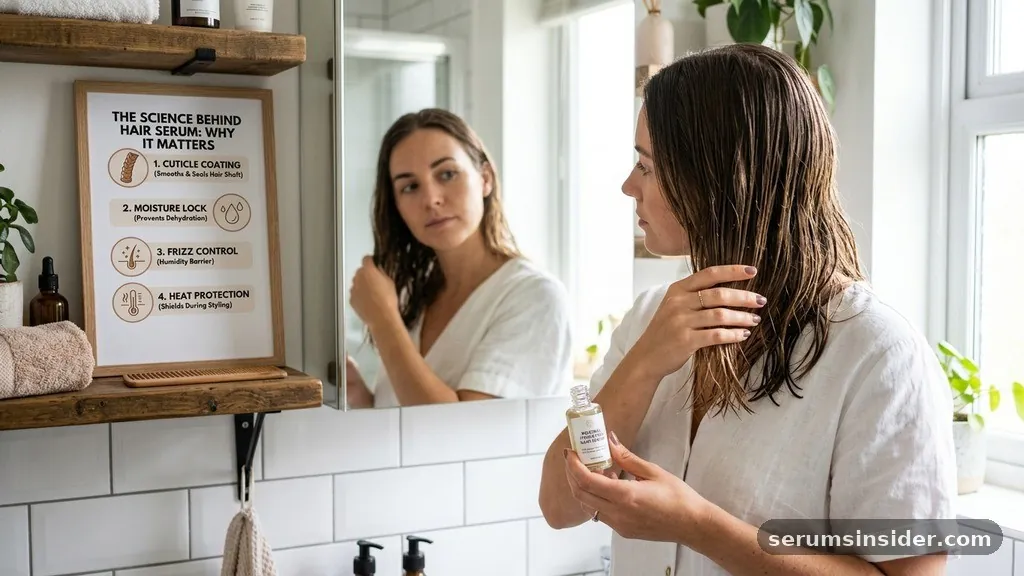
The Science Behind Hair Serum and Why It Matters
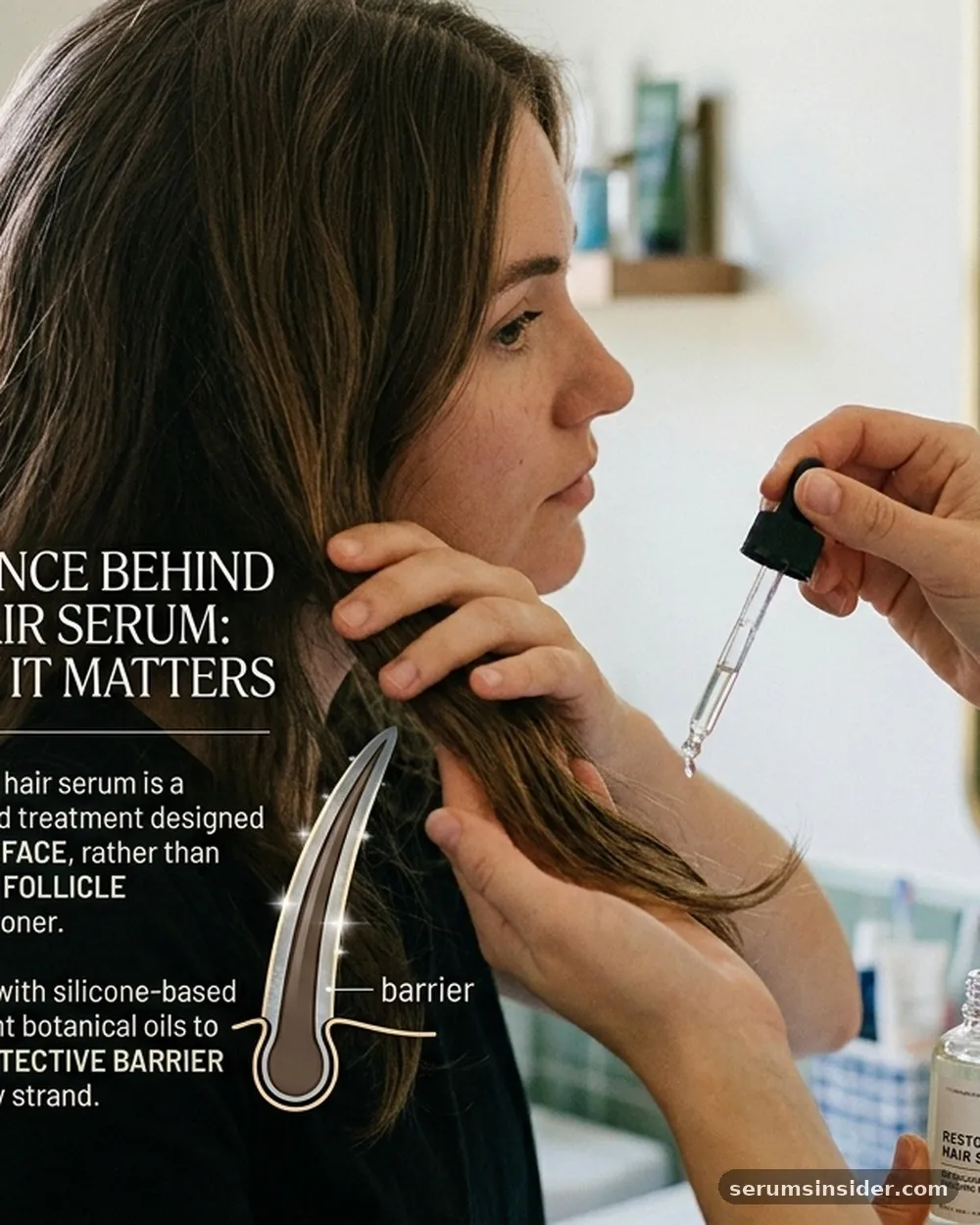
At its core, a hair serum is a concentrated treatment designed to coat the surface of the hair rather than penetrate the follicle like a conditioner. Most high-quality serums are formulated with silicone-based ingredients or lightweight botanical oils that form a protective barrier around every strand. This barrier serves multiple purposes: it reflects light to create a glossy finish, traps moisture inside the hair shaft to prevent dehydration, and smooths the cuticle to reduce friction and breakage.
Understanding the distinction between a serum and other treatments is vital. While a growth serum or specialized oil might target the scalp to stimulate follicles, the primary purpose of a standard styling serum is cosmetic. By smoothing the outer layer of the hair, you effectively eliminate the jagged edges that cause frizz and tangles.
When you apply these products correctly, you are essentially sealing the cuticle, which helps your hair resist environmental humidity and mechanical damage. For those who frequently use heat tools, this protective layer is a non-negotiable step in your daily routine. Without this barrier, high temperatures can cause the water inside your hair to boil, leading to long-term structural damage.
Determining the Right Time to Apply Hair Serum
One of the most common questions revolves around timing: should you use serum on damp hair or dry hair? The answer depends entirely on your specific hair goals and the texture of your hair. Generally, the most effective time to apply a smoothing serum is after you have finished your shampoo and conditioning process, while your hair is still slightly damp.
Applying it to towel-dried hair allows the product to distribute more evenly across the surface of the strands before they begin to set in their dry state. This locks in the moisture from your conditioner and prepares the hair for a smoother blow-dry.
However, there is also a place for applying serum to dry hair. If you find that your hair becomes frizzy or dull throughout the day, a small amount of serum can be used as a finishing touch. In this context, it acts as a sealant to tame flyaways and add an extra boost of shine.
The key is to don’t overdo it. When applying to dry hair, you are essentially layering the product over the existing texture, which can lead to a heavy, oily appearance if you use too much. For those interested in the broader science of hair health, you can read more about tips for maintaining hair health from the American Academy of Dermatology to understand how external factors impact your locks.
Step-by-Step Guide to Proper Application
To achieve the best outcome, follow a structured approach to your application. Precision is key; you want to target the areas that need the most help without saturating the roots, which can make your hair look limp and unwashed.
- Start with a small amount: Pump two to three drops into your palms. You can always add more, but you cannot remove it once it is in your hair.
- Warm the product: Rub your palms together for a few seconds. Warming the serum activates the ingredients and ensures an even glide.
- Focus on the mid-lengths and ends: Start by applying the serum from the middle of your hair down to the tips. These are the oldest, most porous parts of your hair that need the most protection.
- Work through gently: Use your fingers or a wide-tooth comb to distribute the product evenly. Avoid pulling or tugging on wet hair, as this is when it is most fragile.
- Finish with remaining residue: Only after you have coated the ends should you lightly glide your hands over the surface of your hair to catch any flyaways at the crown.
Choosing the Best Serum for Your Hair Type
Not all serums are created equal, and selecting the right one for your specific needs is a critical part of the process. If you have fine or thin hair, look for lightweight, water-based formulas that won’t weigh your hair down. Conversely, if you have thick, curly, or coarse hair, you might benefit from denser oil-based serums that provide more intense hydration and frizz control.
The following table provides a quick reference to help you identify which serum profile might align with your hair characteristics:
| Hair Type | Recommended Texture | Key Benefit |
|---|---|---|
| Fine / Thin | Lightweight, Silicone-free | Volume and shine without grease |
| Dry / Damaged | Oil-based, Argan or Keratin | Deep nourishment and repair |
| Curly / Coarse | Thick, Moisturizing | Definition and frizz suppression |
| Color-Treated | UV-protectant | Color vibrancy and protection |
Addressing Common Topical Gaps and Misconceptions
Many users struggle with the idea of hair loss in relation to serums. It is important to clarify that most standard styling serums do not prevent hair loss. If you are specifically looking to grow your hair or address thinning, you need a specialized growth serum formulated with active ingredients like minoxidil or peptides that are designed to penetrate the scalp.
A styling serum sits on the surface of the hair shaft and does not interact with the follicle in the same way. Using a styling product on the scalp can actually lead to clogged pores and irritation, which is counterproductive to healthy hair growth.
Another common misconception is that you need to use serum every single day. While it is safe for most, daily use can lead to product buildup if you are not washing your hair frequently.
Product buildup creates a film that prevents moisture from entering the hair shaft, eventually leading to dryness and brittleness. If you find your hair feels “crunchy” or lacks movement, it is a sign that you have used too much product or that it is time for a clarifying shampoo to reset your hair’s surface.
Integrating Serum into Your Weekly Routine
Consistency is the secret to seeing lasting results. Think of your hair serum as a staple in your styling kit rather than an occasional treat.
For the best outcome, integrate it into your post-wash routine every time you shampoo. When you apply it correctly on damp hair, you are protecting your strands from the heat of your blow dryer and the friction of your pillowcase.
If you are someone who prefers air-drying, serum is still incredibly valuable. It helps to seal the cuticle as the hair dries naturally, which prevents the “puffiness” that often occurs when hair dries without a protective barrier. Over time, you will notice a significant difference in the texture of your hair.
It will feel softer, look shinier, and be much easier to detangle. By focusing on the mid-lengths and ends and keeping the product away from your roots, you maintain the balance between nourishment and volume. Remember that your hair care journey is personal; pay attention to how your hair responds to different products and adjust your usage accordingly to find your best balance.
Frequently Asked Questions
Can I apply hair serum to wet hair?
Yes, applying serum to damp, towel-dried hair is often the most effective method. It helps lock in moisture, detangle the strands, and provide a protective barrier against the heat from blow-dryers, ensuring your hair remains smooth and manageable as it dries.
How often should I use hair serum?
You can use it every time you wash your hair, which is typically two to four times a week. Daily use is generally unnecessary and can lead to product buildup, which might make your hair feel heavy, greasy, or dull over time if not washed out regularly.
Does hair serum help with hair growth?
Standard styling serums do not stimulate hair growth. They are designed to coat the hair shaft for shine and protection. If your goal is to encourage growth, look for a targeted growth serum specifically formulated for the scalp, which contains ingredients intended to stimulate hair follicles.
Will hair serum make my hair greasy?
If you apply too much product or put it too close to your roots, it can make your hair look greasy. To avoid this, always start with a very small amount—about two to three drops—and focus your application exclusively on the mid-lengths and ends of your hair.
In summary, achieving professional-looking hair at home is entirely attainable when you understand the proper application techniques for your specific hair type. By focusing on the ends, using the correct amount of product, and choosing a formula that aligns with your hair’s unique needs, you can effectively protect your hair from damage while enhancing its natural shine and manageability. Consistency in your routine, paired with a mindful approach to how and when you apply your products, will yield the best results for your long-term hair health.