

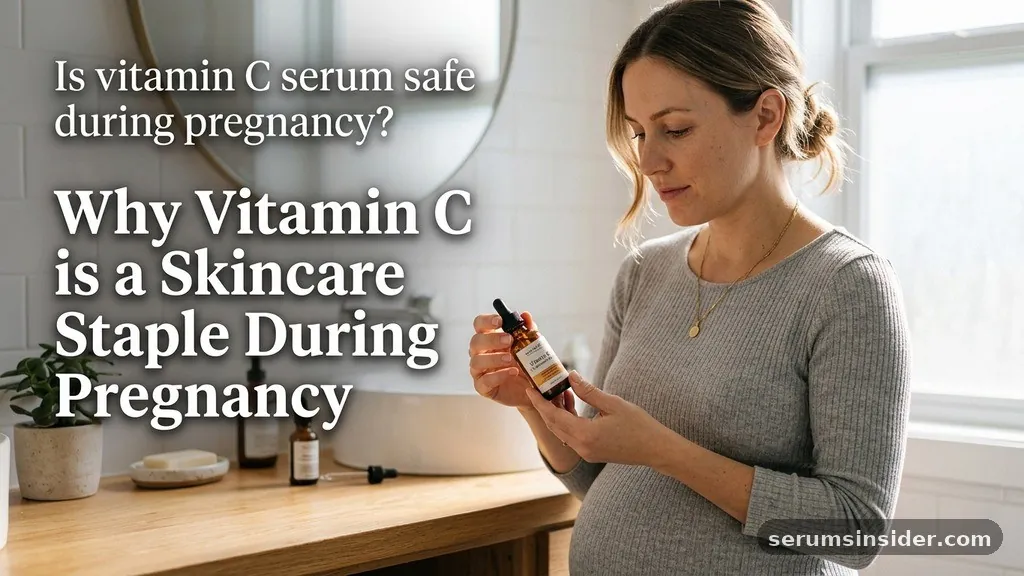
Navigating the world of beauty and wellness while expecting can feel like walking through a minefield of conflicting information. Many individuals wonder, is vitamin c serum safe during pregnancy, given that their skin often undergoes significant physiological changes during these nine months. The good news is that most dermatologists and obstetricians generally classify topical vitamin C as a safe addition to your daily regimen.
Because the skin is a complex organ that reacts to hormonal fluctuations, incorporating antioxidants is often encouraged to combat issues like hyperpigmentation and dullness. However, understanding how these products interact with your body is essential for maintaining a healthy, glowing complexion while ensuring the well-being of your developing baby.
Why Vitamin C is a Skincare Staple During Pregnancy
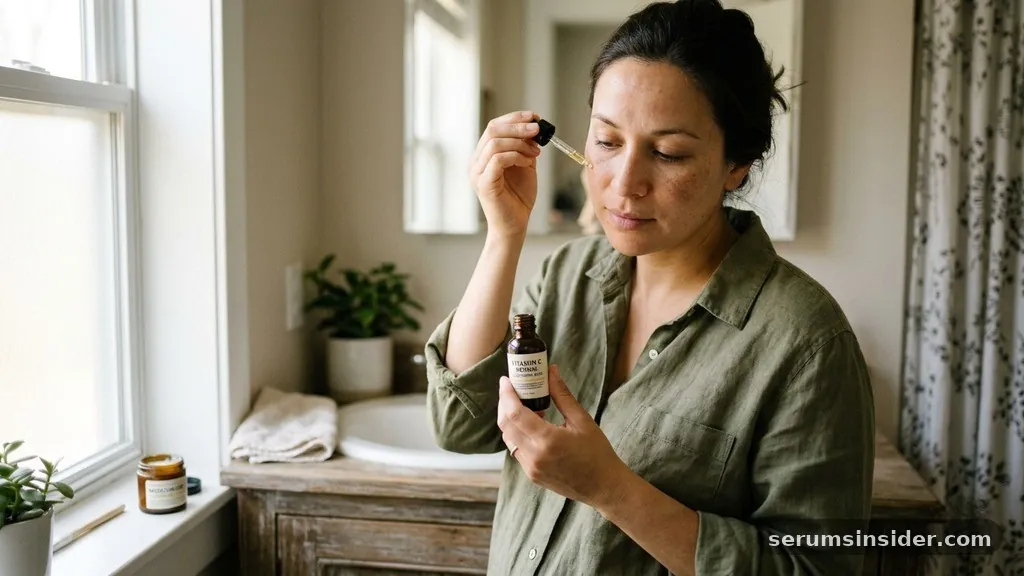
The physiological shifts occurring during gestation often lead to common concerns such as melasma, commonly referred to as the mask of pregnancy. Hormonal surges increase melanin production, which can cause dark spots or uneven skin tone.
Vitamin C, or L-ascorbic acid, acts as a potent antioxidant that helps neutralize free radicals caused by environmental stressors like pollution and UV rays. When you use a high-quality vitamin serum, you are essentially providing your skin with a protective barrier that assists in brightening the complexion and promoting collagen synthesis.
Unlike some potent anti-aging ingredients that are strictly off-limits, vitamin C is a naturally occurring nutrient that the body recognizes and utilizes. Incorporating this ingredient into your morning routine can help mitigate the effects of oxidative stress, which becomes even more critical when your immune system is occupied with supporting fetal development.
Because it is applied topically, the systemic absorption is minimal, meaning very little of the active compound actually enters the bloodstream. This localized application is why most experts view it as a low-risk product for those who are pregnant or breastfeeding.
Understanding Topical Absorption and Safety
When evaluating if a product is safe, medical professionals look at the molecular weight and the pathway of absorption. The skin barrier is highly effective at keeping foreign substances out of the circulatory system. When you apply a topical vitamin, the vast majority of the molecules remain in the superficial layers of the epidermis.
This is where the product performs its primary function: brightening, protecting, and evening out the skin tone. The safety profile of L-ascorbic acid is well-documented in dermatological studies, suggesting that it does not pose a risk of developmental toxicity.
While the ingredient itself is safe, it is always wise to scrutinize the entire formula. Sometimes, a serum contains other additives, preservatives, or stabilizers that might be less desirable during pregnancy.
When selecting your products, look for minimalist ingredient lists and avoid those that include harsh chemicals or synthetic fragrances, which can sometimes trigger sensitivities in a pregnant person whose skin may be more reactive than usual. If you are ever in doubt, you can consult the American College of Obstetricians and Gynecologists for general guidance on health and wellness during the prenatal period.
Comparing Vitamin C Derivatives and Formulations
Not all vitamin C products are created equal. You might see terms like L-ascorbic acid, ascorbyl palmitate, or magnesium ascorbyl phosphate on labels. L-ascorbic acid is the most potent and research-backed form, but it can also be the most irritating for sensitive skin.
During pregnancy, your skin might become more prone to redness or irritation due to increased blood flow and hormonal changes. If you find that a pure L-ascorbic acid serum feels too intense, you might consider a gentler derivative like ascorbyl glucoside or tetrahexyldecyl ascorbate.
These derivatives are often more stable and less acidic, making them an excellent choice for someone who wants the brightening benefits without the potential for stinging or flaking. The following table outlines the differences between common forms of this antioxidant to help you decide which might suit your current needs:
| Vitamin C Form | Stability | Irritation Potential | Best For |
|---|---|---|---|
| L-Ascorbic Acid | Low | High | Maximum potency and brightening |
| Magnesium Ascorbyl Phosphate | High | Low | Sensitive or reactive skin |
| Tetrahexyldecyl Ascorbate | High | Low | Deep penetration and hydration |
Addressing Common Topical Skincare Concerns
One of the most frequent questions regarding pregnancy skincare is how to handle the “pregnancy glow” versus the reality of hormonal acne or persistent dryness. While vitamin C is fantastic for brightness, it is often paired with other ingredients.
For instance, many people ask if they can use niacinamide or azelaic acid alongside their vitamin serum. Azelaic acid is widely considered one of the safest and most effective ingredients for treating pregnancy-related acne and rosacea, as it is a naturally occurring dicarboxylic acid.
However, there are specific ingredients you should strictly avoid. Retinol and its derivatives, such as prescription-strength retinoids, are universally discouraged during pregnancy due to their association with birth defects when used in high concentrations.
Furthermore, while you might be tempted to overhaul your entire routine to address new skin issues, it is usually best to stick to a simple, consistent regimen. Overloading your skin with too many active ingredients can lead to barrier damage, which is harder to repair when your body is already redirecting resources elsewhere.
The Importance of Sunscreen and Routine
Even the most effective vitamin C serum cannot do its job alone. One of the most important aspects of your daily routine is the application of broad-spectrum sunscreen.
Pregnancy makes the skin more susceptible to hyperpigmentation, and UV exposure significantly worsens melasma. Vitamin C works synergistically with your SPF, acting as a second line of defense against free radical damage that manages to bypass your physical or chemical sunscreen.
* Start with a gentle, non-stripping cleanser.
* Apply your vitamin C serum on clean, slightly damp skin for better absorption.
* Follow with a moisturizer that strengthens the skin barrier.
* Finish with a mineral-based sunscreen (zinc oxide or titanium dioxide) for daily protection.
* Ensure your evening routine is focused on hydration and soothing ingredients rather than harsh exfoliants.
By keeping your routine consistent, you provide your skin with the stability it needs during a time of immense internal change. Remember that your skin’s needs may shift throughout the first, second, and third trimesters, so be prepared to adjust your product density or frequency of use based on how your skin feels.
Topical Gaps and Frequently Asked Questions
When considering the question, is vitamin c serum safe during pregnancy, it is important to address why some sources might suggest caution. Often, this caution is not directed at the vitamin C molecule itself, but at the potential for “hidden” ingredients in complex serums.
Some brands include chemical exfoliants, high-strength plant extracts, or essential oils that may not be well-studied for prenatal safety. Therefore, the “safety” of your serum is often tied to the quality of the brand and the transparency of their ingredient list.
Another gap in common knowledge is the timing of when to start. Many individuals worry that they need to stop their skincare routine the moment they see a positive test.
However, unless you are using specific prescription medications like oral isotretinoin or strong topical retinoids, most over-the-counter vitamin C products can be continued throughout your pregnancy and while breastfeeding. Always check the full ingredient list of every new product, and if you are using a prescription-strength serum, consult with your dermatologist to ensure it is safe for your specific situation.
Is it safe to use vitamin C serum in the first trimester?
Yes, topical vitamin C is generally considered safe to use throughout all three trimesters. It is a stable, non-toxic antioxidant that does not carry the same risks as systemic medications or certain high-potency actives like retinol.
Can I combine vitamin C with other pregnancy-safe actives?
Absolutely. Vitamin C pairs very well with ingredients like hyaluronic acid for hydration or azelaic acid for acne and pigmentation. Just ensure that you introduce new products slowly to monitor for any increased skin sensitivity, which is common during pregnancy.
Does vitamin C help with pregnancy-related melasma?
Vitamin C is an excellent choice for addressing melasma. It inhibits the enzyme tyrosinase, which is responsible for melanin production. Regular use can help fade dark spots and prevent new ones from forming, especially when paired with consistent daily sunscreen use.
Should I stop using vitamin C while breastfeeding?
There is no medical evidence suggesting that topical vitamin C is unsafe while breastfeeding. Because it is applied to the skin and has minimal systemic absorption, it is unlikely to pass into breast milk in any significant or harmful quantity.
In summary, maintaining your skincare routine during pregnancy does not have to be an exercise in anxiety. By choosing high-quality, stable vitamin C formulations and pairing them with consistent sun protection, you can effectively manage skin changes while keeping your routine simple and safe.
Always prioritize gentle, effective ingredients and consult your healthcare provider if you have specific concerns about your skin’s unique reaction to new products. With the right approach, you can enjoy a healthy, radiant complexion throughout your pregnancy journey.


