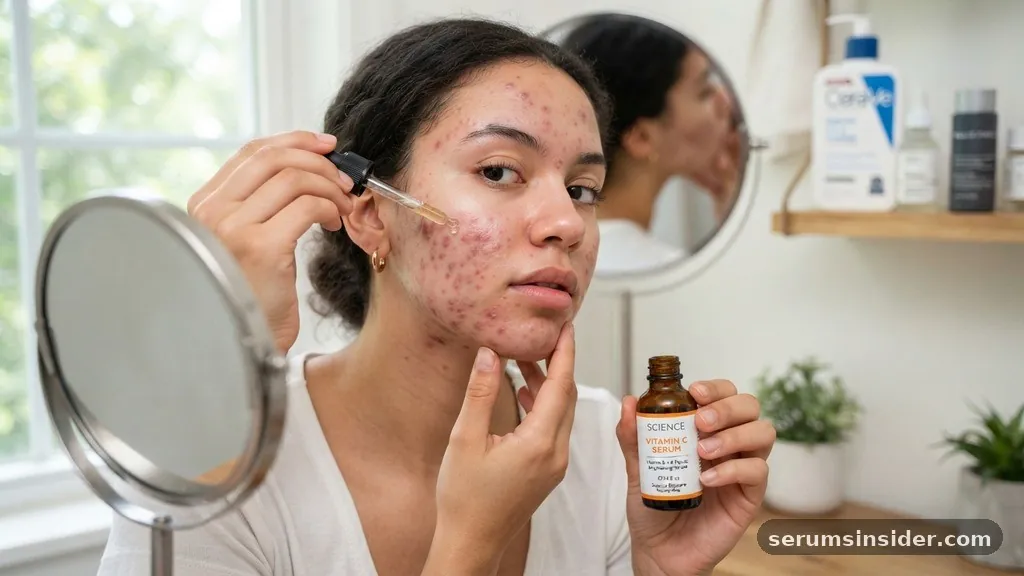
Navigating the world of skincare can feel like walking through a minefield, especially when you are dealing with persistent breakouts. If you are wondering whether is vitamin c serum good for acne, the short answer is that it depends on the specific state of your skin and the formulation of the product.
While many people associate this potent antioxidant primarily with brightening and anti-aging, its properties extend into the realm of inflammatory skin conditions. By understanding how this topical vitamin interacts with your complexion, you can determine if it deserves a permanent spot in your daily regimen or if it might be better left on the shelf.
The Science of Vitamin C and Skin Health

To understand if vitamin c serum is good for acne, we must first look at what happens at the cellular level. Vitamin C, or L-ascorbic acid, is a powerful antioxidant that protects the skin from oxidative stress caused by environmental pollutants and UV radiation.
When applied to the skin, it helps neutralize free radicals, which are unstable molecules that can damage skin cells and contribute to premature aging. Beyond protection, this nutrient is essential for collagen production, the structural protein that keeps skin firm and resilient.
When it comes to acne-prone skin, the role of vitamin C becomes more nuanced. Acne is fundamentally an inflammatory condition. Because vitamin C possesses natural anti-inflammatory properties, it can potentially help calm the redness and swelling associated with active pimples.
However, it is not a direct acne treatment in the same way that benzoyl peroxide or salicylic acid are. Instead, it works to support the overall integrity of the skin barrier.
When the barrier is healthy, the skin is better equipped to defend itself against the bacteria that often exacerbate breakouts. For more detailed information on the biological mechanisms of skin barrier function, you can visit the American Academy of Dermatology to explore professional insights on skin health.
Addressing Acne Scars and Post-Inflammatory Hyperpigmentation
One of the most widely recognized benefits of using a vitamin serum is its ability to address acne scars and dark spots. Often, after a breakout heals, the skin is left with a souvenir in the form of post-inflammatory hyperpigmentation (PIH). This occurs when the skin produces excess melanin in response to the injury caused by the acne.
Vitamin C acts as a tyrosinase inhibitor, meaning it disrupts the production of melanin. By inhibiting this enzyme, the serum helps to fade existing dark spots over time and prevents new ones from forming as effectively.
Using this topical vitamin consistently can lead to a more even skin tone, which is a major concern for those who deal with frequent breakouts. While it won’t necessarily stop a new pimple from surfacing, it significantly improves the post-acne experience by reducing the duration and intensity of marks left behind.
Because it promotes cell turnover and healing, it is an excellent tool for those who feel that their complexion looks “dull” or “marred” due to years of dealing with acne. It is important to note that results are not overnight; consistent application over several weeks or months is necessary to see a visible improvement in texture and tone.
Selecting the Right Form for Sensitive Skin
Not all serums are created equal, and this is where many people run into trouble. L-ascorbic acid is the most potent and researched form, but it is also highly acidic and can be quite irritating to sensitive or actively inflamed skin. If you are currently experiencing a severe breakout, applying a high-concentration L-ascorbic acid serum might cause stinging, redness, or further irritation, which can actually make your acne worse by compromising the skin barrier.
Instead of the pure acid, look for stable derivatives that are gentler on the skin. Forms like sodium ascorbyl phosphate or magnesium ascorbyl phosphate are often better for those with acne. These are more stable, less acidic, and have been shown to have antimicrobial properties that can specifically target the bacteria responsible for acne.
| Vitamin C Form | Best For | Acne Suitability |
|---|---|---|
| L-Ascorbic Acid | Anti-aging, brightening | Low (can be irritating) |
| Sodium Ascorbyl Phosphate | Sensitive, acne-prone skin | High (antimicrobial) |
| Magnesium Ascorbyl Phosphate | Dry, sensitive skin | Moderate (soothing) |
Integrating the Serum into Your Skincare Routine
If you decide to incorporate this product into your skincare routine, the timing of your application is critical. Ideally, you should use your vitamin serum in the morning. This allows the antioxidant to work in tandem with your sunscreen to provide a robust defense against environmental stressors throughout the day.
After cleansing your face, apply a few drops to dry skin. Let it absorb completely before moving on to your moisturizer and SPF.
Consistency is the golden rule of skincare. Do not expect the product to work if you use it sporadically. Because acne-prone skin can be reactive, introduce the product slowly.
Start by using it every other day to observe how your skin responds. If you notice an increase in breakouts or excessive dryness, you may need to reduce the frequency or switch to a lower-concentration formula. Remember that while this is a helpful addition, it does not replace the need for an effective cleanser, a non-comedogenic moisturizer, and a reliable sunscreen.
Common Myths and Reality Checks
There is a significant amount of media surrounding skincare, and some of it can be misleading. A common myth is that vitamin C causes acne. While it is possible for some formulations to be comedogenic (pore-clogging), the vitamin itself is not the culprit.
If you experience a breakout after starting a new bottle, look closely at the ingredient list. Many serums contain oils, thickeners, or fragrances that might be triggering your specific skin type. Always check for the “non-comedogenic” label to ensure the vehicle of the serum is safe for your pores.
Another misconception is that you cannot use vitamin C alongside other active ingredients. While it is true that you should avoid mixing it with certain potent actives like high-strength retinoids at the exact same time to prevent irritation, many people find success using vitamin C in the morning and their acne treatments (like retinoids or benzoyl peroxide) in the evening. This “split” approach allows you to reap the benefits of all your active ingredients without overwhelming your skin barrier.
Addressing Topical Gaps: Why Some Users Struggle
A frequent point of confusion is why some people find that vitamin C helps their skin immensely while others report no change or even worsening conditions. The gap usually lies in the formulation and the user’s specific skin needs.
If you are struggling with cystic or hormonal acne, a topical serum alone will likely not be enough to control the situation. These forms of acne require internal management and often prescription-strength topicals.
Furthermore, the stability of the item matters immensely. Vitamin C is notoriously unstable and degrades quickly when exposed to light and air. If your serum has turned a dark orange or brown color, it has oxidized and is no longer effective.
Using an oxidized product can actually deposit unwanted pigments on the skin and provide zero antioxidant benefits. To ensure your serum remains effective, store it in a cool, dark place, or opt for products packaged in opaque, airless pump bottles. By addressing these practical issues, you can bridge the gap between “trying a product” and actually seeing the results you desire for your skin health.
Frequently Asked Questions
- Can I apply vitamin C serum directly on active pimples? It is generally safe to apply it over active breakouts, but avoid using it on open, weeping lesions. If the product causes stinging or burning, wash it off immediately, as this indicates it is irritating your compromised skin barrier.
- Does vitamin C replace my acne treatment? No, it does not. Vitamin C should be viewed as a supportive treatment that helps with scarring and skin barrier health. It does not possess the same pore-clearing or bacteria-killing power as proven acne medications like salicylic acid or adapalene.
- How long does it take to see results on acne scars? Fading hyperpigmentation is a slow process. Most users notice a visible improvement in the appearance of dark spots and skin brightness after 8 to 12 weeks of consistent, daily use alongside adequate sun protection.
- Who should avoid using vitamin C? If you have extremely sensitive skin, rosacea, or are currently experiencing a severe, widespread breakout, it is best to consult a dermatologist. High concentrations of acidic forms can exacerbate inflammation and redness in these specific conditions.
In summary, is vitamin c serum good for acne? It is a valuable ally for those looking to manage post-acne marks and support long-term skin health. While it is not a cure-all for active acne, its ability to brighten the skin, boost collagen, and provide antioxidant protection makes it a stellar addition to most routines.
By choosing the right form, storing it correctly, and pairing it with appropriate acne treatments, you can leverage this ingredient to achieve a clearer, more radiant complexion. Always listen to your skin; if it tells you to slow down, honor that signal and adjust your routine accordingly.