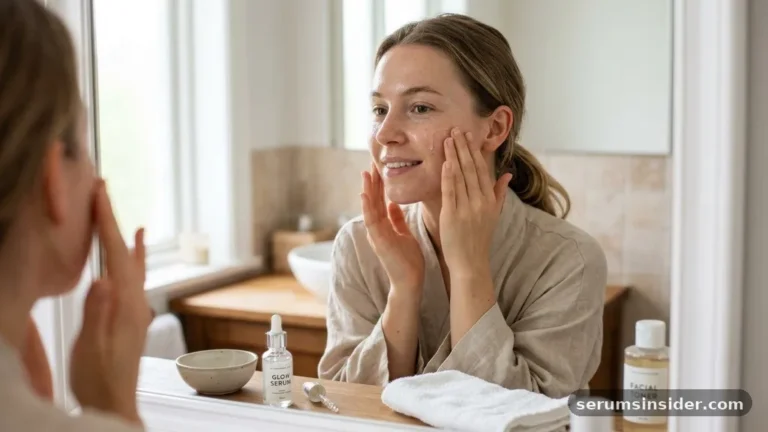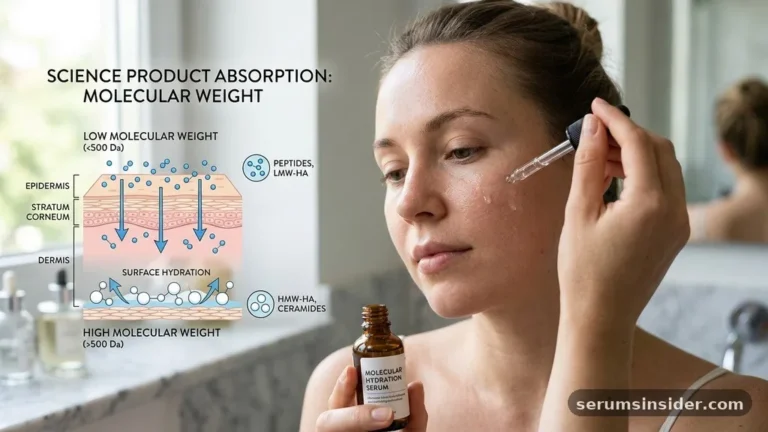
What is face serum, and why has it become such a familiar step in skincare? A face serum is a lightweight skincare product designed to deliver a concentrated blend of ingredients to the skin.
Unlike a basic cleanser or moisturizer, a serum usually focuses on a specific concern, such as dryness, dullness, uneven tone, visible signs of aging, excess oil, or dehydration. Its thin texture makes it easy to layer, but choosing and using one well requires more than picking the most popular bottle.
Serums vary widely. Some contain humectants that attract water, while others use antioxidants, exfoliating acids, retinoid-related ingredients, or soothing compounds.
The right choice depends on your skin’s needs, the rest of your routine, and how often your skin can tolerate a particular formula. This article explains what face serum means, how it works, where it fits in a routine, and how to use it without overcomplicating your skincare.
A face serum is a concentrated, leave-on skincare product formulated to target one or more specific skin concerns. It is typically lighter and more fluid than a cream or lotion, although some modern serums have gel, oil, or emulsion textures. The word “serum” describes a product category rather than one single ingredient or guaranteed result.
Most serums contain a mixture of a base, supporting ingredients, and one or more active ingredients. The base determines how the product feels and spreads.
Water-based serums often feel fresh and absorb quickly, while oil-based serums leave a more nourishing finish. Gel serums sit somewhere between the two and may suit people who want hydration without a heavy layer.
The active ingredients give a serum its main purpose. For example, a hydrating serum may contain humectants, while a brightening formula may include ingredients selected to improve the appearance of uneven tone. A product marketed for blemish-prone skin may use an exfoliating acid or another ingredient intended to reduce the buildup associated with blocked pores.
Serum does not automatically mean “stronger” or “better.” A highly concentrated formula may be useful for one person and irritating for another. The best serum is usually the one that addresses a genuine need, fits comfortably into the routine, and can be used consistently.
Serums can help with:
- Adding hydration to skin that feels tight or looks dehydrated.
- Supporting a brighter, more even-looking complexion.
- Reducing the appearance of rough texture through appropriate exfoliation.
- Calming the look of temporary redness with soothing ingredients.
- Supporting the appearance of firmness and smoother-looking fine lines.
- Managing excess oil or the appearance of congested pores.
People sometimes confuse serum with essence, toner, facial oil, or moisturizer. Those products can overlap, but they are not identical.
A toner is often a lightweight preparatory product, an essence is generally focused on hydration and conditioning, a facial oil supplies lipid-rich ingredients, and a moisturizer is designed primarily to reduce water loss and support the skin barrier. A serum may perform some of these functions, but its defining feature is targeted treatment.
How Does Face Serum Work on the Skin?
Face serum works by placing a targeted blend of ingredients on the skin in a lightweight formula that can be layered with other products. Its effect depends on the ingredients, their formulation, how regularly the product is used, and the condition of the skin barrier.
Hydrating serums often rely on humectants. These ingredients help attract and hold water at the skin’s surface, which can make skin feel softer and look temporarily plumper.
Hydration does not mean the serum replaces a moisturizer. A moisturizer may still be needed to help reduce water loss, especially in dry climates or for skin that feels rough and tight.
Other serums work through different mechanisms. Antioxidant formulas are designed to help defend the skin from environmental stressors and support a healthier-looking complexion.
Exfoliating serums use ingredients that loosen or remove accumulated surface cells, which may make skin feel smoother when used appropriately. Products aimed at uneven tone usually contain ingredients selected to improve the appearance of discoloration over time rather than create an instant change.
Some formulas are intended to support skin that shows visible signs of aging. They may focus on hydration, surface smoothness, antioxidant support, or ingredients that encourage a more refined appearance.
Results are gradual. A serum cannot stop natural aging, erase every line, or replace professional treatment, but it may improve the way skin looks and feels with consistent use.
Formulation matters as much as the ingredient list. Two products may contain the same named ingredient but feel and perform differently because of differences in concentration, pH, texture, supporting ingredients, packaging, and stability.
Air, light, and repeated exposure to moisture can affect some formulas. That is why storage instructions and packaging deserve attention.
Skin sensitivity also changes the experience. A healthy barrier may tolerate a product comfortably, while compromised or irritated skin may sting even with a normally gentle formula. Burning, persistent redness, swelling, or a rash is not a sign that a product is “working better.” It is a reason to stop using it and assess whether the formula is suitable.
For basic information about maintaining healthy skin and recognizing when a concern may need medical attention, readers can consult the American Academy of Dermatology’s skin care basics.
Common Types of Face Serum and Their Ingredients
The most useful way to classify a serum is by its main skin concern and its active ingredients. A label may use words such as “glow,” “renewal,” or “firming,” but the ingredient list and the product’s instructions provide a clearer picture of its purpose.
| Serum type | Common focus | What it may help the skin look or feel like | Important consideration |
|---|---|---|---|
| Hydrating serum | Dryness and dehydration | Softer, more comfortable, less tight | Usually followed by moisturizer to help retain hydration |
| Brightening serum | Uneven tone and dull appearance | More even-looking and radiant | Daily sun protection supports the routine |
| Exfoliating serum | Rough texture and congested pores | Smoother and more refined | Overuse may cause dryness or irritation |
| Antioxidant serum | Environmental stress and dullness | Healthier-looking, fresher appearance | Packaging and storage may affect formula stability |
| Soothing serum | Visible redness and sensitivity | More comfortable and calmer-looking | Choose a simple formula if the skin barrier is stressed |
| Firming or smoothing serum | Fine lines and loss of apparent firmness | Smoother, more supple appearance | Results require regular use and realistic expectations |
Hydrating formulas

Hydrating serums are often a sensible starting point for beginners because dehydration can affect almost every skin type, including oily skin. A lightweight hydrating formula may make the skin feel more comfortable without adding the richness of a heavy cream. Apply it to skin that is slightly damp if the product directions recommend that approach, then follow with moisturizer when needed.
Brightening and antioxidant formulas
Brightening serums are used to improve the appearance of dullness or uneven tone. Antioxidant ingredients may support this goal, while other ingredients are selected for their role in the appearance of discoloration.
The change is usually gradual. Sun protection is essential because unprotected exposure can make uneven tone more difficult to manage.
Exfoliating and blemish-focused formulas
Exfoliating serums may contain acids or other ingredients intended to improve surface texture and the appearance of blocked pores. They should be introduced carefully, particularly if you already use a retinoid, scrub, acne treatment, or other active product.
More exfoliation is not necessarily better. Skin can become dry, tight, flaky, or irritated when too many strong products are combined.
Soothing and barrier-support formulas
Soothing serums suit people who want a simpler routine focused on comfort. Their formulas may include ingredients selected to support the skin barrier or reduce the appearance of temporary redness. They are particularly useful when the skin feels stressed by weather, over-cleansing, shaving, or an overly active routine.
What Are the Benefits and Limitations of Face Serum?
The main benefit of face serum is targeted care in a lightweight layer, but results depend on the formula and cannot exceed what the product is designed to do. A serum can make a routine more precise. Instead of asking one moisturizer to address every concern, you can use a hydrating product when skin feels dry or a texture-focused product when roughness is the priority.
Texture is another advantage. Many serums spread easily and sit comfortably beneath moisturizer and sunscreen. This makes them practical for people who dislike heavy skincare.
A few drops can cover the face, although the correct amount always depends on the product directions. Applying more does not guarantee better results and may increase the risk of pilling or irritation.
Serums can also encourage consistency. If a product feels comfortable and fits a morning or evening routine, you are more likely to use it regularly.
That matters because many skincare changes are subtle and cumulative rather than immediate. A product that is used occasionally may be less useful than a gentler formula used consistently.
There are limits. A serum cannot replace cleansing, moisturizing, or sun protection when those steps are needed.
It also cannot diagnose a skin condition. Persistent acne, painful lesions, sudden rashes, intense itching, or rapidly changing pigmentation may require advice from a qualified healthcare professional rather than a new cosmetic product.
Potential drawbacks include irritation, allergic reactions, incompatibility with other products, and unrealistic expectations. Active ingredients can be beneficial, but they may also create problems when introduced too quickly. Fragrance and essential oils can bother some people, although individual tolerance varies. “Natural” does not automatically mean gentle, and “clinical” does not automatically mean suitable for everyone.
Before buying, ask three practical questions:
- What specific concern am I trying to address?
- Will this product fit with the cleanser, moisturizer, sunscreen, and treatments I already use?
- Can I introduce it slowly enough to notice how my skin responds?
Those questions prevent a common mistake: purchasing several highly active products at once and then being unable to identify which one caused irritation.
How to Choose a Face Serum for Your Skin
Choose a face serum according to your primary concern, skin tolerance, routine, and preferred texture rather than marketing language alone. Start with one clear goal. If your skin feels tight and rough, hydration may be more useful than an aggressive exfoliating formula. If your main concern is uneven tone, look for a product specifically formulated for that appearance and pair it with daily sun protection.
Skin type can guide the texture, but it should not be the only deciding factor. Oily skin may prefer a water-based or gel serum, while dry skin may enjoy a richer emulsion or oil-based formula.
Sensitive skin often benefits from a short ingredient list and a gradual introduction. Combination skin may use a lightweight formula across the face and a richer moisturizer only where needed.
Read the directions. Some serums are intended for morning use, some for evening use, and some can be used at either time.
A product may advise avoiding the eye area, applying only a small amount, or limiting use to a few times a week. These instructions are part of the formula’s safe-use information, not optional decoration.
Check the rest of your routine before adding an active serum. Products that target similar concerns may duplicate one another.
For example, using multiple exfoliating products together can leave the skin feeling raw, even if each product seems reasonable on its own. A simple routine makes it easier to observe results.
Packaging can provide clues about care requirements. A pump or opaque container may help limit exposure to air and light, depending on the formula.
Keep the product closed, avoid storing it in excessive heat, and follow the label’s storage instructions. Discard a product if its smell, color, or texture changes noticeably, especially when the formula is not expected to change.
A practical selection process
- Identify one main concern instead of trying to fix every issue at once.
- Choose a texture you will actually enjoy using.
- Review the active ingredients and the product directions.
- Compare the serum with your existing treatments to avoid unnecessary overlap.
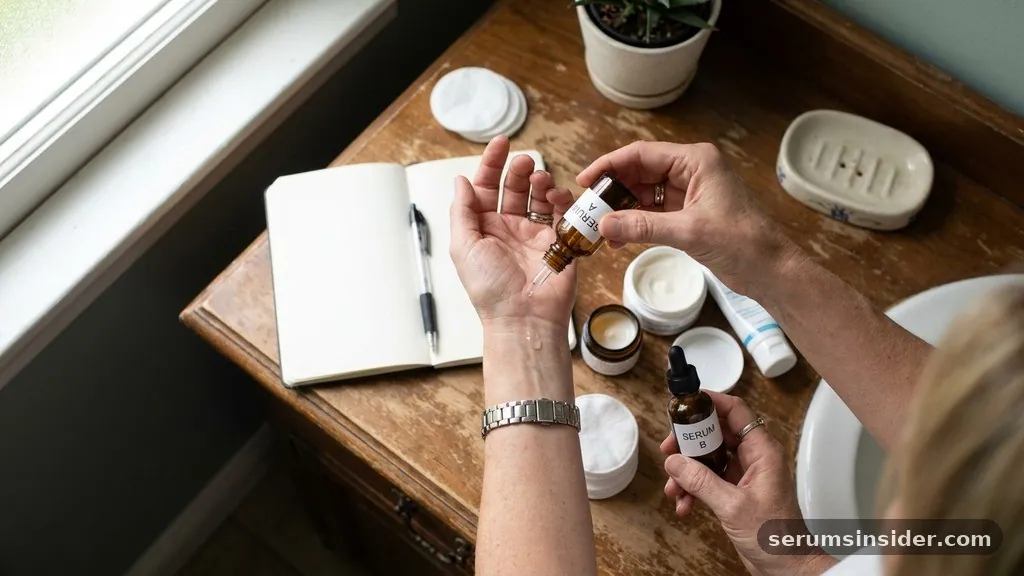
- Patch test when appropriate and introduce the product gradually.
- Assess comfort and progress over time rather than expecting an overnight transformation.
Price alone does not determine whether a serum is suitable. A more expensive product may have a pleasant texture or sophisticated packaging, but a lower-cost formula can still be useful if it contains appropriate ingredients and agrees with your skin.
The important comparison is not prestige versus budget. It is suitability, tolerability, and consistent use.
How to Use Face Serum Correctly
Use face serum after cleansing and before moisturizer, applying the amount directed on the label to clean skin. A typical routine might include cleanser, serum, moisturizer, and sunscreen in the morning. At night, cleanser, serum, and moisturizer may be enough, depending on the rest of your regimen.
Begin with clean hands and a clean face. Pat the skin dry or follow the product’s instructions about damp skin.
Apply a small amount and spread it gently rather than rubbing aggressively. Give the product a moment to settle before applying the next layer, especially if you notice pilling.
Morning and evening use depend on the formula. A hydrating serum may fit comfortably into either routine.
Some exfoliating or renewing products are commonly reserved for evening use because they can be more irritating when combined with other daytime steps. Regardless of the timing, follow the product’s own instructions.
Introduce only one new active product at a time. Use it less frequently at first if the directions allow, then increase gradually as your skin tolerates it.
This approach helps separate normal adjustment from genuine irritation. If your skin develops persistent stinging, swelling, intense redness, or a rash, stop using the product.
Layering order is generally based on texture: thinner water-based products before thicker creams or oils. However, the formula’s directions take priority.
Some products are designed to be applied in a particular order, and certain combinations may be discouraged. You do not need a long routine to get value from a serum.
Do not apply a facial serum to damaged skin unless a healthcare professional has advised you to do so. Cuts, sunburn, severe irritation, and freshly over-exfoliated skin may react more strongly. Keep products away from the eyes unless they are specifically made for that area.
Topical Gaps: Mistakes, Compatibility and Realistic Expectations
The most overlooked parts of serum use are product compatibility, skin-barrier protection, patch testing, and knowing when a cosmetic product is not enough. These practical details often determine whether a serum becomes helpful or disruptive.
Using too many active ingredients
Skincare routines can become crowded quickly. A person may use a brightening serum, exfoliating toner, acne treatment, retinoid product, and scrub while also changing cleansers and moisturizers.
Even if each item has a reasonable purpose, the combined routine may be too demanding. Dryness and irritation can then be mistaken for proof that the products are effective.
A better approach is to establish a calm baseline with cleanser, moisturizer, and sunscreen where appropriate. Add one serum. Give yourself enough time to evaluate comfort and appearance before adding another active product.
Patch testing and sensitivity
Patch testing can help you identify whether a product causes an obvious reaction before applying it broadly. It cannot guarantee that irritation will never occur, but it is a sensible precaution, particularly for sensitive skin or formulas containing unfamiliar active ingredients. Follow the brand’s testing instructions, and stop if a concerning reaction develops.
Sun protection and treatment goals
People often expect a brightening or smoothing serum to compensate for daily sun exposure. It cannot.
Sunscreen helps protect the skin from ultraviolet exposure, while a serum may address a separate cosmetic concern. These products serve different roles and should not be treated as interchangeable.
When to seek professional advice
A serum is a cosmetic treatment, not a substitute for medical diagnosis. Speak with a dermatologist or another qualified healthcare professional if you have persistent or painful acne, a recurring rash, severe sensitivity, suspected allergy, or pigmentation that changes quickly. Professional guidance is especially important if you are pregnant, nursing, taking medication, or considering a product with an ingredient that may not suit your circumstances.
Realistic expectations matter, too. A serum may improve hydration, smoothness, or the appearance of dullness, but visible change can take time and may be modest.
Healthy-looking skin does not require perfection. Comfort, consistency, and a routine you can maintain are stronger measures of success.
Where Face Serum Fits in a Simple Skincare Routine
A serum is an optional treatment step, not a requirement for healthy skin. A basic routine can work well without one. The essentials are usually gentle cleansing when needed, moisturizing when needed, and daytime sun protection. A serum becomes useful when you want targeted support for a particular concern.
For a morning routine, cleanse if necessary, apply a suitable serum, moisturize if your skin needs it, and finish with sunscreen. For an evening routine, cleanse, apply the serum according to its instructions, and moisturize. People with dry skin may prefer a richer final layer, while oily skin may choose a lighter product.
Keep the routine flexible. Skin changes with weather, stress, age, shaving, travel, and other factors.
A formula that feels comfortable in humid conditions may feel insufficient in cold, dry weather. Conversely, a rich oil or cream may feel excessive during warmer months.
One carefully chosen serum can be enough. You do not need separate products for every small variation in texture or tone.
If you use more than one, consider alternating them rather than layering every active ingredient in the same routine. For example, one product might be used in the morning for hydration and another used on selected evenings for texture, provided the products are compatible and your skin tolerates them.
Think of serum as a focused tool. Use it because it solves a defined problem, not because every skincare routine appears to include one. That mindset makes shopping simpler and helps you recognize when a product is unnecessary.
Frequently Asked Questions About Face Serum
Is face serum the same as moisturizer?
No. A serum is usually a lightweight, targeted treatment, while a moisturizer is designed mainly to soften skin and help reduce water loss. Some serums provide hydration, but they may not offer enough protective or moisturizing ingredients to replace a cream or lotion.
Can I use face serum every day?
It depends on the formula. Hydrating serums may be suitable for daily use, while exfoliating or highly active products may need less frequent application. Always follow the label directions, introduce new products gradually, and stop if persistent irritation, swelling, or a rash develops.
Should I apply serum before or after moisturizer?
In most routines, serum goes after cleansing and before moisturizer because it is usually the thinner layer. The exact order can vary by formula, so read the product instructions. Apply sunscreen as the final morning skincare step when it is part of your routine.
Is face serum suitable for oily or acne-prone skin?
Yes, but choose a lightweight formula intended for your concern and avoid adding several potentially irritating actives at once. Oily skin can still be dehydrated, so a non-heavy hydrating serum may be useful. Persistent or severe acne may require professional advice.
How long does face serum take to work?
Timing varies according to the product, ingredient, concern, and individual skin. Hydration may feel noticeable sooner than changes in uneven tone or texture. Use the serum consistently as directed, protect your skin from the sun, and judge progress realistically rather than expecting instant results.