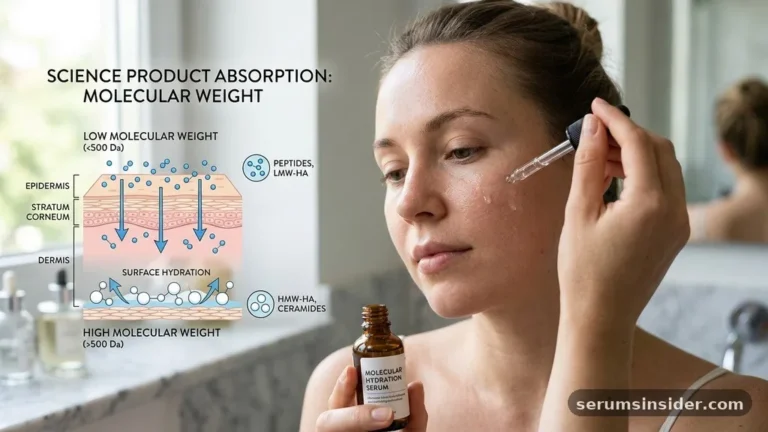


Navigating the world of skincare can feel overwhelming, especially when you are trying to manage active breakouts while simultaneously treating the aftermath of past blemishes. A common question that arises in this pursuit is: does vitamin c serum help with acne? While many people associate this potent antioxidant primarily with brightening and anti-aging, its role in managing acne-prone skin is nuanced.
Vitamin C, particularly in its pure form known as L-ascorbic acid, functions as a powerful anti-inflammatory agent that can indirectly support the skin’s healing process. By understanding how this topical treatment interacts with your skin’s microbiome and inflammatory pathways, you can determine if it deserves a permanent spot in your daily skincare routine.
Understanding the Anti-Inflammatory Properties of Vitamin C
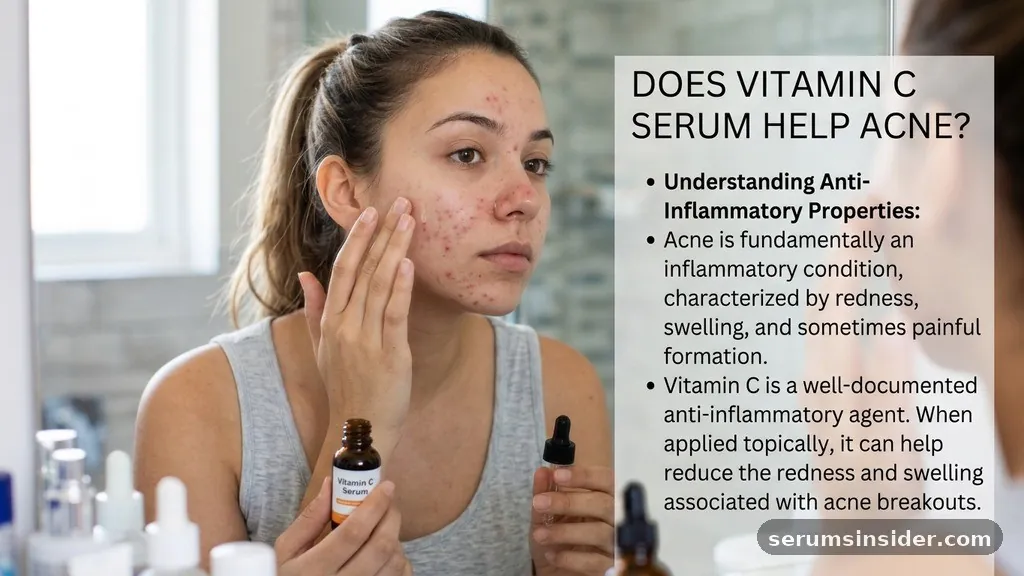
When we ask if vitamin serum can improve acne, we must first look at the mechanism of inflammation. Acne is fundamentally an inflammatory condition, characterized by redness, swelling, and the painful formation of pustules or papules. Vitamin C is a well-documented anti-inflammatory agent.
When applied to the face, it works to neutralize free radicals caused by environmental stressors like UV radiation and pollution, which can exacerbate the inflammatory response in acne-prone skin. By reducing this oxidative stress, the serum helps to soothe the skin and potentially limit the severity of active breakouts.
It is important to clarify that vitamin C is not a traditional acne treatment like benzoyl peroxide or salicylic acid. It does not possess inherent antibacterial properties that kill the Cutibacterium acnes bacteria directly. However, by calming the skin, it creates a more stable environment for your primary acne treatments to work effectively.
Many people find that when they incorporate a high-quality vitamin C product into their regimen, the overall redness associated with their acne begins to subside. This is a crucial distinction: while it might not stop a pimple from forming in the first place, it can significantly reduce the visible irritation and discomfort that accompanies an active flare-up.
Vitamin C and the Management of Post-Acne Marks
One of the most widely recognized benefits of using vitamin C is its ability to reduce hyperpigmentation. After an acne lesion heals, it often leaves behind a dark or reddish mark, known as post-inflammatory hyperpigmentation (PIH). This is where vitamin C truly shines.
Through the inhibition of tyrosinase—an enzyme responsible for melanin production—this ingredient helps to fade these stubborn spots over time. For those struggling with acne scars or lingering discoloration, consistent application of a vitamin C serum can lead to a more even skin tone.
The process of fading these marks requires patience and consistency. Unlike spot treatments that work overnight, the skin’s natural cycle of regeneration takes time. When you are using vitamin C to address dark spots, you are effectively encouraging the skin to shed pigmented cells more efficiently while protecting new, healthy cells from further darkening.
This is why many dermatologists recommend it as a staple for anyone looking to achieve a clearer, brighter complexion. If you are curious about the specific biochemical pathways involved in skin brightening, you can explore more detailed information on skin care recommendations from the American Academy of Dermatology.
Collagen Production and Skin Barrier Repair
Beyond its brightening and soothing capabilities, vitamin C plays a vital role in collagen production. Collagen is the structural protein that keeps the skin firm, plump, and resilient. When the skin is damaged by acne, the healing process relies heavily on the body’s ability to synthesize new collagen to repair the dermal matrix.
By providing the skin with a high concentration of vitamin C, you are effectively feeding the cells the necessary components to accelerate this repair process. This is particularly beneficial for those who experience pitted or depressed acne scars, as it helps the skin regain its texture and structural integrity.
Furthermore, a healthy skin barrier is your first line of defense against future breakouts. A compromised barrier allows bacteria and irritants to penetrate deeper into the skin, leading to more frequent or severe acne. Vitamin C helps reinforce the barrier function, keeping the skin hydrated and protected.
When the skin is properly balanced, it is less prone to the erratic oil production that often triggers clogged pores. Therefore, while it may not be a direct acne fighter, its contribution to overall skin health makes it an essential product for long-term acne management.
Comparing Different Forms of Vitamin C for Acne-Prone Skin
Not all serums are created equal, and the form of vitamin C you choose can significantly impact your results. The most potent and well-researched form is L-ascorbic acid, but it is also the most unstable and potentially irritating for sensitive skin.
If you have active, inflamed acne, a high concentration of L-ascorbic acid might cause stinging or further irritation. In such cases, you might prefer more stable, gentle derivatives.
| Form of Vitamin C | Characteristics | Best For |
|---|---|---|
| L-Ascorbic Acid | High potency, fast results, can be irritating | Non-sensitive, oily, or mature skin |
| Sodium Ascorbyl Phosphate | Gentle, stable, anti-microbial properties | Sensitive or acne-prone skin |
| Magnesium Ascorbyl Phosphate | Hydrating, stable, less likely to sting | Dry, acne-prone skin |
Sodium Ascorbyl Phosphate (SAP) is particularly interesting for those with acne. Research has suggested that this specific derivative may have mild antibacterial effects, making it an excellent choice for someone who is hesitant to use stronger acids. Choosing the right version ensures that you get the benefits of the ingredient without exacerbating your current condition. Always look for a new product that fits your specific skin type rather than simply following trends on social media.
Integrating Vitamin C into Your Existing Routine
The effectiveness of any skincare ingredient depends on how you use it. When integrating a vitamin C serum into your routine, placement is key.
Generally, it should be applied to clean, dry skin after cleansing and before heavier creams or SPF. Because vitamin C is an antioxidant, it works synergistically with your sunscreen to provide an extra layer of protection against environmental damage during the day.
If you are currently using prescription acne treatments, such as retinoids or benzoyl peroxide, you should be cautious about layering. Some dermatologists recommend applying vitamin C in the morning and your active acne treatments at night to avoid potential irritation or chemical instability. Start by using the serum only a few times a week to see how your skin reacts.
If you notice any redness, itching, or an increase in breakouts, discontinue use and consult a professional. Remember, the goal is to enhance your skin’s health, not to overwhelm it with too many powerful active ingredients at once.
Addressing Topical Gaps and Common Misconceptions
A common concern among users is the fear that vitamin C might cause a “purge.” It is important to distinguish between a breakout caused by an ingredient and a true purge. A purge typically happens with exfoliating acids or retinoids that increase cell turnover.
Vitamin C does not typically cause purging. If you start breaking out after using a specific vitamin C serum, it is more likely that the formula contains comedogenic ingredients—such as certain oils or thickeners—that are clogging your pores. Always check the ingredient list for potential triggers.
Another misconception is that vitamin C is only for aging skin. Because acne and the resulting marks are concerns for all ages, vitamin C is a versatile tool. It is not a “one size fits all” solution, but when used correctly, it provides a comprehensive approach to skin health.
By addressing inflammation, helping with collagen, and fading marks, it covers several bases that other acne treatments miss. If you are consistent, you will likely see improvements in both the texture and the clarity of your skin over the span of several months.
Frequently Asked Questions
Is it normal to break out after using vitamin C serum?
It is not typical for vitamin C itself to cause purging. If you experience new breakouts, it is often due to other ingredients in the formula, such as heavy oils or waxes that clog pores. Always check the product label for non-comedogenic ingredients.
Should I apply vitamin C serum if I have active acne?
Yes, you can, but choose a gentle derivative like Sodium Ascorbyl Phosphate. Avoid high-concentration L-ascorbic acid if your skin is currently inflamed or broken, as it may cause stinging. Focus on formulas designed for sensitive skin to minimize the risk of further irritation.
How long does it take to see results on acne scars?
Visible improvement in post-acne marks typically takes four to twelve weeks of consistent daily use. Because skin cell turnover is a slow process, patience is required. Applying sunscreen daily is also essential, as UV exposure can darken existing acne marks, negating the serum’s brightening effects.
Can I use vitamin C with other acne treatments?
Yes, but timing matters. To prevent irritation or chemical reactions, use vitamin C in the morning and save your stronger acne-fighting ingredients, like retinoids or benzoyl peroxide, for your evening routine. Always allow each product to absorb fully into the skin before applying the next layer.
In summary, while vitamin C is not a direct cure for acne, it is a highly effective tool for managing the inflammation and discoloration that come with it. By choosing the right formulation for your skin type and maintaining a consistent, well-planned routine, you can leverage its antioxidant properties to support a clearer and more resilient complexion.