
Vitamin C serum is a cornerstone of modern dermatological care, prized for its ability to brighten the complexion and protect the skin against environmental stressors. However, many users wonder, does vitamin c serum expire? The short answer is yes; like most topical skincare products, these formulations have a finite period of stability.
Because the most potent form of this ingredient, known as L-ascorbic acid, is notoriously unstable, it is prone to degradation when exposed to external factors. Understanding the lifecycle of your serum is essential to ensure you are applying a product that is both safe and capable of delivering the promised aesthetic results. Using a serum that has lost its potency is not only a waste of money but can also lead to suboptimal outcomes for your skin health.
The Chemistry Behind Vitamin C Instability
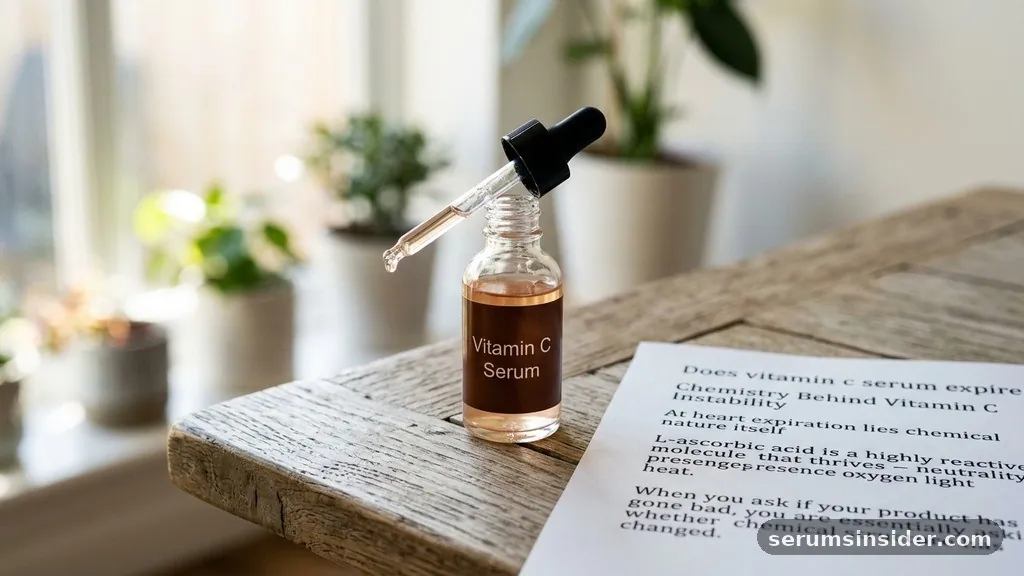
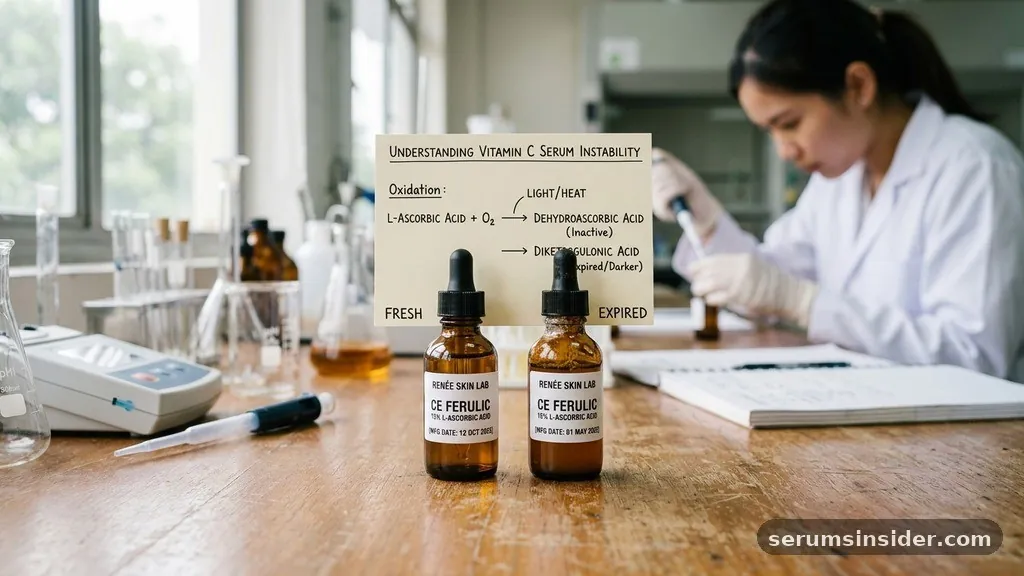
At the heart of the expiration question lies the chemical nature of the ingredient itself. L-ascorbic acid is a highly reactive molecule that thrives on neutrality but struggles in the presence of oxygen, light, and heat. When you ask if your product has gone bad, you are essentially asking whether the chemical structure of the vitamin has undergone oxidation. This process occurs when the molecules lose electrons, transforming the once-clear or light-colored liquid into something less effective or even potentially irritating.
The formulation of your vitamin serum plays a massive role in how quickly this transition happens. Manufacturers often include stabilizers to slow down this degradation. Ingredients like ferulic acid, for instance, are frequently paired with vitamin C because they help stabilize the formula and enhance its antioxidant capabilities.
Even with these boosters, the clock starts ticking the moment the seal on the bottle is broken. Once the formula is exposed to the air, the internal chemical balance shifts, and the efficacy of the treatment begins to decline. This is why many experts emphasize that the shelf life of these products is significantly shorter than that of heavier creams or stable oils.
Identifying Signs of an Expired Product
Knowing the visual and olfactory cues that indicate a product has turned is a vital skill for any skincare enthusiast. The most common indicator that your serum has expired is a distinct color change. A fresh, high-quality acid serum is typically clear or perhaps a very pale straw color.
If you notice your serum turning a deep yellow, orange, or even brown, it is a clear signal that oxidation has occurred. This darkening happens because the L-ascorbic acid has degraded into dehydroascorbic acid and other byproducts.
Beyond color, the smell is a reliable indicator. While some serums have a naturally tangy or metallic scent due to their low pH, a serum that has “gone bad” often develops an off-putting, rancid, or overly sour smell. You should also pay attention to the texture.
If the consistency has become gritty, sticky, or shows signs of separation, it is best to stop using it immediately. Relying on your senses is often more accurate than simply looking at the date printed on the packaging, as environmental storage conditions can cause a product to expire much faster than the manufacturer anticipated.
The Impact of Environmental Exposure
The environment in which you store your skincare products is the primary driver of premature expiration. Light, heat, and exposure to oxygen are the three main enemies of an effective vitamin C formulation. Many people keep their skincare on a vanity near a window or in a bathroom where steam and temperature fluctuations are common.
Unfortunately, these are the worst possible places for an active vitamin serum. UV rays can penetrate through clear glass bottles, accelerating the breakdown of the active ingredients, while heat can alter the chemical bonds within the formula, rendering it useless.
To maximize the longevity of your product, you must treat it with care. Storing your serum in a cool, dark place—such as a drawer or a dedicated skincare fridge—can significantly extend its usable lifespan.
Some users wonder if a refrigerator is necessary; while not strictly required for every formula, keeping your serum at a consistent, cool temperature is a gold-standard practice. By minimizing exposure to the elements, you ensure that the product remains fresh for as long as possible, allowing you to reap the full benefits of the antioxidants right up until the end of its life.
Distinguishing Between Expiration Dates and Oxidation
It is crucial to distinguish between the formal expiration date stamped on the box and the functional life of the product once opened. The date provided by the manufacturer usually refers to the unopened state of the product when stored under ideal conditions. However, the period after opening (often indicated by the “PAO” symbol, which looks like an open jar with a number, such as 6M or 12M) is a more accurate guide for when you should consider the formula compromised.
| Factor | Impact on Shelf Life |
|---|---|
| Light Exposure | High (Accelerates degradation) |
| Heat/Humidity | High (Causes chemical instability) |
| Air Exposure | Moderate (Starts the oxidation process) |
| Bottle Design | Low (Opaque/Airless pumps extend life) |
Even if you are within the PAO window, the product can still go bad if you are careless with the dropper or pump. Touching the pipette to your face or leaving the cap off for extended periods introduces bacteria and oxygen, both of which shorten the life of the formula.
Following the best practices for storage and application ensures that you get the best results from your investment. According to the American Academy of Dermatology, maintaining the integrity of your skincare ingredients is vital for achieving the desired therapeutic effects on the skin.
Topical Gaps: What Happens If You Use Expired Serum?
A common concern is whether applying an oxidized serum is dangerous. Generally, using a product that has turned yellow or brown is not necessarily “toxic” in a way that causes severe harm, but it is certainly not effective.
The primary risk is that the oxidized ingredients can act as pro-oxidants, potentially causing minor irritation or redness on sensitive skin. Furthermore, because the active ingredients have degraded, you are essentially applying a base liquid that provides no antioxidant protection, meaning you are losing the anti-aging and brightening benefits you bought the product for in the first place.
Many users ask if there is a way to “save” an oxidized serum. Unfortunately, there is not. Once the chemical composition has changed through oxidation, you cannot reverse the process.
Attempting to use a degraded product often leads to a false sense of security, as you might believe you are protecting your skin from free radicals when, in reality, the serum is no longer performing its function. If you are ever in doubt, the safest path is to discard the product. The cost of replacing a bottle is significantly lower than the potential cost of treating a reaction or dealing with the frustration of an ineffective skincare routine.
Strategies to Prevent Premature Degradation
To avoid the disappointment of having to throw away a half-full bottle, you should adopt a proactive strategy for your vitamin serums. First, look for packaging that is designed to protect the formula. Bottles made of dark or opaque glass are superior to clear glass because they block UV light.
Even better are airless pump bottles, which prevent oxygen from entering the container every time you dispense the product. This design is highly effective at keeping the formula fresh from the first drop to the last.
- Store your serum in a cool, dark cabinet or a dedicated skincare fridge.
- Avoid keeping your skincare in the bathroom, where high heat and humidity levels are constant.
- Always ensure the cap is screwed on tightly immediately after each use.
- Never touch the dropper to your skin; dispense the product into your palm or onto your fingertips to keep the bottle sterile.
- Buy smaller bottles if you find that you cannot finish a standard size before the product begins to change color.
By following these simple habits, you can significantly prolong the shelf life of your products. Consistency is key in skincare, and by ensuring your products remain in their optimal state, you maintain the effective delivery of nutrients to your skin. Remember that time is the ultimate enemy of any active ingredient; buying only what you can reasonably use within a few months is a smart, budget-friendly, and skin-conscious approach to building your routine.
Frequently Asked Questions
Can I still use my vitamin C serum if it has turned a light yellow color?
While a very faint shift to straw color is sometimes normal for certain formulations, a distinct yellow or orange tint usually indicates oxidation. It is generally recommended to discontinue use, as the product has likely lost its potency and could potentially cause irritation to your skin.
Does keeping my serum in the fridge really help extend its life?
Yes, storing your serum in a cool environment, like a skincare fridge, slows down the chemical reactions that cause oxidation. By reducing exposure to heat and light, you can help maintain the stability and efficacy of the formula for a longer period than if it were kept at room temperature.
How long can I expect a typical vitamin C serum to last once opened?
Most vitamin C serums are designed to remain stable for three to six months after opening, provided they are stored correctly. Always check the PAO symbol on the packaging, which indicates the number of months the product is guaranteed to be effective after the seal is broken.
Is it harmful to use an expired vitamin C serum on my face?
Using an expired serum is rarely dangerous in a severe medical sense, but it is counterproductive. The active ingredients have likely broken down, meaning you won’t get the antioxidant benefits, and the oxidized components may cause skin sensitivity, redness, or breakouts in some individuals. Always prioritize freshness.
In conclusion, knowing whether your vitamin C serum has expired comes down to monitoring changes in color, scent, and texture. While the chemical nature of the ingredient makes it prone to degradation, thoughtful storage and smart purchasing habits can ensure that you are always applying a potent, effective product. Treat your skincare with the same care you would any other high-performance item, and your skin will thank you for it.