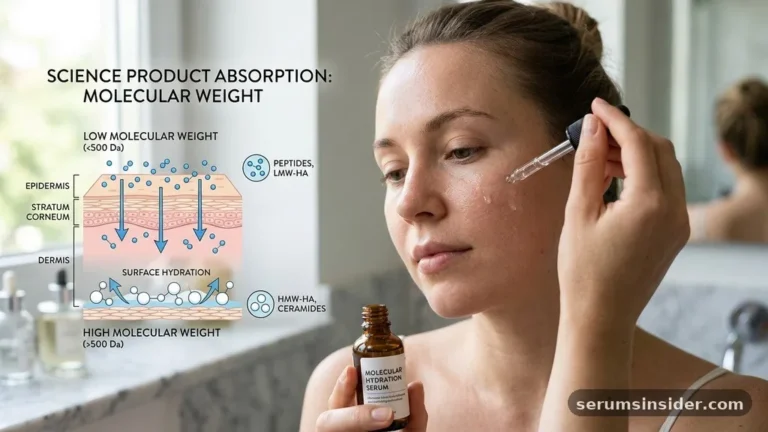
The quest for a brighter, more radiant complexion often leads skincare enthusiasts to incorporate a vitamin C serum into their daily regimen. While this potent antioxidant is widely celebrated for its ability to fade hyper-pigmentation and protect the skin from environmental stressors, a recurring question persists among users: does vitamin c serum cause acne?
The short answer is that pure vitamin C itself is rarely the culprit, but the delivery system, the specific formulation, and the way your skin reacts to new products can trigger unexpected reactions. Understanding the nuances of these ingredients is essential for anyone looking to optimize their skincare routine without compromising their skin barrier.
Understanding the Relationship Between Vitamin C and Breakouts
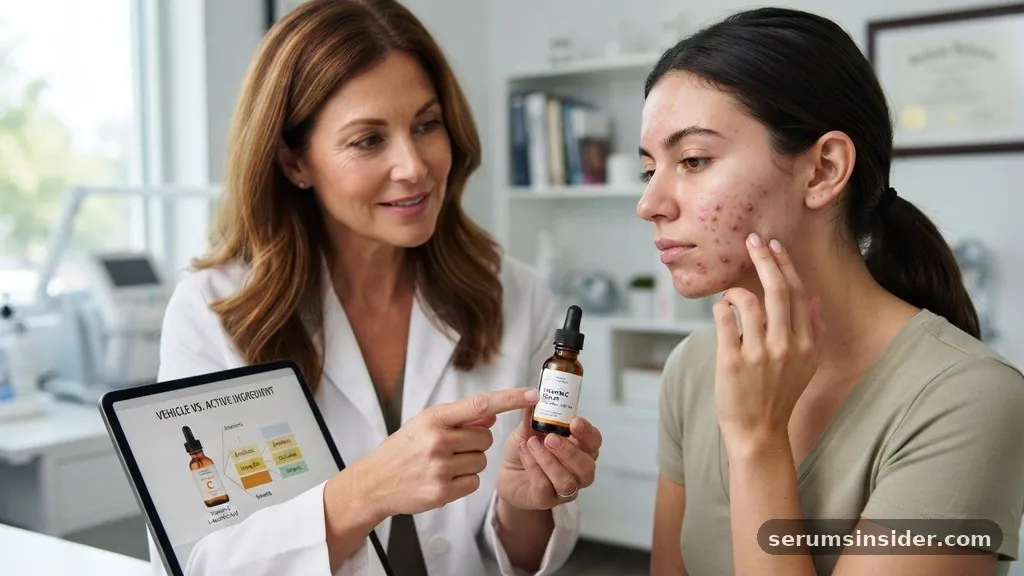
When users report that a product triggers acne breakouts, they are often experiencing a reaction to the vehicle—the base formula—rather than the active vitamin C molecule itself. Vitamin C, or L-ascorbic acid, is an acidic ingredient. In many cases, manufacturers mix this acid with occlusive agents, heavy oils, or silicones to ensure stability and improve texture.
If your skin is prone to congestion, these additives can clog pores and lead to pimples. Furthermore, the pH level of high-concentration vitamin C serums is typically low, which can cause temporary irritation. When the skin barrier is compromised by irritation, it becomes more susceptible to bacterial growth and inflammatory responses, potentially mimicking an acne flare-up.
It is also important to distinguish between a true acne breakout and a “purge.” Skin purging occurs when an active ingredient accelerates cell turnover, bringing underlying congestion to the surface faster than normal.
While vitamin C is not a traditional exfoliating acid like glycolic or salicylic acid, some highly active formulas can stimulate enough cellular activity to cause a short-term increase in surface-level blemishes. If you notice small, temporary bumps shortly after introducing a new product, it might be a process of clearing out existing debris rather than a negative reaction to the serum itself.
Common Ingredients That Might Trigger Acne
The primary reason a serum might cause acne is the inclusion of comedogenic ingredients. Many serums utilize Vitamin E (tocopherol) or ferulic acid to stabilize the vitamin C, which is generally beneficial. However, some brands include coconut oil, cocoa butter, or certain esters that are known to block pores.
If you have oily or acne-prone skin, reading the label is non-negotiable. Look for products labeled “non-comedogenic” or “oil-free.” If you are curious about the specific properties of common skincare components, you can refer to the American Academy of Dermatology guidelines on selecting products that won’t exacerbate blemishes.
Beyond oils, the concentration of the acid matters. A very high concentration, such as 20% or more, can be too harsh for sensitive skin. This intensity can lead to redness and inflammation, which the body may interpret as a signal to produce more sebum, effectively creating a cycle of oiliness and congestion.
If you are starting a new product, it is often better to opt for a lower concentration—typically between 5% and 10%—to allow your skin to acclimate. This gradual approach minimizes the risk of sudden reactions and helps you identify if the serum is truly compatible with your unique skin type.
Distinguishing Irritation from True Acne
One of the most frequent mistakes users make is misidentifying contact dermatitis or irritation as acne. Irritation often presents as red, itchy, or stinging patches on the face. Unlike acne, which typically involves deep-seated clogs or inflamed whiteheads, irritation caused by a serum is often a localized reaction to the acidity or a preservative in the formula. If your skin feels tight, hot, or sensitive to the touch, you are likely experiencing a reaction to the potency of the product rather than a classic breakout.
To determine if your serum is the source of the problem, consider the “patch test” method. Apply a small amount of the product to your inner forearm or behind your ear for a few days. If you do not see a reaction there, but you do see pimples on your face, the issue might be specific to the skin on your face, which is often more sensitive and prone to pore-clogging.
Keeping a simple log of your routine can also help. If you add a new product and notice issues within 24 to 48 hours, it is a strong indicator that the product is either irritating your skin or causing an immediate pore blockage.
The Role of Formulation and Stability
The stability of vitamin C is a major challenge for cosmetic chemists. L-ascorbic acid oxidizes rapidly when exposed to light, air, and heat. When a serum oxidizes, it turns a brownish or orange color and loses its efficacy.
More importantly, oxidized ingredients can become potentially irritating or sensitizing to the skin. If you have been using a bottle for several months and notice the color has shifted, it is time to discard it. Using an unstable product is one of the most common ways to accidentally introduce irritants to your skin, which can lead to inflammation and exacerbate existing acne breakouts.
Furthermore, the delivery system—whether it is a water-based serum, a silicone-based suspension, or an oil-based formula—plays a massive role. Water-based serums are generally the safest bet for acne-prone individuals because they are lightweight and absorb quickly. Conversely, silicone-based formulas provide a smooth, velvety finish that some people find clogs their pores over time.
If you suspect your serum is causing issues, try switching to a different base formulation. Sometimes, the active ingredient is perfectly fine, but the medium carrying it is simply not the right fit for your skin’s specific physiology.
Best Practices for Using Vitamin C Safely
If you want to reap the benefits of vitamin C without the risk of breakouts, follow a structured approach to integration. Start by cleaning your skin thoroughly. A gentle, pH-balanced wash will remove surface oils and environmental debris, creating a clean canvas for your serum.
Apply the serum to dry skin, as applying it to damp skin can increase penetration and potentially cause stinging. Once the serum has fully absorbed—usually after about one to two minutes—follow up with a lightweight, non-comedogenic moisturizer. This seals in the hydration and provides a buffer for your skin barrier.
Below is a summary of how to manage your routine to avoid common pitfalls:
- Introduce only one new product at a time to isolate potential reactions.
- Check the ingredient list for heavy oils like coconut or isopropyl myristate.
- Store your serum in a cool, dark place to prevent premature oxidation.
- Limit application to once daily, preferably in the morning, to leverage antioxidant protection.
- Monitor your skin for signs of stinging or excessive redness.
By following these steps, you can significantly reduce the likelihood of a negative reaction. Consistency is key in skincare, but it must be paired with careful observation of how your skin responds to each individual item in your collection.
Addressing Topical Gaps and Common Misconceptions
Many users turn to social media for advice, where anecdotal evidence often takes precedence over dermatological fact. You may see claims that vitamin C is a “cure” for acne, while others claim it is the “cause.” The truth is that vitamin C is a versatile tool, but it is not a primary acne treatment.
It is an antioxidant that helps with post-inflammatory hyper-pigmentation—the dark spots left behind after a pimple has healed. It does not kill the bacteria responsible for acne, nor does it regulate oil production in the same way that retinoids or salicylic acid do.
The following table compares vitamin C with other common acne-targeting ingredients to help you understand where it fits in your routine:
| Ingredient | Primary Function | Acne-Fighting Potential |
|---|---|---|
| Vitamin C | Brightening/Antioxidant | Low (Fades scars only) |
| Salicylic Acid | Exfoliation/Pore Clearing | High |
| Benzoyl Peroxide | Antibacterial | High |
| Niacinamide | Oil Regulation/Soothing | Moderate |
Understanding these distinctions prevents the common error of replacing a proven acne medication with a brightening serum. If your primary goal is to clear active acne, focus on ingredients like salicylic acid or benzoyl peroxide first.
Once your skin is clear, you can introduce vitamin C to address the lingering marks and improve overall skin tone. This strategic layering ensures you aren’t asking one product to perform a task it wasn’t designed for, which often leads to frustration and the mistaken belief that the product is causing harm.
Conclusion and Final Thoughts
So, does vitamin c serum cause acne? For the vast majority of people, the answer is no—provided the product is well-formulated and suited to their skin type. When breakouts occur, they are typically the result of comedogenic fillers, an unstable product, or an overly aggressive application strategy that irritates the skin barrier.
By choosing high-quality formulas, patch-testing new additions, and maintaining a balanced routine, you can safely enjoy the brightening and protective benefits of vitamin C. Remember that your skin is dynamic; it reacts to your environment, your stress levels, and your overall health, not just the serums you apply.
Listen to your skin, be patient with new products, and prioritize barrier health above all else. With a mindful approach, you can achieve a glowing, clear complexion without the fear of unexpected reactions.