

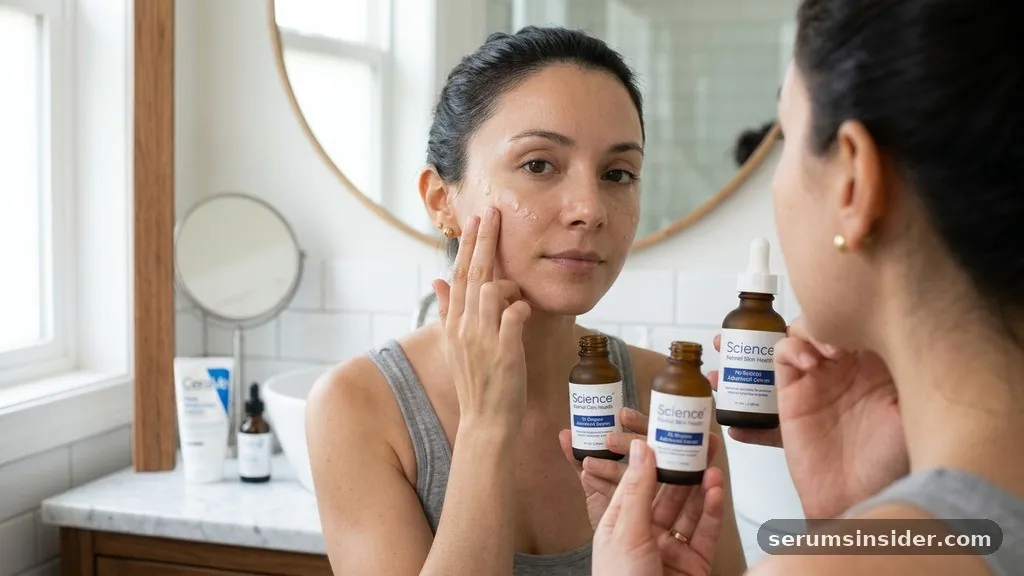
Achieving a radiant, youthful complexion often leads skincare enthusiasts to the gold standard of anti-aging: vitamin A derivatives. Learning how to apply retinol serum effectively is the single most important factor in determining whether you will see transformative results or struggle with unwanted side effects. While this potent ingredient is celebrated for its ability to diminish the appearance of fine lines, boost collagen production, and refine skin texture, it is also notoriously temperamental.
If used improperly, it can lead to redness, peeling, and sensitivity. By mastering the correct application technique and integrating it slowly into your skincare regimen, you can unlock the full potential of this powerful topical treatment without compromising your skin barrier.
The Science of Retinol and Skin Health
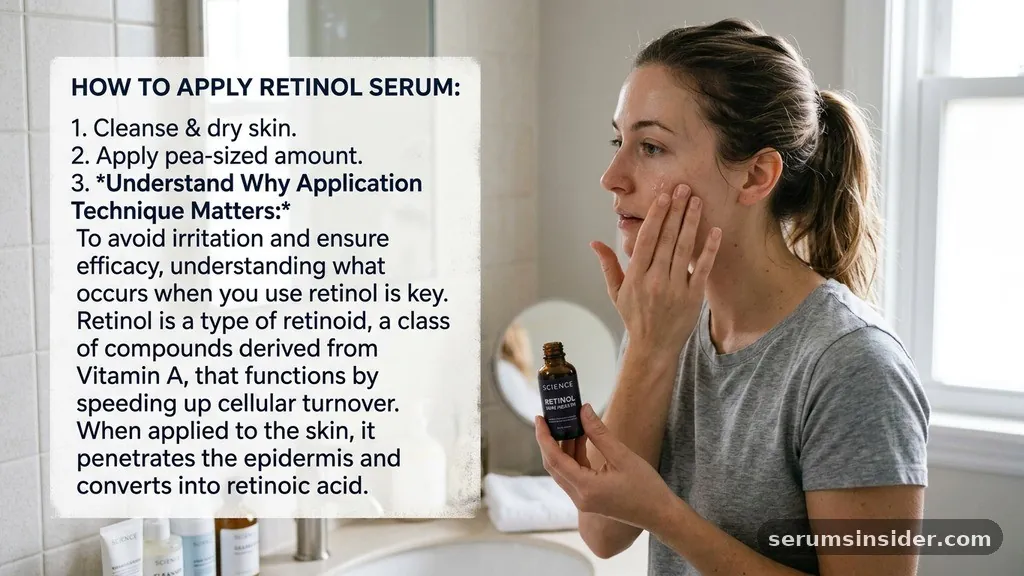
To understand why application technique matters, one must first understand what occurs when you use retinol. Retinol is a type of retinoid, a class of compounds derived from vitamin A that functions by speeding up cellular turnover. When applied to the skin, it penetrates the epidermis and converts into retinoic acid.
This process signals deeper layers of the dermis to produce more collagen and elastin, which are the structural proteins responsible for firmness and elasticity. Unlike many other products that simply exfoliate the surface, retinol works at a cellular level to communicate with your skin cells, effectively “teaching” them to behave like younger, healthier cells.
Because this biological shift is significant, the skin requires a period of adjustment. This transition phase is often referred to as “retinization.” During this time, the skin may experience dryness or flaking as the old, outer layer of cells is shed more rapidly than usual.
This is why the method of application—specifically starting with a low concentration and using a small amount—is non-negotiable. Whether you are using a standard retinol or a more hydrating formula like a squalane retinol blend, the objective remains the same: to introduce the active molecule consistently enough to induce change without overwhelming the skin’s natural protective moisture barrier. For more foundational information on how these compounds interact with the body, you can refer to the American Academy of Dermatology guidelines on topical treatments.
Preparing Your Skin for Retinol Application
Before you even reach for the bottle, your skin must be in the right state to receive the treatment. The cardinal rule of applying any night serum containing vitamin A is that the skin must be completely dry. Applying potent actives to damp skin can cause the product to penetrate too deeply and too quickly, which significantly increases the likelihood of irritation.
After cleansing your face with a gentle, non-stripping cleanser, wait at least ten to fifteen minutes before moving to the next step. This waiting period allows the water to evaporate fully from the surface of the skin and ensures the pH level is stable.
Many beginners make the mistake of using a harsh toner or an exfoliating wash immediately before their retinol night application. This is a common trap that leads to damaged barriers. Instead, opt for a simple, hydrating cleanser that removes dirt and oil without leaving your skin feeling “tight.”
If you have particularly sensitive skin, you might even consider the “sandwich method,” where you apply a thin layer of a gentle, non-comedogenic moisturizer before your retinol, followed by another layer of moisturizer on top. This buffer zone slows down the absorption rate of the active, allowing your skin to acclimate to the treatment with minimal disruption to your daily life.
Mastering the Application Technique
The golden rule when learning how to apply retinol serum is that less is almost always more. A pea-sized amount is the standard recommendation for the entire face. It is easy to assume that using more product will lead to faster or more dramatic results, but with retinoids, this logic is flawed.
Over-applying does not accelerate the anti-aging benefits; it only accelerates the inflammation. To ensure even coverage, dispense the pea-sized amount onto your fingertips, rub them together, and then gently pat the product onto your forehead, cheeks, and chin. Avoid the delicate skin directly around the eyes and lips unless the product is specifically formulated for those areas, as the skin there is much thinner and prone to sensitivity.
Consistency is far more important than quantity. You are better off using a tiny amount three times a week for a year than using a large amount every night for two weeks and then stopping because your face is red and peeling. As your skin builds tolerance, you can gradually increase the frequency of use.
Many people find success by starting with two nights on, one night off, eventually working their way up to nightly application if their skin remains comfortable. Pay attention to how your skin feels each morning; if you notice stinging or excessive redness, pull back the frequency or increase your moisturizing steps.
Navigating Potential Side Effects and Irritation
Even with the most careful application, it is common to experience mild side effects during the first few weeks. The most common signs of an over-reactive response include dryness, tight sensations, and mild flaking. This is usually just the skin adjusting to the increased rate of cell turnover.
However, it is vital to distinguish between normal adjustment and a compromised barrier. If you notice burning, intense itching, or raw, weeping skin, you have likely pushed your skin too far. In such cases, stop using the product entirely for several days and focus exclusively on hydration and barrier repair with ingredients like ceramides or hyaluronic acid.
Another common issue is the “retinol uglies,” where the skin looks slightly worse before it looks better. This is often caused by the purging phase, where the product brings underlying congestion to the surface more rapidly. This is a temporary process and a sign that the products are actually working.
To mitigate the severity of these effects, you must prioritize sun protection during the day. Retinoids make the skin more sensitive to ultraviolet light, so applying a broad-spectrum SPF 30 or higher every single morning is mandatory. Failing to protect your skin from the sun can lead to dark spots and hyperpigmentation, effectively undoing the anti-aging work the retinol is performing at night.
Strategic Ingredient Pairing and Avoidance
One of the most important aspects of a successful routine is knowing what you can and cannot mix with your retinol. Because retinol is a highly active ingredient, it should generally be kept separate from other potent exfoliants.
Using products like lactic acid, glycolic acid, or salicylic acid at the same time as your retinol is a recipe for disaster. These ingredients also work to resurface the skin, and layering them together can strip the lipid barrier, leaving your skin vulnerable to infection, breakouts, and chronic sensitivity.
The following table outlines how to manage your evening routine to avoid negative interactions:
| Ingredient Category | Interaction with Retinol | Best Practice |
|---|---|---|
| AHAs/BHAs (Lactic/Salicylic) | High risk of irritation | Use on alternating nights only |
| Vitamin C | Potential for instability | Use Vitamin C in the morning |
| Hyaluronic Acid | Highly compatible | Use together for hydration |
| Niacinamide | Soothing/Synergistic | Use as a calming layer |
By keeping your active ingredients on separate schedules, you ensure that each product performs its job without causing unnecessary distress to your skin. If you want to incorporate multiple actives, consider a “cycling” approach where you rotate through different treatments throughout the week. This allows you to reap the benefits of various beauty ingredients without overloading your skin at any single point in time.
Answering Topical Gaps: Retinaldehyde vs. Retinol
A common point of confusion for those starting their journey is the difference between retinol and retinal (or retinaldehyde). While both are members of the retinoid family, they differ in their conversion process. Retinol requires two metabolic steps to become active retinoic acid within the skin, whereas retinal only requires one.
This makes retinal technically faster-acting and potentially more potent, though it can also be more irritating for some. If you find that standard retinol is not providing the results you desire after several months of consistent use, you might consider stepping up to a retinaldehyde-based formula.
However, regardless of which form you choose, the application fundamentals remain identical. Always start low and go slow. Another frequent question involves the age at which one should start.
While there is no “magic” age, many dermatologists suggest that people in their mid-twenties can begin a preventative regimen, as collagen production naturally begins to decline during this decade. The key is to view this as a long-term investment rather than a quick fix. Because the skin takes approximately 28 to 40 days to complete a full cell turnover cycle, it is essential to be patient.
Do not expect to see dramatic changes in your fine lines within a week. Real, visible improvement usually takes about three to six months of dedicated, consistent usage. By staying the course and listening to your skin’s feedback, you will establish a sustainable practice that keeps your complexion healthy and vibrant for years to come.
Frequently Asked Questions
- Can I use retinol serum every day? It is best to start by using it two to three times per week. Once your skin builds tolerance and shows no signs of irritation like redness or peeling, you can gradually increase frequency to nightly usage if your skin remains comfortable.
- What should I never mix with retinol? Avoid layering retinol with other strong exfoliants like AHAs (glycolic or lactic acid) or BHAs (salicylic acid) in the same session. These combinations can strip your moisture barrier. Always use these actives on alternating nights to prevent severe irritation and sensitivity.
- Is it okay to leave retinol on overnight? Yes, retinol is designed to be a night treatment. It is most effective when left on the skin overnight to work during your body’s natural repair cycle. Always wash it off in the morning and apply a broad-spectrum sunscreen as part of your daily routine.
- Can I use retinol if I have dry skin? You can, but you must be extra diligent about hydration. Using the “sandwich method”—applying a layer of moisturizer before and after your retinol—can help mitigate dryness. Choose a formula that includes hydrating ingredients like ceramides or glycerin to support your skin barrier.
In conclusion, learning how to apply retinol serum is about balance, patience, and protection. By respecting the potency of this ingredient and allowing your skin the time it needs to adapt, you can successfully integrate it into your life. Remember that the goal is not to force rapid changes, but to encourage healthy, long-term skin function.
Keep your routine simple, prioritize hydration, and never skip your morning SPF. With this measured approach, you will be well on your way to achieving a clearer, smoother, and more resilient complexion.


