

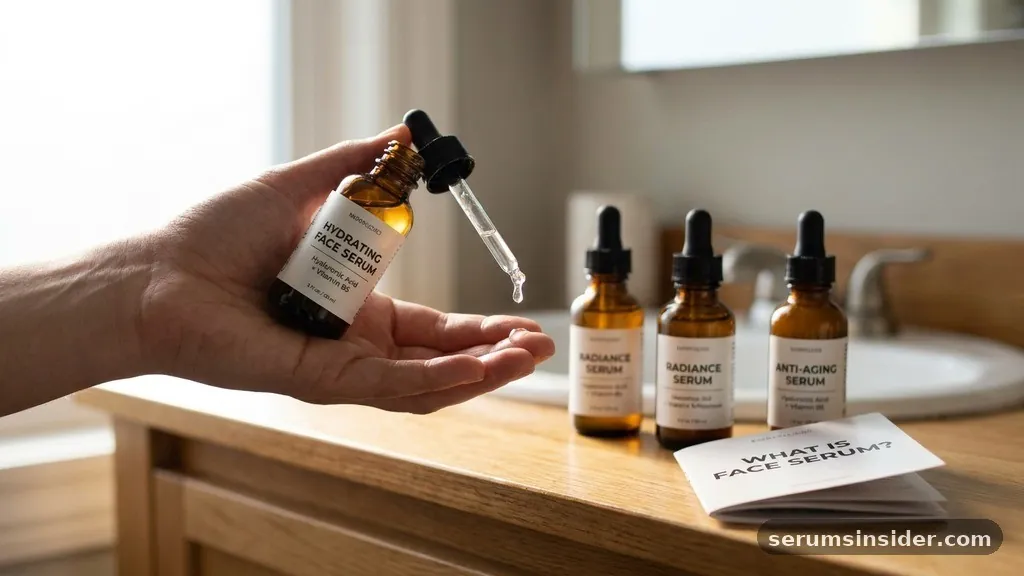
What is face serum? It’s a lightweight skincare product designed to deliver a concentrated blend of selected ingredients to the skin.
Compared with a typical cream or lotion, a serum usually has a thinner texture and a more focused purpose, such as adding hydration, supporting an even-looking complexion, or helping skin appear smoother. The right formula can simplify a routine, but choosing one requires understanding your skin, the ingredients, and how the product fits with cleanser and moisturiser.
What Is Face Serum and What Does It Do?
Face serum is a targeted skincare product that contains a high concentration of specific cosmetic ingredients. Its primary role is to address one or more concerns with a lighter formula than many moisturisers. A serum might be made for hydration, visible dullness, uneven tone, excess oil, dryness, or the appearance of fine lines. It isn’t a single ingredient or a fixed product category with one universal formula. “Serum” describes a format and a focused approach to skincare.
Most serums are applied after cleansing and before moisturising. The cleanser removes surface oil, makeup, sunscreen, and daily debris.
The serum then supplies its selected ingredients, while moisturiser helps reduce water loss and leaves the skin feeling more comfortable. During the daytime, sunscreen is generally the final skincare step before makeup, if makeup is worn.
Serums often feel different from creams because they contain less of the rich, occlusive ingredients that create a heavier texture. Some are watery and spread quickly. Others are gel-like, milky, or slightly oily.
Texture alone doesn’t determine whether a serum is effective or suitable. A watery product may be ideal for oily skin, while a richer serum can be more comfortable for dry skin.
The word “concentrated” also needs context. It doesn’t automatically mean that a serum is stronger, better, or appropriate for every person. A product can contain a high level of an ingredient and still be poorly matched to a particular skin type.
More active ingredients may also increase the chance of irritation. Good skincare depends on the combination of formula, frequency, application method, and individual tolerance.
A serum can be useful, but it isn’t mandatory. A basic routine with a gentle cleanser, moisturiser, and broad-spectrum sunscreen may be enough for many people. Serum adds a targeted option when a specific concern remains, or when someone wants a particular sensory experience, such as lightweight hydration.
How Face Serum Differs From Moisturiser, Toner and Facial Oil
A serum usually targets a specific concern, while a moisturiser mainly supports skin comfort and helps reduce moisture loss. The products can overlap, but they aren’t interchangeable in every routine. Understanding their roles prevents a common mistake: expecting one product to perform every skincare function.
Moisturiser is typically formulated to soften the skin and support its protective barrier. It may contain humectants, emollients, and occlusive ingredients.
Humectants attract water, emollients improve softness, and occlusives help slow water evaporation. A serum may include some of these ingredients, but many are designed around a narrower objective.
Toner is usually a liquid applied after cleansing. Modern toners vary widely. Some focus on hydration, while others contain exfoliating ingredients or soothing components.
A hydrating toner and a hydrating serum may appear similar, but the texture, ingredient concentration, and intended use can differ. Toner isn’t an essential step for everyone.
Facial oil is primarily oil-based. It can make skin feel softer and may help reduce the dry, tight sensation associated with moisture loss.
Oils don’t provide the same water-based hydration as a humectant serum, although some products combine oil and water phases. Facial oils may be applied after a water-based serum or moisturiser, depending on the formula and the user’s preference.
| Product | Typical texture | Main role | Common place in a routine |
|---|---|---|---|
| Serum | Thin liquid, gel, milky lotion or light oil | Targets a selected skincare concern | After cleansing, before moisturiser |
| Moisturiser | Cream, lotion, gel or balm | Softens skin and supports comfort | After serum; sunscreen follows in the morning |
| Toner | Usually a light liquid | May hydrate, refresh or provide gentle exfoliation | Usually after cleansing, if used |
| Facial oil | Liquid oil | Provides emollience and a softer skin feel | Often later in the routine |
Layering order is not a rigid scientific law, but applying lighter products before heavier ones is a practical starting point. The product label matters too. A serum with a rich oil texture may work better later than a watery gel, even though both are sold as serums.
Common Types of Face Serum and Their Ingredients
The best serum type depends on the skin concern you want to address and how well your skin tolerates the formula. Looking at the ingredient list is more useful than relying only on labels such as “glow,” “age-defying,” or “pore refining.” Marketing language can suggest a goal, but the ingredient list shows what the product actually contains.
Hydrating serums
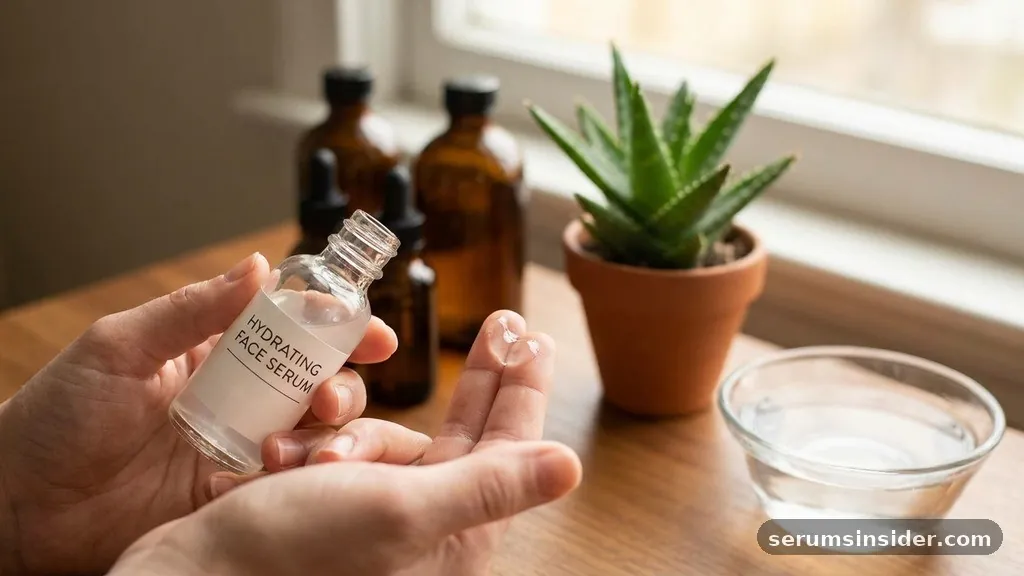
Hydrating formulas often use humectants, including ingredients such as glycerin or hyaluronic acid. These ingredients help attract water to the outer layers of the skin, which can make skin feel more supple and less tight.
Hydrating serums are often suitable for dry or dehydrated-feeling skin, but oily skin can benefit from them too. A lightweight gel may provide hydration without the feel of a heavy cream.
Antioxidant serums
Antioxidant formulas commonly include vitamin C derivatives, vitamin E, or other antioxidant ingredients. They are often marketed for dull-looking skin and uneven-looking tone.
Some vitamin C products can be irritating, especially when introduced too frequently or combined with several other active products. Packaging and storage can matter because certain formulas are sensitive to light and air.
Exfoliating serums
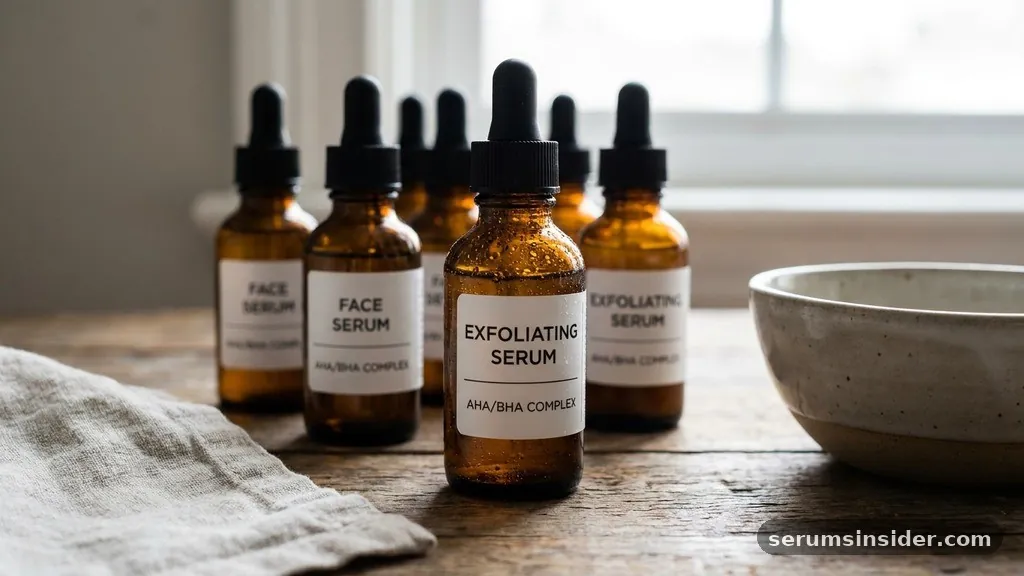
These products may contain alpha hydroxy acids, beta hydroxy acids, or other exfoliating ingredients. They are used to loosen the bonds between dead surface cells or help improve the appearance of blocked pores, depending on the formula.
Exfoliating serums require restraint. Using one too often can leave skin feeling stinging, dry, tight, or visibly irritated.
Retinoid-based products
Retinoid products are associated with improving the appearance of uneven texture and fine lines, but they can cause dryness or irritation during adjustment. They’re generally introduced gradually and used according to product directions. People who are pregnant, trying to become pregnant, or breastfeeding should ask a qualified healthcare professional about suitable ingredients before using a retinoid product.
Soothing and barrier-supporting serums
Some serums focus on ingredients intended to support a comfortable skin barrier, such as panthenol, allantoin, ceramides, or selected botanical ingredients. These formulas may suit people whose skin feels dry or easily irritated, although “soothing” doesn’t guarantee that every ingredient will agree with every person. Fragrance and essential oils can be problematic for some sensitive users.
- Dry or tight-feeling skin: consider a hydrating serum and follow it with moisturiser.
- Oily or combination skin: look for a light, non-greasy texture and avoid layering too many rich products.
- Uneven-looking tone: consider a carefully selected antioxidant or brightening formula.
- Rough texture: an exfoliating or retinoid product may be relevant, but introduce only one active at a time.
- Reactive skin: prioritise a short ingredient list, gentle application, and patch testing.
These categories can overlap. A product may combine hydration with antioxidants, or soothing ingredients with a mild exfoliant.
Combination formulas are convenient, but they can make it harder to identify which ingredient causes irritation. Simpler routines are often easier to assess.
Face Serum Benefits, Limitations and Realistic Expectations
A face serum may improve the way skin feels and looks, but results depend on the formula, consistent use, and the concern being addressed. A hydrating serum may make skin feel more comfortable relatively quickly. Changes related to texture or uneven-looking tone typically require more patience and consistent sun protection. No topical product can transform every aspect of skin overnight.
One benefit of serum is precision. Instead of applying a rich cream across the entire face, a person can select a lightweight product for a particular goal.
This can be useful for combination skin, where the cheeks feel dry but the forehead becomes oily. A water-based serum may be applied across the face, followed by different moisturisers on different areas if needed.
Serums can also improve routine flexibility. Someone who dislikes heavy products might choose a gel serum under a light moisturiser.
Someone with dry skin may layer a hydrating serum beneath a richer cream. The product becomes part of a system rather than a replacement for every other step.
There are limits. A serum cannot replace sunscreen, especially when the concern involves visible uneven tone or sun-related changes.
It also can’t diagnose acne, eczema, rosacea, persistent redness, or an allergic reaction. Skin concerns that are painful, rapidly changing, infected-looking, or resistant to basic care deserve professional medical advice.
Results are influenced by several factors:
- The active or supportive ingredients included in the formula.
- The condition and sensitivity of the person’s skin.
- How often the product is applied.
- Whether other products create irritation or dryness.
- Daily exposure to sunlight and the use of suitable sunscreen.
Be cautious with dramatic claims. Words such as “instant,” “permanent,” or “miracle” often describe marketing rather than a realistic expectation. A better question is: what specific change should this product reasonably support, and how will I know whether it is helping?
How to Choose a Face Serum for Your Skin
Choose a serum by starting with one clear goal, then check its ingredients, texture, and tolerance. Buying several active products at once makes it difficult to identify what works. It also increases the likelihood of overloading the skin.
First, describe the concern in practical terms. “My skin feels tight after washing” points toward hydration and gentler cleansing. “My T-zone looks shiny by midday” may call for a light texture and a routine that doesn’t rely on excessive drying. “My skin looks uneven” requires a broader approach that includes sunscreen and possibly a suitable brightening or antioxidant product.
Next, examine the formula. Ingredients appear in descending order of predominance for much of the list, although the exact interpretation depends on labelling rules and the ingredient’s concentration.
Don’t judge a product by one famous ingredient alone. The vehicle, preservatives, fragrance, pH, and combination of ingredients can all influence how the product behaves on skin.
Texture matters because a product you dislike using won’t become effective through wishful thinking. Dry skin may prefer a serum that leaves a soft, cushioned finish.
Oily skin may favour a fluid that disappears quickly. Sensitive skin often benefits from avoiding unnecessary fragrance and introducing products one at a time.
Patch testing is a sensible precaution. Apply a small amount to a limited area according to the product’s directions and observe how your skin responds. A patch test cannot guarantee that a product will never irritate the face, but it can provide useful information before full application.
Look for clear instructions and sensible packaging. Some ingredients are less stable when repeatedly exposed to air or light.
A pump or opaque container may help protect a formula, depending on its design. If the colour, smell, or texture changes noticeably, stop using the product and check the manufacturer’s guidance.
How to Apply Face Serum Correctly
Apply face serum to clean skin, use the amount directed on the label, and follow with moisturiser when appropriate. More product is not necessarily more effective. Excess can pill under other products, feel sticky, or increase irritation without improving results.
A simple routine looks like this:
- Cleanse with a gentle product suited to your skin, then pat rather than aggressively rub the face dry.
- Apply toner only if it serves a purpose in your routine and is compatible with the serum.
- Spread the serum over the face as directed. Avoid the eye area unless the product is specifically intended for it.
- Allow the product to settle briefly if needed, then apply moisturiser.
- Use sunscreen during the day as the final protective skincare step.
Start slowly with products that contain exfoliating acids, retinoids, or other potentially irritating actives. Applying a new active every night can make irritation difficult to avoid.
A lower frequency gives you a clearer sense of how your skin responds. If burning, swelling, intense itching, or a persistent rash develops, discontinue the product and seek appropriate medical advice.
Serum can be applied to the whole face or selected areas, depending on the formula. Avoid broken skin unless the label specifically says otherwise.
Don’t mix several strong actives in your palm simply because they are all popular. Layering can be appropriate, but compatibility and tolerance matter more than having a crowded routine.
Storage is easy to overlook. Keep the product closed when not in use, follow any storage directions, and avoid leaving it in hot, bright places such as a sunny windowsill. Product instructions should take priority because formulas differ.
Topical Gaps: Safety, Compatibility and When to Seek Advice
Safe serum use requires attention to irritation, ingredient conflicts, product hygiene, and personal circumstances—not just the serum’s advertised benefit. These practical details are often less prominent than claims about glow or smoothness, yet they determine whether a product fits comfortably into a routine.
Introduce one new serum at a time. If several products are started together and the skin reacts, there’s no reliable way to identify the cause.
Keep the rest of the routine simple while assessing the new formula. A gentle cleanser, moisturiser, and daytime sunscreen provide a stable foundation.
Compatibility matters. An exfoliating serum combined with a retinoid, a strong antioxidant, or another exfoliant may be too much for some people.
That doesn’t mean the ingredients can never appear in the same overall routine. It means they may need to be separated by time, used on alternate days, or avoided together depending on the product directions and individual tolerance.
People with eczema, rosacea, active dermatitis, or a history of allergic reactions should be especially cautious. A serum marketed as natural can still contain fragrance, essential oils, or plant extracts that trigger discomfort. “Clean,” “organic,” and “natural” are not guarantees of gentleness.
Sun protection deserves a direct mention. Some exfoliating and retinoid products can make skin more vulnerable to irritation from sunlight, while sun exposure can undermine efforts to improve the appearance of uneven tone. The American Academy of Dermatology’s advice on skincare products offers general guidance, but a dermatologist or other qualified healthcare professional can give personalised advice for persistent or complicated concerns.
Finally, separate cosmetic care from medical treatment. A serum may support the appearance of skin, but it isn’t automatically an acne medication, prescription treatment, or cure for a skin condition. Seek professional guidance for severe breakouts, painful lesions, sudden changes, suspected infection, or symptoms that don’t improve with gentle care.
How to Build a Simple Serum Routine
A simple serum routine usually needs only one targeted product, a compatible moisturiser, and daytime sunscreen. Start with the smallest routine that addresses your main concern. You can add complexity later if there is a genuine reason.
For hydration, apply a humectant-focused serum after cleansing and seal it with moisturiser. If the skin still feels tight, reassess the cleanser and water temperature rather than automatically adding another active. Tightness can reflect an overly harsh cleansing routine.
For uneven-looking tone, use a suitable brightening or antioxidant serum and make sunscreen consistent. Applying a specialised product while skipping sun protection often leads to disappointing results. Introduce the serum gradually and avoid adding an exfoliant at the same time.
For rough texture, choose either an exfoliating product or a retinoid-based product as a starting point. Follow the directions carefully. Using both immediately may create dryness that makes the texture appear worse, not better.
For sensitive skin, keep expectations modest and prioritise comfort. A bland, fragrance-free moisturiser may be more useful than an ambitious collection of actives. If a serum repeatedly stings, causes redness, or leaves the skin tight, it isn’t the right product, regardless of how popular it is.
Review the routine after several weeks rather than changing it every few days. Skincare needs enough time for you to judge comfort, consistency, and visible changes. Take occasional photographs in similar lighting if you want to monitor gradual differences, but remember that lighting, facial expression, and hydration can affect appearance.
Frequently Asked Questions About Face Serum
Is face serum necessary in a skincare routine?
No. A serum is optional.
A gentle cleanser, suitable moisturiser, and daytime sunscreen may be enough for a basic routine. Serum becomes useful when you want to target a particular concern, such as dehydration or uneven-looking tone, with a lighter, more focused product.
Can I use face serum every day?
It depends on the formula and its ingredients. A gentle hydrating serum may be suitable for daily use, while exfoliating or retinoid products often need gradual introduction. Always follow the label directions and reduce frequency if your skin becomes dry, stinging, itchy, or visibly irritated.
Should serum go before or after moisturiser?
Most serums are applied after cleansing and before moisturiser, especially when they have a thin, water-based texture. Richer oil serums may work later in the routine. Product directions take priority, and sunscreen generally follows moisturiser in a daytime routine.
Can face serum replace moisturiser?
Usually, no. Some serums provide hydration, but moisturisers are generally designed to improve softness and help reduce moisture loss. If your skin feels comfortable with a serum alone, it may be enough for that moment, but many people benefit from applying moisturiser afterward.
How many face serums should I use at once?
There is no required number, and one is often enough. Multiple serums can increase the chance of pilling or irritation, particularly when they contain exfoliating or retinoid ingredients. Introduce products separately and combine them only when the formulas and your skin’s tolerance make that reasonable.


