Is Clinical Hydra-Cool Serum is a hydrating facial serum designed to make dry, tight, or stressed-looking skin feel more comfortable and appear fresher. It is often discussed for its combination of hyaluronic acid, botanical ingredients, antioxidants, and a cooling sensation. If you’re deciding whether this product suits your routine, the key questions are simple: what does it do, when should you use it, which skin types may benefit, and how should you judge the results?
This article explains the product’s role in a skin-care routine without treating marketing language as proof of a medical effect. The serum may support a smoother-looking complexion and temporary hydration, but it isn’t a substitute for treatment prescribed by a dermatologist. Your skin’s condition, other products, and application habits all affect how it performs.
What Is Clinical Hydra-Cool Serum?
Is Clinical Hydra-Cool Serum is a lightweight hydrating product intended for use on the face. It is generally positioned as a moisture-supporting serum rather than a cleanser, exfoliant, retinoid, or prescription treatment. That distinction matters because a serum can add targeted ingredients to a routine, but it does not replace the basic functions of cleansing, moisturising, and protecting the skin from ultraviolet exposure.
The “Hydra-Cool” name points to two central experiences: hydration and a cooling or refreshing feel. People may choose it after cleansing when their skin feels dry, uncomfortable, or depleted.
Others use it beneath moisturiser to give a dull-looking complexion a more supple appearance. The product’s texture is typically discussed as suitable for layering, although the exact feel can differ according to how much is applied and what follows it.
Its ingredient story commonly centres on humectant hydration and soothing support. Hyaluronic acid helps attract and hold water at the skin’s surface, while ingredients such as centella asiatica and mushroom extract are associated with a calming, conditioning role in cosmetic formulations. Antioxidants can help support the skin against everyday environmental stress, though a serum should not be described as a replacement for sunscreen or a treatment for diagnosed skin disease.
The product may be appealing if you want a concentrated step that feels more active than a basic cream but gentler than a strong exfoliating treatment. It can also fit routines that include other products, provided you introduce it thoughtfully.
A powerful routine isn’t necessarily a better routine. Compatibility and consistency usually matter more than the number of products on a shelf.
What the name does not mean
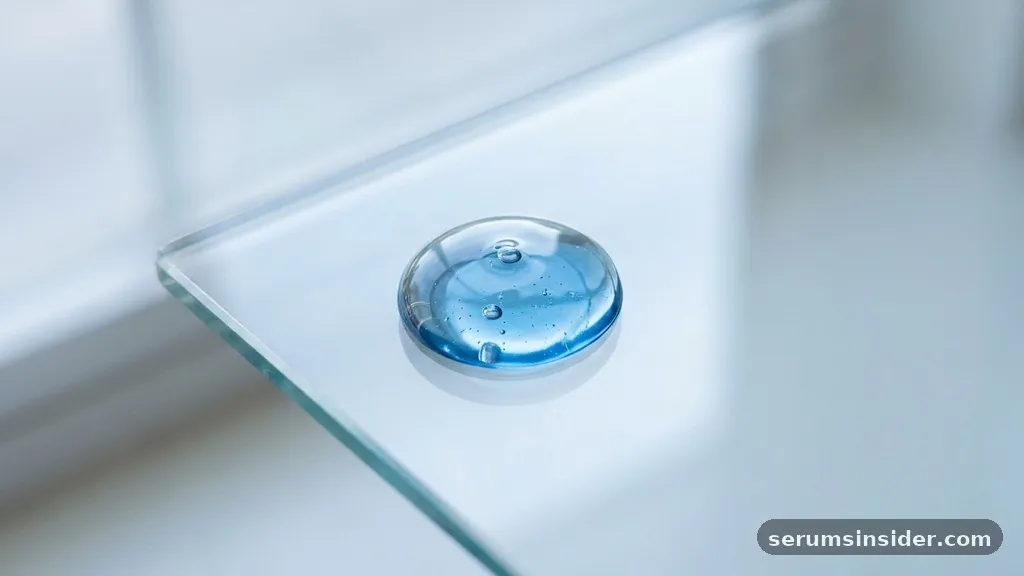
“Clinical” is part of the brand and product naming, but it shouldn’t automatically be interpreted as evidence that the serum treats a medical condition or has been proven superior for every user. Cosmetic results vary. A product can provide a pleasant cooling sensation and visible hydration while still being unsuitable for someone with a particular allergy, active irritation, or a skin condition that needs professional care.
Key Ingredients and How They May Support Skin
The main appeal of Hydra-Cool Serum is its blend of moisture-supporting and conditioning ingredients. Each ingredient category contributes something different, and understanding those roles helps you form realistic expectations. Hydration is not the same as permanent correction of wrinkles, acne, redness, or pigmentation.
Hyaluronic acid for surface hydration
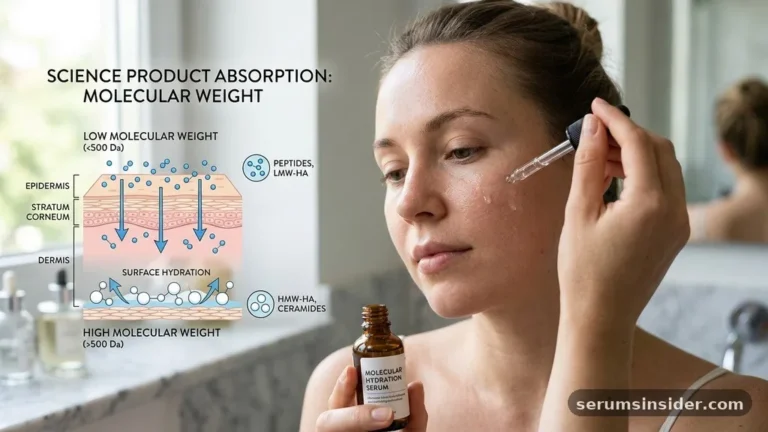
Hyaluronic acid is a humectant. In practical terms, humectants attract water and help the outer layer of skin maintain a more hydrated feel.
This can make the surface look temporarily plumper and reduce the look of fine dehydration lines. The result depends on the rest of your routine and the condition of your skin barrier.
For best results, many people apply a hydrating serum to slightly damp skin and follow with a moisturiser. The moisturiser helps reduce water loss by adding a more protective layer.
Applying a large amount of serum won’t necessarily produce more hydration. Too much product may pill, feel sticky, or clash with makeup and other layers.
Centella asiatica and botanical conditioning
Centella asiatica is a botanical ingredient frequently used in skin-care products aimed at comfort and barrier support. It may be attractive to people whose skin looks stressed after weather exposure, travel, over-cleansing, or a demanding routine.
However, “soothing” is not a guarantee that every sensitive person will tolerate a formula. Botanical ingredients can still cause reactions in some users.
Mushroom extract and antioxidants
Mushroom extract is another ingredient associated with conditioning and hydration-focused formulations. Antioxidants, meanwhile, are included to help defend cosmetic formulations or support skin exposed to environmental stressors.
The precise effect depends on the type, concentration, stability, and delivery of each ingredient. A product label is more useful than a broad promise about antioxidants in general.
Ingredient lists can change, and packaging for different markets may not be identical. Check the current label before buying, particularly if you have known sensitivities. Pay attention to fragrance, preservatives, botanical components, and any ingredients your clinician has advised you to avoid.
- Hyaluronic acid: supports a hydrated, smoother-feeling surface.
- Centella asiatica: may provide conditioning support for skin that feels stressed.
- Mushroom extract: contributes to the botanical and moisture-supporting profile.
- Antioxidants: help support a routine focused on environmental stress and skin appearance.
- Cooling feel: can make application feel refreshing, but sensation alone does not prove treatment performance.
Is Clinical Hydra-Cool Serum Benefits and Limitations
The most realistic benefits are temporary hydration, a fresher appearance, and improved comfort for skin that feels dry. People often look for an immediate glow, but a glow can mean several things: more light reflected from a smoother surface, moisturised skin that looks less dull, or simply a dewy finish from the product itself.
Some users may notice that makeup sits more evenly after applying a small amount beneath moisturiser. Others may appreciate the lightweight texture during warmer weather or after travel, when frequent washing, dry cabin air, and changes in climate can leave the face feeling tight. These are practical cosmetic benefits, not guarantees.
The serum may also complement a routine that includes treatments. For example, someone using a retinoid or exfoliating acid might prefer a separate hydration step to balance a routine that can feel drying.
That does not mean Hydra-Cool Serum prevents irritation caused by those products. If your skin is burning, peeling heavily, or persistently red, reducing the irritating product and seeking professional advice may be more appropriate than adding another layer.
| What you may want | How the serum may fit | What it cannot reliably promise |
|---|---|---|
| More comfortable dry-feeling skin | Adds a hydration-focused layer before moisturiser | A permanent change in the skin’s moisture balance |
| A fresher-looking complexion | Can leave the surface looking smoother or dewier | Removal of all dullness, pigmentation, or texture |
| A cooling application experience | May feel refreshing during use | Medical treatment for inflammation or skin disease |
| Support alongside active treatments | Provides a separate conditioning step | Guaranteed prevention of irritation or peeling |
There are limitations. A hydrating serum may not be enough for very dry skin without a richer moisturiser. It may not address excess oil, blocked pores, acne, or uneven pigmentation directly.
People with reactive skin may also find that a botanical ingredient or another component does not suit them. The right question is not whether the product is universally “great,” but whether its texture, ingredients, and role match your skin’s needs.
When to Use Is Clinical Hydra-Cool Serum
Use the serum after cleansing and before moisturiser, either in the morning, at night, or both if your skin tolerates it. A straightforward routine reduces the chance of confusion if irritation appears. Begin with clean skin, apply a modest amount, and allow it to settle before adding the next product.
A simple morning routine
- Cleanse gently, or rinse with water if a morning cleanser leaves your skin tight.
- Apply a small amount of Hydra-Cool Serum to the face and neck if desired, avoiding direct contact with the eyes.
- Follow with moisturiser if your skin needs additional comfort or barrier support.
- Finish with broad-spectrum sunscreen as the final major skin-care step.
Sunscreen remains essential because a hydrating or antioxidant serum does not provide dependable ultraviolet protection unless it is specifically labelled and tested as a sunscreen. For general advice about protecting skin from sun exposure, the American Academy of Dermatology’s information on patch testing skin-care products is also useful when introducing something new.
A simple evening routine
At night, cleanse away sunscreen, makeup, and daily debris. Apply the serum before a moisturiser.
If you also use an exfoliating acid, retinoid, or another treatment, introduce each product separately rather than changing the entire routine at once. This makes it easier to identify the cause of dryness or stinging.
Some people prefer applying Hydra-Cool Serum after an active treatment, while others place it before moisturiser as a straightforward hydration layer. Follow the directions supplied with your other treatments, especially prescription products. If a clinician has given you a specific order, that advice takes priority over general skin-care routines.
How much should you apply?
Start with enough to spread a thin, even layer. More is not automatically better.
If the serum rolls into small flakes, the issue may be excessive product, insufficient drying time, incompatible textures, or rubbing too vigorously. Let each layer settle and press rather than aggressively massage if your skin is easily irritated.
Who May Like It—and Who Should Be Careful?
Hydra-Cool Serum may suit people seeking lightweight hydration, especially those with normal, combination, dry, or dehydrated-feeling skin. Combination skin can benefit from applying a smaller amount to oilier areas and more to dry zones. Dry skin may need the serum underneath a richer cream rather than using it alone. Normal skin users may enjoy it as a flexible morning or evening product.
Sensitive skin requires a slower approach. A cooling sensation can feel pleasant, but coolness does not prove that the formula is calming. If your skin is already irritated, compromised, sunburned, or reacting to another product, wait until it is more settled or ask a qualified professional for advice.
Introduce the serum on a limited area first. Stop if you develop persistent burning, swelling, hives, or a worsening rash.
People with oily or acne-prone skin may still use hydrating products. Oiliness and dehydration can occur together.
The important considerations are the complete formula, the amount applied, and whether the product feels heavy or contributes to congestion for you. No cosmetic serum can guarantee acne improvement simply because it contains antioxidants or botanical extracts.
Those with known allergies should inspect the full ingredient list and contact the manufacturer or a healthcare professional if the label is unclear. Product names and packaging can appear similar, and online listings may contain incomplete information. Buy through a reliable source where the product’s condition and authenticity are easier to verify.
Patch testing and gradual introduction
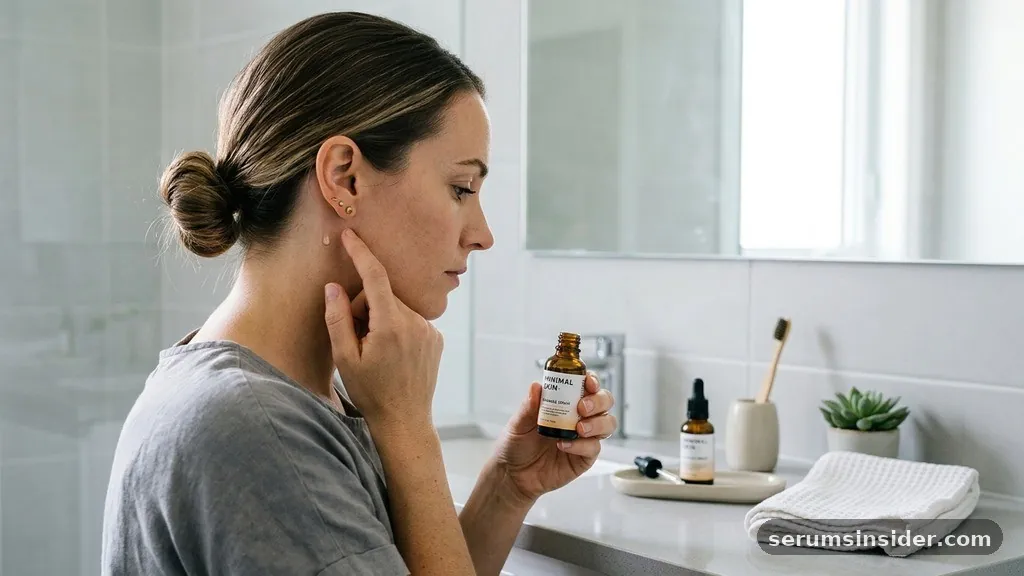
Apply a small amount to an inconspicuous area according to sensible skin-care testing practice, then observe how your skin responds. A patch test cannot predict every facial reaction, but it may reveal obvious intolerance before you apply the product everywhere. Avoid testing several new products simultaneously; otherwise, you won’t know which one caused a problem.
How It Compares With Other Hydrating Products
A hydrating serum differs from a moisturiser because it usually provides a thinner, more targeted layer rather than serving as the routine’s main protective cream. A moisturiser may contain humectants too, but it often combines them with emollients and occlusive ingredients that improve softness and reduce water loss. Many users benefit from both rather than choosing one as a universal replacement for the other.
A facial oil is different again. Oils can soften the surface and reduce the feeling of dryness, but they do not perform the same humectant role as hyaluronic acid.
An essence may be lighter and more watery, while a treatment serum may focus on ingredients such as vitamin C, retinoids, exfoliating acids, or pigment-support ingredients. Comparing products by category is more useful than comparing brand prestige.
Hydra-Cool Serum may be a sensible choice if your priority is comfortable hydration with a refreshing application. It may be less suitable if your primary goal is treating acne, pronounced pigmentation, or advanced signs of ageing. In those cases, a dermatologist can help you choose evidence-based treatments that match the condition and your tolerance.
| Product type | Typical role in a routine | Best question to ask |
|---|---|---|
| Hydrating serum | Adds a lightweight moisture-supporting step | Does my skin need extra hydration? |
| Moisturiser | Softens skin and helps reduce water loss | Is my barrier adequately supported? |
| Facial oil | Conditions the surface and adds slip | Do I tolerate richer textures? |
| Active treatment | Targets a specific concern with an active ingredient | Is this appropriate for my concern and tolerance? |
Layering should remain practical. If five products leave your skin sticky, uncomfortable, or irritated, simplify the routine. A cleanser, suitable hydration step, moisturiser, and sunscreen can be more useful than a crowded shelf.
Reviews, Reddit Discussions, Sizes, and Availability Questions
Online reviews can reveal how a product feels for different people, but they cannot establish that the serum works identically for everyone. Look for repeated, specific observations: texture, absorption, pilling, scent, comfort, and whether the reviewer used it consistently. A short comment saying a product is “amazing” or “terrible” offers less useful information than a description of skin type and routine.
Reddit discussions can be helpful for discovering practical experiences, such as whether the serum layers under makeup or whether users prefer it in winter. Treat those conversations as personal reports, not controlled evidence.
People may have different climates, water quality, skincare habits, allergies, and expectations. A result that looks impressive in one routine may be caused partly by the moisturiser or sunscreen used alongside it.
Searches about whether Is Clinical Hydra-Cool Serum is discontinued deserve careful handling. A product can be temporarily unavailable, replaced by new packaging, limited in a particular market, or missing from one retailer without being formally discontinued everywhere.
Check the brand’s current information and reputable authorised sellers before assuming the product has ended. Avoid buying an old or poorly stored product simply because a listing claims it is rare.
Search interest also appears around 30 ml and 60 ml versions. Packaging size, availability, and regional naming should be confirmed from the current product label or authorised retailer.
Don’t assume that a larger bottle has a different formula, and don’t rely on an old review to identify today’s packaging. The ingredient list and expiry information matter more than the size alone.
How to assess a review
- Check whether the reviewer identifies their skin type or main concern.
- Look for comments about use over several weeks rather than a first impression alone.
- Separate immediate cooling and softness from longer-term claims.
- Notice whether other new products were introduced at the same time.
- Be cautious of dramatic medical claims or guaranteed results.
Topical Gaps: Authenticity, Storage, Expectations, and Routine Fit
The questions people often miss concern authenticity, storage, product interaction, and the difference between cosmetic appearance and medical improvement. These details can determine whether a serum feels successful, regardless of how appealing its ingredient list appears.
Authenticity and purchasing decisions
Purchase from a source you trust and examine the packaging when it arrives. Look for intact seals where applicable, clear labelling, a consistent product name, and sensible expiry or batch information.
Be cautious of unusually vague listings, damaged packaging, or sellers unable to explain where the product came from. Counterfeit or poorly stored skincare can create problems that are mistakenly blamed on the formula itself.
Storage and hygiene
Keep the bottle closed and store it according to the label, away from excessive heat and direct sunlight. Don’t leave the open container beside a steamy shower if the packaging instructions advise otherwise.
Clean hands reduce the chance of transferring contamination to the dispenser or dropper. If the smell, colour, or texture changes noticeably, stop using it and investigate before applying it again.
Combining it with active ingredients
Hydration products are often used alongside active treatments, but “gentle” does not mean risk-free. If you use exfoliating acids, retinoids, benzoyl peroxide, or prescription treatments, add Hydra-Cool Serum at a different point in your routine and monitor your skin. Stinging may reflect cumulative irritation rather than a problem with one product alone.
Setting a fair expectation
Judge the serum by the job it is meant to perform. If your goal is a softer feel, less tightness, and a more hydrated appearance, it may be worth considering.
If you expect it to erase scars, cure rosacea, clear persistent acne, or replace sunscreen, disappointment is likely. Professional treatment may be needed for ongoing redness, pain, scaling, or sudden changes in the skin.
How to Decide Whether It Belongs in Your Routine
Choose Hydra-Cool Serum if you want a lightweight hydration step and can tolerate its complete formula. Start by identifying your actual need. Is your face tight after cleansing? Does makeup cling to dry areas?
Do you want a thinner product for travel or warmer weather? Clear answers make a purchase more sensible than relying on general claims about glow or clinical performance.
Next, review the rest of your routine. If you already use several hydrating products, another serum may add little. If you use a strong treatment and lack a simple moisture-supporting layer, the product may have a more obvious role.
Consider texture too. A serum that feels pleasant is more likely to be used consistently, but pleasant application should be weighed alongside the ingredient list and your skin’s response.
Introduce it slowly, take note of changes, and avoid judging every result within a few hours. Temporary softness can appear quickly, while a routine’s overall comfort becomes clearer with repeated use.
Keep expectations proportional. A good product is one that performs a useful job without creating new problems.
Frequently Asked Questions
What is Is Clinical Hydra-Cool Serum used for?
It is used as a lightweight hydration step for the face. The formula is commonly associated with hyaluronic acid, botanical conditioning ingredients, antioxidants, and a refreshing feel. Apply it after cleansing and before moisturiser, while remembering that it does not replace sunscreen or medical treatment.
When should you use Is Clinical Hydra-Cool Serum?
You can use it in the morning, evening, or both, depending on your skin’s needs and tolerance. Apply a thin layer after cleansing, then follow with moisturiser. In the morning, sunscreen should remain the final essential protective step in the routine.
Is Hydra-Cool Serum suitable for sensitive skin?
It may suit some sensitive skin, but no formula is universally compatible. Patch test first, introduce it gradually, and review the full ingredient list for known triggers. Avoid applying it to visibly irritated skin, and stop if burning, swelling, hives, or persistent redness develops.
Is Is Clinical Hydra-Cool Serum discontinued?
Availability can differ by country, retailer, packaging, and supply period. A missing listing does not automatically prove discontinuation.
Check current brand information or an authorised seller, and compare the product label before buying. Avoid relying solely on old reviews or marketplace claims.
Does the serum come in 30 ml or 60 ml sizes?
Searches commonly refer to both 30 ml and 60 ml options, but packaging and availability may vary by market. Confirm the current size, ingredient list, and expiry details with the retailer or brand information. A larger size does not necessarily indicate a different formula.