

Achieving salon-quality results with your hair care routine often comes down to mastering the application of targeted treatments rather than just buying expensive products. Among the most transformative additions to any regimen is a quality hair serum, a concentrated formula designed to coat the hair fiber, smooth cuticles, and address specific concerns like frizz, dullness, or environmental damage. Unlike heavy oils or traditional conditioners that penetrate the hair shaft, most serums are formulated with silicones and active ingredients that sit on the surface to provide immediate slip, shine, and protection.
However, many people struggle to see the true benefits of these products simply because they apply them incorrectly, leading to greasy roots, weighed-down strands, or zero noticeable improvement. Understanding how to properly incorporate these elixirs into your daily styling habits requires attention to hair texture, product formulation, application timing, and dosage control. By refining your technique, you can unlock the full potential of your favorite styling products and maintain touchable, glossy locks regardless of the weather outside.
Understanding Hair Serum Formulation and Function
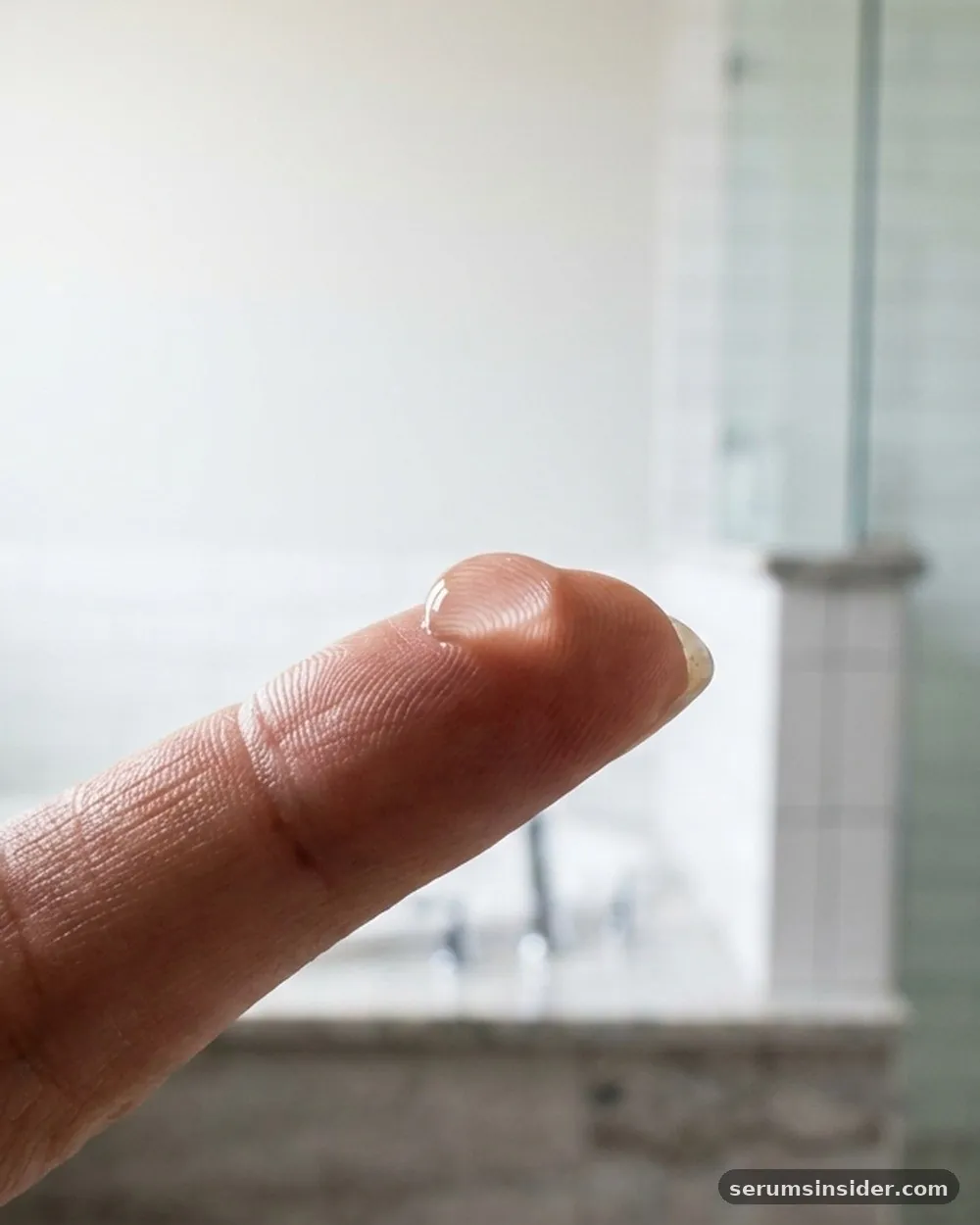
To use a hair serum effectively, you first need to understand what it actually is and how it differs from other hair care staples. While hair oils penetrate the cortex to nourish and moisturize dry strands from the inside out, serums operate primarily as a surface treatment.
Most high-performance formulas rely on a base of lightweight silicones—such as dimethicone or cyclomethicone—which act as a barrier against moisture loss, humidity, and heat styling tools. These ingredients fill in the microscopic gaps along damaged cuticles, creating a uniform, reflective surface that instantly boosts shine and tames flyaways.
Beyond silicones, modern formulas frequently incorporate specialized active ingredients tailored to specific hair goals. You might find antioxidant-rich botanical extracts designed to protect against urban pollution, or hydrolyzed proteins that temporarily reinforce weak spots along the hair shaft. Because these formulas are highly concentrated, a little goes a very long way.
Applying too much product creates a heavy, oily residue that attracts dirt and dust, making your hair look dirty within hours of washing. Recognizing that serums are styling and finishing tools rather than deep-conditioning treatments will fundamentally change how you dispense and distribute them through your hair, setting the stage for a much cleaner, more polished finish.
Assessing Your Hair Type and Selecting the Right Formula
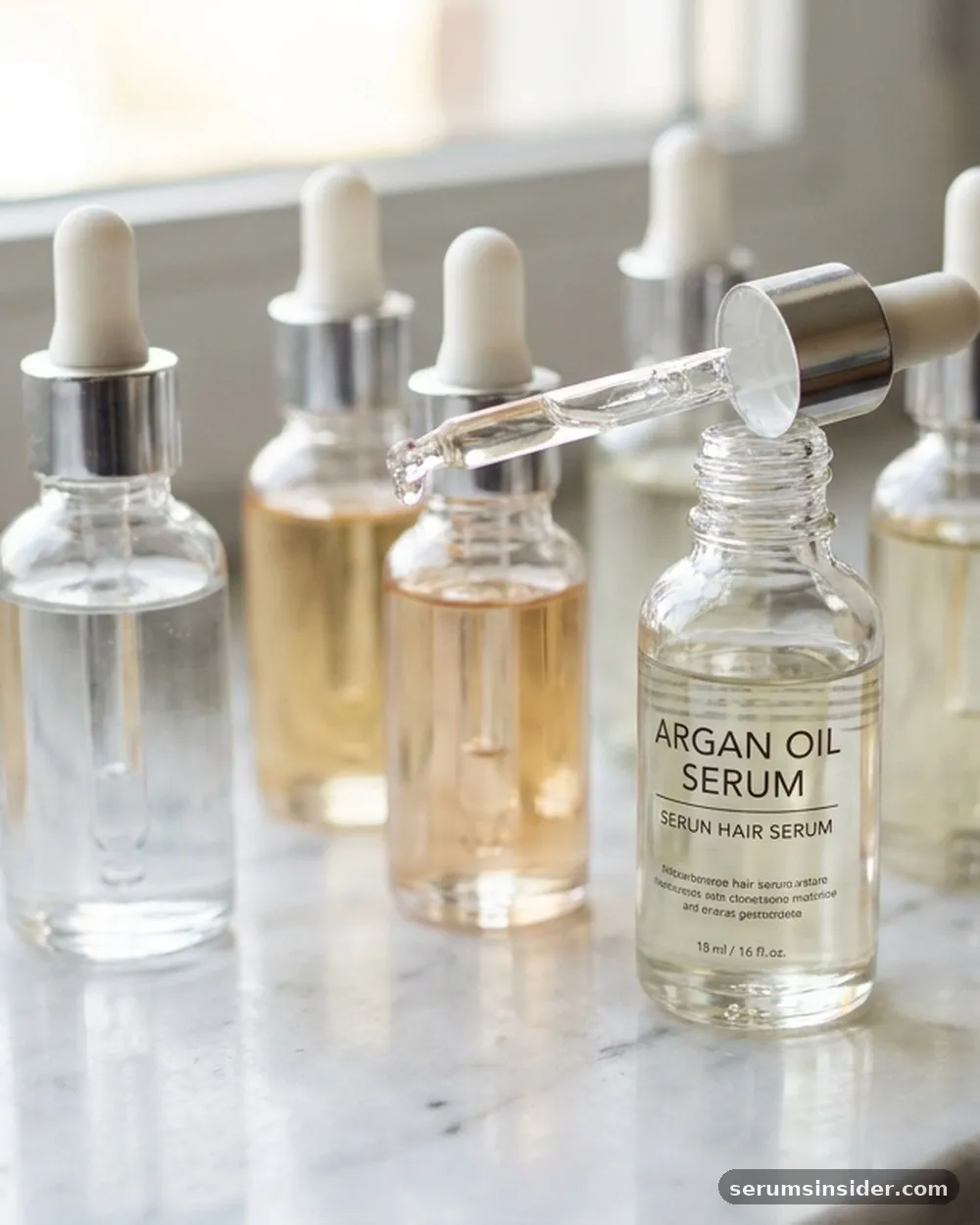
Not all hair serums are created equal, and choosing the right variant for your specific hair texture is the most critical step in achieving optimal results. If you have fine or thin hair, a heavy, oil-based serum will immediately deflate your volume and make your roots look greasy.
Instead, individuals with fine strands should look for ultra-lightweight, water-based or fluid silicone serums that offer anti-frizz properties without adding weight. These lightweight formulas provide just enough slip to prevent tangling without compromising body and movement.
Conversely, thick, coarse, curly, or coily hair types require much richer formulations. These textures naturally have a harder time retaining moisture, and the sebum from the scalp struggles to travel down the bends and twists of the hair shaft. Look for serums enriched with nourishing botanical oils like argan, jojoba, or marula, which provide intense smoothing power and help define curl patterns while keeping frizz at bay.
Color-treated or chemically processed hair benefits immensely from serums containing UV filters and heat-protectant properties, shielding fragile bonds from further degradation during blow-drying or flat-ironing. Taking the time to read ingredient labels and match the product weight to your natural density ensures that the serum enhances your hair rather than overwhelming it.
Preparing the Hair for Optimal Serum Absorption

The condition of your hair when you apply a serum dictates how well the product performs throughout the day. For the vast majority of smoothing and anti-frizz serums, the ideal canvas is clean, damp towel-dried hair. When hair is damp, the cuticle is slightly swollen, and water acts as a distribution vehicle, helping the product spread evenly across every strand without clumping in one spot.
After washing and conditioning, gently squeeze out excess water with a microfiber towel or an old cotton t-shirt. Avoid vigorous rubbing, which roughs up the cuticle and creates the very frizz you are trying to combat.
Some specialized scalp serums or growth treatments, however, are designed to be applied to dry hair or directly to the scalp before washing as a pre-treatment. Always read the manufacturer instructions to determine whether your specific product is intended for wet or dry styling. If you are using a standard finishing serum on dry hair for a quick touch-up between washes, ensure your hair is free of heavy buildup from dry shampoos or styling sprays.
Applying a heavy silicone serum over days of accumulated product will only create a dull, gummy texture. Starting with properly prepped, detangled hair guarantees that the active ingredients can do their job effectively.
Mastering the Application Technique and Dosage
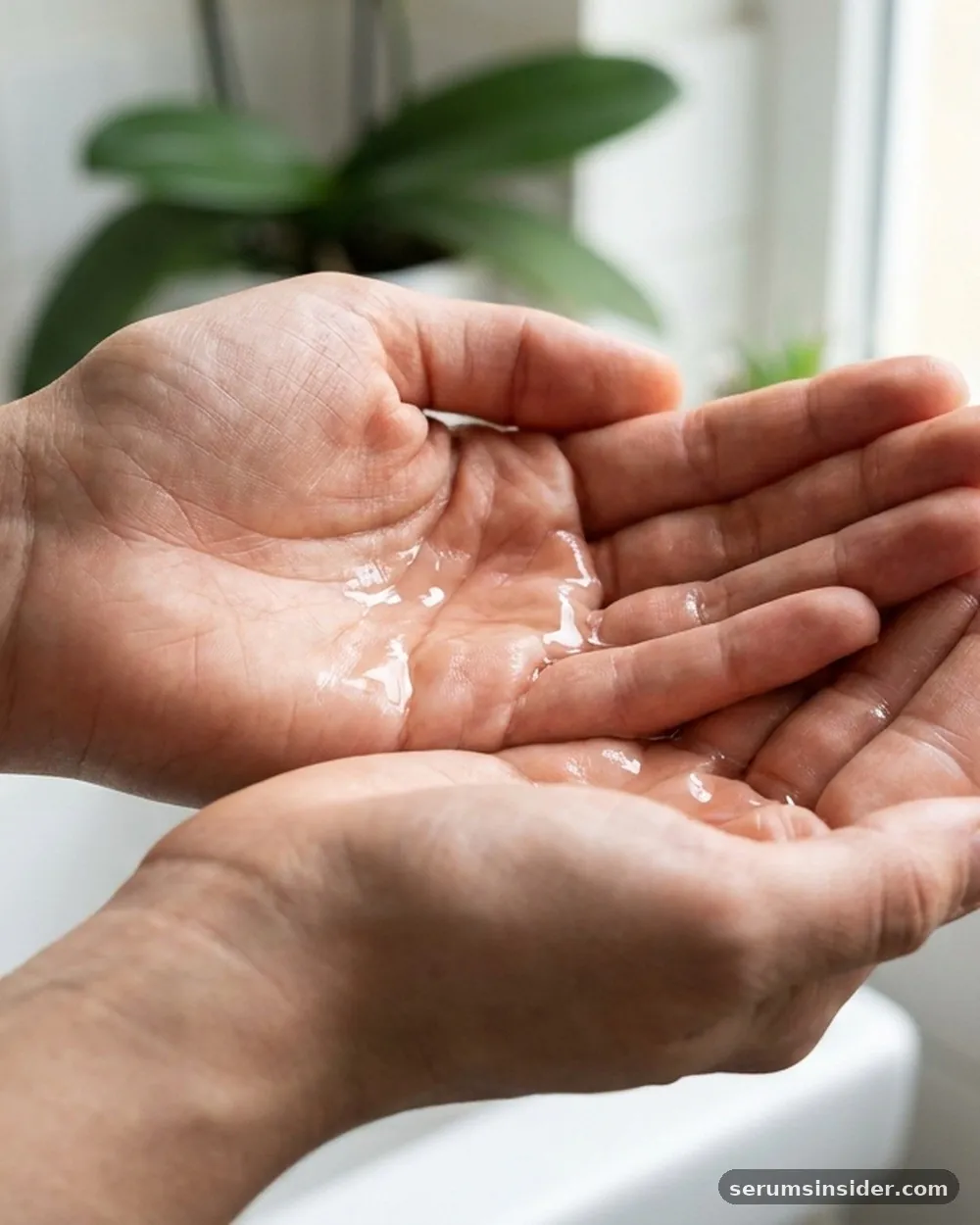
One of the most common mistakes people make with hair serums is pumping way too much product directly onto the top of their head. This inevitably leads to greasy, flat roots that look unwashed. The correct technique begins with dispensing the appropriate amount—usually one to two pump drops for short to medium hair, and three to four drops for long, thick hair—into the palms of your hands.
Rub your hands together vigorously for a few seconds to warm up the product and distribute it evenly across your palms and fingers. This crucial step ensures you do not deposit a heavy glob of concentrated silicone onto a single section of hair.
Begin the application at the mid-lengths and work your way down toward the ends, which are typically the oldest and most damaged parts of the hair shaft. Gently press and glide your hands through the hair, using your fingers like a wide-tooth comb to coat the strands. Only after most of the product has been absorbed into the lengths should you lightly graze your palms over the crown to tame flyaways and baby hairs.
Never apply serum directly to the scalp unless the product is specifically marketed as a scalp treatment or follicle stimulant. By keeping the product concentrated where it is needed most—away from the roots—you maintain natural volume and bounce while achieving a sleek, polished finish.
Integrating Serum into Your Daily Styling Routine
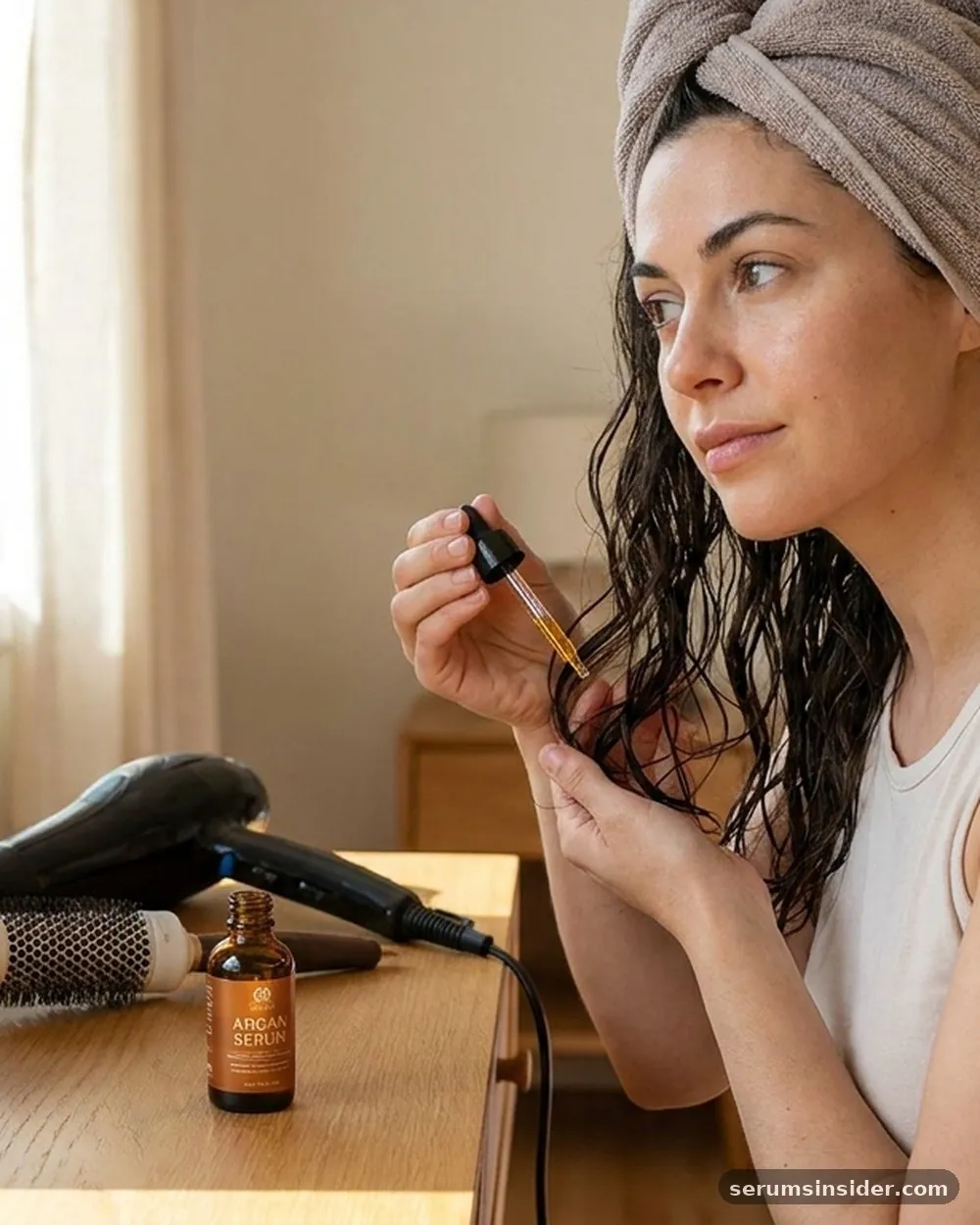
Hair serums are remarkably versatile and can be integrated into various stages of your hair styling routine to maximize their protective and aesthetic benefits. For heat styling enthusiasts, applying a lightweight serum that doubles as a heat protectant to damp hair before blow-drying is an absolute game-changer. The thermal-resistant silicones create a protective shield around the hair cuticle, minimizing the moisture-stripping effects of high-heat tools while ensuring the blowout finishes with exceptional shine and smoothness.
If you prefer air-drying your hair, working a curl-defining or smoothing serum through damp strands helps clump your natural texture together, reducing frizz as the hair dries naturally. Beyond post-wash styling, serums serve as excellent touch-up tools on dry hair throughout the day or the week.
If you notice your ends looking a bit frayed or static building up during dry winter months, warm a fraction of a pump between your fingertips and lightly smooth it over the problem areas. This instant refresh revives your hairstyle without requiring you to rewash or completely restay your hair from scratch, saving time while keeping your locks looking fresh.
Avoiding Common Mistakes and Troubleshooting Results
Even with the best products and intentions, certain habits can sabotage your hair serum experience. The most frequent error is over-application, which turns shiny, manageable hair into a limp, greasy mess.
If you find your hair looking oily shortly after application, reduce your dosage by half on your next wash day, and ensure you are keeping the product far away from your scalp. Another common pitfall is applying serum to dirty hair and expecting it to look freshly styled; while serums can mask minor dryness, they cannot replace proper cleansing and conditioning.
Pay attention to how your hair reacts over time. If your hair starts feeling stiff, straw-like, or unusually dry after a few weeks of consistent serum use, you may be experiencing product buildup. Many silicones used in cheaper serums are not water-soluble and require a clarifying shampoo every week or two to thoroughly strip away residue from the hair shaft.
Clarifying your hair resets the canvas, allowing your moisturizing conditioners and serums to penetrate and coat the strands effectively once again. By troubleshooting these minor issues and adjusting your routine as the seasons and your hair needs change, you can maintain healthy, glossy, and beautifully managed hair year-round.