

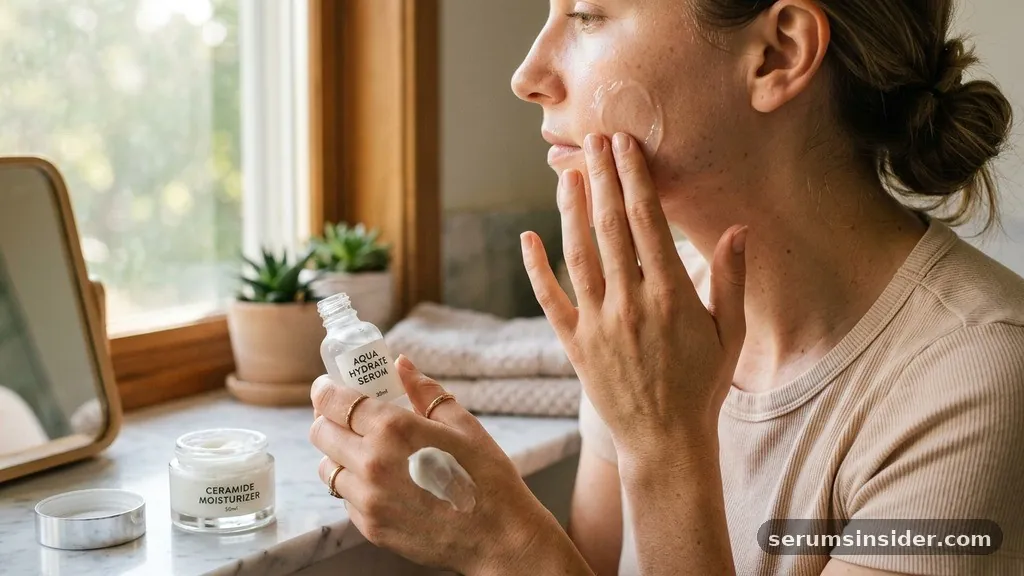
Navigating the complexities of a modern skincare routine often leaves enthusiasts questioning the sequence of product application. If you have ever wondered, does serum go on before or after moisturizer, you are certainly not alone.
The fundamental rule in dermatology and aesthetic science is to apply products based on their consistency and molecular weight, moving from the thinnest, most potent formulations to the thickest, most occlusive ones. Because serums are designed to be lightweight, high-performance delivery systems for active ingredients, they must penetrate the skin barrier before you apply a thicker cream or lotion.
The Science of Product Sequencing
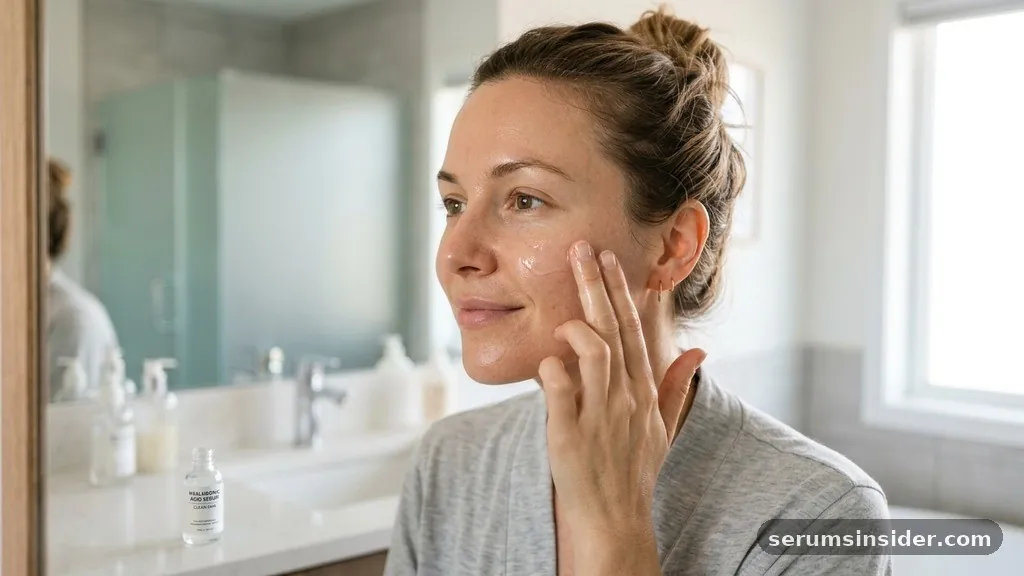
The primary reason you should apply a face serum before a moisturizer is the principle of molecular penetration. Serums are typically water-based or lightweight gels formulated with a high concentration of active components—such as vitamin serum derivatives, hyaluronic acid, or peptides. These products are engineered to bypass the top layers of the epidermis to deliver targeted benefits.
If you were to apply a heavy, oil-based moisturizer first, you would essentially be creating a physical barrier on the surface of your skin. This barrier would prevent the active ingredients in the serum from absorbing effectively, rendering your expensive treatments much less potent.
Think of your skin like a sponge. If the sponge is already coated in a thick layer of wax or heavy oil, it cannot absorb the water-based treatment you are trying to introduce. By applying your serum first, you ensure that the potent actives have direct contact with the skin.
Once these ingredients have had a moment to sink in, your moisturizer acts as a protective “sealant.” This sealant does not just hydrate; it serves to lock in the moisture and the active ingredients you just applied, preventing transepidermal water loss. Understanding this sequence is the most effective way to maximize the efficacy of your daily regimen.
Why Consistency Determines the Order
When determining the correct order of your products, you should always look at the texture. The general rule of thumb in the beauty industry is to apply products from the thinnest, most liquid consistency to the thickest, most emollient consistency. Serums are almost always thinner than moisturizers.
If you are ever in doubt, place a drop of the product on the back of your hand. If it runs quickly, it is a serum or essence and belongs early in your routine. If it holds its shape or requires effort to spread, it is likely a cream or lotion and should be applied later.
This layering technique is vital because it prevents pilling—that frustrating phenomenon where your skincare products roll off your face in little bits. Pilling often happens when you apply a product with a high water content over a product with a high silicone or oil content.
By honoring the thin-to-thick rule, you create a smooth, compatible canvas for your sunscreen and makeup, ensuring that every product sits properly on the skin without interference. This methodical approach ensures that each step of your routine serves a distinct purpose, from deep treatment to surface-level protection.
| Product Category | Typical Texture | Application Timing |
|---|---|---|
| Cleanser | Foam/Gel | First |
| Serum | Liquid/Gel | Second (After Cleansing) |
| Moisturizer | Cream/Lotion | Third (After Serum) |
| Sunscreen | Cream/Fluid | Final (Morning Only) |
The Role of Occlusives in Skincare
To fully understand why you apply serum before moisturizer, it is helpful to look at the function of moisturizers. Most moisturizers contain ingredients known as occlusives, such as petrolatum, shea butter, or certain oils. These ingredients create a physical film over the skin to prevent water from evaporating.
When you ask yourself does serum go on before or after moisturizer, keep in mind that the moisturizer is the “finisher.” It is the final layer that keeps your skin hydrated throughout the day or night.
If you apply an occlusive moisturizer before your serum, the serum’s active ingredients will be trapped on the outside of the occlusive layer. This leads to wasted product and diminished results. By flipping the order, you allow the active ingredients to penetrate the stratum corneum first.
The moisturizer then settles on top, creating a comfortable, hydrated environment. This synergy between the two product types is a cornerstone of effective dermatological care. You can find more information on how skin barrier health is maintained by visiting the American Academy of Dermatology Association for professional skincare guidelines.
How Long Should You Wait Between Steps?
A common point of confusion is whether you need to wait for the serum to dry completely before applying your moisturizer. While you do not need to wait until your skin is bone-dry, it is beneficial to give the serum a moment—usually about 30 to 60 seconds—to settle into the skin. If you apply your moisturizer immediately while the serum is still extremely wet, you might move the serum around too much, potentially leading to uneven distribution or dilution of the active ingredients.
However, some experts argue that applying your moisturizer while the skin is still slightly damp can actually help “trap” more hydration. The key is to find a balance. You want the serum to be sufficiently absorbed so that it feels tacky or mostly dry, but you do not need to wait ten minutes between steps.
If you are using a very high-strength treatment, like a prescription-grade retinoid serum, you might want to wait slightly longer to ensure the product is fully absorbed to minimize potential irritation. For daily hydrating serums, a quick minute is usually sufficient before following up with your regular moisturizer.
Addressing Topical Gaps: Oils and Specialized Serums
One area where users often get confused is when to incorporate oil into their routine. If you are using a facial oil, it should almost always be the final step after your moisturizer.
Because oils are often denser and have larger molecules than water-based serums, they can penetrate through many moisturizers. If you apply an oil before your water-based moisturizer, the moisturizer will struggle to penetrate the oil layer, leading to a feeling of greasiness.
Another gap in common knowledge involves specialized serums, like those containing exfoliants (AHAs or BHAs). These should be applied immediately after cleansing on clean, dry skin. Applying them after a moisturizer would significantly reduce their chemical exfoliation capabilities.
By ensuring the serum goes on first, you allow those acids to perform their work on the skin’s surface or within the pores effectively. Once the exfoliation is complete, the moisturizer comes in to soothe the skin and restore the lipid barrier, which is especially important after using active acids.
Building an Efficient Routine
A highly effective skincare routine is not necessarily the one with the most steps, but the one with the most intentional layering. When you incorporate a face serum, you are adding a high-powered tool to your regimen. Whether you are targeting hyperpigmentation, fine lines, or dehydration, the serum is the workhorse.
The moisturizer is the protector. By keeping this hierarchy in mind, you ensure that you are getting the most value out of your products and the best possible results for your complexion.
Remember that consistency is more important than complexity. It is better to have a simple three-step routine that you perform correctly every single day than a ten-step routine that you perform sporadically. If you ever feel overwhelmed, just remember the mantra: cleanse, treat, hydrate, protect.
The “treat” step is your serum, and the “hydrate” step is your moisturizer. By keeping this simple, you will never have to guess the order again. Your skin will thank you for the consistency, and you will likely see a visible improvement in texture and radiance as your products finally have the chance to perform as intended.
Frequently Asked Questions
Does the order change if I am using a night cream?
No, the order remains the same regardless of whether you are using a day moisturizer or a heavier night cream. Always apply your serum first to clean skin, allow it to absorb, and then follow with your night cream to lock in the treatment overnight.
Can I mix my serum into my moisturizer?
While some people choose to mix them to save time, it is generally not recommended. Serums are formulated to be applied directly to the skin for maximum absorption. Mixing them can dilute the active ingredients and prevent them from penetrating the skin as effectively as they would if applied separately.
What happens if I accidentally apply moisturizer first?
If you accidentally apply moisturizer first, do not panic. Your skin will still be hydrated, but the active ingredients in your serum may not penetrate as deeply as they should. Simply adjust your routine the next time you apply your products; there is no need to wash your face and start over.
Should I apply serum to damp or dry skin?
For most water-based serums, applying them to slightly damp skin can actually enhance absorption. The water acts as a vehicle, helping the product penetrate more deeply. However, if you are using an active treatment like a retinoid or an acid, it is usually best to apply it to completely dry skin to minimize irritation.
In conclusion, the answer to the question of whether serum goes on before or after moisturizer is clear: the serum must always come first. By following this simple rule, you allow the potent ingredients in your serum to penetrate the skin’s barrier before sealing them in with a hydrating moisturizer. This sequence ensures that your skincare products work in harmony rather than against each other, providing the best possible results for your skin.
Whether you are using a brightening vitamin serum or a hydrating hyaluronic acid, remember that the thin-to-thick layering method is your best defense against ineffective skincare. Maintain this order consistently, and you will see the full potential of your beauty regimen.


