
When navigating the vast world of modern skincare, the question of whether a face serum is actually a necessary addition to your daily regimen is one of the most common inquiries. Many people find themselves overwhelmed by the sheer volume of products available, wondering if these concentrated liquids provide genuine value or if they are merely an expensive marketing trend.
The reality is that a skin serum is designed to perform a specific, high-intensity task that standard creams often cannot achieve alone. By delivering a high concentration of active ingredients directly into the skin, these products serve as the heavy lifters of a beauty routine.
The Core Function of Facial Serums
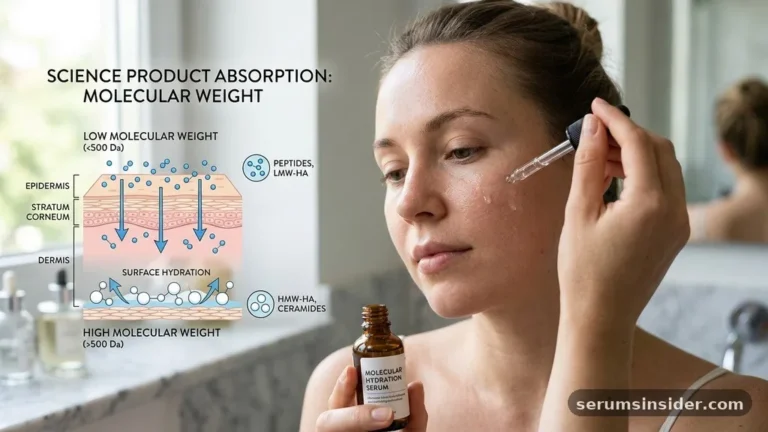
A facial serum is a lightweight, fast-absorbing formula designed to deliver targeted nutrients deep into the skin’s surface. Unlike a heavy cream, which sits primarily on the top layers to provide a protective barrier, a serum has a smaller molecular structure, allowing it to penetrate deeper. This makes it an incredibly good choice for individuals looking to address specific concerns like hyperpigmentation, fine lines, or dehydration. Because these formulas are highly potent, you only need a small amount to cover your entire face, making them a cost-effective investment when used correctly.
The primary reason serums are effective is their lack of fillers. Most thick moisturizers contain occlusives—ingredients that seal moisture in—which can dilute the concentration of beneficial components.
Serums, by contrast, are formulated with a base of water or light oils, ensuring that the active ingredients like vitamin C, peptides, or antioxidants are delivered in their purest, most effective form. When you integrate a serum into your routine, you are essentially providing your skin with a concentrated dose of treatment that works to correct issues from the inside out.
Understanding the Role of Active Ingredients
The effectiveness of any skin serum is entirely dependent on the specific compounds it contains. These products are often categorized by the primary function of their key ingredients. For instance, if you are looking to brighten a dull complexion, you might reach for a serum containing vitamin C or glycolic acid. If your goal is to combat signs of aging, you will likely encounter products featuring retinol, which is widely considered the gold standard in dermatology for promoting cell turnover.
When selecting a product, it is helpful to understand how these ingredients interact with your biology:
- Hyaluronic acid: Acts as a humectant, drawing water into the skin to provide intense hydrating properties that plump the appearance of fine lines.
- Retinol: A derivative of vitamin A that stimulates collagen production, helping to improve skin texture and reduce the appearance of deep wrinkles over time.
- Vitamin C: A powerful antioxidant that protects the skin from environmental stressors like pollution and UV damage while brightening dark spots.
- Glycolic acid: An alpha-hydroxy acid (AHA) that gently exfoliates the skin, removing dead cells to reveal a smoother, more radiant complexion.
How to Integrate Serums Into Your Daily Routine
The golden rule for maximizing the efficacy of your skincare products is the order of application. A common mistake is applying serums in the wrong sequence, which can prevent them from absorbing properly. Always apply your serum after cleansing and toning, but before your moisturizer. This sequence is crucial because your serum needs direct contact with clean, slightly damp skin to penetrate effectively. Once the serum has been absorbed—usually within 60 seconds—you should follow up with a moisturizer to lock everything in.
Many beginners wonder if they need a different serum for morning and evening. While it is not strictly required, many dermatologists recommend a split approach. In the morning, focus on protection: use an antioxidant-rich serum, such as one containing vitamin C, to defend against daytime pollutants.
In the evening, focus on repair: use a serum with retinol or exfoliating acids that facilitate overnight renewal. This layered approach ensures your skin is constantly supported by the right tools for the right time of day. For more detailed guidance on proper application techniques, you can visit the American Academy of Dermatology for professional insights.
Comparing Serums and Moisturizers
It is a common misconception that a moisturizer can replace a serum, or vice versa. While both are essential components of a healthy regimen, they perform very different functions. A serum is a treatment tool, while a moisturizer is a protective barrier. If you have dry skin, you absolutely need a moisturizer to prevent transepidermal water loss, but a moisturizer alone might not have the power to fade dark spots or smooth rough texture.
The table below outlines the key differences between these two foundational products:
| Feature | Face Serum | Moisturizer |
|---|---|---|
| Primary Function | Targeted treatment | Hydration and protection |
| Texture | Thin, liquid, or gel | Creamy, thick, or lotion |
| Absorption | Rapid penetration | Slower, surface-level |
| Active Concentration | Very High | Low to Moderate |
Addressing Common Concerns and Misconceptions
One of the most frequently asked questions is whether serums are too harsh for sensitive skin. It is true that because serums are potent, they can cause irritation if the wrong types are used or if they are over-applied. If you are new to using high-strength actives, it is always best to start slowly. Apply the product every other night to see how your skin reacts before moving to daily usage. Furthermore, if you are prone to irritation, look for serums that feature soothing agents like niacinamide or ceramides, which are often found in brands like cerave to help maintain the skin barrier.
Another concern is the cost. It is easy to assume that the most expensive bottle on the shelf is the most effective, but this is rarely the case. Many affordable brands now offer clinical-grade ingredients.
The most important factor is not the price tag, but the stability of the formula. Ingredients like vitamin C can degrade quickly when exposed to light or air, so always look for opaque, airtight packaging. If you are still unsure about starting, consult a dermatologist who can assess your specific skin type and recommend the best starting point for your unique needs.
The Long-Term Impact on Skin Health
When you consistently use a high-quality face serum, the results are rarely instantaneous, but the long-term benefits are profound. Unlike a makeup product that temporarily masks imperfections, a well-chosen serum works to improve the skin’s biological function. Over weeks and months, you will likely notice a change in your skin’s overall tone, texture, and resilience. By incorporating ingredients that support collagen synthesis and moisture retention, you are essentially investing in the future health of your skin.
Many users find that after several months of regular use, they need less foundation and concealer. This is because the underlying issues—redness, uneven texture, or dehydration—are being addressed at the source. It is important to remember that skin cells have a natural turnover cycle of approximately 28 days.
Therefore, you should give any new serum at least one full month of consistent use before deciding if it is working for you. Patience is a virtue in skincare; consistent, steady application is the most reliable path to achieving that elusive, healthy glow.
Frequently Asked Questions
Should you use face serum daily?
Yes, most serums are designed for daily use. However, it depends on the active ingredients. Hydrating serums can be used twice daily, while stronger treatments like retinol or glycolic acid are typically best reserved for evening use and may require a period of adjustment for sensitive skin.
Do I need both serum and moisturizer?
In most cases, yes. A serum is a treatment product that penetrates deep into the skin to address specific concerns, while a moisturizer acts as a seal to keep the skin hydrated and protected. Using them together ensures you get both the treatment and the necessary moisture barrier.
What are the disadvantages of face serum?
The primary disadvantage is the potential for irritation if the product is too strong for your skin type. Additionally, because they are concentrated, they can be more expensive per ounce than standard moisturizers. Improper usage, such as skipping a moisturizer afterward, can also lead to dryness.
Do face serums really work?
Yes, face serums are highly effective because they contain a higher concentration of active ingredients compared to other skincare products. Because they lack the heavy fillers found in lotions, they can deliver these potent ingredients more efficiently, making them an excellent tool for targeting specific skin goals.
Conclusion
Ultimately, the answer to whether serum is good for your face is a resounding yes, provided you select the right formula for your specific skin needs. These concentrated treatments offer a level of precision that other products simply cannot match. By understanding the role of active ingredients and maintaining a consistent routine that includes proper cleansing and moisturizing, you can effectively address concerns ranging from dehydration to signs of aging. Whether you are aiming to brighten your complexion with vitamin C or smooth fine lines with retinol, a well-chosen serum is a powerful ally in your pursuit of healthier, more resilient skin. Start slowly, be consistent, and listen to your skin’s feedback to find the perfect balance for your daily regimen.