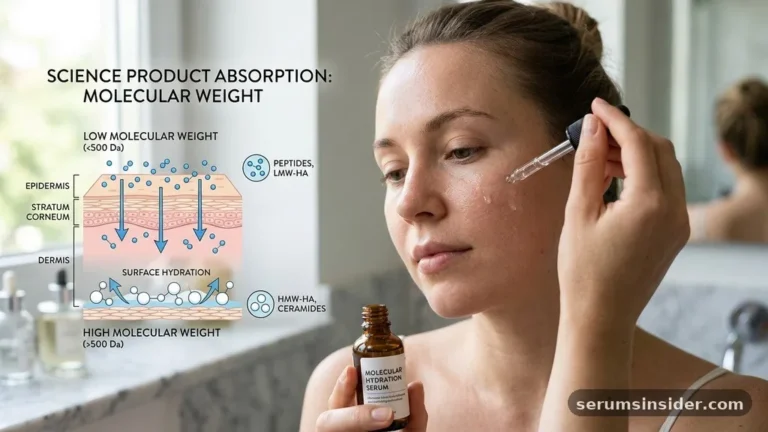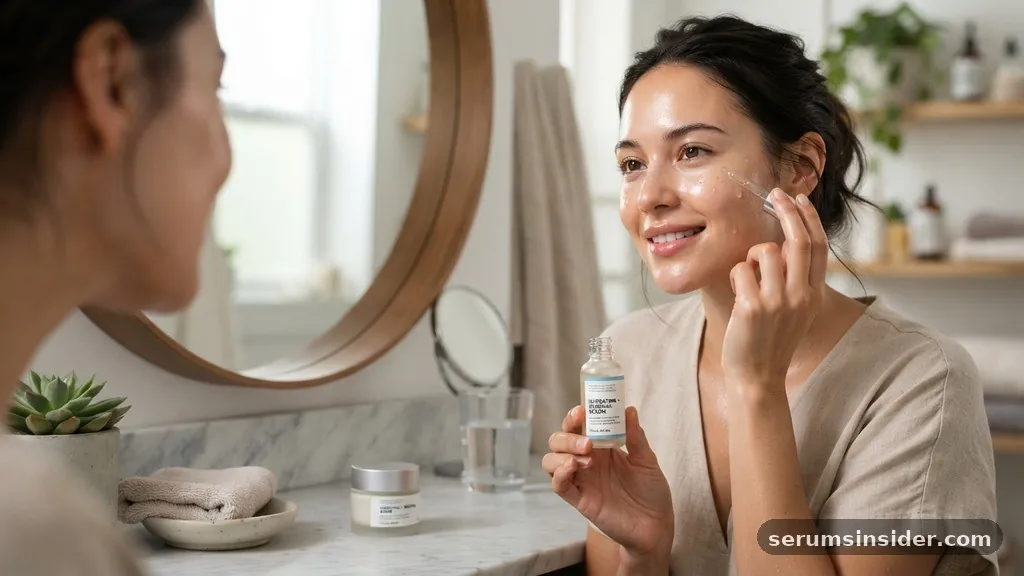
Face serum is a potent, lightweight skincare product designed to deliver high concentrations of specific active ingredients directly into the deeper layers of the skin. Unlike traditional lotions or creams that primarily function as barriers to lock in moisture, a quality facial serum is formulated with smaller molecules, allowing it to penetrate the surface more effectively. Because of this targeted delivery system, serums have become an essential component of a modern skincare routine, serving as a corrective treatment for various concerns ranging from dehydration and hyperpigmentation to fine lines and loss of elasticity.
Understanding the Core Purpose of Facial Serums
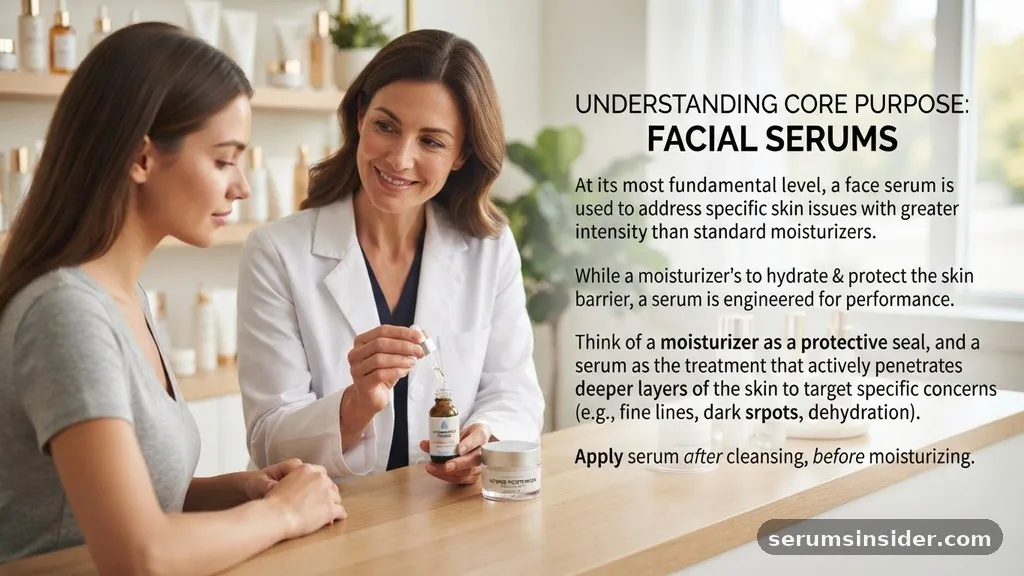
At its most fundamental level, a face serum is used to address specific skin issues with greater intensity than standard moisturizers. While a moisturizer’s primary role is to hydrate and protect the skin barrier, a serum is engineered for performance.
Think of the moisturizer as the protective seal and the serum as the concentrated medicine. Because these products are often water-based or oil-based solutions that lack the thickening agents found in creams, they feel lighter on the skin, absorbing almost instantly without leaving a heavy or greasy residue.
The efficacy of these products stems from their high concentration of actives. Manufacturers remove the filler ingredients often found in thick lotions, creating a solution where the primary focus is the delivery of vitamins, antioxidants, and acids. When you apply a serum, you are essentially providing your complexion with a concentrated dose of nutrients that can influence cellular turnover, stimulate collagen production, or soothe inflammation.
This is why many dermatologists consider them the workhorses of a professional-grade skincare regimen. Whether you are dealing with environmental damage, acne scarring, or the natural progression of aging, there is likely a specialized serum designed to mitigate those specific effects.
Key Active Ingredients and Their Functions
The versatility of serums comes down to the specific molecules they contain. Depending on your primary skin concern, you will want to look for different chemical profiles. For instance, if your skin feels tight or looks dull, you are likely looking for a product that focuses on hydration.
In such cases, hyaluronic acid is the gold standard. This humectant has the unique ability to draw moisture from the air into the skin, plumping the surface and reducing the appearance of dehydration lines.
Conversely, if you are focusing on anti-aging or texture refinement, you might look toward retinol or chemical exfoliants like glycolic acid. Retinol, a derivative of vitamin A, works by accelerating cell turnover, which helps to smooth out fine lines and improve overall skin tone. Glycolic acid, an alpha-hydroxy acid, works on the surface to dissolve the bonds between dead skin cells, revealing the fresher, brighter skin underneath.
Other common ingredients include vitamin C for brightening and niacinamide for pore management and oil control. By understanding these components, you can customize your approach to skincare rather than relying on a “one-size-fits-all” product.
| Ingredient Category | Primary Benefit | Best Used For |
|---|---|---|
| Hyaluronic Acid | Deep Hydration | Dry or Dehydrated Skin |
| Retinol | Cellular Turnover | Fine Lines and Wrinkles |
| Vitamin C | Brightening | Dullness and Pigmentation |
| Glycolic Acid | Exfoliation | Uneven Texture |
Integrating Serums into Your Daily Routine
Knowing when to apply these products is just as important as knowing which ones to choose. The general rule of thumb in dermatology is to apply products from the thinnest consistency to the thickest consistency.
Because a face serum is typically lightweight, it should always be applied after cleansing and toning, but before your heavier moisturizer or sunscreen. Applying a heavy cream first would create a barrier that prevents the serum from penetrating the skin, effectively rendering the active ingredients useless.
To get the most out of your routine, you should apply your serum to slightly damp skin. This can help the active ingredients absorb more efficiently. Simply dispense a few drops into your palms, press them gently into your face and neck, and wait about sixty seconds for the product to set before moving on to the next step.
If you are using multiple serums, such as a vitamin C serum in the morning and a retinol serum at night, ensure you give each layer enough time to sink in. This layering strategy is how you build a robust, effective regimen that addresses multiple concerns without causing irritation or product pilling.
Addressing Common Misconceptions and Gaps
There is a frequent question regarding whether one truly needs both a serum and a moisturizer. Many people assume that because serums contain hydrating ingredients, they can skip the cream. However, this is a common mistake.
Most serums are designed to penetrate the skin, but they do not necessarily provide the occlusive barrier needed to prevent transepidermal water loss. A moisturizer acts as a “lid” on your skincare, trapping the serum’s active ingredients and the natural moisture of your skin inside. Without this seal, the hydration provided by your serum may simply evaporate, leaving your skin feeling tight or dry by midday.
Another gap in common knowledge is the difference between “active” serums and “treatment” serums. Some serums are designed for daily use, like hydrating hyaluronic acid formulas, while others—particularly those containing high concentrations of retinol or potent acids—are intended for intermittent use to avoid compromising the skin barrier. Over-applying active ingredients can lead to sensitivity, redness, and inflammation.
It is vital to start slowly when introducing a new product to your skincare regimen, particularly if it contains high-potency actives, to allow your skin to build tolerance. You can find more detailed information on how to manage skin barrier health through resources like the American Academy of Dermatology.
Choosing the Right Product for Your Skin Type
Selecting the “best” serum depends entirely on your unique skin profile. If you have oily or acne-prone skin, you should opt for oil-free or non-comedogenic serums that contain ingredients like salicylic acid or niacinamide.
These help to clarify the pores and regulate sebum production. If you have sensitive skin, look for calming ingredients such as ceramides or centella asiatica, which can help soothe redness and strengthen the skin’s natural protective layer.
When you are out shopping for a skin serum, pay close attention to the packaging. Ingredients like Vitamin C are notoriously unstable and can degrade when exposed to light or air. Look for opaque, airtight containers that protect the integrity of the formula.
Remember that the price point does not always dictate efficacy; many affordable brands, such as Cerave or various drugstore lines, utilize scientifically backed formulations that are just as effective as luxury alternatives. The most important factor is consistency. Regardless of the brand, a serum will only produce visible effects if it is used regularly over an extended period.
Safety and Potential Side Effects
While serums are powerful tools, they are not without potential downsides if misused. Because they are highly concentrated, they carry a higher risk of irritation than milder creams or lotions.
This is particularly true for serums that utilize acids or retinoids. If you notice persistent stinging, burning, or peeling, you may be using the product too frequently or using a concentration that is too high for your current skin health.
- Patch test new products on your inner forearm to check for allergic reactions.
- Introduce only one new active ingredient at a time to monitor your skin’s response.
- Use sun protection every morning, especially when using exfoliating acids or retinol.
- Avoid applying serums to broken or inflamed skin, as this can increase systemic absorption and irritation.
- Store your serums in a cool, dark place to maintain the stability of the active ingredients.
If you experience a reaction, stop the use of the product immediately and return to a simple, gentle routine until your skin barrier has recovered. Once your skin has returned to its baseline, you can reintroduce the serum, perhaps at a lower frequency or by applying it over a thin layer of moisturizer to buffer the intensity.
Conclusion: The Value of Targeted Skincare
Incorporating a face serum into your daily routine is one of the most effective ways to elevate your skincare results. By delivering targeted ingredients directly to the cells that need them, these lightweight formulations provide benefits that standard creams simply cannot achieve on their own.
Whether your goal is to boost hydration, combat the signs of aging, or manage persistent texture issues, the right serum serves as a powerful ally. By following the proper application order, selecting ingredients that match your specific needs, and being mindful of your skin’s tolerance, you can harness the full potential of these concentrated treatments to achieve a healthier, more radiant complexion.
Frequently Asked Questions
Is face serum good for daily use?
Yes, most face serums are formulated for daily use. However, you must check the specific ingredients. While hydrating serums with hyaluronic acid can be used twice daily, potent actives like retinol or glycolic acid should be introduced gradually to ensure your skin tolerates them without irritation.
Can I leave serum on overnight?
Absolutely. Nighttime is an ideal period for serum application because your skin undergoes a natural repair process while you sleep. Applying a treatment serum before bed allows the active ingredients to work undisturbed, providing maximum benefits for skin regeneration and recovery by the time you wake up.
When should you use face serum?
You should apply face serum after cleansing and toning, but before applying your moisturizer or sunscreen. This allows the lightweight, concentrated formula to penetrate your skin barrier effectively. Always remember that the general rule in skincare is to apply products from the thinnest consistency to the thickest.
Do I need both serum and moisturizer?
Yes, they serve different purposes. A serum provides concentrated active ingredients to treat specific concerns, while a moisturizer locks in hydration and provides a protective barrier for your skin. Using both ensures your skin is treated and protected, preventing the evaporation of the active ingredients you just applied.