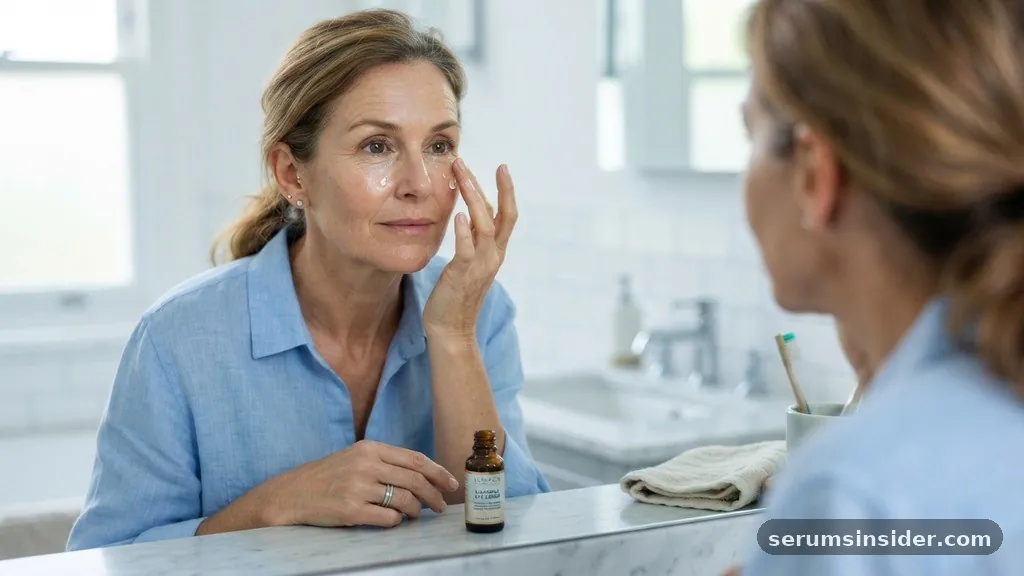
An eye serum is a lightweight, potent skincare formulation specifically designed to address the unique concerns of the skin around the eyes. Unlike heavier moisturizers, these products typically feature a thin, fast-absorbing consistency that allows active ingredients to penetrate the skin more effectively.
Because the skin around the eyes is significantly thinner and more fragile than the rest of the face, it requires specialized care. Understanding what is eye serum involves recognizing its role as a targeted treatment rather than a general moisturizer, focusing on high concentrations of active compounds to deliver visible results for common issues like dark circles, puffiness, and fine lines.
Defining the Function and Composition of Eye Serums
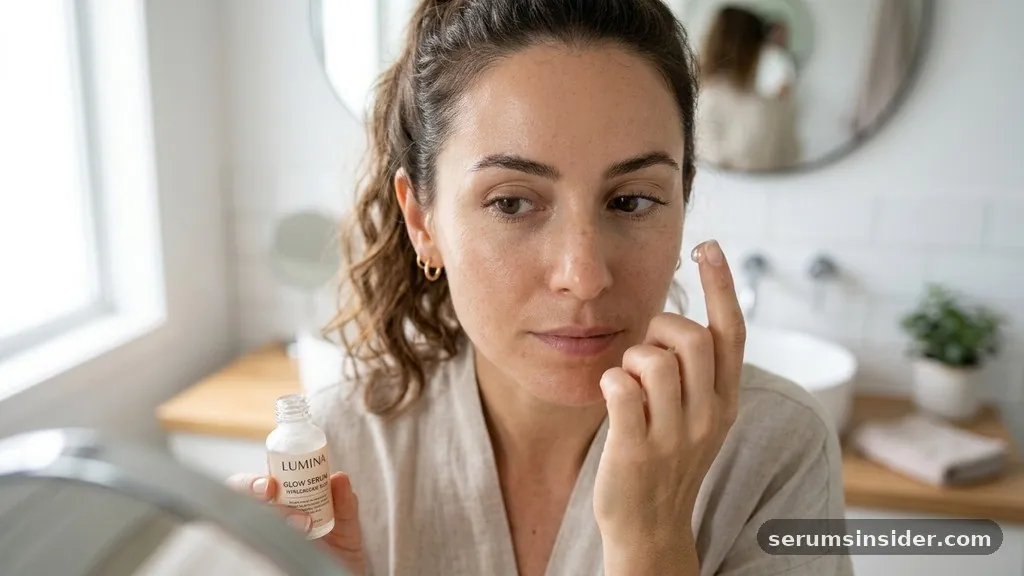
An eye serum is a concentrated skincare treatment formulated with small, lightweight molecules that absorb quickly into the dermis to target specific aesthetic concerns. While many consumers confuse them with traditional moisturizers, the primary difference lies in the viscosity and the concentration of active components. A serum is designed to deliver a precise dose of ingredients directly to the under-eye area, bypassing the need for the heavy occlusives often found in a standard cream eye product.
The primary function of these products is to address physiological changes that occur as we age or experience fatigue. Because the eye area lacks the same density of oil glands as the cheeks or forehead, it is prone to dehydration, which exacerbates the appearance of wrinkles and crepey skin. By utilizing a serum eye treatment, users can provide the necessary hydration without weighing down the delicate tissue.
Most modern formulations rely on humectants like hyaluronic acid to draw moisture into the skin, creating a plumping effect that minimizes the visibility of expression lines. Furthermore, because these formulas are highly concentrated, they often contain potent antioxidants and brightening agents that work over time to improve the overall texture and tone of the skin.
The Core Differences Between Eye Serums and Eye Creams
Many people ask what the distinction is between these two common skin care staples. While both are designed for the delicate orbital region, their delivery systems and intended outcomes differ significantly.
A standard eye cream acts as a sealant, providing a barrier that locks in moisture and protects the skin from environmental stressors. In contrast, an eye serum is a delivery vehicle for high-potency actives that require deep penetration.
To better understand the functional differences, consider the following comparison:
| Feature | Eye Serum | Eye Cream |
|---|---|---|
| Consistency | Thin, liquid, or gel-like | Thick, emollient, creamy |
| Absorption | Rapid, deep penetration | Slower, surface-level barrier |
| Primary Goal | Active treatment/correction | Moisture retention/protection |
| Best For | Targeting specific concerns | Daily hydration and sealing |
The most effective routines often involve layering these two products. By applying a serum first, you allow the active ingredients to penetrate, and by following up with a cream, you ensure that the hydration remains locked in throughout the day or night. This dual approach is particularly useful for those dealing with persistent dryness or environmental damage.
Key Ingredients Found in High-Quality Eye Serums
To understand what is eye serum in terms of efficacy, one must look at the ingredient list. Manufacturers curate these formulas to solve specific problems, using clinical-grade compounds that have been shown to help improve skin health. When you shop for these items, look for ingredients that offer both immediate aesthetic improvement and long-term structural support.
- Hyaluronic Acid: A powerhouse humectant that holds many times its weight in water, providing intense hydration to smooth out fine lines.
- Niacinamide: A form of Vitamin B3 that helps brighten the skin and improve the barrier function, which is essential for reducing the appearance of discoloration.
- Caffeine: A vasoconstrictor that helps reduce puffiness by tightening the blood vessels in the under-eye area.
- Peptides: Amino acid chains that stimulate collagen production, which helps the skin maintain its elasticity and firmness over time.
- Vitamin C: A potent antioxidant that protects against free radical damage and helps brighten dark shadows caused by pigmentation.
These ingredients are chosen for their ability to penetrate the skin barrier effectively. Because the skin around the eyes is so thin, it is highly reactive to these ingredients, which is why a small amount of product often goes a long way. Always patch-test new products to ensure your skin tolerates the concentration of actives before applying them liberally.
Addressing Dark Circles and Puffiness
One of the most common reasons people seek out an eye serum is to manage the appearance of dark circles and morning puffiness. Dark circles are often the result of several factors, including genetics, lack of sleep, or thin skin that allows blood vessels to show through. A well-formulated serum can help by thickening the skin via collagen stimulation or by using light-reflecting pigments that camouflage the shadow.
Puffiness, on the other hand, is frequently caused by fluid retention or poor circulation. Using a serum that contains cooling agents or caffeine can significantly help address this. Many modern serums come with metal rollerball applicators, which provide a cooling massage effect.
This physical action assists in lymphatic drainage, moving excess fluid away from the under-eye area. For those interested in the physiological aspects of skin health, the American Academy of Dermatology provides excellent resources on how various topical agents influence skin behavior and health. Consistent use is the key; unlike surgical interventions, topical serums work through cumulative improvements to the skin’s health and barrier integrity.
How to Correctly Apply Eye Serums for Maximum Results
The application technique is just as important as the product itself. Because the skin in this region is so delicate, aggressive rubbing or pulling can actually contribute to the formation of fine lines and sagging. The goal is to apply the product with a light touch, ensuring it is distributed evenly without stressing the tissues.
Start by dispensing a small amount—usually no more than a pea-sized drop—onto your ring finger. The ring finger is naturally the weakest, making it the ideal tool to ensure you apply only gentle pressure. Gently tap the product along the orbital bone, starting from the inner corner and moving outward toward the temples.
Avoid getting too close to the lash line, as the product can migrate into the eyes and cause irritation. If you are using a liquid-based serum, allow it to dry completely—usually for about 60 seconds—before applying any additional moisturizer or concealer. This wait time is crucial, as it prevents the layers from pilling or sliding, ensuring that the active ingredients have been fully absorbed into the skin around the eyes.
Topical Gaps: Addressing Myths and Common Misconceptions
A common gap in consumer knowledge is the belief that a serum can replace a healthy lifestyle. While a high-quality serum can significantly improve the look of your eyes, it cannot completely negate the effects of chronic sleep deprivation, dehydration, or poor diet. If you are not drinking enough water, for example, even the most expensive hyaluronic acid serum will struggle to provide the plump, hydrated look you desire.
Another misconception is that eye serums are only for “older” skin. In reality, preventative care is one of the most effective ways to maintain a youthful appearance. Starting a routine in your mid-20s or early 30s can help delay the onset of deeper wrinkles and structural sagging.
Furthermore, there is a myth that you should only use these products at night. While night-time application is excellent for recovery, many serums are formulated to be used twice daily.
Using them in the morning helps protect the skin from environmental pollutants, while evening use supports the skin’s natural repair cycle. Always read the label of your specific product to determine the manufacturer’s recommended frequency, as some high-strength retinoid-based serums are strictly intended for evening use only.
Frequently Asked Questions
What is the difference between eye cream and eye serum?
Does eye serum replace moisturizer?
No, an eye serum does not typically replace a moisturizer. While a serum provides concentrated active ingredients, it often lacks the occlusives found in creams. For best results, use the serum as a treatment layer, then follow with an eye cream to lock in hydration and protect the skin.
Can I use eye serum every day?
Yes, most eye serums are formulated for daily use. Because the skin around the eyes is sensitive, however, you should start by applying the product once a day to ensure your skin does not react negatively. If your skin tolerates it well, you can transition to twice-daily application.
What is the best age to start using eye serum?
There is no specific age requirement, but many skincare experts recommend starting in your mid-20s. This is when the skin’s natural collagen production begins to slow down. Using a preventative serum early can help maintain skin elasticity and delay the visible signs of aging like fine lines.
Conclusion
Understanding what is eye serum transforms it from a mysterious skincare step into a powerful tool for maintaining a refreshed and vibrant appearance. By choosing products rich in beneficial ingredients like niacinamide, hyaluronic acid, and peptides, you can actively address dark circles, puffiness, and the early signs of wrinkles. Remember that consistency is the most important factor in any skin care regimen; the benefits of these treatments often accrue over weeks and months rather than days.
By treating the delicate skin around your eyes with the specialized care it deserves, you provide it with the support needed for long-term health and a radiant, youthful look. Whether you are looking to correct existing concerns or prevent future ones, integrating a quality eye serum into your daily routine is a highly effective way to support your skin’s vitality.