

Achieving that salon-quality glow often comes down to the timing of your product application. Knowing exactly when to apply hair serum is the difference between smooth, manageable locks and a greasy, weighed-down mess.
While many people reach for a bottle of serum as a quick fix for flyaways, the most effective way to use this potent product is to integrate it into your routine at specific moments. Whether you are aiming to combat frizz, protect your hair from heat styling, or add a healthy luster to dull strands, understanding the chemistry behind how these products interact with your hair cuticle is essential for maximizing their performance.
The Science of Serum: Damp Hair Versus Dry Hair
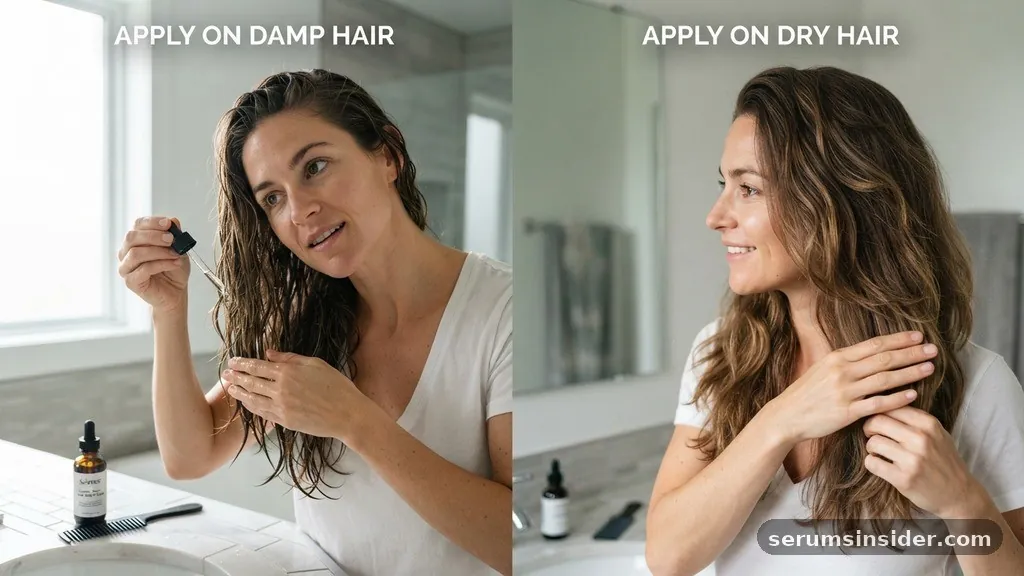
The debate regarding whether to apply hair serum on damp or dry hair often confuses users, but the answer depends entirely on your specific hair goals. Generally, the best time to apply serum is when your hair is damp, specifically after you have washed and towel-dried it.
At this stage, the hair cuticle is slightly open, allowing the active ingredients in the serum to penetrate more effectively. By applying the product to damp hair, you create a protective barrier that seals in moisture before you subject your strands to the rigors of blow-drying or air-drying.
When you apply serum to damp hair, you are essentially priming the canvas. The product acts as a shield against potential heat damage, which is vital for anyone who uses tools like flat irons or curling wands regularly. Because damp hair is more porous, the serum can distribute evenly along the length of your hair without leaving heavy residue.
Conversely, applying serum to dry hair is primarily for aesthetic finishing. This is the moment to tame stubborn frizz, add extra shine, or smooth down flyaways that have appeared after your hair has fully dried. While both methods have their place, relying on damp application is better for long-term health and protection, while dry application is best for immediate styling touch-ups.
Strategic Application for Different Hair Types
Not all hair is created equal, and your hair type dictates how often and when you should reach for your serum. Individuals with thick, coarse, or curly hair often find that their strands are naturally thirstier and more prone to dryness. For these hair types, applying a generous amount of serum to damp hair is non-negotiable.
This helps to define curls and provide the necessary weight to prevent excessive puffiness. If you have fine or thin hair, however, the timing and quantity become significantly more delicate.
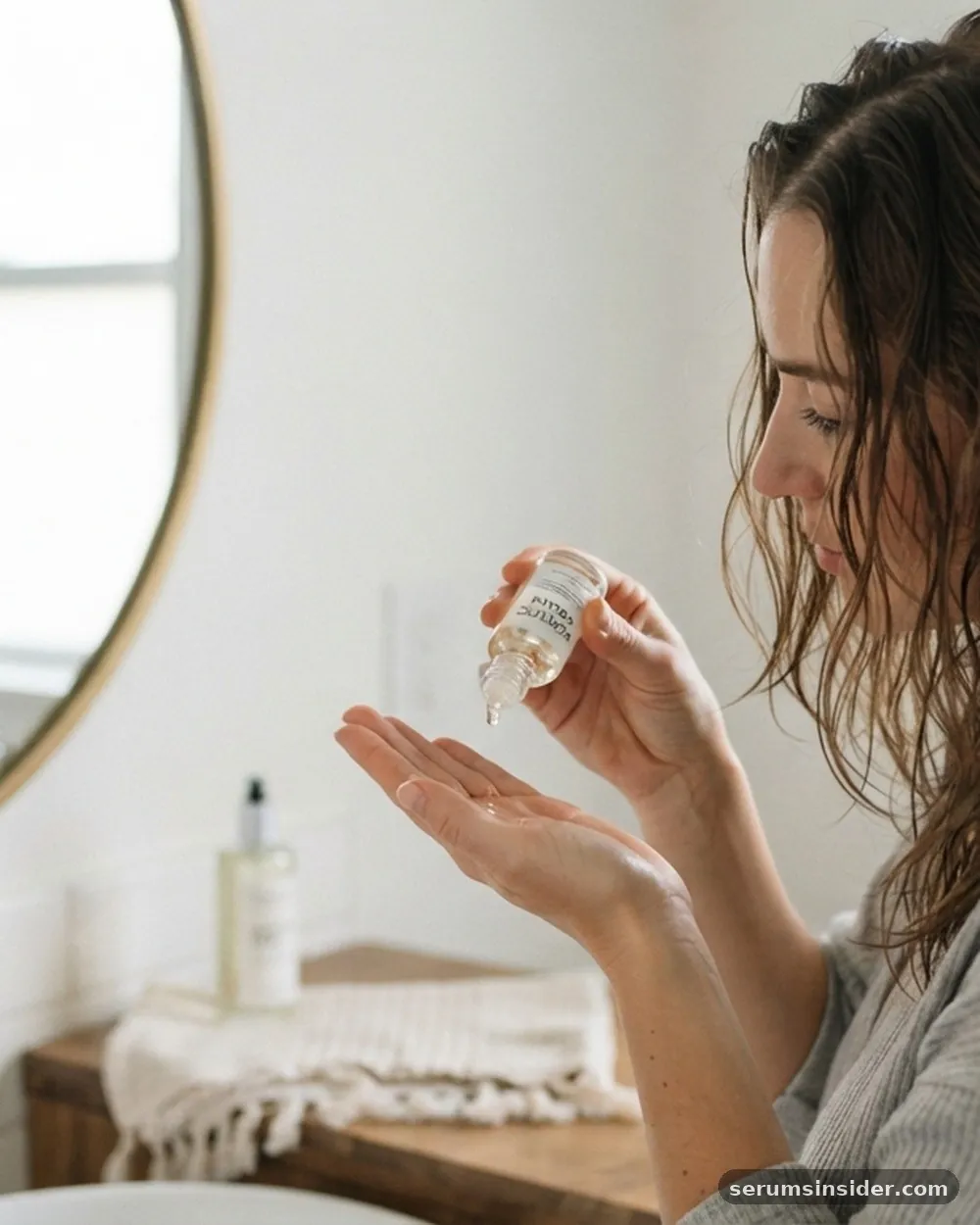
For fine hair, applying too much serum or applying it too close to the roots can lead to a flat, oily appearance. If you have fine strands, focus your application only on the mid-lengths and ends. You should always use a smaller, pea-sized amount and warm it between your palms before touching your hair.
This technique ensures that the product is emulsified and ready to be distributed thinly and evenly. Furthermore, those dealing with significant hair loss should be cautious about using heavy formulas. Always check the ingredient list for lightweight, non-comedogenic oils that won’t clog the follicles or weigh down the hair, as this could exacerbate the look of thinning.
| Hair Type | Best Time to Apply | Application Focus |
|---|---|---|
| Fine/Thin | Damp hair, sparingly | Ends only |
| Curly/Coarse | Damp hair, generous amount | Mid-lengths to ends |
| Color-Treated | Damp hair, pre-styling | Full length for protection |
| Frizzy/Damaged | Damp and dry | Focus on damaged ends |
Protecting Strands Against Heat Damage
One of the primary benefits of using a high-quality hair serum is its ability to act as a thermal protectant. If you are a fan of blow-drying, curling, or straightening, the application of serum before heat exposure is a critical step in your hair care regimen.
Heat styling tools can strip the hair of its natural oils, leading to brittleness and split ends over time. When you apply a serum that contains heat-protective silicones or natural oils, you are creating a microscopic layer over the hair shaft that helps to dissipate heat and prevent it from cooking the moisture out of your strands.
To get the most out of your serum as a heat protectant, make sure your hair is properly detangled before you begin. Applying the serum to tangled hair can lead to breakage, as the comb or brush will snag on knots. Use a wide-tooth comb to distribute the product gently, starting from the bottom and working your way up.
Once the serum is evenly coated on your damp hair, you can proceed with your preferred heat styling method. By doing this, you are not just styling your hair; you are actively engaging in damage control, ensuring that your hair maintains its integrity despite the regular use of high-temperature tools. You can learn more about the science of hair care and common damage factors through the American Academy of Dermatology Association.
Addressing Topical Gaps: Serum vs. Oil vs. Leave-in Conditioner
A common point of confusion is how hair serum fits into a routine that already includes leave-in conditioners or hair oils. While these products may look similar, they serve different functions. A leave-in conditioner is designed to hydrate and nourish the inner structure of the hair shaft.
It is water-based and meant to be applied first. Hair serum, on the other hand, is usually silicone-based and designed to coat the surface of the hair to provide shine, reduce frizz, and create a protective barrier.
The rule of thumb for layering is to apply products from the most water-based to the most oil-based. Therefore, you should apply your leave-in conditioner to damp hair first, let it absorb for a minute, and then follow up with your serum to lock everything in. Hair oils are often used for scalp health or to provide deep nourishment, whereas serums are primarily styling agents.
If you try to apply oil before serum, the serum may not be able to adhere to the hair shaft effectively. By following this sequence, you ensure that your hair receives the maximum benefit from each product without creating a heavy, unmanageable buildup.
The Role of Serum in Frizz Control and Shine
Frizz is often a sign of a dehydrated cuticle that is reaching out into the air to absorb moisture. When you use a serum correctly, you are essentially sealing that cuticle down so that it remains smooth and reflective. The best time to apply hair serum for frizz control is when the hair is about 80% dry.
At this point, you can see where the frizz is starting to form and target those areas specifically. Smoothing a small amount of serum over the surface of the hair helps to align the strands and reflect light, which gives the hair that characteristic glossy look.
When applying serum for shine, focus on the top layer of your hair and the ends. Avoid the crown area, where the hair is newer and usually has a natural, healthy sheen of its own. Adding extra product to the crown can make your hair look greasy rather than shiny.
If you find that your hair becomes frizzy throughout the day, you can re-apply a tiny, almost invisible amount of serum to your palms and lightly tap it over the frizzy areas. Do not rub the hair, as this can cause further friction and damage. Instead, use a “pressing” motion to smooth the strands into place.
Common Mistakes to Avoid During Application
Even with the best products, incorrect application techniques can lead to disappointing results. One of the most common mistakes is applying too much product too early. Many people believe that more product equals more shine, but this is rarely the case.
Excess serum acts like a magnet for dust and environmental pollutants, which can leave your hair looking dull and dirty by the end of the day. Start with just a few drops; you can always add more, but you cannot take it away without washing your hair again.
Another mistake is applying serum directly to the scalp. Unless the product is specifically formulated as a scalp treatment, you should avoid the roots entirely. Serum is meant for the hair strands, not the skin.
Applying it to the scalp can clog pores and potentially lead to irritation or hair loss. Finally, avoid applying serum before using a deep conditioning mask.
A mask needs to penetrate the hair, and if the hair is already coated in a silicone-based serum, the mask’s nutrients will simply sit on top of the barrier rather than soaking in. Always use your serum as the final step in your styling process, after all other treatments have been completed.
- Always warm the serum between your palms before applying it to your hair.
- Focus the application on the ends, which are the oldest and most damaged parts of the hair.
- Use a wide-tooth comb to ensure even distribution throughout the strands.
- Avoid applying serum to the roots to prevent a greasy scalp.
- Start with a small amount; you can layer more if necessary, but don’t overdo it.
- Apply to damp hair for protection and to dry hair for finish and shine.
Frequently Asked Questions
Is it okay to use hair serum every day?
Using hair serum daily is generally safe, provided you are using a lightweight formula and applying it only to the mid-lengths and ends. If you notice your hair feeling heavy or looking greasy, reduce your frequency or switch to a lighter product to avoid buildup on your strands.
Can I apply serum on hair that is completely soaking wet?
It is better to towel-dry your hair until it is damp before applying serum. If your hair is dripping wet, the serum will likely slide off with the excess water, preventing it from effectively coating the strands or providing the protective benefits you are looking for during the styling process.
Should I apply hair serum before or after a blow-dry?
You should apply serum before blow-drying to provide heat protection, and you can apply a very small amount after blow-drying to tame flyaways and add a final touch of shine. This two-step approach ensures your hair is protected during heat exposure and looks polished once styling is complete.
Does hair serum help with hair loss?
Hair serum is primarily a styling product designed to improve the appearance and texture of existing hair. It does not typically treat the causes of hair loss. If you are experiencing significant thinning, it is best to consult a dermatologist for treatments that target the scalp and follicle health directly.
In summary, the secret to beautiful hair lies in the timing. By applying your serum to damp hair, you protect your strands from heat and lock in essential moisture. By using it on dry hair, you achieve that perfect, frizz-free finish.
By choosing the right product for your hair type and applying it with care, you can ensure that your hair remains healthy, vibrant, and perfectly styled every single day. Always prioritize the health of your hair by using these products as tools for protection and enhancement rather than as a substitute for proper cleansing and conditioning routines.


