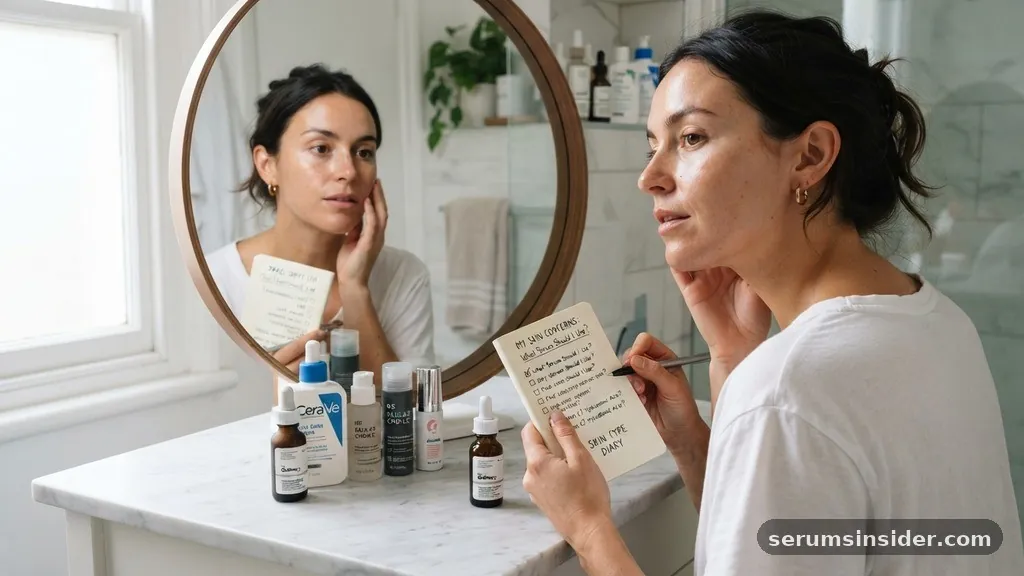
Selecting the right skincare products can feel like navigating a maze, especially when you are trying to figure out what face serum should I use to address your unique needs. Unlike heavy creams that sit on the surface, a skin serum is a lightweight, potent formulation designed to deliver high concentrations of active ingredients directly into the deeper layers of the dermis.
Because these products have smaller molecular structures, they are highly efficient at targeting skin concerns ranging from dullness and dehydration to the early signs of aging. Understanding how these concentrated liquids interact with your biology is the first step toward building an effective skincare routine that actually yields visible results.
Identifying Your Primary Skin Type and Concerns

Before you can determine what face serum should I use, you must first accurately categorize your complexion. Most people fall into one of four categories: oily, dry, combination, or sensitive. Each of these types requires a different approach to hydration and treatment.
For example, if you have oily skin, you might think you need to avoid extra moisture, but often, oily skin is actually dehydrated and overcompensating by producing excess sebum. In this case, a lightweight hyaluronic acid serum can provide the necessary hydration without clogging your pores or adding unwanted grease.
Conversely, dry skin types often struggle with a compromised moisture barrier, which leads to flakiness and a feeling of tightness. If your skin feels rough to the touch, you should look for serums that incorporate humectants and emollients to lock in moisture. For those with combination skin, the challenge lies in balancing the T-zone with the drier cheeks.
You might choose to apply a targeted serum only to specific areas or opt for a gentle, balancing formula that regulates oil production while providing moisture where needed. Understanding these nuances is essential because using the wrong product can exacerbate existing issues rather than fixing them.
The Role of Active Ingredients in Facial Serums
The effectiveness of any face serum is defined by its active ingredients. When you scan the ingredient list, you are essentially looking at the “engine” of the product. One of the most popular and versatile ingredients is vitamin C, which is a powerful antioxidant.
It works to brighten the complexion, fade dark spots caused by sun damage, and protect the skin from environmental stressors like pollution. Because it is an antioxidant, it is best applied in the morning to provide a shield against free radical damage throughout the day.
Another heavy hitter in the world of dermatology is retinol. Derived from vitamin A, this ingredient is the gold standard for anyone looking to reduce the appearance of fine lines and wrinkles. It works by accelerating cell turnover, which promotes collagen production and improves overall skin texture.
However, because it is potent, it can sometimes cause irritation if introduced too quickly. If you are a beginner, it is wise to start with a low concentration and apply it only at night, as it can make your skin more sensitive to sunlight. As the American Academy of Dermatology suggests, consistency is far more important than intensity when dealing with these potent formulations.
Comparing Common Serum Ingredients for Targeted Results
When you are deciding what face serum should I use, it helps to see how different ingredients compare in terms of their primary benefits. The table below outlines some of the most effective compounds found in modern serums and what they are best suited for.
| Ingredient | Primary Benefit | Best For |
|---|---|---|
| Hyaluronic Acid | Deep Hydration | All skin types, especially dry |
| Vitamin C | Brightening/Antioxidant | Dullness, uneven skin tone |
| Retinol | Anti-aging/Turnover | Fine lines, acne, rough texture |
| Glycolic Acid | Exfoliation | Clogged pores, dullness |
This comparison highlights that there is rarely a “one size fits all” solution. If your goal is to look more radiant, a brightening serum is your best bet. If your goal is to smooth out your skin, an exfoliating acid or a retinoid will provide the best results.
Common Mistakes to Avoid When Applying Serums
Even the most expensive products will fail to deliver if they are applied incorrectly. One of the most common mistakes people make is applying their serum to dry skin. Many serums, particularly those containing hyaluronic acid, work by drawing moisture from the environment into the skin.
If your face is bone-dry, the serum may actually draw moisture out of the deeper layers of your skin, causing further dehydration. It is always better to apply your serum while your skin is still slightly damp from cleansing or using a toner.
Another frequent error is skipping the moisturizer. Some users mistakenly believe that because a serum is hydrating, it replaces the need for a cream. In reality, a serum is designed to be a “booster” or a treatment step.
Without a moisturizer or occlusive agent on top, the beneficial ingredients in your serum can evaporate before they have a chance to fully absorb. Think of your serum as the therapeutic layer and your moisturizer as the “sealant” that locks everything in. Furthermore, layering too many serums at once can cause “pilling”—that annoying phenomenon where the product rolls off your skin in little balls—and may cause irritation from over-treating.
How to Build a Strategic Skincare Routine
Integrating a serum into your existing regimen should be a gradual process. If you are wondering what face serum should I use to start, the answer is usually something simple, like a hydrating serum.
Once your skin is accustomed to that, you can begin to layer in more specialized treatments. A standard, effective routine usually follows the “thinnest to thickest” rule:
- Cleanser: Remove dirt and oil to provide a clean canvas.
- Toner: Balance the pH levels of your skin.
- Face Serum: Apply your active treatment while the skin is damp.
- Moisturizer: Lock in the serum and provide a barrier against moisture loss.
- Sunscreen: Essential for daytime use, especially when using active ingredients like retinol or acids.
By following this order, you ensure that the most potent ingredients reach the skin first, while the heavier products protect the surface. If you are using multiple serums, try to alternate them between morning and night.
For example, use a vitamin C serum in the morning for protection and a retinol or glycolic acid serum at night for repair. This prevents your skin from becoming overwhelmed and allows each ingredient to perform its specific function effectively.
Addressing Topical Gaps: When to See a Professional
While at-home treatments are powerful, there are times when your skin concerns go beyond what a topical serum can solve. Many people ask, “what face serum should I use if I have deep cystic acne or severe hyperpigmentation?”
The reality is that if your skin condition is chronic or painful, a store-bought serum is not a replacement for a dermatologist’s consultation. A professional can help you distinguish between a temporary reaction to a product and a deeper issue like rosacea, eczema, or hormonal acne.
Furthermore, if you find that you are frequently experiencing redness, burning, or breakouts after trying various serums, you may have a compromised skin barrier. In this case, the best “serum” you can use is often a simple, soothing formula that contains ceramides or panthenol to help restore the skin’s natural defenses. Do not feel pressured to jump on every trend or viral product you see on social media.
Often, the best results come from using one or two high-quality products consistently rather than cycling through a dozen different bottles. By focusing on your skin’s immediate needs—whether that is hydration, brightening, or smoothing—you can pick the right tools to maintain a healthy, glowing complexion for years to come.
Frequently Asked Questions About Serums
How do I know which face serum should I use for my age?
In your 20s, focus on prevention with antioxidants like vitamin C. In your 30s and 40s, introduce retinol to address early fine lines. By your 50s and beyond, prioritize intense hydration and peptides to support skin elasticity and barrier health, ensuring your chosen serum matches your specific life stage.
Can I use multiple serums at the same time?
Yes, you can layer serums, but it is best to limit it to two or three products. Always apply the one with the thinnest consistency first. Be cautious not to mix incompatible ingredients, such as using strong exfoliating acids and retinol at the exact same time, which can cause irritation.
Should I use a serum every day?
Most serums are designed for daily use, but it depends on the ingredients. Hydrating serums with hyaluronic acid can be used twice daily. However, potent active ingredients like glycolic acid or retinol are often best used only at night or a few times per week to prevent over-exfoliation.
Why does my skin feel sticky after applying a serum?
Stickiness usually occurs if you are applying too much product or if your skin is not absorbing it properly. Try using only a pea-sized amount and waiting about 60 seconds for it to fully sink in before applying your moisturizer. If it persists, the product may not be right for you.