Navigating the nuances of a daily skincare routine often feels like solving a complex puzzle. Among the most common questions that arise is whether you should apply a serum before or after your moisturizer. The short answer is that serums should almost always be applied first.
This rule exists because of the fundamental differences in molecular size, texture, and the specific goals of each product. By placing your lighter, nutrient-dense treatments directly onto clean skin, you allow them to penetrate more effectively before sealing everything in with a heavier cream.
The Science Behind Product Layering
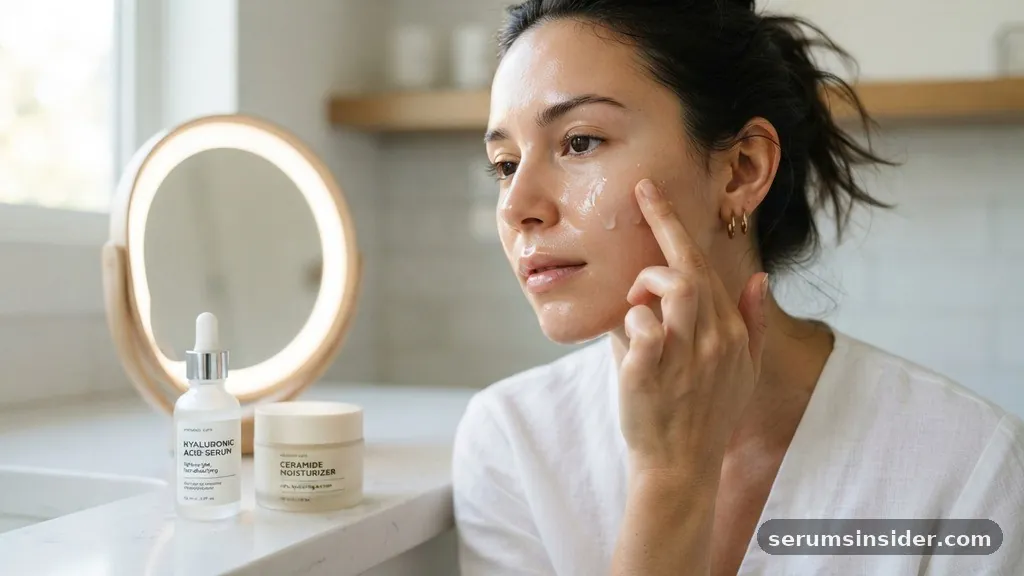
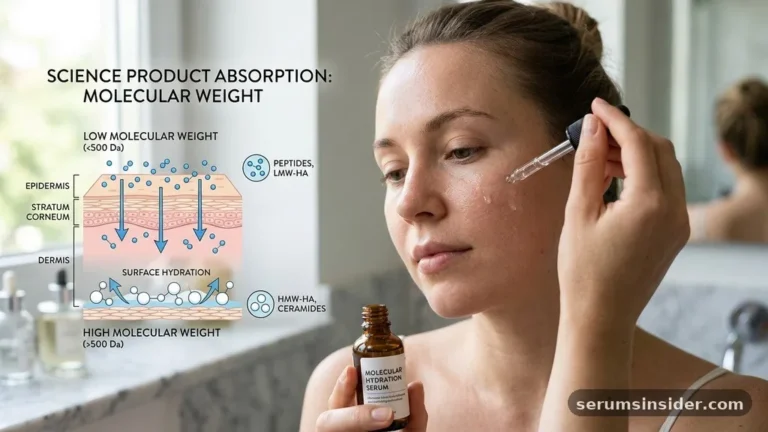
The primary reason for the order of operations in your skincare routine comes down to the concept of molecular weight and viscosity. Most face serums are formulated with a water-based consistency, designed to be lightweight and fast-absorbing.
When you apply a serum to freshly cleansed skin, the active molecules have a clear path to reach the deeper layers of the epidermis without having to navigate through a thick, occlusive barrier. If you were to reverse this order and apply a heavy cream first, its thicker consistency would effectively create a physical barrier on the surface of your skin.
Trying to layer a light serum over a rich moisturizer is akin to trying to water a plant by pouring liquid over a sealed plastic sheet; the nutrients simply cannot penetrate the barrier. Furthermore, many serums contain potent active ingredients—such as antioxidants, peptides, or exfoliating acid—that are intended to deliver targeted results. By applying these skincare products directly to the skin, you ensure that these concentrated ingredients are not diluted or blocked by the emollients and humectants found in your moisturizer.
Understanding this relationship is a foundational tip for anyone looking to maximize the efficacy of their care products. When you follow this sequence, you are essentially creating a delivery system that respects the chemical architecture of your skincare regimen.
Understanding the Role of Serums
A face serum is essentially a high-potency delivery system. Unlike a standard lotion, which is designed to hydrate and protect, a serum is engineered to solve specific concerns like hyperpigmentation, fine lines, or dehydration.
Because these products are packed with concentrated doses of active ingredients, they represent a significant investment in your skin’s health. Whether you are using a vitamin serum to brighten your complexion or a hyaluronic acid-based formula to plump the skin, the goal is always deep penetration.
When you use a serum, you are targeting the cellular level. These treatments act as the engine of your routine, while the moisturizer acts as the protective casing. If you are uncertain about the specific needs of your skin, it is helpful to consult resources like the American Academy of Dermatology regarding the essential components of a healthy regimen.
When these products are applied in the correct order, the serum can perform its function, and the moisturizer can then provide the necessary lipids and occlusives to support the skin barrier. Neglecting this order often leads to wasted product, as the expensive actives in your serum are simply wiped away or left sitting on top of a thick layer of cream, unable to reach their intended destination.
The Protective Function of Moisturizers
If serums are the treatment, moisturizers are the shield. The primary objective of a moisturizer is to lock in moisture and prevent transepidermal water loss (TEWL). To achieve this, moisturizers often contain occlusive ingredients like shea butter, ceramides, or petrolatum.
These ingredients form a film over the skin, which is excellent for hydration but detrimental to the absorption of other products if applied prematurely. By applying your moisturizer as the final step in your treatment phase, you effectively “seal” the serum into your skin.
This layering technique is vital for maintaining a healthy skin barrier. A compromised barrier can lead to redness, irritation, and increased sensitivity. When you apply your moisturizer correctly, you are providing the skin with the necessary support to recover from environmental stressors.
It is also important to note that the moisturizer acts as the final buffer. If you are using a particularly strong serum, such as a high-strength retinol or a potent acid, the moisturizer provides a necessary layer of comfort that helps reduce the risk of irritation. By respecting the before after logic of your routine, you ensure that your skin receives the benefits of both the treatment and the hydration without any interference.
Comparing Product Characteristics
To better visualize why the serum moisturizer order is so critical, it helps to compare the physical characteristics of these products. The following table highlights the key differences that dictate the sequence of application in your daily regimen.
| Product Category | Primary Goal | Consistency | Placement in Routine |
|---|---|---|---|
| Face Serum | Targeted treatment | Thin, watery | Directly after cleansing |
| Moisturizer | Hydration & Barrier support | Creamy, thick | After serum/treatment |
| Face Oil | Sealing/Nourishment | Oily, heavy | Final step |
As demonstrated in the table, the rule of thumb is to move from the thinnest consistency to the thickest consistency. This ensures that lighter, water-based formulas are not blocked by heavier, oil-based ones. If you were to add a face oil to this mix, it would always come after the moisturizer, as oils are the heaviest products and act as the final occlusive layer to trap all preceding hydration.
Addressing Topical Gaps: Common Misconceptions
Many users wonder if they can mix their serums and moisturizers together in their hands before application to save time. While this might seem like an efficient tip, it is generally discouraged.
Mixing products can alter their pH balance and disrupt the emulsification process, potentially rendering the active ingredients less effective or causing them to pill on the skin. You want each product to be absorbed at its own pace.
Another common gap in knowledge is the difference between morning and evening routines. While the serum-then-moisturizer rule remains constant, the types of products you use may change. In the morning, you might focus on antioxidant serums to protect against free radicals.
In the evening, you might opt for reparative serums containing peptides or growth factors. Regardless of the time of day, the fundamental step of applying the thinnest, most active product first remains the gold standard for achieving optimal skin health. If you are unsure about the specific properties of your products, always look at the ingredient list; water-based ingredients almost always appear at the top for serums, while emollients dominate the top of moisturizer labels.
Optimizing Your Routine for Best Results
To truly elevate your skincare game, consistency is key. Beyond knowing what comes first serum or moisturizer, you must pay attention to how you apply these products to your face neck and decolletage. Many people forget the neck, yet it is one of the first areas to show signs of aging.
When applying your products, use gentle, upward strokes. This not only encourages better circulation but also ensures an even distribution of the product across your skin.
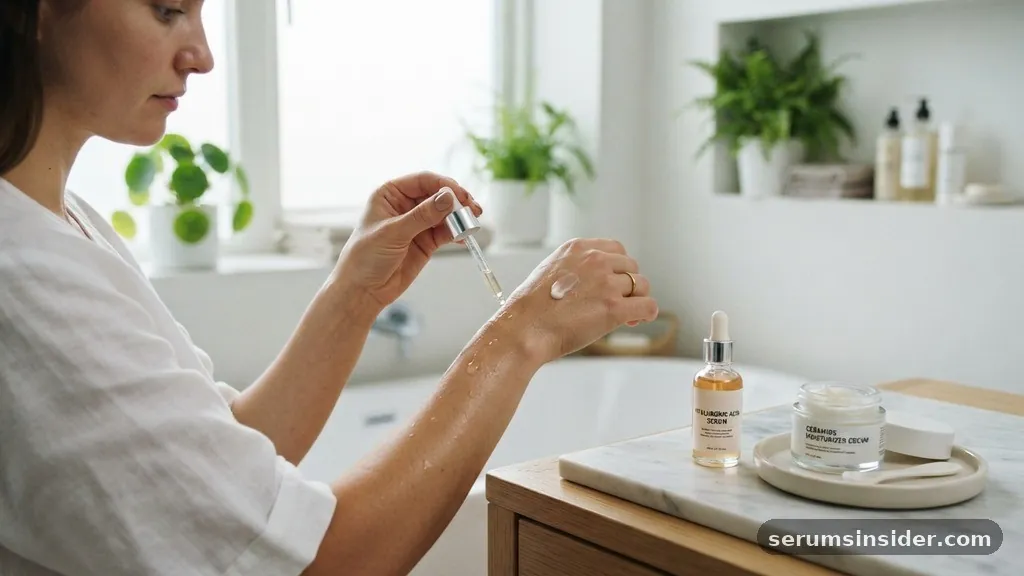
Another important tip is to allow your serum to “set” for about 60 seconds before applying your moisturizer. You do not need to wait for it to be bone-dry, but giving it a moment to absorb prevents the products from sliding around or mixing prematurely. If you find your skin feels tacky, that is often a sign that your serum is working its way in.
Once you layer the moisturizer on top, you will notice that the skin feels soft and nourished rather than heavy or greasy. By following these methodical steps, you create a synergy between your products that allows them to help your skin function at its absolute best.
Remember, the benefits of a well-structured routine are cumulative. Over time, you will notice a significant improvement in texture, tone, and overall radiance simply by respecting the physics of product layering.
Frequently Asked Questions
- Should I wait between applying a serum and a moisturizer? Yes, waiting about 30 to 60 seconds allows the serum to absorb into the skin properly. This prevents the products from pilling or sliding around, ensuring the active ingredients can penetrate before the moisturizer creates a protective, occlusive barrier on the surface.
- Does the order change if I am using a face oil? Yes. You should always apply your serum first, then your moisturizer, and finally your face oil. Oils are the heaviest products and act as a final seal. If you apply oil before a moisturizer, the cream will not be able to penetrate the oil layer.
- Can I skip moisturizer if my serum is hydrating? It is generally not recommended. While some serums contain humectants like hyaluronic acid, they lack the occlusive ingredients needed to prevent water loss. A moisturizer is necessary to seal in that hydration and protect the skin barrier from environmental stressors throughout the day.
In conclusion, mastering your daily routine starts with understanding the basic order of application. By consistently applying your serum first, followed by your moisturizer, you ensure that your skin receives the maximum benefit from every product you use.
This simple adjustment in your skincare routine minimizes waste, maximizes absorption, and supports a healthy, resilient skin barrier. Whether you are addressing specific concerns or simply maintaining your skin’s health, this order is the most effective way to achieve lasting results.