
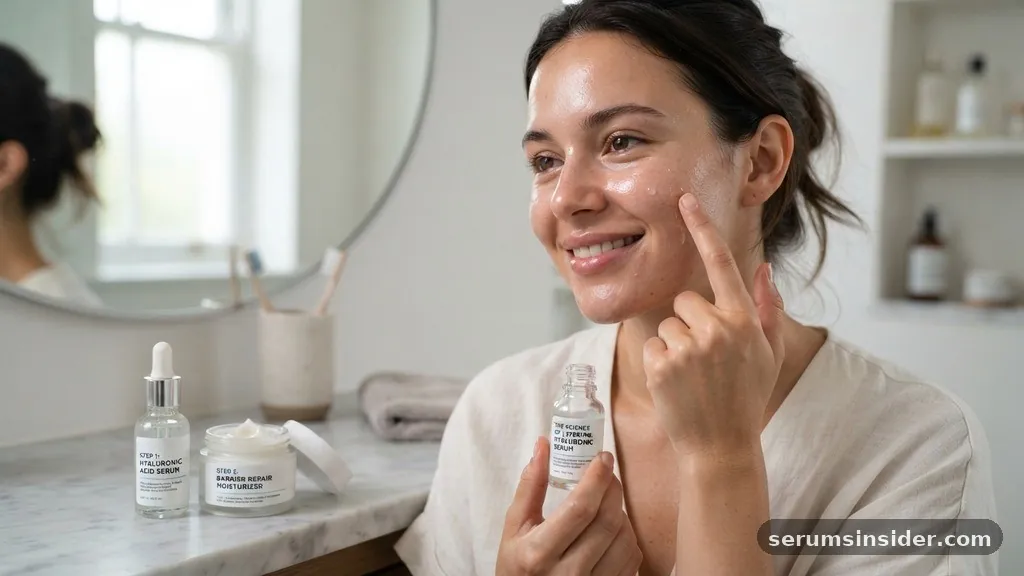
Navigating the nuances of a daily skincare routine often feels like solving a complex puzzle, especially when it comes to the layering of active treatments. A common point of confusion for many enthusiasts is whether you should put serum on before or after moisturizer. The fundamental rule in dermatological care is that you should always apply products from the thinnest to the thickest consistency.
Because a face serum is formulated with a smaller molecular weight—designed to penetrate deep into the dermis—it must be applied to clean, bare skin before you seal those benefits in with a heavier moisturizer. Skipping this order can create a barrier that prevents the potent active ingredients in your serum from reaching the target areas of your skin.
The Science Behind Product Layering
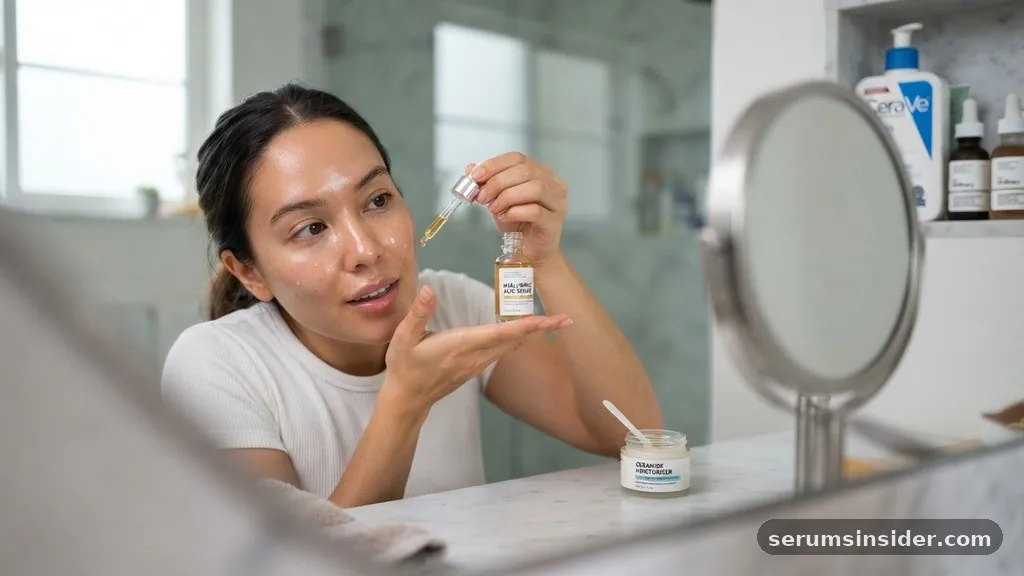
To understand why the order matters, you must consider the molecular structure of your skincare products. Serums are essentially concentrated delivery systems. They contain high levels of active ingredients like vitamin C, hyaluronic acid, or retinol, suspended in a lightweight, water-based solution.
When you apply these to your skin, the goal is for the formula to absorb rapidly. If you were to apply a rich cream or a heavy occlusive lotion first, you would essentially be creating a physical seal over your pores. This seal prevents the serum from sinking in, forcing it to sit on the surface where it might evaporate or rub off, effectively wasting your investment in high-quality skincare.
Furthermore, the skin is an organ with specific permeability. While the stratum corneum acts as a protective shield, it is permeable to substances that are formulated correctly. By applying the serum first, you allow the active ingredients to interact with the skin cells directly.
Once the serum has been absorbed, the moisturizer serves a different, equally vital purpose: hydration and protection. It acts as an occlusive layer that locks in the moisture provided by the serum while also preventing transepidermal water loss. This synergistic relationship is why the correct order of operations is non-negotiable for those looking to see actual results from their regimen.
Establishing the Correct Routine Step-by-Step
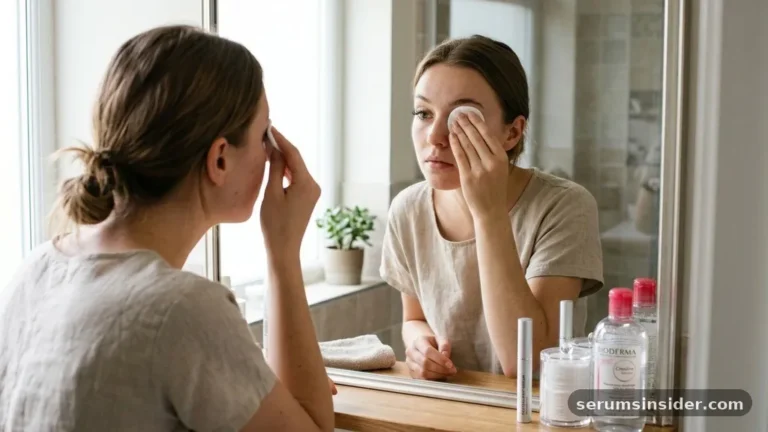
Building a consistent routine is the best way to ensure your skin receives the nutrients it needs without overwhelming it. The general flow of a skincare routine should follow a logical progression that respects the absorption rates of each product. Start by thoroughly cleansing your face to remove debris, sebum, and environmental pollutants.
Once your skin is clean, it is in the ideal state to receive treatments. If you use a toner, apply it first to balance the pH of your skin. Following this, you should reach for your serum.
Once the serum is absorbed, you can move on to your moisturizer. If you are performing this routine during the day, the final step must always be sunscreen. According to the American Academy of Dermatology, consistent sun protection is the most important factor in maintaining healthy skin over the long term.
If you try to apply sunscreen or makeup over a damp, unabsorbed serum, you risk pilling—that frustrating phenomenon where your products ball up on your skin. Below is a breakdown of how these products compare in their utility and application timing:
| Product Type | Consistency | Primary Purpose | Application Order |
|---|---|---|---|
| Face Serum | Thin/Watery | Targeted treatment | First (after cleansing) |
| Moisturizer | Creamy/Thick | Hydration & Sealing | Second |
| Sunscreen | Varies | UV Protection | Final Step (Daytime) |
Why Wait Times Between Steps Matter
Many people wonder if they need to wait between applying these layers. While you do not need to wait ten minutes, giving your serum a moment to settle is beneficial.
If you layer your products too quickly, you risk diluting the active ingredients or causing them to mix prematurely, which can sometimes lead to irritation, particularly if you are using potent ingredients like exfoliating acids or retinoids. A good rule of thumb is to wait until the skin feels slightly tacky but no longer wet before applying your cream.
This short waiting period is especially important if your serum contains high-performance ingredients. For instance, if you are using an antioxidant-rich serum, allowing it to fully absorb ensures that the antioxidants are locked into the skin before the occlusive properties of the moisturizer take over.
If you rush, you might end up dragging the serum across your face, leading to uneven distribution. Patience in your skin care process pays off by ensuring that each layer performs its specific function without interfering with the others.
Addressing Topical Gaps: Serum Myths and Reality
A common misconception is that you can mix your serum into your moisturizer to save time. While this might seem efficient, it is generally discouraged. When you mix products in your palm, you are altering the pH and the delivery vehicle of the serum.
The serum is designed to be absorbed, while the moisturizer is designed to sit on top. By mixing them, you are compromising the efficacy of both. Additionally, some ingredients may react negatively when combined in a concentrated state outside of their original formulation.
Another gap in understanding involves the use of facial oil. People often ask where oil fits into the “before or after” debate. Because oils are heavier than both serums and most moisturizers, they should almost always be the final step in your routine.
Think of oil as the ultimate sealant. If you apply oil before your moisturizer, the moisturizer will struggle to penetrate the layer of oil.
Therefore, the hierarchy remains: serum (treatment) first, moisturizer (hydration) second, and oil (sealing) third. Following this logic ensures that your skin receives a balanced diet of hydration and nourishment.
Tailoring the Routine to Your Skin Type
Your specific skin type plays a significant role in how you should approach your layering. Those with oily or acne-prone skin might find that they only need a lightweight serum and a very thin gel-based moisturizer. In this case, the serum provides the hydration, and the moisturizer acts as a light barrier.
Conversely, those with dry or mature skin might benefit from multiple serums followed by a rich, emollient cream. The order never changes, but the texture and intensity of the products certainly can.
When customizing your regimen, look for products that complement each other. If your serum is heavy in hyaluronic acid, it works best when applied to slightly damp skin, as the acid draws water into the skin. If your moisturizer contains ceramides, it will help repair the skin barrier that the serum has treated.
By understanding the regular functions of your chosen products, you can build a routine that feels less like a chore and more like a targeted therapy for your specific needs. Consistency is the key to seeing changes, so choose a routine you are likely to stick with for a long period.
Common Mistakes to Avoid
Even with the best intentions, it is easy to fall into bad habits. One of the most frequent errors is applying too much product. More is not better; in fact, using too much serum can lead to pilling and leave a sticky residue that interferes with the rest of your routine.
A pea-sized amount is usually sufficient for the entire face. Another mistake is forgetting the neck and décolletage. These areas are just as prone to aging as the face and should receive the same before after layering treatment.
Finally, ensure you are checking the expiration dates of your products. Old serums, especially those containing vitamin C, can oxidize and lose their effectiveness. Using expired products not only wastes your time but can also lead to skin irritation.
Always store your skincare in a cool, dark place to maintain the integrity of the active ingredients. By respecting the shelf life and the order of application, you create an environment where your skin can truly thrive.
Frequently Asked Questions
- Do I really need both a serum and a moisturizer? While they serve different purposes, using both is highly recommended. A serum provides concentrated active ingredients that penetrate deeply, while a moisturizer hydrates the surface and locks in the benefits of the serum, ensuring your skin remains healthy and protected throughout the day.
- Can I use a serum at night and not a moisturizer? It is generally better to use both. Even if your skin is oily, a moisturizer helps seal in the active ingredients of your serum. Without that final layer, your serum may evaporate, and your skin may lose essential moisture while you sleep, leading to dehydration.
- What happens if I apply moisturizer before serum? If you apply moisturizer first, its thicker consistency will likely act as a barrier, preventing the serum from absorbing effectively. This means you won’t get the full benefits of the active ingredients in the serum, essentially making the application of that product a waste of time and money.
- Should I wait for my serum to dry completely? You do not need to wait for it to be bone-dry, but you should wait until it is no longer wet or sliding around on your face. A few moments of air-drying allows the product to sink in, creating a better base for your moisturizer to glide over smoothly.
In summary, the question of whether to apply serum before or after moisturizer is settled by the principle of thin-to-thick application. By applying your serum first, you allow the potent active ingredients to penetrate the skin barrier, while the subsequent application of moisturizer serves to seal in hydration and protect the skin’s surface.
Adhering to this structure ensures that your skincare routine is as effective as possible, helping you achieve better results over the long term. Remember that consistency and patience are your best tools in maintaining a healthy, radiant complexion.