
Achieving radiant, healthy skin often feels like solving a complex puzzle, especially when you consider the sheer volume of products available on the market. Among these, serums stand out as potent, targeted treatments designed to deliver high concentrations of active ingredients directly into the dermis.
Knowing exactly when to use serum is the difference between seeing transformative results and simply layering liquids that never truly penetrate the surface. Because these formulas are lightweight and packed with smaller molecules than traditional lotions, they are engineered to provide maximum efficacy when applied at the right moment in your skincare routine.
The Golden Rule of Skincare Application Order
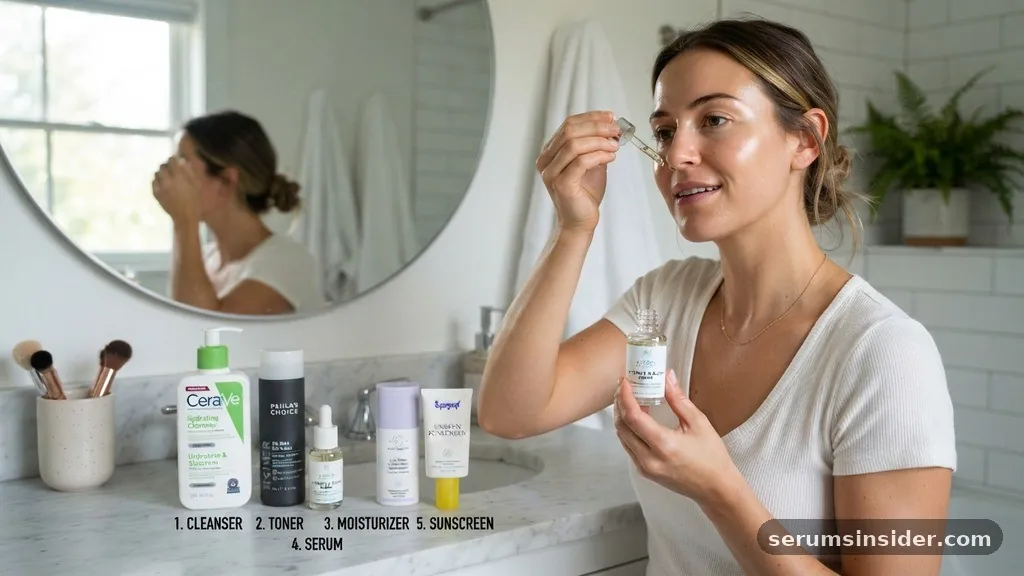
The most common question regarding applying these concentrated treatments is whether they should go on before or after a moisturizer. The fundamental rule of thumb in dermatology is to layer your products from the thinnest, most watery consistency to the thickest, most occlusive texture.
Because a serum is typically water-based or gel-like, it must be applied to clean skin before your heavier cream or lotion. If you attempt to apply a liquid treatment over a thick, oil-rich moisturizer, the larger molecules of the cream will act as a barrier, preventing the potent actives in the serum from ever reaching your pores.
Think of your skin like a dry sponge. If you coat the sponge in a thick layer of wax (your moisturizer), water will simply bead off the surface rather than soaking in. However, if you dampen the sponge first, it becomes more receptive to whatever follows.
By following the “thinnest to thickest” rule, you ensure that every product has the opportunity to perform its specific function. This sequence is not just a suggestion; it is a necessity for anyone looking to maximize the investment they have made in their beauty regimen. Whether you are using a brightening vitamin C formula or a hydrating hyaluronic acid, the order remains consistent regardless of the specific concerns you are targeting.
Morning Versus Evening: Timing Your Application
Deciding when to use serum often depends on the specific needs of your skin and the time of day. Generally, the day routine should focus on protection, while the night routine should focus on repair.
During the morning, you want to use products that defend your skin against environmental aggressors like pollution, UV radiation, and blue light. An antioxidant-rich serum applied under your SPF is a powerful way to neutralize free radicals before they can cause damage.
Conversely, the evening is the ideal time to use more intensive treatments that encourage cell turnover and deep hydration. Because you are not exposing your skin to the elements while you sleep, you can safely use ingredients that might be photosensitive or slightly more aggressive. For example, exfoliating acids or retinol-based serums are best reserved for your nighttime ritual.
- Morning: Apply antioxidant serums to shield against environmental stressors.
- Evening: Apply restorative, exfoliating, or anti-aging treatments for overnight repair.
- Consistency: Always ensure your face is properly cleansed before beginning any application.
- Layering: Allow each layer to absorb for at least 60 seconds before moving to the next.
The Importance of Proper Cleansing Before Treatment
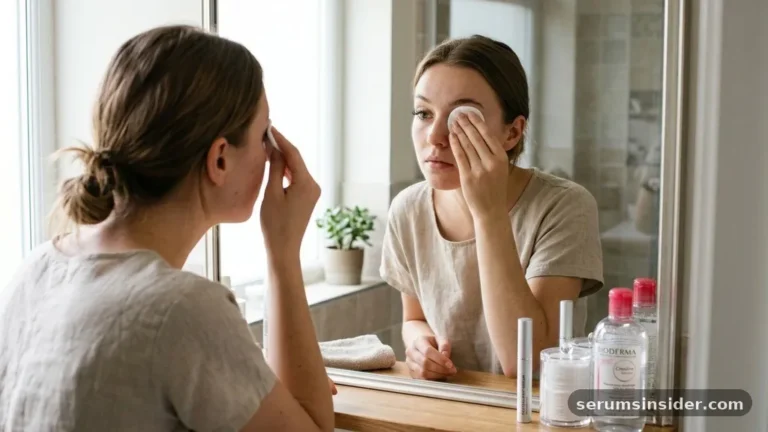
Before you even consider using a serum, you must establish a clean canvas. If there is a layer of excess sebum, makeup, or environmental debris on your face, the active ingredients will struggle to penetrate the skin barrier.
Proper cleansing is the critical first step in any effective regimen. If you are wearing heavy makeup or physical sunscreen, consider a double-cleansing method—using an oil-based cleanser followed by a gentle water-based wash—to ensure that your pores are completely clear.
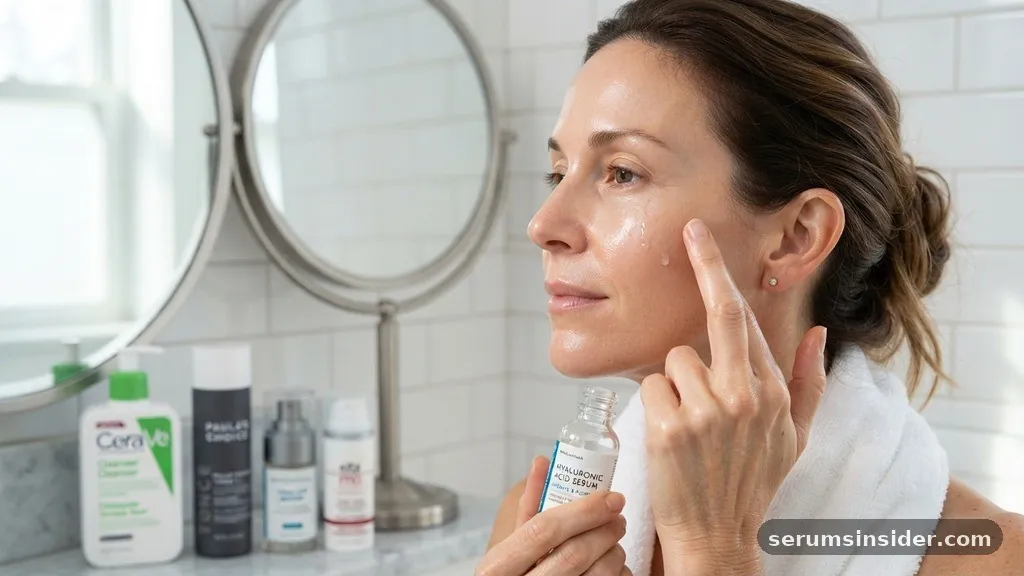
Once the skin is clean, it is often beneficial to apply serums while the skin is still slightly damp. Damp skin is more permeable than dry skin, which can help the active ingredients absorb more efficiently. However, be cautious with certain high-strength acids or retinoids; if your skin is overly sensitive, applying these on damp skin can sometimes lead to irritation.
In such cases, pat your skin dry with a clean towel before you apply serum. By removing the barrier of dirt and oil, you allow the specialized formulas to do the heavy lifting they were designed for, ensuring your skincare investment doesn’t go to waste.
Tailoring Serums to Your Specific Skin Type
Not all serums are created equal, and knowing which ones to choose for your specific skin type is just as important as knowing when to apply them. People with oily skin often shy away from layering too many products, fearing they will look greasy by midday. However, skipping a serum can actually lead to increased oil production, as the skin may overcompensate for a lack of hydration.
If you have oily or acne-prone skin, look for lightweight, water-based serums containing niacinamide or salicylic acid. These ingredients help regulate sebum production while providing necessary moisture without clogging pores.
Those with sensitive skin need to be more strategic. You should prioritize soothing ingredients like centella asiatica, ceramides, or panthenol. When introducing a new product, it is wise to perform a patch test on your inner forearm to ensure it does not cause a reaction.
You can find detailed guidance on how to manage skin sensitivities through resources like the American Academy of Dermatology, which provides evidence-based advice on product usage. By selecting the right formula for your specific needs, you can turn a basic routine into a targeted treatment plan that addresses your unique concerns, whether that is redness, dullness, or premature aging.
Common Mistakes to Avoid in Your Routine
Even with the best intentions, many people fall into traps that render their expensive skincare products ineffective. One of the most common errors is applying too many different serums at once. While “layering” is a popular trend, applying three or four different active serums can overwhelm the skin barrier, leading to irritation, redness, and even breakouts.
Instead, focus on one or two targeted treatments per session. If you have multiple concerns, it is often better to use one serum in the morning and a different one at night rather than trying to cram them all into a single application.
Another frequent mistake is neglecting the neck and chest. The skin on your décolletage is thin and prone to showing signs of aging just as much as your face. When you are applying your products, extend the application downward.
Furthermore, do not skip the moisturizer. Some people mistakenly believe that because a serum is hydrating, they can forgo a cream.
In most cases, a moisturizer acts as a sealant, locking in the hydration provided by the serum. Without that final step, the moisture can evaporate, leaving your skin feeling tight or dehydrated shortly after your routine is complete.
| Product Type | Ideal Time to Apply | Primary Function |
|---|---|---|
| Antioxidant Serum | Morning | Environmental Protection |
| Exfoliating Acid | Evening | Cell Turnover |
| Hydrating Serum | Day and Night | Moisture Retention |
| Retinol Serum | Evening Only | Anti-Aging/Repair |
Addressing Topical Gaps: The Truth About Serums and Moisturizers
A frequent point of confusion is whether you truly need both a serum and a moisturizer. The answer is almost always yes, though the “why” depends on your skin’s chemistry. A serum is a delivery system for actives; it is designed to address specific issues like fine lines, hyperpigmentation, or dehydration.
A moisturizer, however, serves a different purpose: it is formulated with humectants, emollients, and occlusives to trap water in the skin and fortify the lipid barrier. While a serum provides the “medicine,” the moisturizer provides the “blanket” that keeps everything protected and stable.
If you have very oily skin, you might find that a lightweight, water-based serum provides enough hydration on its own during the summer months. However, for the vast majority of people, the two products are synergistic. By skipping the moisturizer, you are essentially leaving the door open for water loss.
Furthermore, if you are using active ingredients like acids or retinoids, your skin barrier is in a state of constant repair. A nourishing cream is essential to soothe that barrier and prevent the dryness or flaking that often accompanies high-potency ingredients. Remember that your goal is to support the skin’s natural functions, not to override them with excessive product.
Frequently Asked Questions About Serum Usage
Can I apply moisturizer immediately after my serum?
It is best to wait about 60 seconds after applying your serum before layering your moisturizer. This short window allows the serum to absorb into the skin, ensuring it does not pill or move around when you apply the thicker cream on top.
Do I really need to use a serum if I use a good moisturizer?
While a good moisturizer is essential for barrier health, serums offer higher concentrations of active ingredients that moisturizers simply cannot match. If you want to target specific issues like dark spots or wrinkles, a specialized serum is a necessary addition to your routine.
What is the 4-2-4 rule in skincare?
The 4-2-4 rule is a cleansing method involving four minutes of oil cleansing, two minutes of water-based cleansing, and four minutes of rinsing. It is designed to ensure deep cleaning, though it is not strictly necessary for everyone and may be too harsh for sensitive skin.
Can I use multiple serums at the same time?
Yes, you can, but it is generally recommended to limit yourself to two at most. Applying too many actives can lead to skin irritation. If you have multiple concerns, try using one serum in the morning and a different one in your evening routine.
In conclusion, mastering the art of when to use serum is about understanding the synergy between your products and the biological needs of your skin. By prioritizing a “thinnest to thickest” application order, choosing formulas that align with your specific concerns, and ensuring you have a solid foundation of cleansing and moisturizing, you can significantly enhance the efficacy of your daily routine.
Skincare is a long-term commitment, and consistency in your application habits will yield far better results than any single miracle product ever could. Take the time to observe how your skin responds to different timings and textures, and adjust your regimen accordingly to achieve your healthiest complexion yet.