


Determining whether to apply your vitamin c serum at night or morning is a common dilemma for skincare enthusiasts aiming to maximize their results. While the primary goal of this potent antioxidant is to neutralize damage caused by environmental factors, the timing of its application can significantly influence how effectively it integrates into your daily regimen. Understanding the chemistry behind this ingredient—specifically its role as a stabilizer for the skin barrier—helps clarify why choosing the right time of day is more than just a matter of convenience; it is a strategic decision for skin health.
The Science of Using Vitamin C During the Day
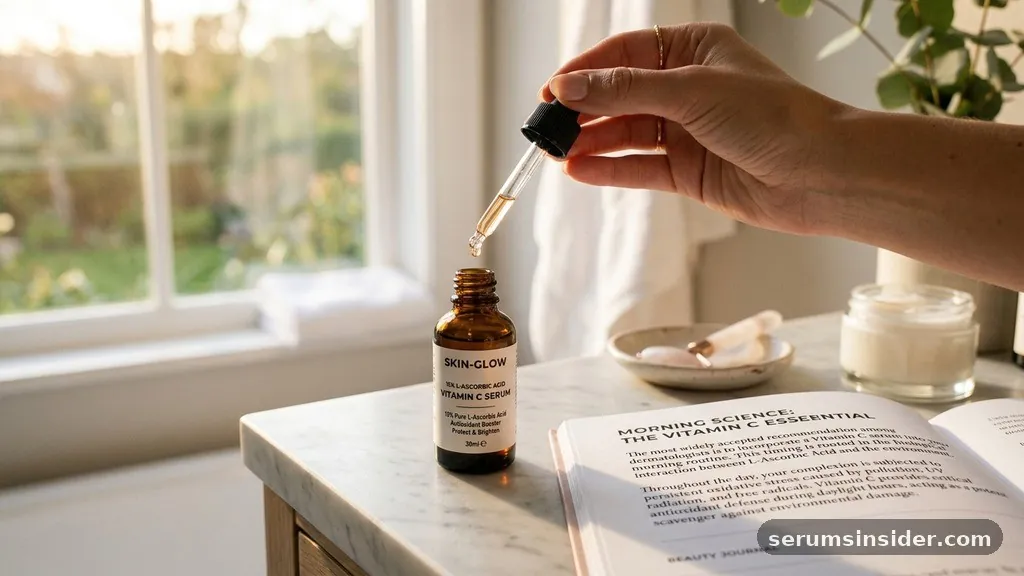
The most widely accepted recommendation among dermatologists is to incorporate a vitamin serum into your morning routine. This timing is rooted in the biological interaction between l-ascorbic acid and the environment.
Throughout the day, your complexion is subjected to persistent oxidative stress caused by pollution, smoke, and infrared radiation. By applying this antioxidant in the morning, you provide your skin with a defensive shield that actively neutralizes free radicals before they can trigger cellular degradation or collagen breakdown.
When you use vitamin C as the first active layer in your care routine, you are effectively boosting your skin’s natural resilience. Because it functions as a scavenger of unstable molecules, it works synergistically with your sunscreen to provide a secondary layer of protection. While the serum itself is not a replacement for SPF, it acts as a force multiplier, reducing the impact of any UV rays that might penetrate your physical or chemical blocker.
For those wondering about the serum morning application, the key is to allow the product to fully absorb into the texture of the skin before layering subsequent moisturizers or makeup. This creates a stable environment that prevents the active ingredients from pilling or reacting poorly with other products in your kit.
Why Nighttime Application Remains a Valid Option
While the morning is the traditional choice, using this potent ingredient at night offers unique advantages, particularly for those with sensitive skin or specific formulation preferences. During the evening, your skin enters a natural repair phase. Some studies suggest that applying high-potency antioxidants while you sleep allows the formula to work without the interference of external environmental stressors.
Furthermore, if your acid vitamin serum has a high concentration of L-ascorbic acid, it might cause mild tingling or redness in some users. By shifting the application to the evening, you avoid the potential for irritation to be exacerbated by sun exposure or makeup friction during the day.
Another compelling reason to consider a nighttime application involves product compatibility. Many people prefer to use retinol or exfoliating acids in the evening. If you find that layering these products with your vitamin C causes instability or irritation, separating them—using the vitamin c serum at night or morning—might be the best solution.
For instance, using your antioxidant serum in the morning and your regenerative treatments at night ensures that you are getting the benefits of both without compromising the efficacy of either. This approach allows you to curate a more sophisticated step-by-step process that respects your skin’s tolerance levels.
Synergy with Other Skincare Ingredients
The efficacy of your chosen serum is often dictated by its formulation. Many high-quality products combine L-ascorbic acid with ferulic acid and vitamin E. This specific combination is scientifically proven to enhance the stability and photoprotection of the serum.
According to the American Academy of Dermatology, consistent use of topical antioxidants is essential for maintaining long-term skin health and preventing premature aging. When you choose to apply these formulations, you are not just putting on a topical liquid; you are delivering a complex chemical solution that requires a stable pH to function.
Key Factors Influencing Your Choice
- Skin Sensitivity: If your skin reacts to high-concentration acids, a nighttime application may provide a longer recovery window.
- Routine Complexity: If you use multiple actives like AHAs or retinoids, placing your vitamin C in the morning avoids potential ingredient conflict.
- Environmental Exposure: Those who live in high-pollution urban areas benefit most from the morning application to combat daily oxidative stress.
- Product Stability: Always check if your specific serum is light-sensitive; if it is, ensure you are storing it in a cool, dark place regardless of when you apply it.
Comparing Morning Versus Evening Application
To help you decide the best time for your specific needs, it is helpful to look at how these two windows of time differ in terms of biological and practical outcomes. The following table highlights the primary differences between the two approaches.
| Factor | Morning Application | Evening Application |
|---|---|---|
| Primary Goal | Environmental Defense | Repair and Rejuvenation |
| Synergy | Works well with Sunscreen | Works well with Night Creams |
| Sensitivity | Higher risk of irritation | Lower risk due to rest |
| Environmental Stress | High Exposure | Zero Exposure |
Addressing Common Topical Gaps
A frequent point of confusion is whether the serum will oxidize on the skin during the day. Some users worry that because the product turns orange or brown when exposed to air in the bottle, it will do the same on their face. In reality, the slight discoloration that may occur on the skin is usually just a reaction with the dead skin cells on the surface and does not indicate a loss of potency.
Another gap in knowledge is the concept of “layering.” Many believe that if they apply the serum before their moisturizer, it will be diluted.
In fact, applying it to clean, dry skin ensures better penetration. Using the serum as a foundational step is crucial because it acts as a delivery vehicle for other nutrients.
Furthermore, there is a misconception that you should avoid sun exposure if you use vitamin C. This is entirely false. Vitamin C is not a photosensitizing agent like some retinoids or chemical exfoliants.
On the contrary, it is a photoprotective agent. By incorporating vitamin C into your morning routine, you are making your skin better equipped to handle the sun. It is one of the few ingredients that actually helps your skin defend itself against the cumulative damage of UV exposure, making it an indispensable part of a proactive care routine.
Optimizing Your Routine for Maximum Results
Achieving the best results requires consistency and proper technique. Regardless of whether you choose morning or evening, the order of operations remains the same: cleanse, apply the serum, then follow with targeted treatments and hydration. If you are applying the product in the morning, wait at least three to five minutes before moving on to the next step.
This allows the serum to fully absorb into the epidermis. If you feel that your skin is becoming too dry, you can follow up with a hyaluronic acid serum to lock in moisture.
For those who are just starting out, it is often best to begin with a lower concentration to see how your skin reacts. Once you have established tolerance, you can move toward higher percentages. Remember that the texture of the skin will improve over time with regular use, but patience is required.
You will likely notice a brighter complexion and a more even tone after several weeks of continuous application. Do not be discouraged if you do not see overnight results; the true power of this ingredient lies in its ability to prevent future damage while slowly correcting existing pigment issues and fine lines.
Frequently Asked Questions
Can I use vitamin C serum twice a day?
Yes, you can use it both morning and night, provided your skin tolerates it well. However, for most people, a single application in the morning is sufficient to provide all-day antioxidant protection. Using it twice may increase the risk of irritation for those with sensitive skin.
Does vitamin C serum expire quickly?
Vitamin C is notoriously unstable and can oxidize when exposed to light, air, or heat. You should look for serums in opaque, airtight packaging. If the liquid turns a dark orange or brown color, it has likely oxidized and will be less effective, so it is best to replace it.
Should I apply vitamin C before or after moisturizer?
Always apply your vitamin C serum after cleansing and toning, but before your moisturizer. Serums have a smaller molecular weight, allowing them to penetrate the skin barrier effectively. If you apply a heavy moisturizer first, it may block the serum from reaching the deeper layers of your skin.
Does it interact with other skincare ingredients?
Vitamin C can be tricky when paired with certain ingredients like benzoyl peroxide or high-strength AHAs, which may destabilize it. It is generally safe to use alongside niacinamide, though some prefer to space out their application to avoid any potential for flushing or minor skin redness.
In summary, the choice between using your vitamin c serum at night or morning largely depends on your lifestyle and skin sensitivity. While the morning remains the gold standard for environmental protection against free radicals, the nighttime remains a highly effective alternative for those focused on cellular repair or those dealing with sensitive complexions.
By prioritizing a high-quality formulation and maintaining a consistent, well-ordered routine, you can harness the full potential of this powerful antioxidant to achieve a healthier, more resilient, and radiant appearance. Whether you opt for a morning shield or an evening treatment, the most important factor is the regularity with which you apply the product, as consistent use is the true secret to long-term skin health.