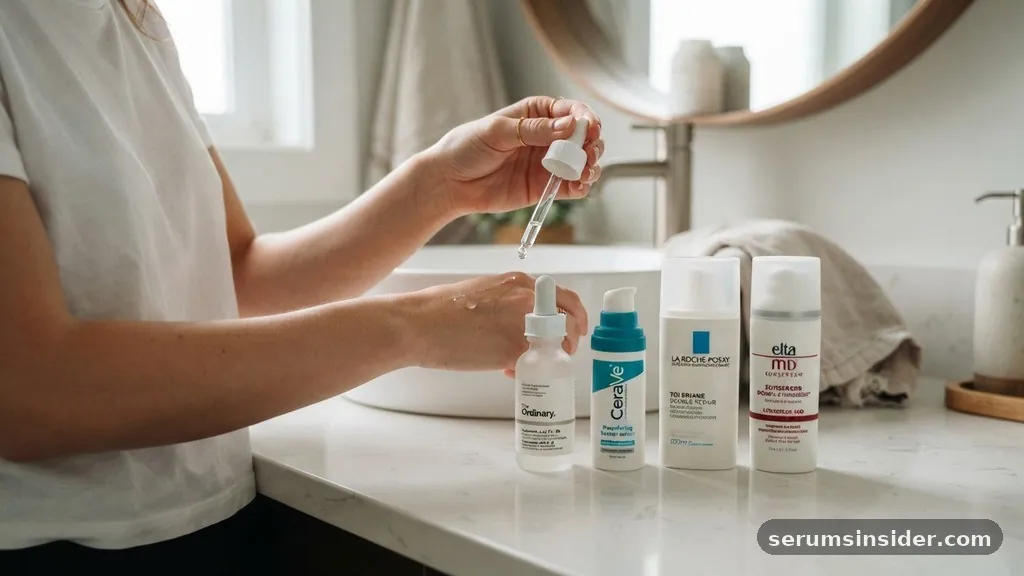
Navigating the complexities of a modern skincare routine can often feel like solving a chemistry puzzle, especially when potent ingredients like retinol are involved. If you have ever stared at your bathroom counter wondering, “do you put retinol on before or after serum,” you are certainly not alone. The general rule of thumb in the skincare industry is to apply products from the thinnest consistency to the thickest.
However, because retinol is a powerful topical treatment that requires specific conditions to work effectively without causing irritation, the standard rules sometimes require a slight adjustment. Understanding how to layer these products ensures that you maximize the benefits of your active ingredients while minimizing potential downtime or sensitivity.
The Fundamental Rule of Skincare Layering
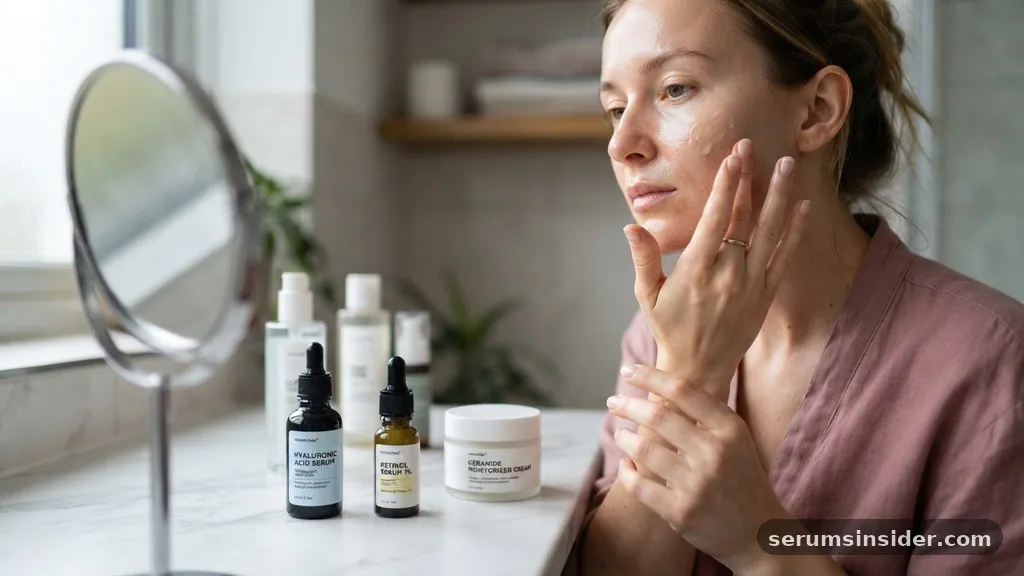
When building a skincare routine, the primary principle is to move from the lightest, most water-like formulas to the heaviest, most occlusive creams. This is because lighter products have smaller molecules that can easily penetrate the skin barrier.
If you were to apply a thick, oil-based cream before a lightweight, water-based serum, the cream would create an impenetrable barrier, preventing the serum from ever reaching your skin. When asking do you put retinol on before or after serum, you must first identify the texture of the products you are using.
If you are using a water-based vitamin serum like Vitamin C or a hydrating essence, those should almost always go on clean, dry skin first. Retinol, which often comes in a cream or a lotion base, typically follows these lighter liquids. However, the true “best” way to apply retinol depends on your skin’s sensitivity levels.
If you are a beginner, applying retinol after your serum—or even after a thin layer of moisturizer—can act as a buffer, reducing the risk of peeling or redness. Conversely, if you are a seasoned user, applying it closer to the skin allows for deeper penetration and more potent results.
Determining the Order Based on Product Consistency
Consistency is the most reliable guide when you are confused about the layering order. Most serums are designed to deliver high concentrations of active ingredients directly into the dermis. If your retinol is a lightweight gel or a thin emulsion, it may actually be thinner than your other serums.
In that specific case, you would apply the retinol first. Conversely, if your serum is a thick, viscous hyaluronic acid treatment, you would apply that to damp skin first to lock in moisture, followed by your retinol once the skin is completely dry.
It is critical to note that applying retinol to damp skin can increase absorption, which might sound good, but it often leads to unwanted irritation. Therefore, the rule of thumb is to ensure your skin is entirely dry before applying any retinoid.
If you use a serum, let it absorb for at least 60 seconds before layering your retinol. This waiting period prevents the active ingredients from mixing prematurely, which can sometimes lead to instability or reduced efficacy of the formulas.
The Buffer Method: Protecting Your Skin Barrier
For many people, the most significant challenge with using retinoids is the potential for dryness, flaking, and irritation. This is where the “sandwich method” or buffer method comes into play.
If you find yourself asking do you put retinol on before or after serum, and you are experiencing sensitivity, you might consider placing a lightweight moisturizer between your serum and your retinol. This creates a protective layer, or buffer, that slows down the absorption rate of the retinol without neutralizing its long-term benefits.
This technique is highly recommended by dermatologists for those who are just starting their journey with retinoids. By applying a thin layer of moisturizer first, you allow the skin to acclimate to the ingredient slowly.
Over time, as your skin builds tolerance, you can move the retinol closer to the skin, eventually applying it directly after your serum or even before it. This flexibility allows you to customize your skin care routine to match your skin’s current needs, which can fluctuate depending on the season, your stress levels, and your hormonal cycle.
Comparing Application Strategies
To help you visualize how to integrate these products, the following table outlines the standard order for different types of skincare regimens.
| Method | Order of Application | Best For |
|---|---|---|
| Standard Layering | Cleanser -> Serum -> Retinol -> Moisturizer | Experienced users |
| Buffer Method | Cleanser -> Moisturizer -> Retinol -> Moisturizer | Sensitive or dry skin |
| Minimalist | Cleanser -> Retinol -> Moisturizer | Those simplifying their routine |
As demonstrated, the “correct” answer to do you put retinol on before or after serum is highly dependent on your specific skin goals and tolerance. For a deeper dive into the science of skin health, you can visit the American Academy of Dermatology for professional insights on how to maintain a healthy barrier.
Ingredients That Should Never Mix With Retinol
Beyond the question of order, you must consider the compatibility of the ingredients within your products. While retinol is a powerhouse for anti-aging and acne, it does not play well with everything.
You should be particularly cautious when pairing retinol with other potent exfoliants or acids. For example, using Alpha Hydroxy Acids (AHAs) or Beta Hydroxy Acids (BHAs) at the exact same time as your retinol can strip the skin barrier, leading to severe inflammation and compromised skin health.
If you want to incorporate both into your night routine, the best practice is to alternate nights. Use your retinol on one night and your exfoliating serum on another. This ensures that you get the benefits of both without overwhelming your complexion.
If you are using a vitamin serum, check the pH levels. Many potent vitamin serums are acidic, which can potentially destabilize the retinol. When in doubt, separate your actives by time of day—use your antioxidant serums in the morning and reserve your retinoids for the evening.
Common Mistakes and How to Avoid Them
One of the most frequent mistakes users make is applying too much product. With retinol, less is truly more. You only need a pea-sized amount for your entire face.
When you apply too much, you increase the likelihood of side effects without necessarily seeing faster results. Another common error is failing to apply sunscreen the next day.
Retinol increases cell turnover, which leaves new, delicate skin exposed to UV damage. If you aren’t wearing SPF, you are essentially undoing all the hard work your retinol is doing at night.
Furthermore, do not be tempted to use your retinol twice a day. Even if your skin feels fine, the purpose of a retinoid is to influence cellular behavior over the long term.
Once at night is sufficient. If you are struggling with persistent redness, consider switching to a lower concentration or a different alternative form, such as retinaldehyde, which is generally considered to be gentler than traditional prescription-strength options while still providing effective results.
Addressing Topical Gaps and Personalized Needs
A common question that often goes unanswered is how to handle multi-step routines that include oils. If you use a facial oil, it should always be the final step in your routine, regardless of where your retinol sits.
Oils are occlusive and will block everything else if applied too early. If you feel like your skin is still too dry after your retinol, you can press a few drops of a non-comedogenic facial oil over your moisturizer to lock everything in.
Another gap in knowledge is the role of hyaluronic acid. Many people believe they must avoid it when using retinol, but that is a myth. In fact, hyaluronic acid is a perfect companion to retinol because it provides the deep hydration that retinol can sometimes deplete.
Applying a hydrating serum containing hyaluronic acid before your retinol is a great way to keep your skin plump and supple. By focusing on hydration, you mitigate the “retinol uglies” (the period of flaking and dryness) and maintain a healthy, glowing complexion throughout your treatment.
Conclusion
Ultimately, the answer to “do you put retinol on before or after serum” is that order is dictated by texture and your skin’s specific needs. By applying your thinnest products first and allowing adequate drying time, you create a stable foundation for your retinol to work its magic. Remember that consistency is more important than intensity; it is better to use a mild retinoid regularly than a harsh one sporadically.
Listen to your skin, watch for signs of irritation, and don’t be afraid to adjust your routine as you go. With a thoughtful approach, you can successfully integrate retinol into your regimen and enjoy the long-term benefits of smoother, more resilient skin.
Frequently Asked Questions
Can I apply retinol immediately after washing my face?
It is generally recommended to wait at least 15 to 20 minutes after cleansing before applying retinol. Applying it to damp skin can cause the product to penetrate too deeply and too quickly, which often leads to unnecessary irritation and redness for most skin types.
Should I apply moisturizer before or after retinol?
If you have sensitive skin, applying a light moisturizer before your retinol acts as a buffer. For those with more resilient skin, applying moisturizer after the retinol is standard practice to lock in hydration and prevent trans-epidermal water loss throughout the night.
Can I use vitamin C serum and retinol together?
It is usually best to separate them by time of day to avoid irritation. Use your vitamin C serum in the morning to benefit from its antioxidant protection against environmental stressors, and reserve your retinol for your evening routine to aid in cellular repair while you sleep.
How do I know if my retinol is working?
Visible results from retinol, such as improved texture and a reduction in fine lines, typically take 8 to 12 weeks of consistent use. Do not be discouraged if you don’t see changes immediately; the process of skin cell turnover is a gradual, long-term biological commitment.