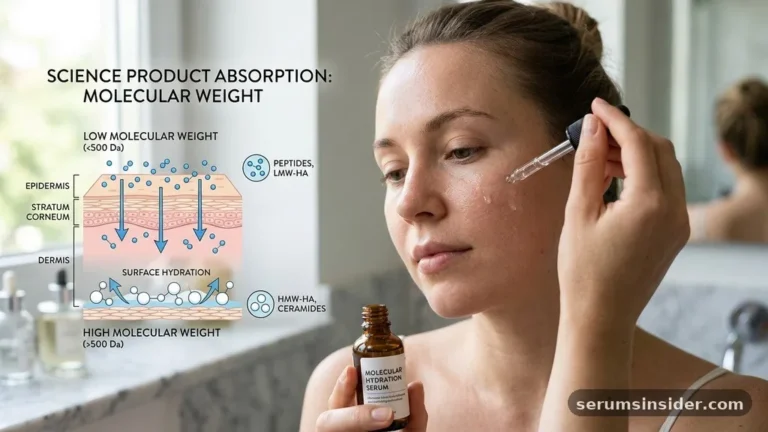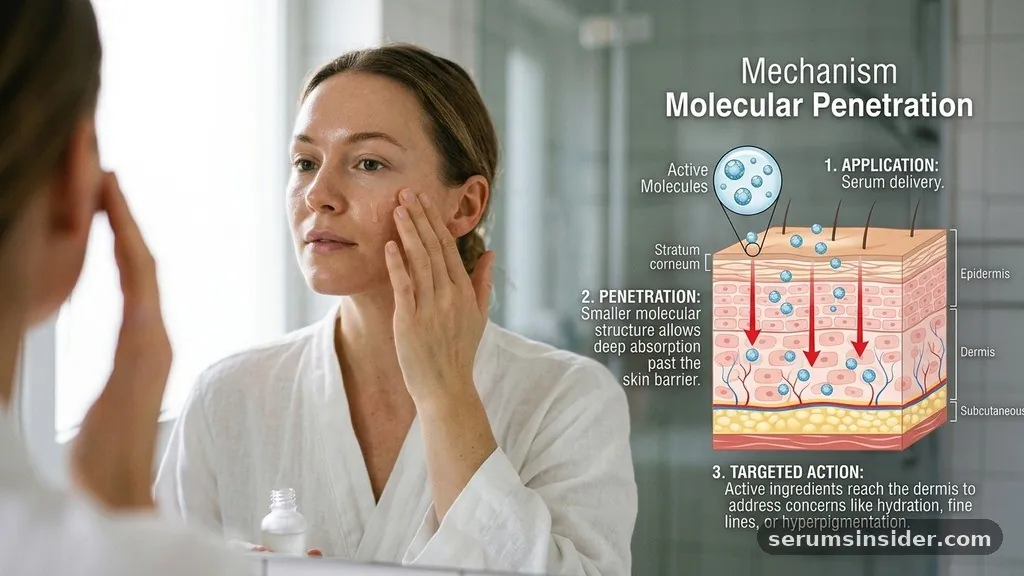
A facial serum is a lightweight, fast-absorbing skincare product designed to deliver high concentrations of active ingredients directly into the deeper layers of the skin. Unlike a traditional moisturizer, which primarily functions to lock in moisture and create a protective barrier on the surface, a serum is formulated with smaller molecules that penetrate the epidermis more efficiently.
When you ask what does a serum do for your face, the answer lies in its targeted approach; it acts as a delivery vehicle for potent compounds that address specific dermatological needs, ranging from hyperpigmentation and fine lines to dehydration and dullness. By incorporating these concentrated liquids into your daily routine, you are essentially providing your skin with a specialized treatment that works beneath the surface to improve overall health and appearance.
The Mechanism of Molecular Penetration in Skincare
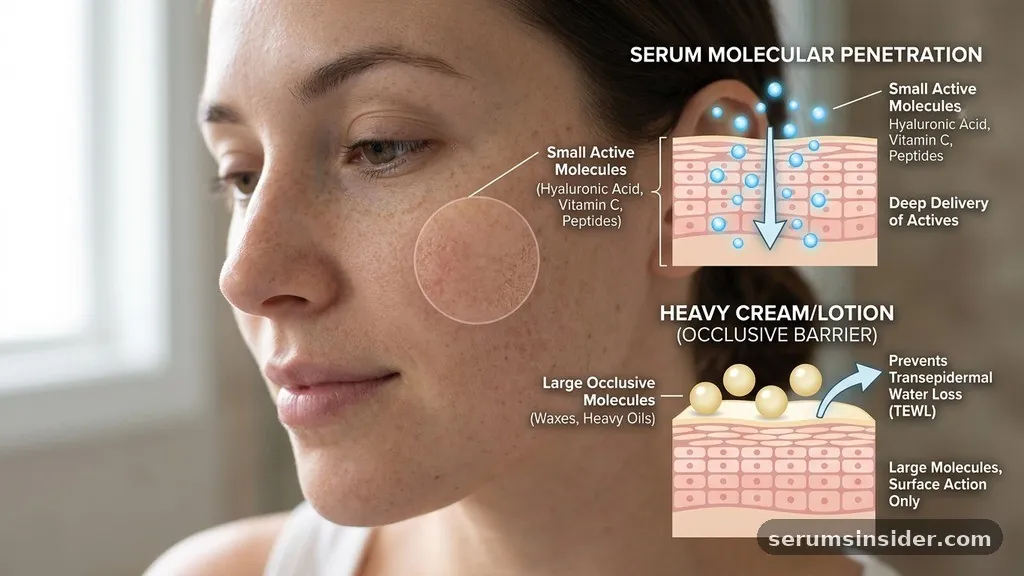
To understand the efficacy of a serum, one must look at its molecular structure. Most heavy creams and lotions contain occlusive agents—like waxes or thick oils—that are designed to sit on the skin to prevent transepidermal water loss. While this is essential for maintaining hydration, these large molecules cannot easily bypass the skin’s natural lipid barrier.
A skin serum, by contrast, is engineered with a thinner viscosity and a smaller molecular weight. This allows the product to bypass the superficial layers of the skin, reaching the dermis where cellular activity occurs.
Because these products are formulated without the heavy fillers or thickeners found in creams, they are highly concentrated. Even a single drop can contain a massive amount of active compounds, such as antioxidants, peptides, or acids. When you apply a serum after cleansing but before moisturizing, you are essentially treating the skin at its most receptive state.
The product absorbs almost instantly, leaving no greasy residue behind. This makes serums an ideal medium for delivering sensitive but effective ingredients that might otherwise be diluted or blocked by heavier skincare products.
Addressing Specific Concerns with Targeted Ingredients
The primary reason to use a facial serum is its ability to treat specific skin concerns with precision. Because of their concentrated nature, these products are the most effective way to introduce active ingredients into your routine. Depending on your primary goal, the choice of serum will vary significantly.
For instance, if you are looking to combat signs of aging, you might opt for a formula containing retinol, a derivative of vitamin A that accelerates cell turnover and stimulates collagen production. Alternatively, those struggling with environmental damage often turn to vitamin C, a powerful antioxidant that brightens the complexion and neutralizes free radicals caused by pollution and UV exposure.
It is important to recognize that not all serums are created equal. Some are designed for calming sensitive skin using botanical extracts, while others are formulated to exfoliate using alpha-hydroxy acids (AHAs) or beta-hydroxy acids (BHAs).
By identifying your skin type—whether oily, dry, combination, or sensitive—you can select a product that provides the exact support your skin is missing. The versatility of these treatments is what makes them a cornerstone of modern dermatology and aesthetic care, as they allow for a highly personalized approach to maintaining skin health over time.
The Role of Hydration and Moisture Retention
One of the most popular categories of serums focuses on deep hydration. Many people assume that if they use a thick moisturizer, they don’t need a serum, but this is a common misconception. A hydrating serum, often featuring hyaluronic acid, serves a completely different purpose than a cream.
Hyaluronic acid is a humectant, meaning it draws moisture from the air and deeper layers of the skin to the surface. It can hold up to 1,000 times its weight in water, providing a plumping effect that makes the skin look firmer and more youthful.
When you use a hyaluronic acid serum, you are essentially “pre-hydrating” the skin. If you apply this product to slightly damp skin, it traps that moisture, which you then seal in with your regular moisturizer. This layering technique is the secret behind the glowing, dewy look often associated with professional skincare routines.
Without the serum, the moisturizer only addresses the surface; with the serum, you are ensuring that the deeper tissues remain hydrated throughout the day, which is essential for maintaining elasticity and preventing the appearance of fine lines caused by dehydration. You can find more information on the importance of barrier health at the American Academy of Dermatology.
Comparing Serums and Moisturizers
Many users find themselves confused about how a serum fits into their existing routine alongside creams and oils. To clarify, it helps to view these products as having distinct roles in the lifecycle of skin health.
While a cream is a protective cloak, a serum is a corrective tool. The table below outlines the fundamental differences between these two essential steps to help you structure your regimen more effectively.
| Feature | Facial Serum | Moisturizer/Cream |
|---|---|---|
| Primary Function | Targeted treatment/Correction | Protection/Barrier support |
| Molecular Size | Small (Deep penetration) | Large (Surface occlusion) |
| Texture | Thin, liquid, or gel-like | Thick, creamy, or buttery |
| Application Order | Before moisturizer | After serum |
As demonstrated, these products are not interchangeable; they are complementary. Using a moisturizer without a serum is like putting on a coat without wearing a shirt—you are protected from the elements, but you haven’t addressed the underlying needs of the skin. Conversely, using a serum without a moisturizer can sometimes lead to evaporation, as the active ingredients might draw moisture out of the skin if not sealed in by an occlusive layer.
Common Myths and Misconceptions
When discussing what does a serum do for your face, it is necessary to clear up some common myths that prevent people from achieving their skin goals. One prevailing myth is that serums are only for “mature” skin. In reality, preventative skincare is the most effective approach.
Using an antioxidant serum in your twenties can help prevent the early signs of aging, such as sun spots and loss of elasticity, long before they become visible. Another misconception is that serums are always harsh or irritating. While some active-heavy formulas (like those with high-strength retinoids) require a period of adjustment, many serums are designed specifically to be soothing, anti-inflammatory, and gentle.
Furthermore, there is a belief that you need a dozen different serums to see results. This is rarely the case. In fact, layering too many different active ingredients can lead to skin irritation and a compromised barrier.
A minimalist approach, focusing on one or two high-quality products that address your primary concerns, is almost always better than a complex routine that confuses the skin. Consistency is the most important factor in any skincare journey. Using a product sporadically will rarely yield the transformative results that come from daily, disciplined application over several months.
Integrating Serums Into Your Daily Routine
If you are ready to start using a serum, the process is straightforward but requires attention to detail. First, always apply your products in order of consistency, moving from the thinnest to the thickest. Your serum should always come after cleansing and toning but before your heavier creams or facial oils.
This ensures that the active molecules are not blocked by thicker substances. When applying, use your fingertips to gently press the product into the skin rather than rubbing it vigorously. This technique, often called “patting,” helps improve absorption and is less damaging to the delicate skin barrier.
When you introduce a new serum, it is wise to perform a patch test on your neck or inner arm to ensure your skin reacts well to the ingredients. If you are using a potent formula like retinol or a strong acid, start by using it only two or three times a week, gradually increasing frequency as your skin builds tolerance.
Remember that some ingredients, particularly vitamin C, are photosensitive and should be used in the morning, while others, like retinol, are best reserved for your evening routine to avoid potential sun sensitivity. By tailoring the timing of your application, you maximize the benefits while minimizing the risk of adverse reactions.
Frequently Asked Questions
Do I need to use a serum every day?
Yes, for the best results, you should use your serum daily. Most active ingredients require consistent, repeated exposure to create measurable changes in skin texture, tone, and health. Skipping days can disrupt the process and delay the visible improvements you are looking for in your skin.
Can I use more than one serum at the same time?
You can layer serums, but it is best to limit yourself to two at most to avoid irritation. Apply the thinner, water-based serum first, let it absorb for a minute, then apply the second. Avoid mixing incompatible actives like retinol and high-strength AHAs in the same application.
Are there any disadvantages to using face serum?
The main disadvantage is the potential for irritation if you choose a product too strong for your skin type. Additionally, because serums are potent, they can be more expensive than basic moisturizers. However, the cost is usually justified by the high concentration of effective ingredients provided.
Does a serum replace my moisturizer?
No, a serum does not replace a moisturizer. Serums are designed to treat specific issues, while moisturizers are designed to hydrate and protect the skin barrier. To achieve optimal skin health, you should use both: the serum for treatment and the moisturizer to lock everything in.
In conclusion, a serum is an essential component of a modern, effective skincare regimen. By delivering concentrated, high-performance ingredients directly where they are needed most, these products bridge the gap between simple hygiene and advanced skin health.
Whether you are aiming to brighten your complexion, smooth out fine lines, or simply boost your hydration levels, there is a serum formulated to help you reach those goals. By understanding how these powerful liquids function and how to layer them correctly, you can transform your skin and maintain a healthy, vibrant appearance for years to come.