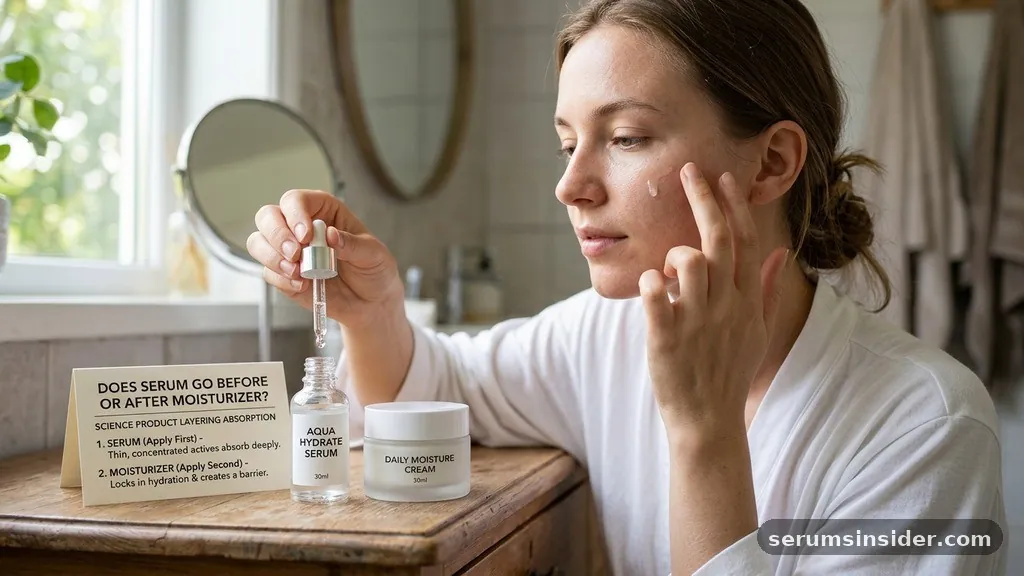
Navigating the complexities of a modern skincare routine can often feel like solving a chemistry puzzle, especially when you are trying to determine whether your face serum should be applied before or after your moisturizer. The general rule of thumb in dermatology is to apply products in order of consistency, moving from the thinnest, most lightweight liquids to the thickest, most occlusive creams.
Because serums are typically water-based, highly concentrated, and formulated to penetrate the epidermis deeply, they must go on clean, bare skin first. By understanding the science behind how these skincare products interact with your skin barrier, you can ensure that you are getting the maximum benefit from your investment.
The Science of Product Layering and Absorption
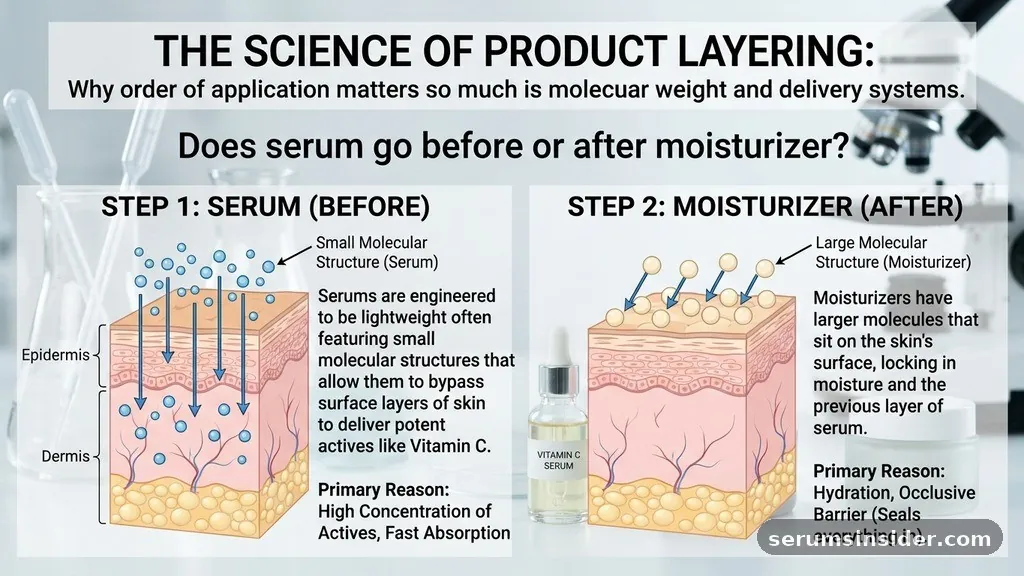
The primary reason why the order of application matters so much is the molecular weight and delivery system of the ingredients. Serums are engineered to be lightweight, often featuring small molecular structures that allow them to bypass the surface layers of the skin to deliver potent active ingredients like Vitamin C, niacinamide, or hyaluronic acid. If you were to apply a heavy cream or a thick oil first, you would essentially be creating a physical barrier on your skin’s surface. This barrier, while excellent for locking in hydration, would prevent the active ingredients in your serum from reaching their intended destination.
When you apply your serum first, you allow those concentrated ingredients to sink into the skin without obstruction. Once the serum has been absorbed, which usually takes about sixty seconds, you follow up with a moisturizer. The moisturizer serves a different purpose: it acts as a seal.
It contains occlusive agents that trap the moisture provided by the serum and prevent transepidermal water loss. Essentially, the serum treats the skin, while the moisturizer protects and hydrates it.
According to the American Academy of Dermatology Association, a consistent routine focusing on these fundamentals is the best way to maintain long-term skin health. By respecting the “thinnest to thickest” rule, you ensure that every product in your regimen performs the task it was specifically designed for, leading to better overall results for your specific skin type.
Why Order Matters for Your Skin Barrier
Your skin barrier is a complex protective layer of lipids and proteins that keeps irritants out and moisture in. When you introduce various products into your daily routine, you are interacting directly with this barrier. If you apply products in the wrong order, you risk neutralizing the efficacy of your high-performance actives.
For instance, if you have an oily skin type, you might be tempted to skip the moisturizer entirely, but doing so could cause your skin to overcompensate by producing even more sebum. Alternatively, applying a heavy moisturizer before a serum can lead to pilling, where the product rolls off the skin in small clumps, signaling that the layers are not properly absorbing.
Understanding the interaction between a serum moisturizer combination is critical for those dealing with specific concerns like hyperpigmentation, fine lines, or acne. Active ingredients require a specific pH level or a direct path to the skin cells to function correctly. By applying the serum first, you provide the skin with the necessary nutrients.
Following up with a moisturizer then helps soothe the skin, especially if the serum contains strong actives like retinol or exfoliating acids that might cause temporary sensitivity. This two-step process creates a balanced environment where your skin receives both the targeted treatment it needs and the essential moisture required to stay supple, resilient, and healthy throughout the day.
Step-by-Step Guide to Proper Application
To get the most out of your skincare routine, follow a systematic approach. Consistency is key, and once you establish the correct sequence, it becomes second nature. Start with a clean slate; if there is dirt, oil, or leftover makeup on your face, the active ingredients in your serum will struggle to penetrate, and you may even trap impurities against your skin.
- Cleanse your face thoroughly with a gentle cleanser to remove debris and prepare the surface.
- Apply a toner if you use one, allowing it to dry slightly, as this balances the skin’s pH.
- Dispense a small amount of your chosen face serum into your palms or directly onto your cheeks and forehead.
- Gently press the serum into your skin using your fingertips, starting from the center of the face and moving outward.
- Wait for one to two minutes until the serum feels tacky but no longer wet.
- Apply your moisturizer in an upward, circular motion to lock in the serum and provide a protective layer.
By following these steps, you ensure that the product is distributed evenly and has the best possible chance of absorption. Remember that you do not need to use a large amount of product; a pea-sized amount of serum is usually sufficient for the entire face. Over-applying products can lead to product buildup and clogged pores, which is particularly problematic for those prone to breakouts.
Comparing Product Textures and Functions
Understanding the difference between the various types of products you use can help you navigate the “before or after” dilemma with confidence. Not all serums are created equal, and not all moisturizers serve the same function. Some serums are water-based, while others are oil-based.
If you are using a facial oil, the rules change slightly. Generally, oils are the heaviest products and should be applied after your moisturizer, as they can penetrate through most creams but will definitely block a water-based serum from getting through.
| Product Type | Primary Function | Typical Consistency | Application Order |
|---|---|---|---|
| Toner | Balancing pH | Liquid | First |
| Serum | Targeted Treatment | Lightweight/Gel | Second |
| Moisturizer | Hydration/Seal | Cream/Lotion | Third |
| Facial Oil | Occlusive/Protection | Viscous/Oil | Last |
The table above illustrates the hierarchy of application. By keeping this chart in mind, you can troubleshoot your own routine.
If you find your skin feeling dry by midday, you might need a heavier moisturizer; if you find it feeling greasy, you might be using too much product or the wrong texture for your skin type. The correct order is always the foundation of an effective regimen, regardless of the specific brands or ingredients you choose to use.
Addressing Common Topical Gaps
A common point of confusion arises when users incorporate multiple serums into their routine. If you are using more than one, should they all go before the moisturizer? The answer is yes, but with a caveat regarding texture.
Always layer your serums from the thinnest, most watery consistency to the thickest, most viscous consistency. For example, if you are using a watery Vitamin C serum and a thicker hyaluronic acid serum, apply the Vitamin C first. This ensures that the thinner liquid doesn’t have to fight its way through a thicker gel layer.
Another frequently asked question involves the use of sunscreen. Sunscreen should always be the final step in your morning routine, applied after your moisturizer. If you apply your moisturizer after your sunscreen, you will dilute the SPF protection, leaving your skin vulnerable to UV damage.
When you are building a routine, think of it as a construction project: the serum is the foundation, the moisturizer is the structure, and the sunscreen is the roof that protects everything from the elements. By keeping this mental model, you avoid the common pitfalls that lead to ineffective skincare habits and wasted product.
Maximizing Results for Day and Night
Your skin’s needs change throughout the day, which is why your day and night routines might differ slightly. During the day, your focus is on protection.
You want your serum to contain antioxidants like Vitamin C to fight off environmental stressors, and your moisturizer should be lightweight enough to sit comfortably under makeup and sunscreen. Because you are constantly exposed to pollutants, the protective layer created by your moisturizer is vital.
At night, your skin enters a repair mode. This is the best time to use heavier, more potent serums containing retinol, peptides, or exfoliating AHAs. Since you aren’t worried about sun exposure or makeup application, you can use a richer, more intensive moisturizer to support the skin’s natural recovery process.
Regardless of the time of day, the fundamental rule remains: serum first, moisturizer second. This simple, consistent application method allows your skin to reap the full benefits of your products.
Whether you are aiming for hydration, anti-aging, or acne management, the order of application is the most significant factor in determining the success of your regimen. By adhering to this structure, you create the optimal conditions for your skin to thrive, ensuring that every drop of product you apply is working effectively to improve your complexion.
Frequently Asked Questions
Can I mix my serum and moisturizer together?
While you technically can mix them in your palm before applying, it is generally recommended to apply them separately. Applying the serum first allows it to penetrate deeply, while the moisturizer applied afterward provides a distinct, effective barrier. Mixing them can dilute the potency and alter the absorption rate.
What if my serum feels sticky after application?
A slight tackiness is normal for many high-performance serums, especially those containing hyaluronic acid. Wait about sixty seconds for the product to settle into the skin before applying your moisturizer. If it stays sticky for much longer, you may be using too much product or the formula is too thick.
Does the order change if I have sensitive skin?
The order remains the same, but you might want to adjust your technique. If you have sensitive skin, consider applying your moisturizer while your skin is still slightly damp from the serum. This can help “sandwich” the active ingredients, reducing the risk of irritation while still allowing for effective absorption.
Is it necessary to use a serum at all?
A serum is not strictly necessary for everyone, but it is highly recommended if you have specific skin concerns like dark spots, fine lines, or severe dehydration. If you are happy with your skin and only want basic maintenance, a cleanser and a high-quality moisturizer are perfectly sufficient.