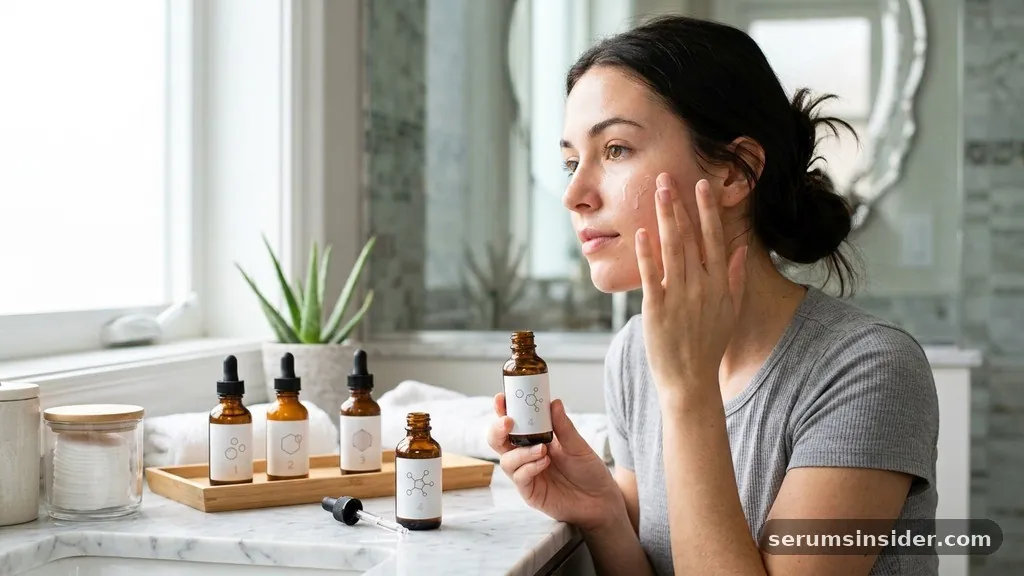
Achieving a radiant, healthy complexion often comes down to the order in which you apply your products. Learning how to use serum effectively is the secret weapon in any high-performance skincare routine. Because these concentrated treatments are designed to deliver high concentrations of active ingredients directly into the deeper layers of the skin, their placement in your daily regimen is critical.
If applied incorrectly, you risk wasting expensive formulations or preventing them from penetrating the skin barrier. A serum is not merely an optional addition; it is a targeted solution designed to address specific concerns, whether you are battling dehydration, hyperpigmentation, or the early signs of aging. By understanding the science of absorption and layering, you can ensure that every drop provides the maximum benefit for your unique needs.
The Science of Serum Absorption and Layering
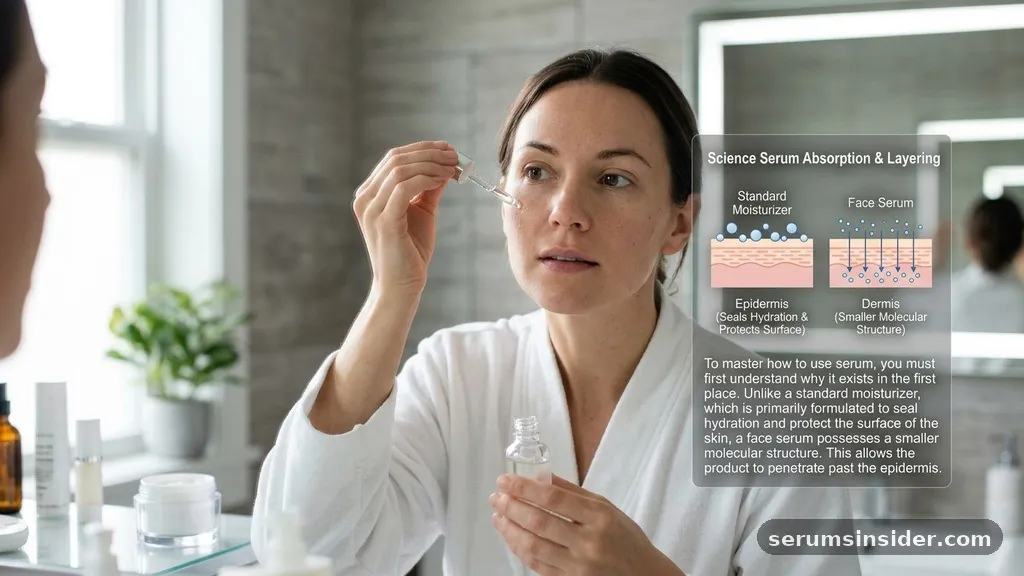
To master how to use serum, you must first understand why it exists in the first place. Unlike a standard moisturizer, which is primarily formulated to seal in hydration and protect the surface of the skin, a face serum possesses a smaller molecular structure.
This allows the product to penetrate past the epidermis, reaching areas where heavier creams simply cannot go. Because of this, the general rule of thumb in professional skincare is to apply products from the thinnest consistency to the thickest.
When you apply a serum, you are essentially providing your skin with a potent delivery system for vitamin derivatives, antioxidants, and humectants. If you were to apply a thick, occlusive cream before your serum, the cream would act as a physical barrier, effectively blocking the serum from entering the skin. This is why timing and texture are the two most important factors in your daily routine.
Think of your skin as a sponge; it needs to be primed with the most concentrated, lightweight liquid first, followed by heavier layers to lock those ingredients in. Following this sequence ensures that the active ingredients are fully absorbed before you add the final protective layer of your routine.
Step-by-Step Application for Optimal Results
Knowing how to apply serum is just as important as choosing the right one. Most people make the mistake of rubbing the product vigorously into their skin, which can cause unnecessary irritation and uneven distribution. Instead, focus on a gentle, pressing motion.
Start by cleansing your face thoroughly to remove dirt, oil, and environmental pollutants that could clog your pores. Once your skin is clean and slightly damp—this is a crucial detail—you are ready to apply your treatment.
Damp skin acts as a permeable membrane, which can help certain ingredients, particularly hyaluronic acid, draw more moisture into the deeper layers of the skin. Dispense a few drops of the product onto your fingertips, rub them together gently to warm the serum, and then press it into your skin using your palms. Start from the center of your face and work your way outward.
Don’t forget the neck and décolletage, as these areas often show signs of aging just as quickly as the face. Allow the serum to sink in for at least 60 seconds before moving on to your next step. You will know it has absorbed when your skin feels slightly tacky but not wet.
Morning Versus Evening: Timing Your Treatment
The efficacy of your skincare routine often depends on whether you are using your serums during the morning or at night. Your skin has different needs throughout the day, and your choice of treatment should reflect those biological shifts.
During the day, your skin is primarily in “protection mode,” fighting off UV radiation, pollution, and free radicals. This is the ideal time to use antioxidant-rich serums, such as those containing Vitamin C.
At night, however, your skin shifts into “repair mode.” This is when cellular turnover accelerates, making it the perfect time to introduce more potent active ingredients like retinol or chemical exfoliants. Using a heavy, exfoliating serum during the day can increase your sun sensitivity, which is why proper timing is essential.
If you are unsure about the safety of a specific ingredient, you can consult the American Academy of Dermatology for guidance on standard dermatological practices. By aligning your routine with your body’s natural circadian rhythm, you can significantly enhance the benefits of your products.
| Serum Type | Best Time to Use | Primary Benefit |
|---|---|---|
| Vitamin C | Morning | Brightening and Antioxidant Protection |
| Retinol | Evening | Cell Turnover and Anti-Aging |
| Hyaluronic Acid | Morning and Evening | Deep Hydration and Plumping |
| Peptides | Morning and Evening | Skin Barrier Repair and Elasticity |
Addressing Topical Gaps: Common Mistakes to Avoid
Even those who consider themselves skincare enthusiasts often fall into traps that render their expensive serums ineffective. One of the most common mistakes is using too much product.
Because serums are highly concentrated, a little goes a long way. Using a full dropper when only three drops are needed doesn’t just waste money; it can lead to pilling, where the product rolls off the skin in little balls because the skin couldn’t absorb the excess.
Another frequent error is failing to wait long enough between layers. If you apply your moisturizer immediately after your serum, you are likely diluting the serum or wiping it away before it has a chance to penetrate. Furthermore, many people skip the neck area entirely.
The skin on your neck is thinner and has fewer oil glands than the skin on your face, meaning it requires the same level of care and support. When you apply your serum, always extend the application down to your collarbone to ensure full coverage and consistent anti-aging support across all exposed areas.
Choosing the Right Serum for Your Skin Type
Not all serums are created equal, and the best serum for you is one tailored to your specific skin concerns. If you are dealing with fine lines and loss of elasticity, look for peptides or growth factors.
If your primary concern is dullness or uneven skin tone, a Vitamin C serum is the gold standard. For those with dry or dehydrated skin, a serum featuring hyaluronic acid is essential for pulling moisture from the environment into the skin.
It is also important to consider the formula. Some serums are water-based, while others are oil-based. Water-based serums should always be applied first, as they are thinner.
Oil-based serums are heavier and should be applied after your water-based treatments but before your moisturizer. If you have sensitive skin, always perform a patch test before applying a new product to your entire face. The potential for irritation is higher with highly active ingredients, so introduce new items into your routine one at a time, waiting a few days between each to monitor how your skin reacts.
Creating a Sustainable Skincare Routine
Building a routine that you can actually stick to is the key to seeing long-term results. When it comes to skincare, consistency beats intensity every single time.
It is better to use a mild, effective serum every day than to use a harsh, high-strength treatment once a week. Here are a few ways to ensure your routine remains effective and sustainable:
- Identify your primary skin concern (e.g., acne, aging, or dehydration) and choose one serum to address it.
- Keep your products in a cool, dark place to prevent the oxidation of sensitive ingredients like Vitamin C.
- Monitor your skin’s reaction over a 4-week period, as this is the length of a typical skin cell turnover cycle.
- Layer your products correctly: Cleanser -> Toner -> Serum -> Moisturizer -> SPF (in the morning).
- Don’t be afraid to switch up your routine based on the seasons; your skin may need more hydration in the winter and more oil control in the summer.
By following these guidelines, you transform your skincare from a chore into a ritual. Remember that no single product can provide a miracle overnight; the true power of using a serum lies in the cumulative effect of daily application. As your skin barrier becomes stronger and more hydrated, you will notice a visible improvement in texture, tone, and overall radiance.
Frequently Asked Questions
Do I really need both a serum and a moisturizer?
Yes. A serum acts as a targeted treatment to penetrate deep into the skin, while a moisturizer acts as a seal to prevent transepidermal water loss. Skipping moisturizer means your serum may evaporate, leaving your skin feeling tight or dry despite the treatment.
Can I use multiple serums at the same time?
You can use multiple serums, but you should limit it to two or three to avoid irritation and pilling. Always apply them from the thinnest to the thickest consistency. If you use multiple actives, such as Vitamin C and Retinol, use one in the morning and one at night.
How long does it take to see results from a serum?
While some hydrating serums provide immediate plumping effects, most treatment serums—such as those for fine lines or hyperpigmentation—require consistent use. You should generally expect to see noticeable improvements after four to six weeks of daily application, which aligns with your skin’s natural renewal cycle.
Can I apply serum on damp skin?
Applying serums like hyaluronic acid on slightly damp skin is highly recommended. The water on your skin helps the humectant ingredients draw more moisture into the deeper layers, providing a more effective hydration boost than applying the product to completely dry skin.
In conclusion, learning how to use serum is a fundamental skill for anyone serious about their skin health. By understanding the importance of layering, timing, and ingredient selection, you can unlock the full potential of your products.
Whether you are aiming to brighten your complexion, reduce the appearance of fine lines, or simply maintain a healthy barrier, the correct application of a well-chosen serum will provide the support your skin needs to thrive. Stay consistent, listen to your skin’s feedback, and enjoy the process of nurturing your complexion for the long term.