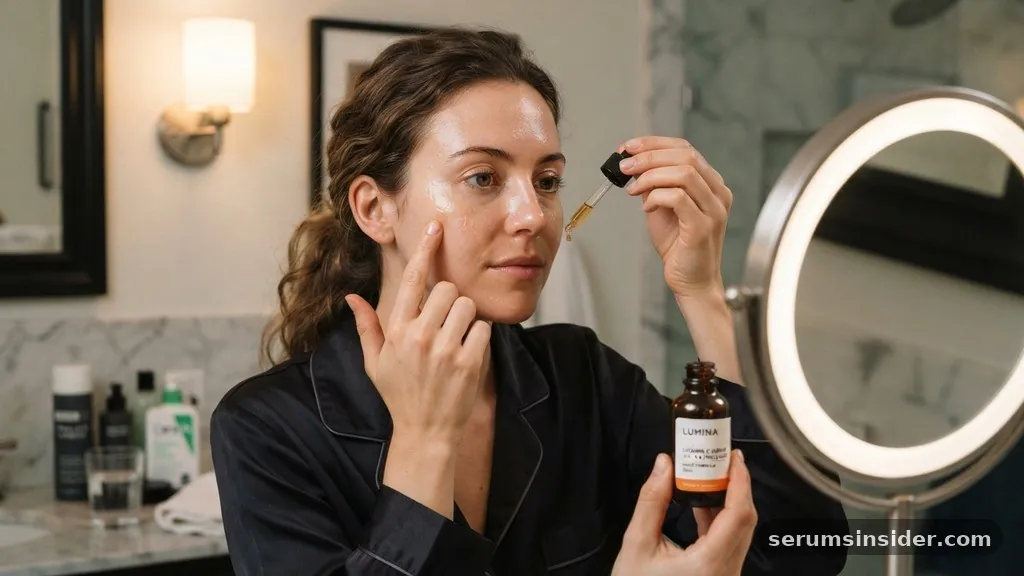
Integrating a potent active ingredient into your evening skincare regimen can significantly transform your complexion, yet many enthusiasts remain unsure about the optimal timing for application. While most dermatologists advocate for applying this antioxidant-rich treatment in the morning to bolster defense against environmental stressors, learning how to use vitamin c serum on face at night can provide a unique set of advantages for those looking to maximize their skin’s recovery phase. By understanding the chemical stability of L-ascorbic acid and how it interacts with other actives during your sleep cycle, you can effectively harness its brightening and collagen-boosting properties without compromising your skin barrier.
The Science of Nighttime Topical Application
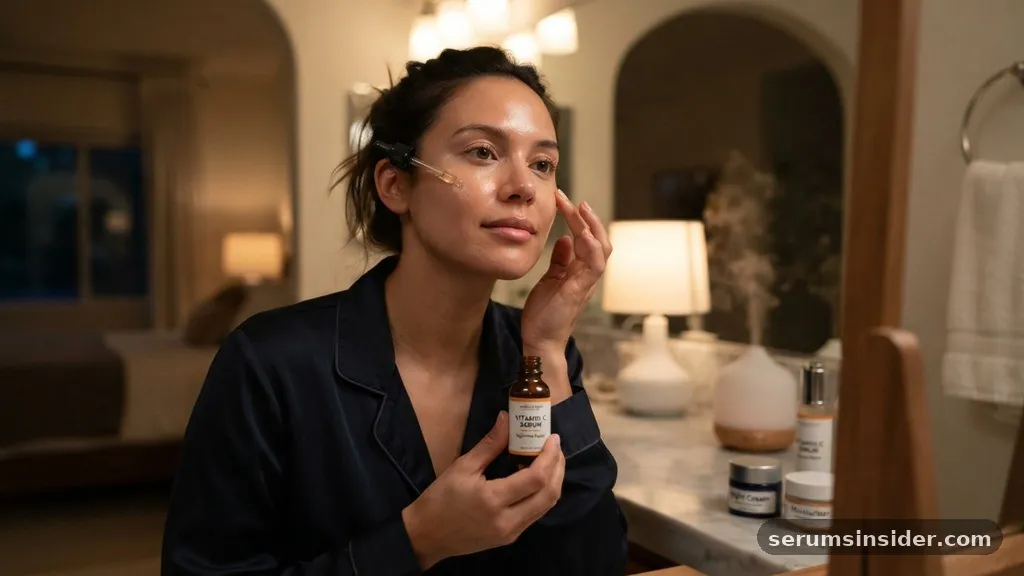
The primary reason many skincare professionals suggest a morning application is to leverage the antioxidant protection that vitamin C provides against UV rays and pollution. However, the skin undergoes a significant repair process during the night, making it a prime window for intensive treatments.
When you apply vitamin C before bed, you are essentially providing your cells with the raw materials needed to combat oxidative stress accumulated throughout the day. Because the skin’s permeability often increases during sleep, active ingredients may have a better chance of penetrating the epidermis.
One crucial factor to consider is the pH level of your vitamin serum. Most effective formulations are highly acidic, which is necessary for the product to penetrate the skin barrier. When you use this product at night, you must be mindful of the other steps in your routine.
If you are using prescription retinoids or alpha hydroxy acids, layering them directly with vitamin C can lead to irritation or render the ingredients ineffective due to conflicting pH levels. Instead, focus on using your serum as a standalone treatment or pairing it with calming, hydrating agents that won’t disrupt the acidic environment required for the vitamin C to function optimally.
Step-by-Step Application for Evening Results
To incorporate this treatment correctly, you must follow a logical order to ensure maximum absorption. Start by thoroughly cleansing your face to remove makeup, SPF, and the day’s debris. A clean canvas is essential because any residual oil or pollution can act as a barrier, preventing the serum from reaching the deeper layers of the dermis.
After cleansing, use a gentle toner if desired, but ensure your skin is completely dry before moving to the next step. Applying active serums to damp skin can sometimes cause stinging, especially with high-concentration L-ascorbic acid.
Once the skin is prepped, dispense three to four drops of the serum into your palms. Gently press the liquid into your skin rather than rubbing it vigorously. This patting motion helps the product settle into the pores and improves circulation.
After the serum has fully absorbed—which usually takes about two to three minutes—always follow with a high-quality moisturizer. This step is non-negotiable at night, as it creates an occlusive layer that locks in the serum’s benefits and prevents transepidermal water loss while you sleep. Over time, you will see an improvement in skin tone and a smoother texture.
Navigating Ingredient Compatibility and Avoidance
A common mistake beginners make is overloading their skin with too many actives at once. When you decide to use vitamin C in your evening regimen, you must carefully curate the rest of your products to avoid negative reactions. Vitamin C is notoriously fickle and can become unstable when exposed to certain ingredients.
For instance, pairing it with benzoyl peroxide can oxidize the vitamin, effectively neutralizing its benefits. Similarly, mixing it with high-strength AHAs or BHAs can lead to redness and sensitized skin, particularly for those with reactive skin types.
If you are determined to use multiple potent products, it is often better to alternate nights rather than layering them simultaneously. For example, you might use your vitamin C serum on Monday, Wednesday, and Friday, while dedicating Tuesday and Thursday to a retinol or chemical exfoliant.
This approach allows your skin to reap the benefits of each treatment without the risk of irritation. Always check the ingredient list on your product packaging; if you are unsure about a combination, the American Academy of Dermatology suggests patch testing new routines on your inner forearm before applying them to your entire face to monitor for potential adverse effects.
Comparing Morning Versus Evening Regimens
Choosing whether to apply your serum in the day or at night depends largely on your specific skin goals and the other products in your skincare arsenal. While the morning provides immediate environmental shielding, the evening allows for uninterrupted repair. The following table highlights the primary differences in how these timings influence your overall results.
| Factor | Morning Application | Night Application |
|---|---|---|
| Primary Goal | Environmental Defense | Cellular Repair |
| Key Pairing | Sunscreen | Moisturizer |
| Absorption | Faster due to daytime activity | Slower, deeper penetration |
| Risk | Potential for oxidation in sun | Potential for irritation with other actives |
As shown, the serum morning application is essentially a protective shield, while the night application acts as a restorative agent. If you have particularly sensitive skin, you might find that using the product at night is more comfortable, as it allows your skin to recover away from the harsh environmental triggers of the daytime.
Addressing Topical Gaps: Common User Concerns
Many users worry about whether they can sleep with the serum on their face or if it will stain their pillowcases. The short answer is yes, you can absolutely sleep with it on, provided it has had enough time to sink into the skin. If your skin feels sticky or tacky even after ten minutes, you may be using too much product.
A little goes a long way; a few drops are sufficient to cover the entire face and neck. Another concern is the potential for the product to turn orange or brown.
This is a sign of oxidation, meaning the vitamin C has been exposed to air or light. If your serum has changed color, it is time to discard it, as it will no longer provide the antioxidant protection you are seeking.
Furthermore, some users report a tingling sensation. While mild tingling is normal due to the low pH, persistent burning or itching indicates that your skin barrier may be compromised.
In such cases, stop using the product immediately and focus on repairing your moisture barrier with ceramides and hyaluronic acid. Once your skin feels resilient again, you can slowly reintroduce the vitamin C, starting with a lower concentration and using it only every other day until your skin builds tolerance.
Consistency and Long-Term Results
Achieving visible results with vitamin C is a marathon, not a sprint. Whether you choose to apply it in the morning or at night, the key to success is daily usage.
The skin needs consistent exposure to the active ingredients to stimulate collagen production and inhibit excess melanin, which is responsible for dark spots and hyperpigmentation. Do not be discouraged if you don’t see changes in the first week; it typically takes at least six to eight weeks of dedicated use to notice a significant improvement in skin brightness and firmness.
Remember that vitamin C is part of a larger care system. It works best when supported by a healthy lifestyle, including adequate hydration, a balanced diet, and, of course, the consistent use of sunscreen every single day.
Even if you use your serum at night, the sun protection you apply the next morning remains the most important step in preventing further damage and maintaining the progress you have made. By viewing your skincare as a holistic process rather than a series of isolated steps, you will create the foundation for healthy, radiant skin that thrives regardless of the time of day.
Frequently Asked Questions
- Can I skip moisturizer after using vitamin C serum at night? It is not recommended. Vitamin C can be drying, and applying a moisturizer afterward helps seal in the active ingredients, prevents water loss, and ensures your skin barrier remains hydrated and protected throughout the night.
- Will vitamin C serum make my skin more sensitive to the sun? Vitamin C itself does not make your skin more sensitive to the sun like retinoids or AHAs do. However, because it removes dead skin cells, your skin might feel slightly more vulnerable, so wearing sunscreen daily is still essential.
- What should I avoid mixing with vitamin C in my evening routine? To prevent irritation and degradation, avoid using vitamin C at the same time as benzoyl peroxide, retinol, or high-strength chemical exfoliants like glycolic or salicylic acid. Instead, alternate these ingredients on different nights.
- How do I know if my vitamin C serum has gone bad? If your serum changes from a clear or light straw color to a dark orange or brown, it has oxidized. Once oxidized, the product loses its efficacy and can potentially cause irritation, so it should be discarded and replaced.
In conclusion, learning how to use vitamin c serum on face at night is a sophisticated way to enhance your skincare results. By focusing on proper application techniques, being mindful of ingredient compatibility, and maintaining a consistent schedule, you can unlock the full potential of this powerful antioxidant. Whether you prefer the protective benefits of a morning routine or the restorative potential of a nighttime regimen, the key lies in understanding your skin’s unique needs and responding to them with patience and care.