Fragile, thinning, and easily broken strands present a frustrating daily challenge for many people striving for healthy locks. Traditional conditioners and heavy styling creams often coat the surface without addressing the root causes of brittleness, leaving strands weighed down and still prone to snapping.
Hair serums offer a distinctly different approach, utilizing concentrated, lightweight formulations designed to penetrate deeply and target specific structural weaknesses. Understanding why these potent formulas outperform traditional hair care options requires a closer look at their molecular composition, active ingredients, and how they interact with both the scalp and the hair shaft.
Understanding the Root Causes of Hair Fragility and Breakage
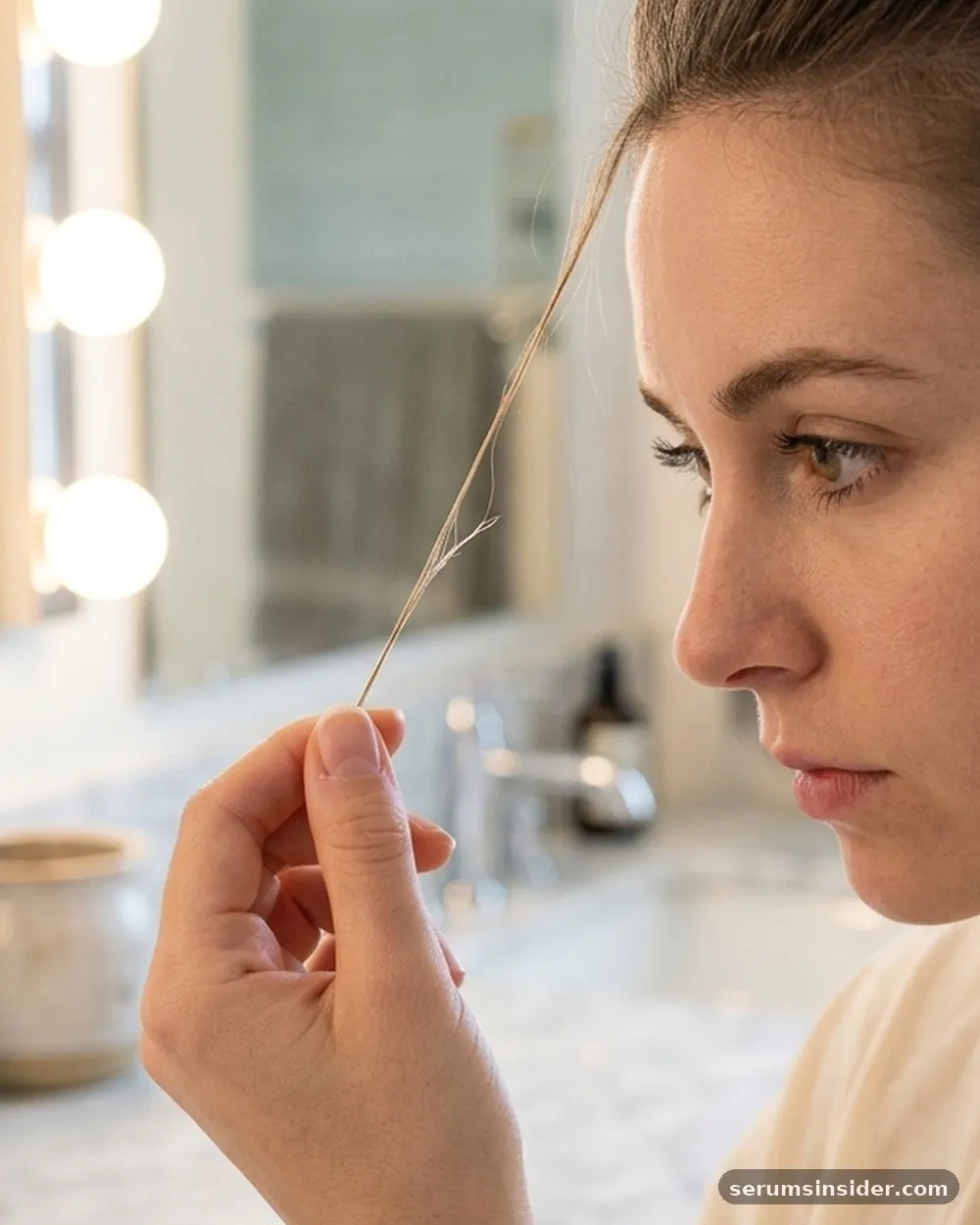
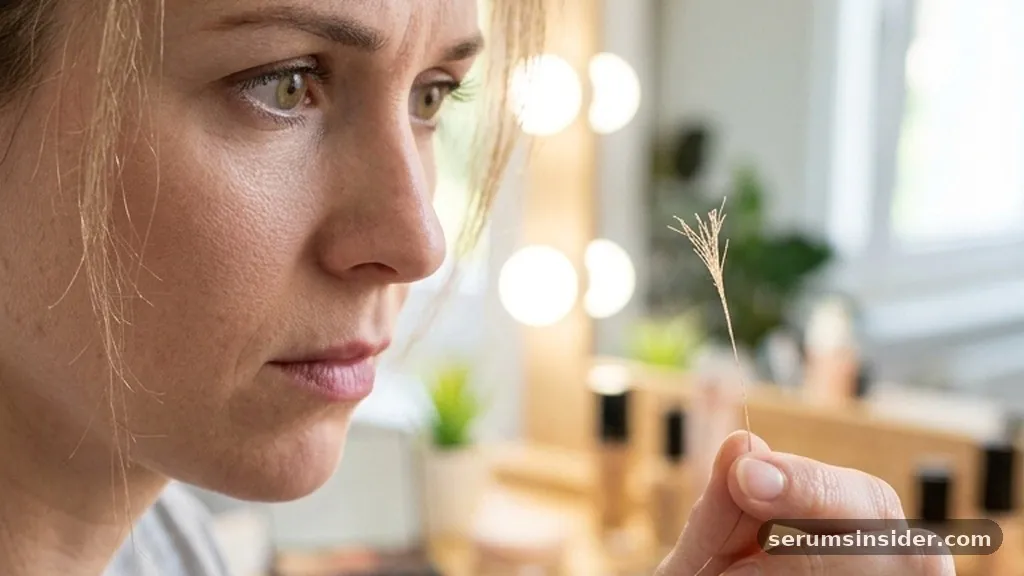
Weak hair rarely happens overnight; it is typically the cumulative result of environmental aggressors, chemical processing, heat styling, and internal nutritional imbalances. The outer layer of the hair, known as the cuticle, acts as a protective shield.
When this shield is compromised by frequent bleaching, tight hairstyles, or UV exposure, the inner cortex becomes exposed and vulnerable. Once the cortex loses its natural moisture and protein bonds, strands lose their elasticity, leading to widespread splitting, fraying, and breakage.
Compounding this issue is scalp health, which plays a foundational role in producing resilient strands. Poor microcirculation, follicle inflammation, and product buildup can choke new growth before it even emerges from the surface.
While standard shampoos cleanse the scalp and standard conditioners smooth the ends, they often fail to provide targeted therapy where it matters most. This structural gap in routine maintenance is precisely where specialized topical treatments prove invaluable, delivering concentrated nourishment directly to the areas requiring reinforcement without diluting active compounds in heavy waxes or water bases.
How Molecular Weight and Lightweight Formulations Make Serums Superior
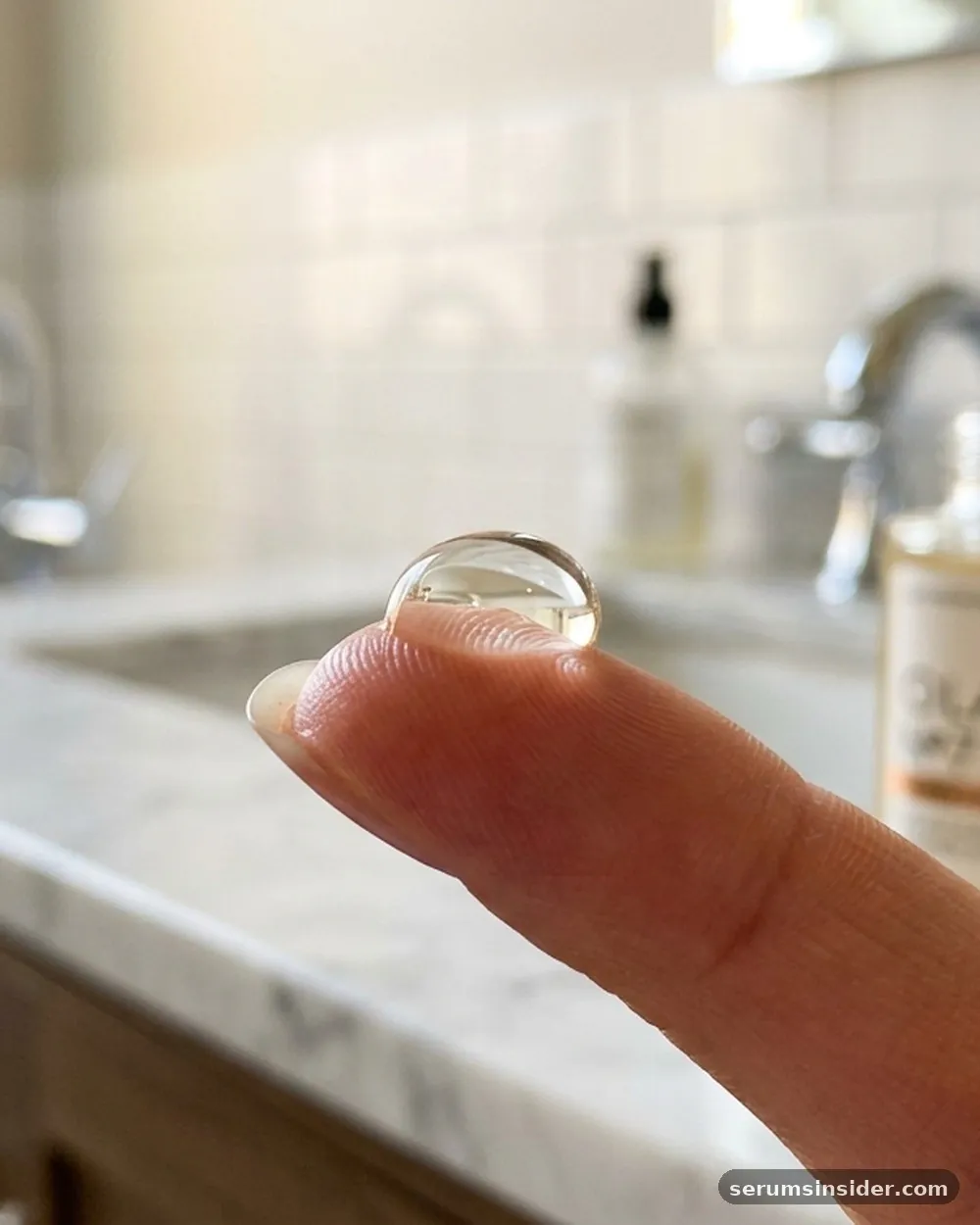
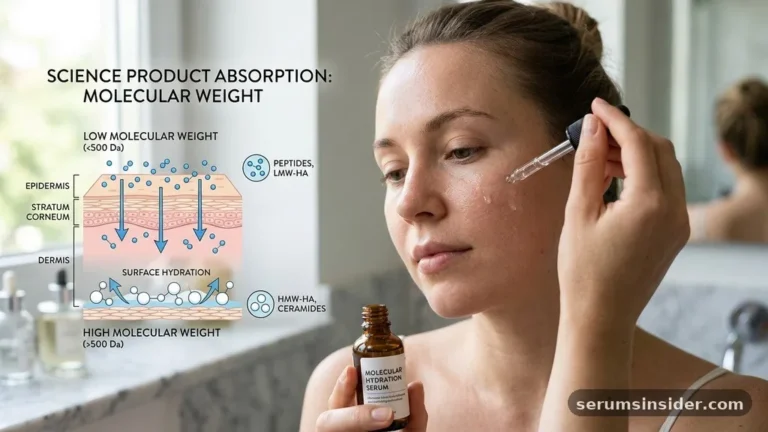
The primary advantage of a high-performance serum lies in its formulation chemistry. Unlike heavy creams and masks that rely on dense emollients to create a temporary illusion of smoothness, quality treatments are engineered with low-molecular-weight active ingredients.
This microscopic size allows the beneficial compounds to slip past the outer cuticle layer and infuse the inner cortex with essential building blocks. Instead of merely coating the exterior, these formulas work from the inside out to restore structural integrity.
Furthermore, these specialized products avoid the heavy silicones and heavy mineral oils that plague standard styling aids. Heavy residues accumulate over time, weighing down fine or brittle strands and causing them to snap under tension.
Fluid treatments utilize volatile silicones, botanical oils, or water-based delivery systems that evaporate or absorb completely, leaving behind concentrated nutrients without any greasy residue. This weightless delivery ensures that even the most delicate, easily damaged strands can receive intensive strengthening therapy without losing volume, bounce, or natural movement.
Key Ingredients That Transform Fragile Strands
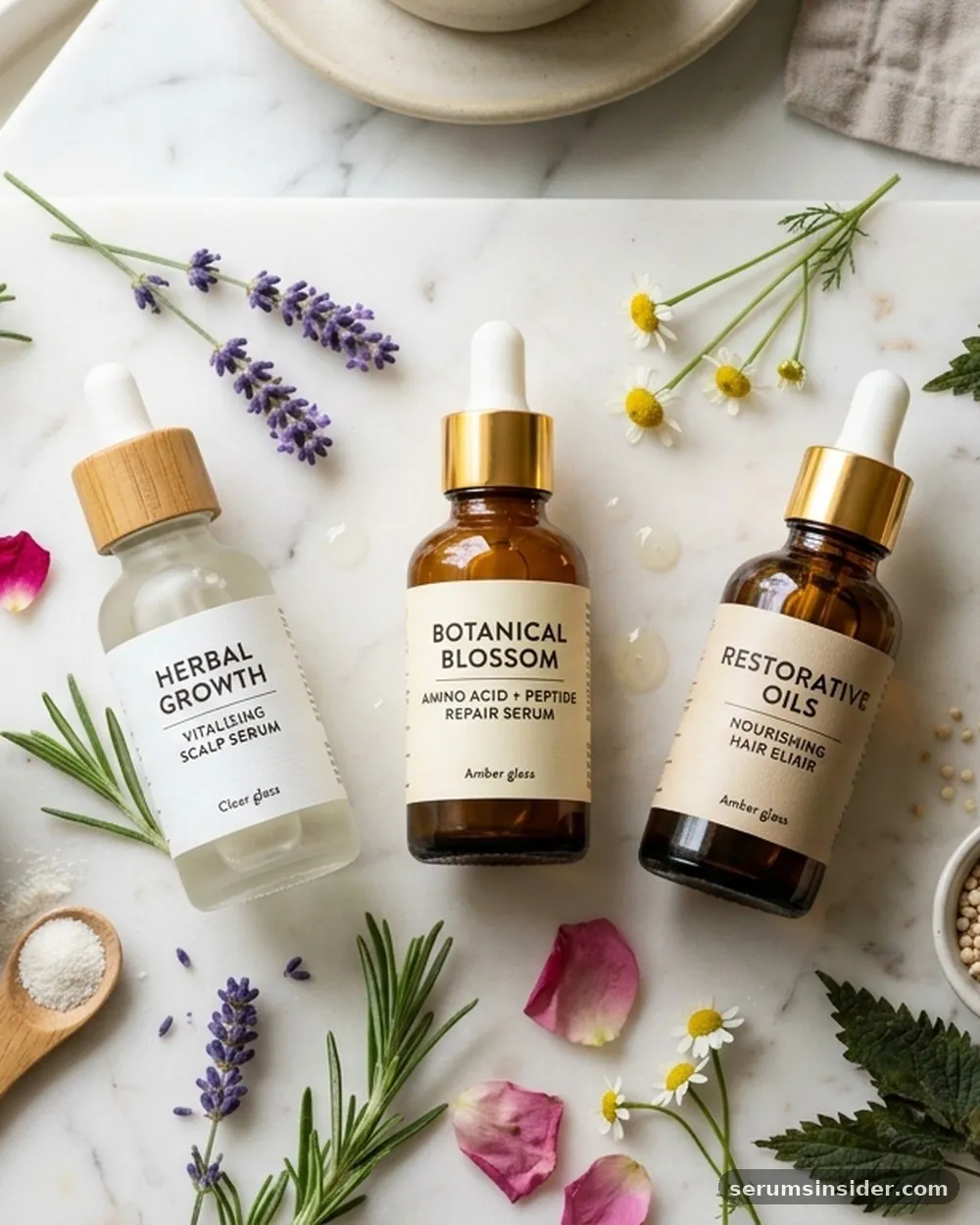
The efficacy of any topical treatment depends entirely on its active components. Formulations designed to reinforce fragile hair typically feature a synergistic blend of peptides, amino acids, vitamins, and specialized botanical extracts.
Peptides signal cellular repair pathways, encouraging the scalp to produce stronger, thicker keratin proteins. Amino acids, which serve as the fundamental building blocks of hair, directly repair gaps and micro-tears along the cuticle and cortex, restoring tensile strength and elasticity.
Vitamins such as niacinamide and biotin play crucial supportive roles by improving microcirculation in the scalp and enhancing keratin infrastructure. Additionally, botanical extracts like ginseng, green tea, and saw palmetto help neutralize oxidative stress caused by pollution and UV radiation.
When combined in a single, highly concentrated formula, these ingredients create a defensive barrier while simultaneously repairing past damage. This multi-action approach ensures that hair not only resists daily mechanical stress like brushing and styling but also grows back thicker and more resilient over time.
Targeting the Scalp Microbiome for Long-Term Resilience
True hair revitalization requires looking beyond the visible strands and focusing on the living tissue from which they grow. The scalp microbiome—a delicate ecosystem of microorganisms—directly influences follicle vitality and hair anchoring strength. When this microbiome falls out of balance due to harsh sulfates, pollution, or excess sebum production, inflammation ensues, weakening the anchor points of growing strands and leading to excessive shedding.
Advanced topical treatments often incorporate prebiotics, soothing botanicals, and gentle exfoliants designed to optimize the scalp environment. By clearing away cellular debris and regulating sebum production, these formulations reduce inflammation and create an ideal breeding ground for healthy, robust growth.
Massaging a targeted treatment into the scalp also stimulates blood flow, ensuring that hair follicles receive a steady supply of oxygen and systemic nutrients. Treating the scalp as an extension of the facial skin changes the entire paradigm of hair care, shifting the focus from temporary cosmetic fixes to permanent biological health.
Comparing Serums to Traditional Conditioners and Masks
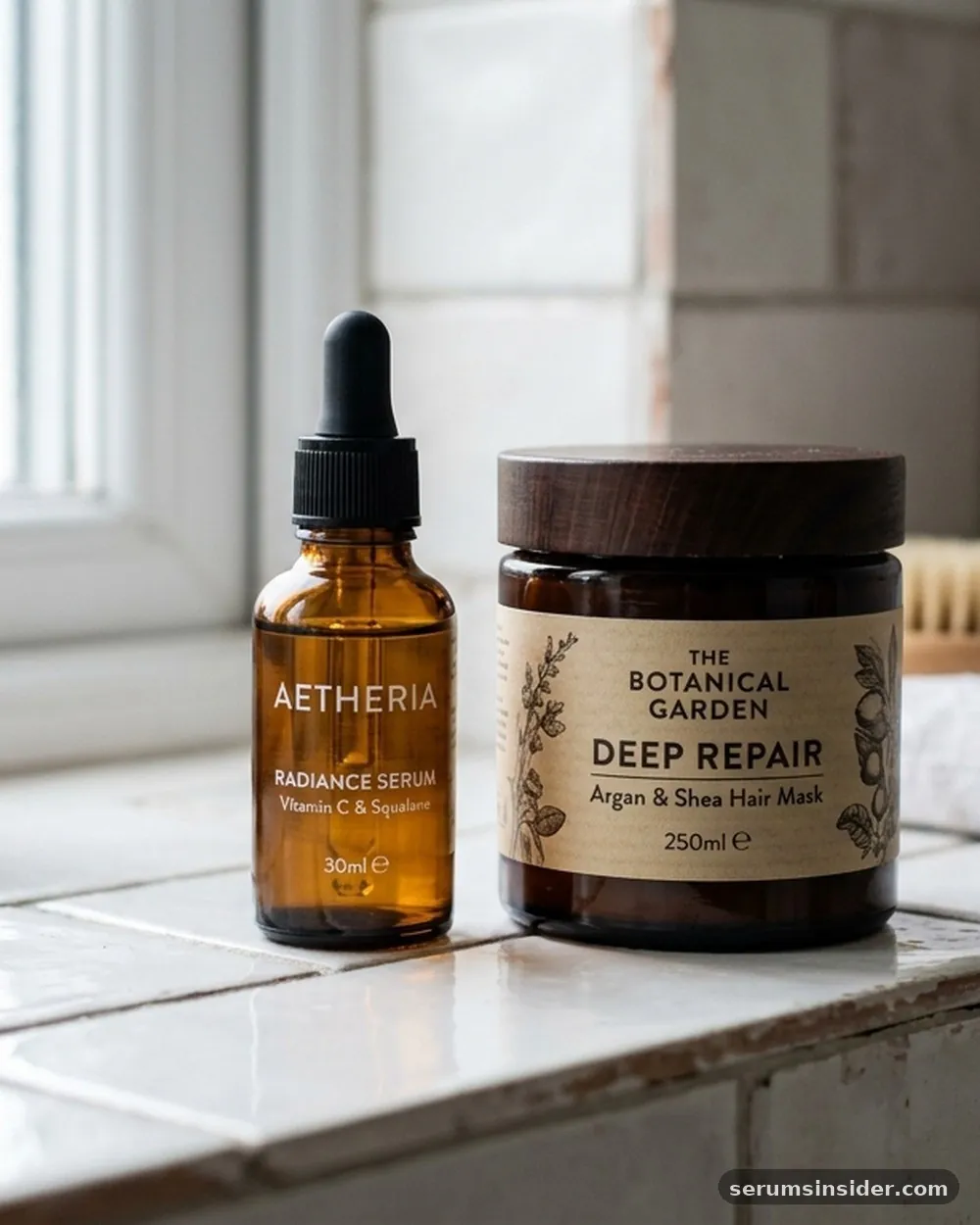
Many consumers wonder why they need an extra step in their routine when they already use deep conditioning masks and rich daily conditioners. The distinction lies in purpose, formulation, and application technique.
Traditional conditioners are formulated with high pH levels to close the cuticle after shampooing, using cationic surfactants to provide slip and detangling benefits. They are designed to be rinsed off quickly, meaning their active ingredients have minimal contact time with the hair.
Hair masks offer deeper conditioning through heavier butter and oils, but they are typically applied to mid-lengths and ends to avoid weighing down the roots or clogging scalp pores. In contrast, specialized treatments are designed to remain on the hair and scalp, providing continuous, uninterrupted nourishment throughout the day or night.
They do not require rinsing, which allows the active ingredients to continuously absorb over many hours. This extended contact time makes them exponentially more effective at reversing severe structural damage than any wash-out product could ever hope to be.
Best Practices for Incorporating Treatments into Your Routine
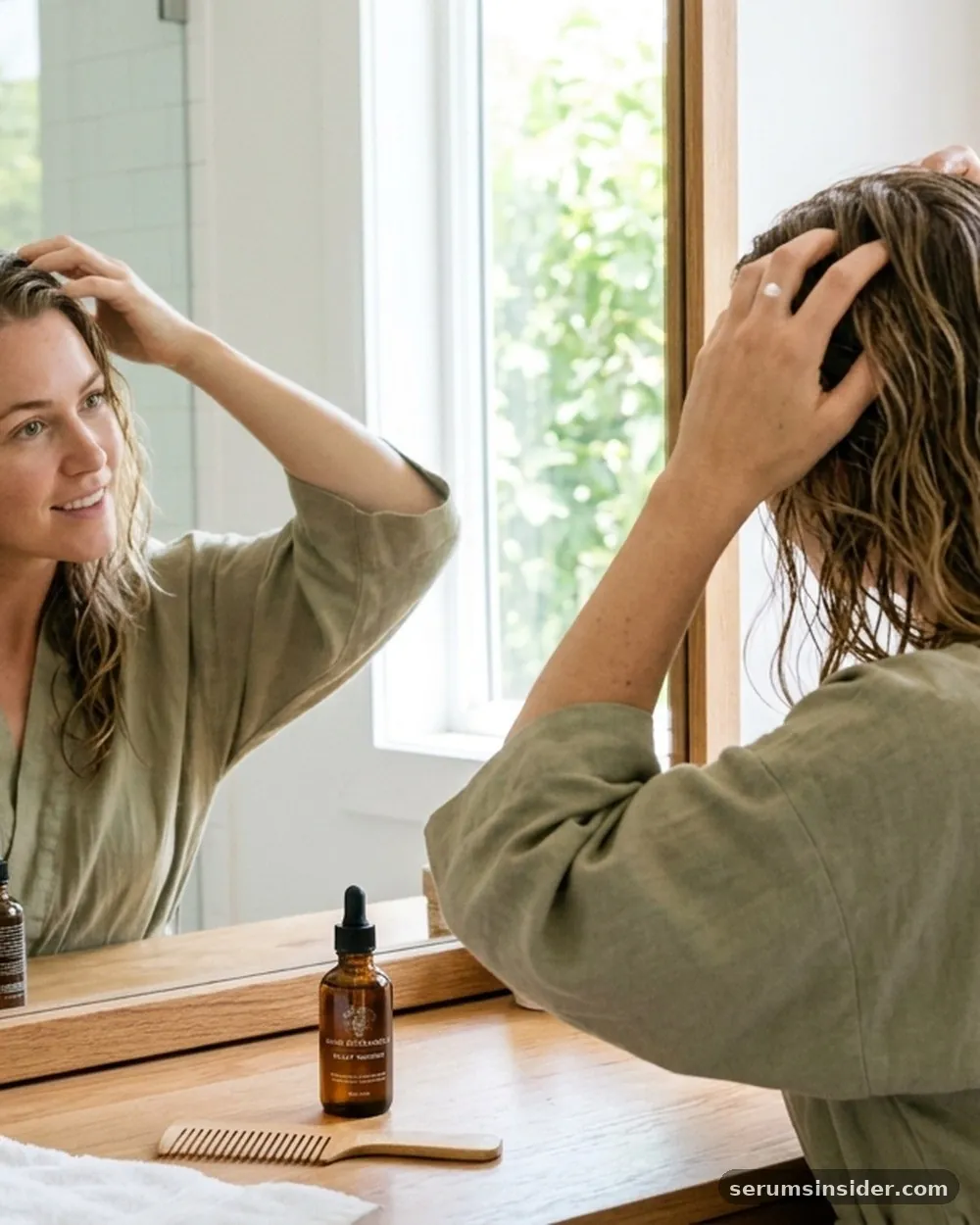
Maximizing the benefits of a strengthening treatment requires proper application technique and consistency. For optimal absorption, these products should be applied to clean, damp, or dry hair, depending on the specific manufacturer instructions.
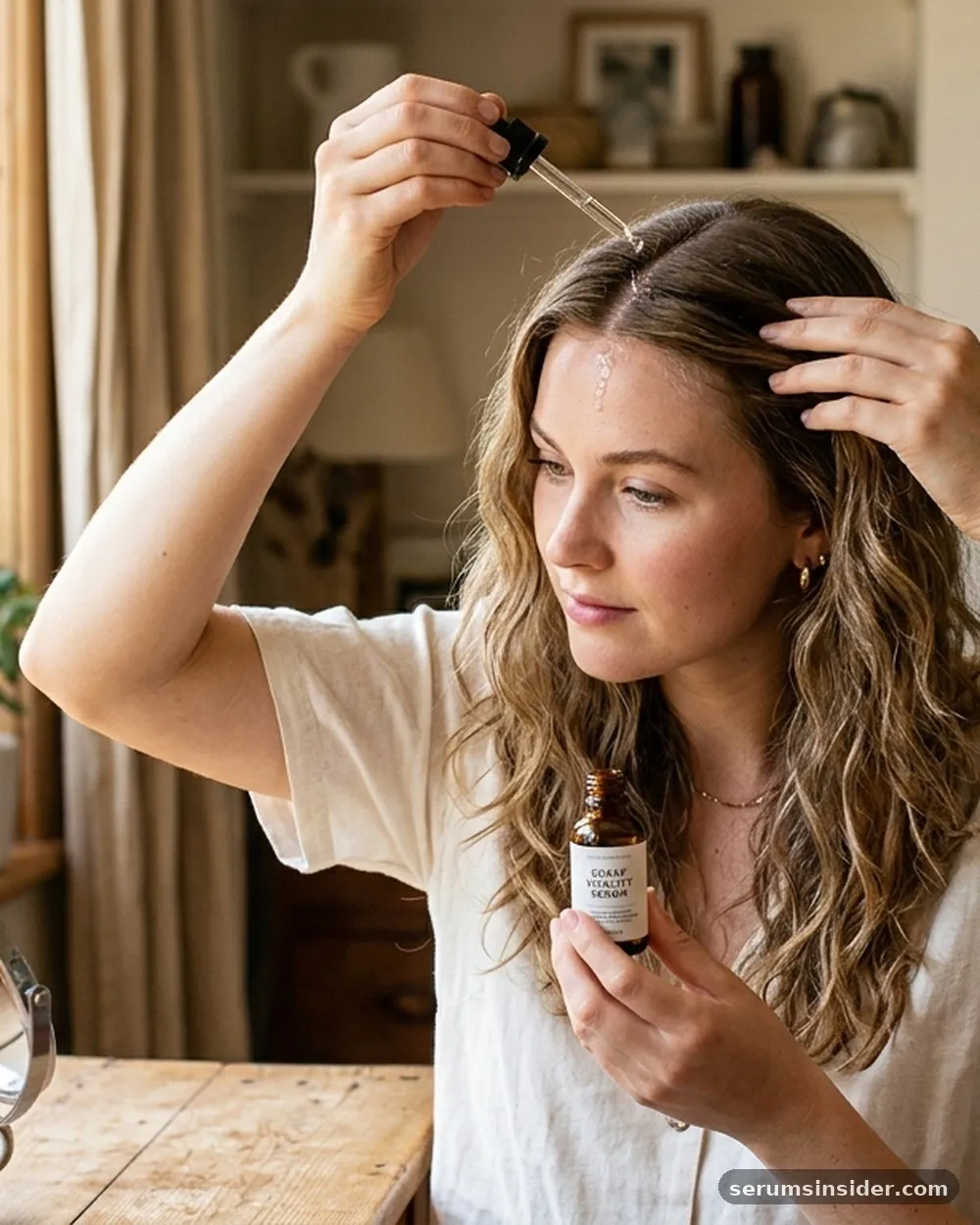
When targeting scalp health, dispense the product directly onto the scalp using a dropper and massage gently with the fingertips in circular motions to stimulate blood flow. For length and tip reinforcement, warm a few drops between the palms and press—rather than rub—the product into vulnerable areas.
Consistency is far more critical than the amount of product used per application. Hair growth and cellular repair operate on biological cycles, meaning visible improvements in strength and density typically manifest after four to eight weeks of continuous use.
Pairing the treatment routine with a balanced diet rich in protein, iron, and omega-3 fatty acids further amplifies results from the inside out. By combining a scientifically formulated topical treatment with gentle handling practices, individuals can successfully transform weak, snapping strands into a crown of resilient, healthy hair.