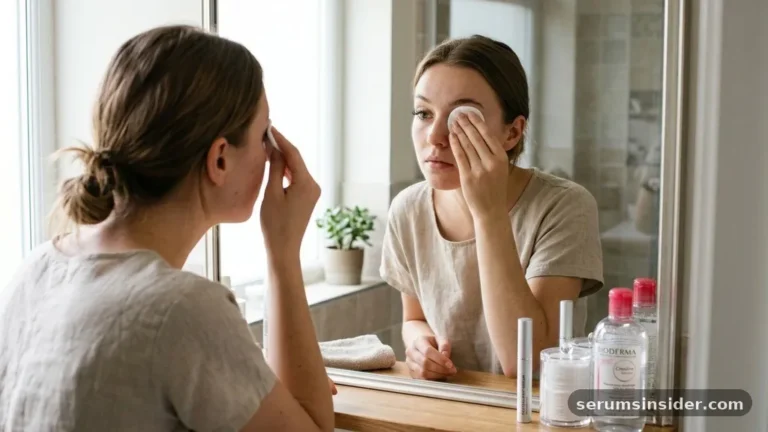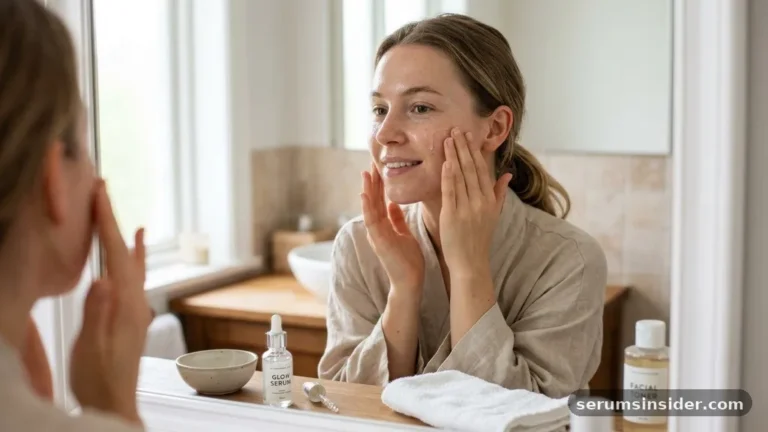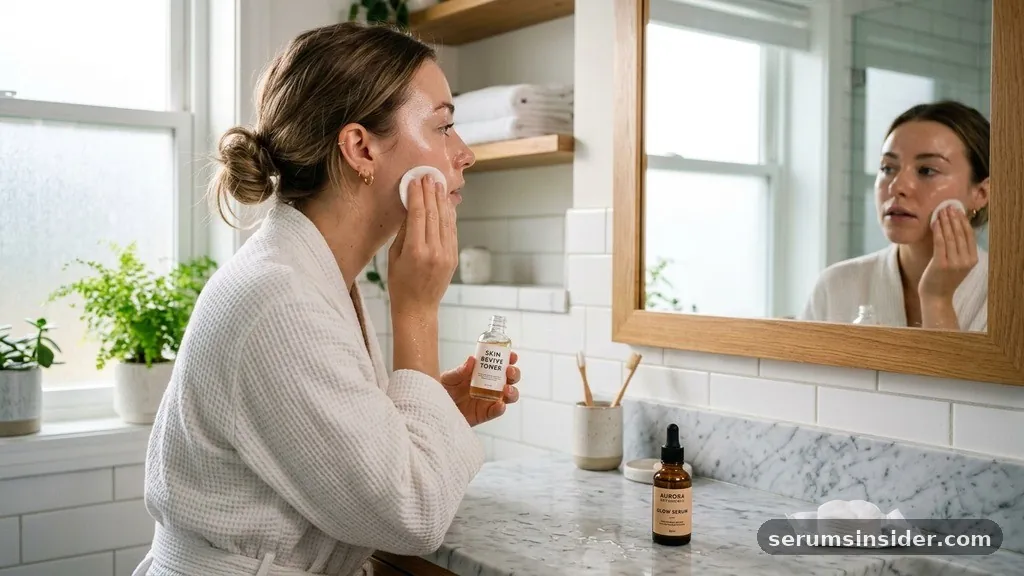
Navigating the nuances of a multi-step skincare regimen can often feel like solving a complex puzzle. Among the most frequent inquiries from beauty enthusiasts is the fundamental question of what goes first toner or serum.
Establishing the correct sequence is not merely a matter of preference; it is a critical practice grounded in the chemical composition and molecular weight of your skincare products. By applying your treatments in the intended order, you ensure that each active ingredient penetrates the skin barrier effectively, maximizing the efficacy of your daily skincare routine.
Understanding the Logic of Skincare Layering
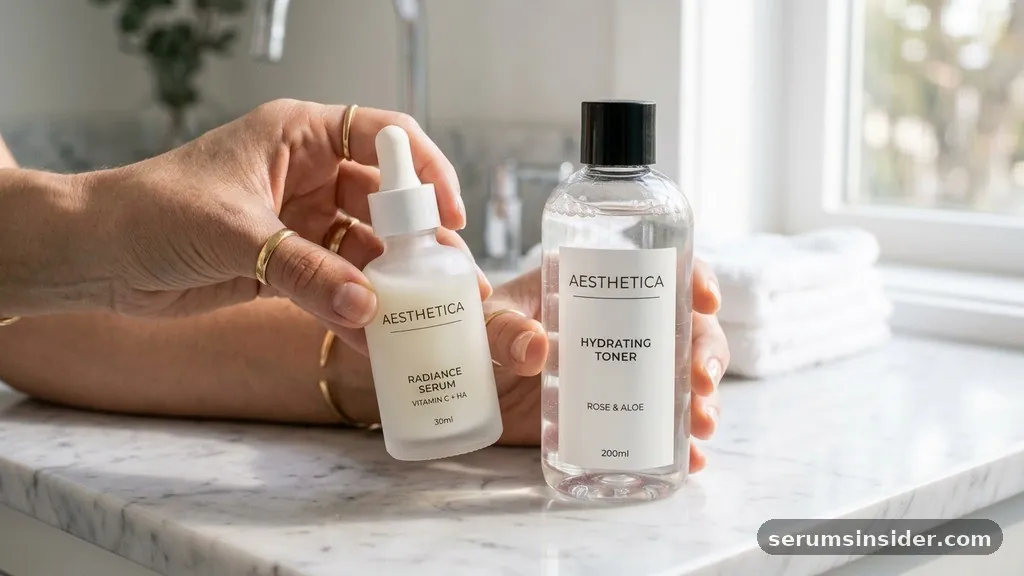
To determine what goes first toner or serum, you must look at the primary function of each product. In the hierarchy of topical application, the golden rule is to proceed from the thinnest, most watery consistency to the thickest, most occlusive formula.
A toner is typically designed to balance the pH of the face after cleansing, removing any residual impurities while prepping the skin to receive subsequent treatments. Because toners are often liquid or water-based, they possess a low viscosity, allowing them to absorb almost instantly.
Conversely, a serum is a concentrated treatment formulated with potent active ingredients—such as antioxidants, peptides, or acids—designed to target specific concerns like hyperpigmentation, fine lines, or dehydration. These formulas are generally denser than toners but lighter than a moisturizer. If you were to apply a thicker product first, it would create a barrier on the surface of your skin, effectively blocking the thinner, more delicate toner from reaching the epidermis.
By prioritizing the toner immediately after cleansing, you create a clean, damp canvas that facilitates better absorption for your high-performance serums. For those interested in the science behind skin health, the American Academy of Dermatology provides foundational guidelines on maintaining a healthy barrier.
The Role of Toner in Skin Preparation
Many people mistakenly believe that toners are an optional or outdated step. In reality, a high-quality toner serves as the vital bridge between cleansing and applying your more intensive products.
When you wash your face, the natural pH balance of your skin can be disrupted by harsh surfactants in your cleanser. A toner helps restore this acidic mantle, which is essential for maintaining a healthy microbiome and preventing transepidermal water loss.
When considering what goes first toner or serum, remember that the toner is essentially a “primer.” It hydrates the surface layer of the skin, which acts like a sponge; a damp sponge absorbs liquid much faster than a dry one.
By using a toner while your skin is still slightly moist from cleansing, you allow the active ingredients in your serums to travel deeper into the skin rather than sitting on the surface. Whether you have oily skin or dry skin, selecting a toner that aligns with your specific needs—such as an exfoliating acid toner for congestion or a soothing floral water for sensitivity—will dramatically improve the overall outcome of your regimen.
Why Serums Follow Toner Application
Once the toner has been absorbed, your skin is perfectly primed for the delivery of concentrated actives. Serums are the workhorses of any effective skincare routine, and their placement is deliberate.
Because these products contain smaller molecules that are engineered to penetrate the skin deeply, they must be applied directly to the skin or onto the damp layer provided by your toner. If you were to apply a cream or a heavy lotion before your serum, the larger molecules of the moisturizer would effectively “seal” the skin, rendering your expensive serum useless.
When you are applying serums, it is beneficial to press them into the skin using the palms of your hands rather than dragging them across the face. This motion encourages blood circulation and ensures an even distribution of the product. If you are using multiple serums—for example, a vitamin C serum in the day and a retinol treatment at night—always apply them in order of consistency.
As a general rule of thumb, always check the texture of your products; if one feels significantly more viscous than the other, apply the thinner one first. This systematic approach ensures that every product you use performs at its peak capacity.
Comparing Product Textures and Application Order
To clarify the sequence, it helps to visualize the density of common skincare items. The following table illustrates the typical order of operations based on product consistency, helping you decide what goes first toner or serum and where other items fit in.
| Order of Application | Product Category | Primary Purpose |
|---|---|---|
| 1 | Cleanser | Removes dirt and debris |
| 2 | Toner | Balances pH and hydrates |
| 3 | Serum | Delivers concentrated actives |
| 4 | Moisturizer | Locks in hydration |
| 5 | Sunscreen | Protects against UV damage |
This progression is designed to minimize interference between ingredients. By moving from the most liquid to the most solid, you avoid the “pilling” effect—those annoying little balls of product that form when formulas are incompatible or layered incorrectly. If you find your skincare starting to clump, it is almost always a sign that you have applied a heavy product before a lighter one, or that you have not allowed enough time for each layer to fully absorb.
Addressing Topical Gaps: Common Misconceptions
A common area of confusion involves the use of specialized treatments like chemical exfoliants or targeted spot treatments. Some users wonder if these should be applied before or after a serum.
If you are using an exfoliating toner, this counts as your toner step. However, if you are using a dedicated chemical exfoliant (like a BHA liquid), this should generally be applied after your toner but before your serum, as it needs direct contact with the skin to function.
Another point of contention is whether to wait for the toner to dry completely. While you want your skin to be “damp” for better absorption, you do not want it to be dripping wet. Applying a serum to soaking wet skin can actually dilute the product and make it less effective.
Instead, aim for that “tacky” feeling where the toner has been absorbed but the skin still feels hydrated. This sweet spot is the ideal environment for your serums to bind to the skin. Furthermore, if you are incorporating retinol into your routine, remember that it is a potent active that should always follow your watery layers but precede your heavy nighttime moisturizer, as it requires a stable, pH-balanced environment to reduce the risk of irritation.
Strategic Layering for Every Skin Type
Regardless of whether you have dry, combination, or oily skin, the fundamental rule of layering remains the same. However, the specific products you choose within those categories will vary.
For those with oily skin, you might opt for a lightweight, oil-free toner and a water-based serum containing niacinamide or salicylic acid. For those with dry skin, a hydrating toner containing hyaluronic acid followed by an oil-based serum or a richer formula will provide the necessary nourishment.
- Always cleanse your face thoroughly to remove pollutants before starting your routine.
- Apply toner immediately after cleansing to restore the skin’s natural barrier.
- Wait roughly 30 to 60 seconds for the toner to settle before applying your serum.
- Use a gentle patting motion to ensure the serum is fully absorbed into the pores.
- Follow up with a moisturizer to trap the active ingredients inside the skin.
- Never skip your sunscreen during the day, as it is the final and most important step for protection.
By following these guidelines, you move away from guesswork and toward a scientific approach to skin health. Consistency is the secret to seeing visible changes in your complexion.
Whether you are addressing fine lines, acne, or dullness, the efficacy of your results is directly tied to how well your products are absorbed. Taking the time to understand the order of application is a small effort that yields significant, long-term dividends for your skin’s health and appearance.
FAQ: Common Questions About Layering
Does the time of day change the order?
Is the order different for day and night?
No, the fundamental order of application—toner then serum—remains the same regardless of the time of day. The primary difference between your morning and evening routines is the specific type of product you choose, such as using an antioxidant-rich serum in the morning and a restorative treatment at night.
Can I mix my toner and serum together?
Should I combine products to save time?
It is generally not recommended to mix products in your palm before application. Each product is formulated with a specific pH and delivery system. Mixing them can destabilize the active ingredients, potentially rendering them less effective or causing unnecessary irritation, especially when dealing with sensitive skin.
What if my serum feels thinner than my toner?
Do I follow the rule or the texture?
While rare, if your serum is genuinely thinner than your toner, you should prioritize the thinnest consistency first. However, almost all toners are designed to be the first step after cleansing. If you are unsure, follow the manufacturer’s instructions on the product packaging, as they are formulated with specific absorption rates in mind.
Conclusion
In summary, the question of what goes first toner or serum is easily resolved by prioritizing consistency and the goal of each product. By applying your toner first, you restore your skin’s pH and create a receptive base, allowing the potent, concentrated ingredients in your serums to penetrate deeply and deliver maximum results. This disciplined approach to your skincare routine prevents product interference, reduces the likelihood of irritation, and ensures that your skin receives the full benefit of every product you apply.
Whether you are preparing for the day ahead or winding down at night, remember that the sequence is the foundation of effective skincare. Stick to the liquid-to-cream hierarchy, be patient with your application, and you will undoubtedly see a more radiant, healthy complexion over time.