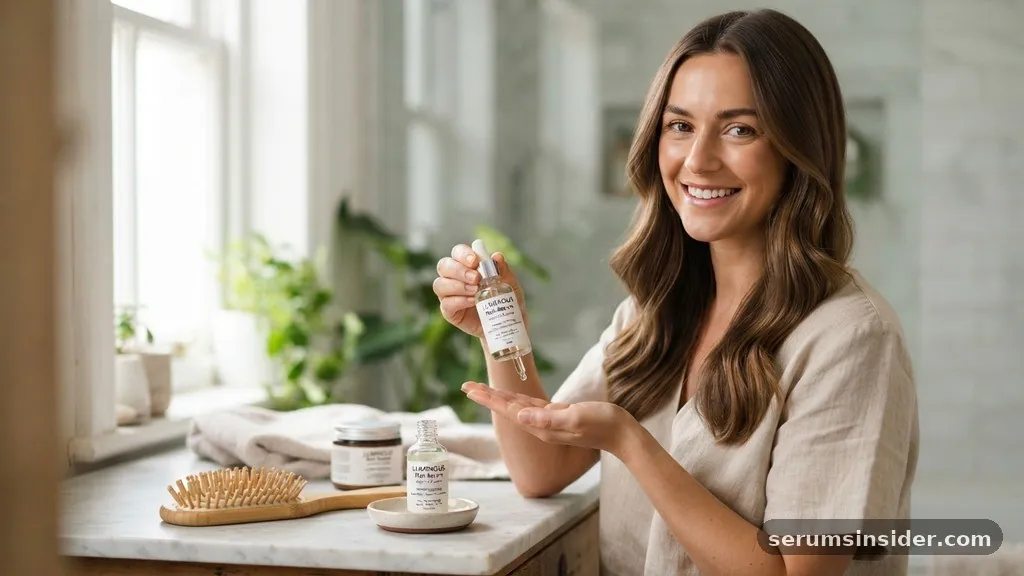
Hair serum is a specialized styling and treatment product designed to coat the surface of your hair strands to provide a protective barrier, enhance luster, and manage unruly textures. Unlike traditional conditioners or masks that penetrate the hair shaft to provide hydration from within, a serum acts primarily as a topical sealant. It is formulated with concentrated active ingredients, often including silicones, botanical extracts, and essential nutrients, which work together to smooth the hair cuticle.
By creating this smooth surface, the serum reflects light more effectively, which is why it is widely celebrated for its ability to provide an instant, healthy-looking shine. Whether you are dealing with persistent frizz, environmental damage, or simply looking to add a polished finish to your daily look, understanding the specific role of this product is the first step toward improving your overall hair health.
The Primary Functions of Hair Serum in Your Routine
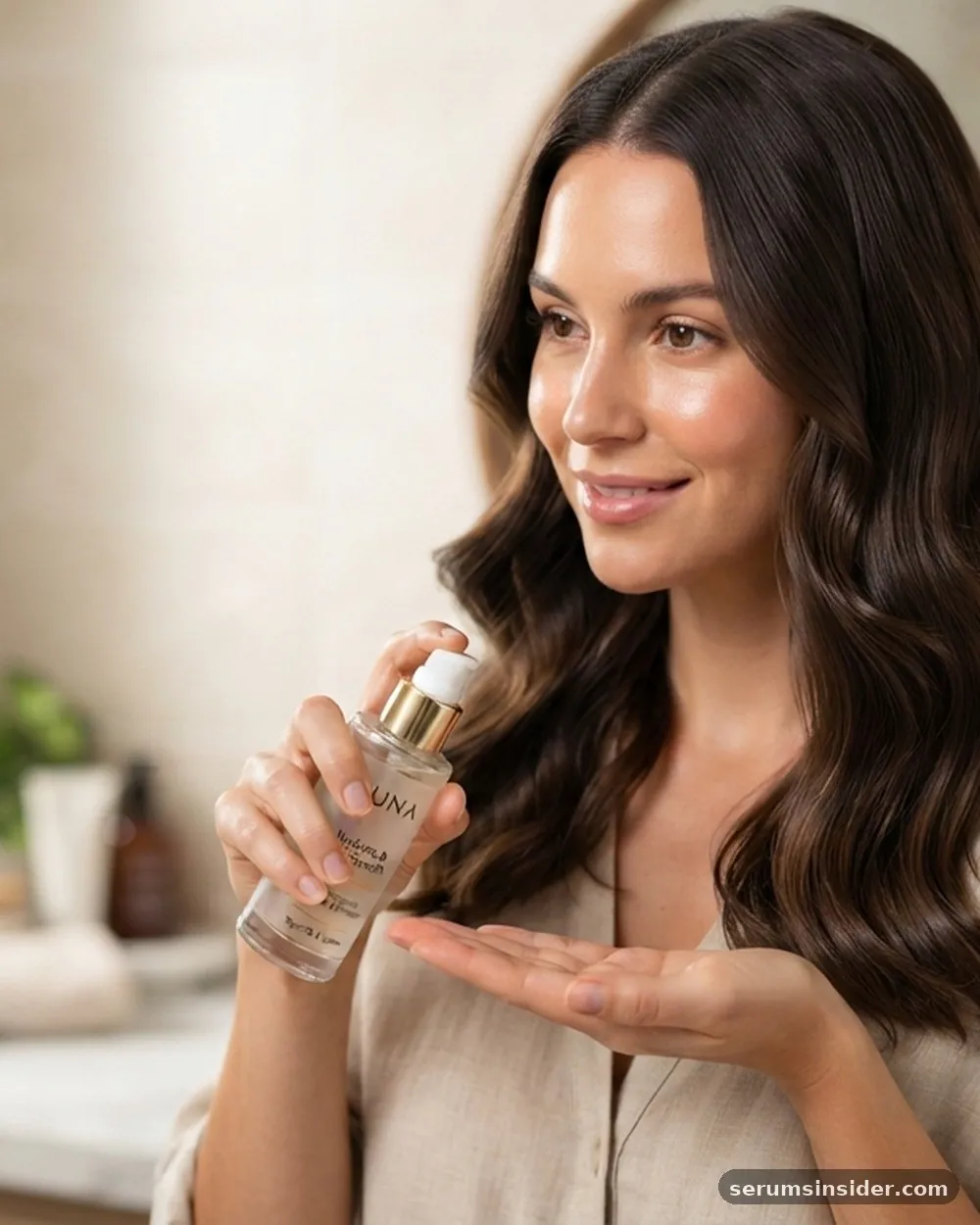
At its core, a hair serum is used for smoothing and protection. Most modern formulations rely on silicones or high-quality polymers that sit on the hair fiber, filling in microscopic gaps and smoothing down rough patches along the cuticle. This action is essential for those who battle humidity-induced frizz, as the serum prevents external moisture from entering the hair shaft and causing it to swell.
Beyond texture management, serums are frequently utilized as a shield against physical stress. When you apply a serum before reaching for your blow dryer or flat iron, the product acts as a buffer, distributing heat more evenly across the hair strand and reducing the risk of thermal damage.
The versatility of these products is what makes them a staple in many professional styling kits. Because they are generally lightweight—especially when compared to heavy styling creams or waxes—they provide control without weighing down fine hair. However, it is vital to distinguish between a serum and a hair oil.
While many people use the terms interchangeably, they serve different purposes. A serum is typically designed for the mid-lengths and ends to provide a sleek, finished look, whereas hair oils are often richer and can be used on the scalp to promote hydration or nourish the follicles. By incorporating the right serum into your post-wash routine, you can effectively bridge the gap between hair care and styling, ensuring that your hair remains manageable throughout the day.
Addressing Damage and Promoting Hair Repair
One of the most common reasons people turn to hair serums is to address the appearance of damaged hair. Whether the damage stems from chemical processing, such as bleaching or dyeing, or from excessive mechanical stress, serums provide an immediate visual improvement.
While no topical product can biologically “heal” a dead hair strand, high-quality serums can significantly improve the integrity of the hair by sealing frayed ends and preventing further breakage. This is particularly relevant for those with long hair who struggle with split ends; by coating the ends with a protective serum, you can temporarily fuse these split sections, making them appear smoother and preventing them from traveling further up the hair shaft.
Many advanced formulas now include proteins like keratin or amino acids that are designed to reinforce the structure of the hair cuticle. When used consistently, these ingredients help to fortify the hair against the daily wear and tear that leads to frizz and brittleness. It is important to remember that serum use is most effective when paired with a comprehensive hair care regimen.
If your hair is severely damaged, you should look for formulations that emphasize strengthening and repair rather than just temporary shine. For more information on identifying and treating hair damage, you can visit the American Academy of Dermatology for clinical guidance on hair maintenance. By treating the surface of the hair with protective ingredients, you create a healthier environment for your hair to grow and thrive without constant breakage.
Choosing the Right Serum for Different Hair Types
Not all serums are created equal, and selecting the best one for your hair type is crucial for achieving the desired results. Hair density, texture, and porosity play a massive role in how your hair responds to these products. For those with fine or thin hair, a heavy, oil-based serum will likely lead to a greasy, limp appearance.
Instead, individuals with this hair type should opt for lightweight, water-based or silicone-light serums that provide shine without added weight. On the other hand, individuals with thick, curly, or coarse hair often benefit from richer, oil-infused serums that provide the intense moisture and weight necessary to tame volume and define curls.
Comparison of Serum Types by Hair Concern
| Hair Concern | Recommended Serum Type | Key Benefit |
|---|---|---|
| Frizz and Flyaways | Silicone-based serum | Smooths the cuticle for a sleek finish |
| Dry, Coarse Texture | Oil-in-serum blend | Provides intense hydration and softness |
| Heat Styling Damage | Heat-protectant serum | Creates a barrier against thermal stress |
| Lack of Natural Shine | Light-reflecting serum | Enhances gloss and luminosity |
Understanding the ingredients list is another key aspect of choosing the right product. Look for ingredients that align with your specific hair needs. If you are struggling with breakage, seek out formulas containing hydrolyzed proteins.
If your main goal is simply to add shine, look for serums containing dimethicone or cyclopentasiloxane, which are excellent at providing that glass-like finish. By tailoring your choice to your specific hair profile, you ensure that the serum works in harmony with your natural texture rather than against it.
Proper Application Techniques for Maximum Benefit
Even the best hair serum will fail to deliver if applied incorrectly. The most common mistake users make is applying the product to the scalp or using too much, which leads to oily roots and a weighed-down look. To get the most out of your serum, you should focus almost exclusively on the mid-lengths to the ends of your hair.
These areas are naturally older and drier than the hair closer to the scalp. Start with a very small amount—often just a dime-sized drop is sufficient—and warm it between your palms before applying. This warming process helps to distribute the product evenly across your hands, ensuring that you don’t end up with a concentrated glob of product in one spot.
The timing of your application also matters significantly. Most experts recommend applying serum to damp, towel-dried hair. When the hair is damp, the cuticle is slightly more open, allowing the serum to distribute easily and seal in the moisture from your wash routine.
However, you can also apply a small amount to dry hair if you are dealing with stubborn flyaways or need a quick touch-up for shine before a social event. If you are using the serum as a heat protectant, ensure it is applied thoroughly before you begin blow-drying or using hot tools. This ensures that the protective film is in place before the heat is applied, effectively shielding your hair from the start.
Debunking Myths Regarding Hair Growth and Loss
There is a significant amount of confusion surrounding what hair serum is used for in relation to hair growth and hair loss. It is important to clarify that most commercial hair serums are cosmetic products, not medicinal treatments.
While a serum can help maintain the health of your existing hair, it generally does not have the biological capacity to stimulate follicles to grow new hair or prevent genetic hair loss. Products marketed for “hair growth” are often scalp treatments containing active ingredients like minoxidil or caffeine, which are fundamentally different from the smoothing, shine-enhancing serums discussed here.
If you are experiencing significant hair fall, relying solely on a cosmetic serum will not address the root cause, which may be related to nutrition, hormonal changes, or stress. However, that is not to say that serums are useless in this context. By preventing breakage at the mid-lengths and ends, a good serum can help you retain the length you have, making your hair appear fuller and healthier over time.
Think of a serum as a maintenance tool rather than a cure-all. It keeps your hair from snapping off during daily styling, which indirectly contributes to the appearance of longer, thicker hair. Always be skeptical of products that promise radical hair regrowth in a bottle, and focus instead on building a routine that prioritizes scalp health and gentle hair handling.
Integrating Serums into a Balanced Hair Care Routine
Creating a sustainable routine is the secret to beautiful, manageable hair. A serum should be viewed as the final step in your styling process, acting as a “sealant” to lock in the benefits of your leave-in conditioners and creams. If you try to apply a heavy serum before your water-based leave-in conditioner, you may prevent the conditioner from absorbing properly, as the serum’s barrier will block it out.
Therefore, the general rule of thumb is to apply products from the thinnest consistency to the thickest consistency. Your serum, which is often the thickest or most concentrated styling product, should typically come last.
- Wash and condition your hair using products suited for your specific hair type.
- Apply a leave-in conditioner to damp hair to provide hydration and detangling.
- Use a small amount of hair serum on your palms, warming it thoroughly.
- Work the serum through the mid-lengths and ends, avoiding the roots.
- Style your hair as desired, using the serum to smooth down any remaining flyaways.
- Store your serum in a cool, dry place to maintain the efficacy of the active ingredients.
By following this order, you ensure that every product serves its intended purpose. The conditioner hydrates, the leave-in treatment nourishes, and the serum protects and polishes. Consistency is key; using a serum sporadically may provide a one-off benefit, but incorporating it into your daily or weekly routine will yield long-term improvements in the manageability and appearance of your hair.
Remember that your favorite hair product is only as good as the technique behind it. By paying attention to how your hair reacts to different amounts and application methods, you can customize your approach to achieve the best possible results for your unique hair texture and lifestyle.
Frequently Asked Questions
Is it necessary to wash hair serum out daily?
No, you do not need to wash your hair specifically to remove serum. Because it is designed to be a leave-in product, it will naturally dissipate or be removed during your next regular wash. However, if you use a large amount, you may notice build-up over several days.
Can I use hair serum every single day?
Yes, you can use hair serum daily, provided you use it in moderation and focus on the ends. If you have fine hair, you might find that daily application leads to build-up, in which case you should limit use to every other day or only when styling with heat.
Does hair serum help with scalp health?
Generally, no. Most hair serums are formulated for the hair strands to provide shine and control frizz. Applying these products to your scalp can clog pores and lead to irritation or excess oiliness. Always keep serum application restricted to the mid-lengths and ends of your hair.
What is the main difference between hair oil and serum?
Hair oils are typically more nourishing and can penetrate the hair to provide moisture, often making them suitable for the scalp. Serums are primarily surface-level styling agents designed to create a protective, shiny barrier that smooths the cuticle and manages flyaways throughout the day.