
Navigating the world of skincare can feel overwhelming, especially when you are trying to determine which Ordinary serum is best for acne. The brand has gained a cult following for its minimalist, science-backed approach to ingredient-focused skincare, but the sheer variety of options often leaves consumers confused about where to start. When dealing with breakouts, the goal is to balance effective treatment with skin barrier protection.
Choosing the wrong product can lead to irritation, which often exacerbates inflammation and leaves behind stubborn dark spots. By understanding the specific role of each active ingredient, you can build a targeted routine that addresses both active blemishes and the underlying causes of congestion.
The Role of Niacinamide in Managing Blemishes
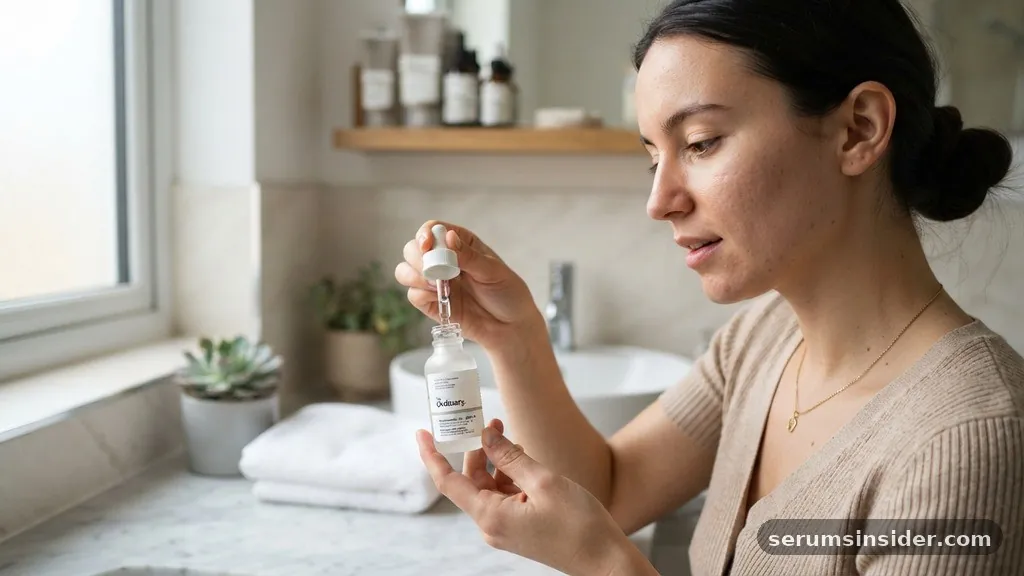
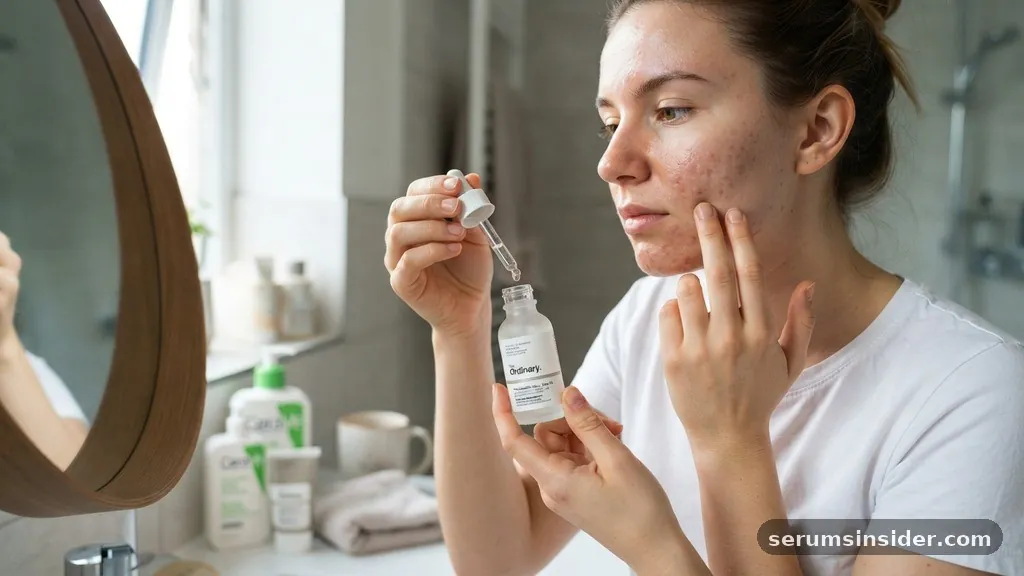
For many individuals, the most effective starting point when deciding which Ordinary serum is best for acne is the Niacinamide 10% + Zinc 1%. Niacinamide, also known as Vitamin B3, is a powerhouse ingredient that works by regulating sebum production.
Excess oil is a primary driver of acne, as it provides the perfect environment for bacteria to thrive within the pores. By normalizing oil output, this serum helps keep the skin feeling balanced throughout the day.
The addition of zinc PCA serves as an anti-inflammatory agent that supports the skin’s natural healing process. If your primary skin concern involves frequent breakouts accompanied by an oily T-zone, this serum is often the most reliable choice. It is lightweight, non-comedogenic, and fits easily into both morning and evening routines.
It is worth noting that while niacinamide excels at managing oil and refining the appearance of pores, it does not act as a potent keratolytic agent like some of its counterparts. For those who need to address deep-seated blockage, you may eventually look toward incorporating direct acids. However, for daily maintenance and long-term oil control, this remains a foundational product in many effective regimens.
Salicylic Acid: The Gold Standard for Congestion
When you ask which Ordinary serum is best for acne, specifically regarding blackheads and whiteheads, the conversation almost always turns to Salicylic Acid. As a beta-hydroxy acid (BHA), salicylic acid is oil-soluble, meaning it can penetrate deep into the pores to dissolve the “glue” that holds dead skin cells together. This process is essential for clearing out congestion before it has the chance to develop into a full-blown inflammatory pimple.
The Ordinary offers a 2% Salicylic Acid solution that acts as a targeted treatment. Because this acid is highly effective, it is often best used as a spot treatment or applied to specific areas prone to congestion rather than all over the face, especially if you have sensitive skin. Users should be aware that regular use of salicylic acid requires consistent sun protection.
According to the American Academy of Dermatology, protecting your skin from UV rays is essential to prevent hyperpigmentation, which can often occur after an acne lesion heals. By incorporating this acid into your weekly routine, you help maintain clear pathways in the skin, which significantly reduces the frequency of future breakouts.
The Power of Chemical Exfoliation with AHAs
If you are dealing with texture issues, post-acne marks, or dullness alongside your breakouts, chemical exfoliation becomes a necessary step. The Ordinary AHA 30% + BHA 2% Peeling Solution is perhaps the most famous product in their lineup for deep resurfacing. This combination of alpha-hydroxy acids and beta-hydroxy acids works on both the surface of the skin and inside the pore lining.
This product should be viewed as a weekly treatment rather than a daily serum. Because the concentration of acids is quite high, it provides visible results in terms of skin smoothness and brightness. However, it is not suitable for everyone, particularly those with highly reactive or compromised skin barriers.
If your acne is currently in a highly inflamed or “open” state, you should avoid using such strong exfoliants, as they can cause significant stinging and irritation. Instead, reserve this treatment for when the skin is stable and you want to address the residual evidence of past breakouts. Using this product once a week can significantly improve skin tone and prevent the buildup of debris that leads to future congestion.
Comparing Solutions: Choosing the Right Formula
Choosing the right product depends heavily on your specific skin type and the nature of your breakouts. While niacinamide is great for oil control, salicylic acid is better for unclogging pores. To help simplify the decision-making process, the table below highlights how these popular products differ in their primary function and application frequency.
| Product Name | Primary Benefit | Best Used For |
|---|---|---|
| Niacinamide 10% + Zinc 1% | Sebum regulation | Daily oil control and pore appearance |
| Salicylic Acid 2% Solution | Exfoliation | Targeting active blackheads and blemishes |
| AHA 30% + BHA 2% Peeling | Deep Resurfacing | Texture, dullness, and post-acne marks |
When evaluating which product to add to your regimen, always consider the “less is more” philosophy. It is tempting to layer multiple active ingredients at once, but doing so often leads to a damaged skin barrier, which can actually cause more acne rather than clearing it. Start with one product for at least three to four weeks to see how your skin responds before adding a second.
Addressing Topical Gaps: Scars and Dark Spots
A common point of confusion is how to handle the aftermath of a breakout. Once the acne clears, you are often left with dark spots, medically known as post-inflammatory hyperpigmentation. If you are wondering which Ordinary serum is best for acne scars and dark spots, you should look toward their Alpha Arbutin 2% + HA or the Azelaic Acid Suspension 10%.
Alpha Arbutin is a powerful brightening agent that targets the melanin production in the skin, helping to fade the appearance of dark spots over time. On the other hand, Azelaic Acid is a multi-functional ingredient that is incredibly gentle. It provides mild exfoliation, kills bacteria, and significantly reduces redness and inflammation.
It is often the “hidden gem” for those who have acne-prone skin that is also prone to redness or rosacea. By including an agent that targets pigment, you move beyond just “stopping” the acne and start actively repairing the surface of the skin for a more uniform, healthy complexion.
Building a Consistent Skincare Regimen
Consistency is the most important factor in the success of any skincare routine. Acne does not disappear overnight; it requires a steady, predictable environment to heal.
A basic routine should always start with a gentle, pH-balanced cleanser that does not strip the skin of its natural moisture. If your skin feels “squeaky clean” or tight after washing, your cleanser is likely too harsh, which forces your skin to produce even more oil to compensate.
- Morning: Gentle cleanser, followed by Niacinamide for oil control, a lightweight moisturizer, and SPF.
- Evening: Double cleanse to remove dirt and sunscreen, followed by a targeted treatment (Salicylic Acid or Azelaic Acid), and a hydrating barrier-repair cream.
- Weekly: One session of chemical exfoliation (like the AHA/BHA peel) to remove dead skin cells and refine texture.
Always remember that hydration is non-negotiable. Many people with acne mistakenly skip moisturizer because they fear it will clog their pores.
However, dehydrated skin often produces more sebum, which increases the likelihood of breakouts. Using a water-based, oil-free moisturizer with ingredients like hyaluronic acid ensures that your skin remains plump and protected while your active serums work to clear the congestion.
Frequently Asked Questions
Can I use niacinamide and salicylic acid together?
Yes, you can use them together, but it is often better to separate them to avoid irritation. You might use niacinamide in the morning to control oil throughout the day and apply salicylic acid as a spot treatment in the evening to target specific breakouts.
Is The Ordinary actually good for acne?
Yes, The Ordinary provides high-quality, clinical-strength ingredients that are highly effective for acne. Because they sell single-ingredient formulas, you can customize your regimen to target specific concerns like oil, congestion, or dark spots without paying for unnecessary fillers or complex, overpriced formulations.
Which Ordinary product should I use first?
If you are unsure where to start, begin with the Niacinamide 10% + Zinc 1%. It is gentle, versatile, and helps manage the underlying oil production that causes most acne. It is the most forgiving product and provides a great foundation before you introduce stronger acids into your routine.
Do I need to use a moisturizer if I have acne?
Absolutely. Skipping moisturizer can lead to dehydrated skin, which triggers an overproduction of oil, potentially causing more breakouts. Always opt for a lightweight, oil-free, or non-comedogenic moisturizer to keep your skin barrier healthy and hydrated while you treat your acne.
Ultimately, identifying which Ordinary serum is best for acne is a process of trial and error. By focusing on the scientific needs of your skin—whether that is sebum regulation, pore clearing, or pigment reduction—you can build a regimen that brings you closer to your goal of a clear, balanced complexion. Listen to your skin, prioritize barrier health, and remain patient as your routine begins to show results.