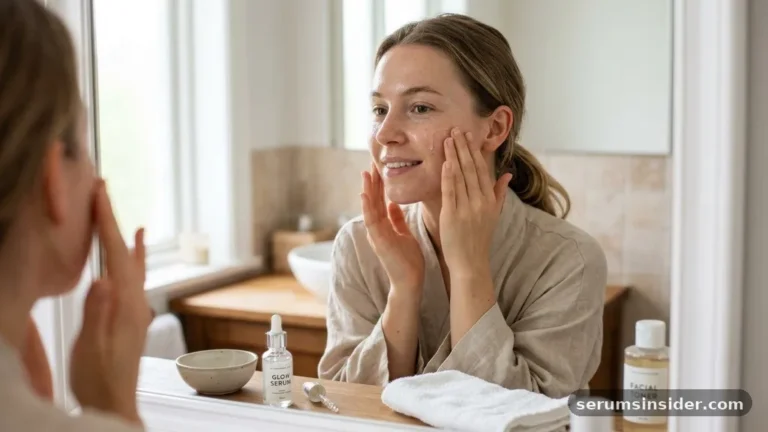
Incorporating a facial serum into your daily regimen is one of the most effective ways to elevate your skincare results. While many people rely solely on a standard moisturizer to keep their complexion hydrated, these specialized liquids offer a much more concentrated approach to addressing specific skin concerns.
By utilizing a formula with a smaller molecular structure, a face serum can penetrate deeper into the epidermis, delivering powerful ingredients exactly where they are needed most. Whether you are dealing with dullness, fine lines, or uneven texture, understanding the function of these potent elixirs is the first step toward achieving a healthier, more radiant look.
The Core Function of Facial Serums
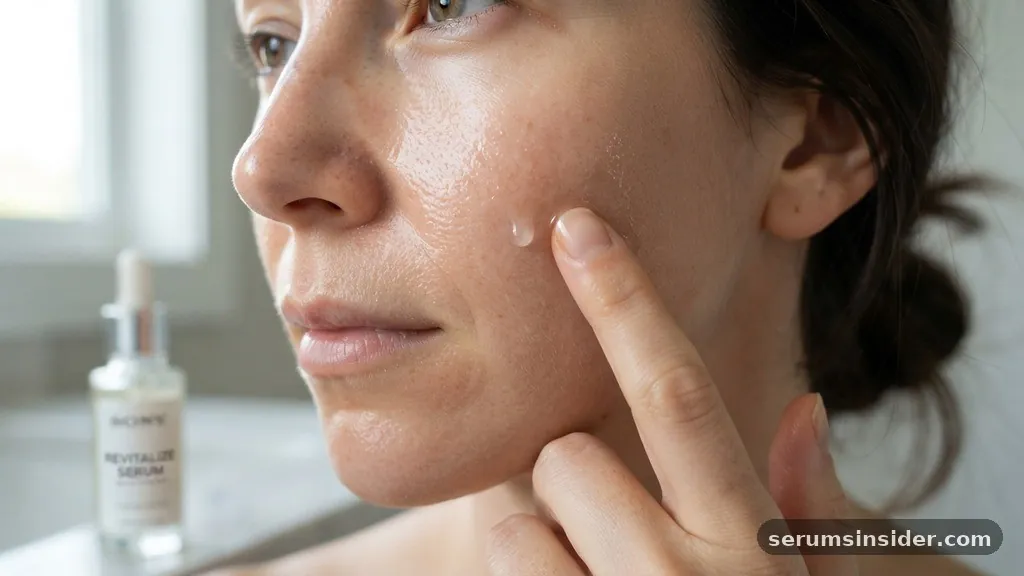
At its most basic level, a facial serum acts as a delivery vehicle for active compounds. Unlike heavy creams that are designed primarily to sit on the surface of the skin and create a protective barrier, facial serums are engineered to be lightweight and fast-absorbing. Their thin consistency allows them to bypass the top layers of the skin, where they can interact with the deeper cellular structures.
This is why you will often see them marketed as “treatments” rather than just hydrators. When you apply a serum, you are essentially feeding your skin a highly concentrated dose of vitamins, antioxidants, or acids that work to repair and protect the dermal matrix.
The efficacy of these products stems from their formulation. Because they lack the thickening agents, occlusives, and emulsifiers found in lotions, the percentage of active ingredients in a skin serum is typically much higher.
If you are struggling with dark spots, for instance, a serum infused with Vitamin C will provide a much more direct impact on melanin production than a moisturizer containing only a trace amount of the same ingredient. By integrating these into your routine, you are essentially customizing your approach to skin health, allowing you to pivot your strategy based on what your complexion needs on any given day or season.
Targeting Specific Skin Concerns
One of the primary benefits of using these products is their ability to target specific issues with clinical precision. Because they contain such high concentrations of actives, they function almost like a medicinal tool within your beauty arsenal. For those looking to combat the signs of aging, products containing retinol are considered the gold standard.
Retinol works to accelerate cellular turnover, which helps to smooth out fine lines and improve overall skin texture. When you use these powerful ingredients, you are effectively signaling your skin to behave in a more youthful, efficient manner.
Beyond anti-aging, serums are equally vital for hydration and brightness. Ingredients like hyaluronic acid are staples in the industry because they are humectants, meaning they draw moisture from the environment and bind it to the skin. This provides a plump, dewy look that a heavy cream simply cannot replicate on its own.
Furthermore, if you deal with hyperpigmentation or environmental damage, serums loaded with antioxidants act as a shield against free radicals, helping to brighten the complexion over time. You can learn more about how different active ingredients interact with your skin barrier by visiting the American Academy of Dermatology for professional guidance on dermatological care.
Comparing Serums and Moisturizers
Many individuals wonder if a serum can replace their moisturizer, but in reality, these two products serve distinct roles. A moisturizer is designed to lock in hydration and reinforce the skin’s lipid barrier, while a serum is designed to penetrate the skin to deliver active ingredients.
You might think of it as a two-step process: the serum treats the underlying problem, and the moisturizer seals the deal. If you skip the moisturizer, the water-based nature of many serums might lead to evaporation, leaving your skin feeling tight or dehydrated later in the day.
| Feature | Facial Serum | Moisturizer |
|---|---|---|
| Primary Goal | Targeted treatment | Hydration and protection |
| Texture | Thin, watery, or gel-like | Creamy, thick, or emollient |
| Absorption | Deep, rapid penetration | Surface-level barrier support |
| Active Concentration | Very high | Lower to moderate |
Understanding this distinction is vital for maintaining healthy skin. If your skin is prone to oiliness, you might find that a lightweight serum provides enough hydration on its own during the warmer months. However, for most people, the combination of both ensures that the skin remains balanced, supple, and protected against external stressors throughout the day.
Best Practices for Application
To maximize the benefits of your serum, the order of application is paramount. The general rule in the beauty industry is to apply products from the thinnest consistency to the thickest. This means you should cleanse your face, apply your toner (if you use one), and then move directly to your serum.
By applying the serum to clean, slightly damp skin, you facilitate better absorption. You should wait roughly 60 seconds after application to ensure the serum has fully settled before layering your moisturizer on top.
It is also important to consider the timing of your application. While some serums are versatile, others are designed for specific times of the day. A vitamin C serum is generally best used in the morning because it provides antioxidant defense against pollution and UV damage throughout the day.
Conversely, retinol or exfoliating acid serums are almost always recommended for night use. This is because these ingredients can increase your skin’s sensitivity to sunlight, making daytime application potentially irritating without rigorous sun protection. Following this rhythm ensures you get the most out of every drop while keeping your skin safe.
Addressing Potential Skin Sensitivities
While serums are highly effective, their potency can sometimes lead to reactions, especially if you have sensitive skin. Because these products are designed to penetrate deeply, they can also deliver irritants more efficiently if your skin barrier is compromised.
If you are starting a new product, it is always wise to perform a patch test on your inner forearm before applying it to your face. This simple step can prevent widespread redness or flaking.
Furthermore, it is common to experience a short adjustment period when introducing potent actives. For example, when you start using a high-strength retinol, your skin still might undergo a phase of purging or dryness. This does not necessarily mean the product is bad; it often indicates that your skin is accelerating its renewal process.
To mitigate these side effects, start by using the serum only two or three times a week, gradually increasing the frequency as your skin builds tolerance. By listening to your skin’s feedback, you can harness the power of these serums without compromising your comfort.
Common Myths and Topical Gaps
There is a prevalent misconception that serums are only for “mature” skin or that they are a luxury item that provides no real value. This is simply not the case. Even in your twenties, a simple hydrating serum can prevent premature dehydration and provide a glow that tired, stressed skin often lacks.
Another common gap in knowledge is the assumption that more is better. Because serums are concentrated, you only need a few drops—usually about the size of a pea—to cover your entire face and neck. Over-applying does not increase the efficacy and, in some cases, can lead to product pilling or irritation.
Another point often overlooked is the importance of storage. Because many serums contain unstable ingredients like Vitamin C, they can degrade when exposed to heat, light, or air. Storing your bottles in a cool, dark place, or even in a dedicated skincare fridge, can extend the shelf life and potency of your favorite products.
Finally, remember that consistency is the most important factor. Using a serum sporadically will not yield the long-term results you are looking for. Integrating it into a stable, daily routine is what truly drives the transformation of your skin’s health over time.
Frequently Asked Questions
Is it necessary to use a face serum every day?
Yes, for the best results, you should use your serum daily. Most active ingredients require consistent, repeated exposure to create noticeable changes in skin texture, tone, or hydration levels. Skipping days can disrupt the cumulative benefits that these potent formulas provide to your dermal health over time.
Can I use multiple serums at the same time?
Yes, you can “layer” serums, but you must be careful. Always apply the product with the thinnest consistency first. Avoid layering multiple harsh actives, like retinoids and strong exfoliating acids, at the same time to prevent irritation. It is usually best to alternate them between morning and night.
What are the potential disadvantages of using a serum?
The main disadvantage is the cost, as high-quality serums are often expensive. Additionally, because they are so potent, they can cause irritation, redness, or dryness if used incorrectly. It is crucial to introduce them slowly and choose formulations that align with your specific skin type and current needs.
Do I really need a moisturizer if I use a serum?
Most people do. While a serum provides targeted treatment, a moisturizer provides the occlusive barrier needed to lock that treatment in and prevent transepidermal water loss. Unless you have very oily skin and are using a highly hydrating serum, you should follow up with a moisturizer daily.
Conclusion
Understanding what a facial serum does is essentially about recognizing the difference between surface maintenance and deep-tissue treatment. These lightweight, concentrated formulas are the engines of a modern skincare regimen, offering the ability to target everything from dark spots to loss of elasticity with scientific precision. By choosing the right ingredients for your specific needs—whether it is hyaluronic acid for hydration or retinol for renewal—you are investing in the long-term health and vitality of your complexion.
While they require careful application and a consistent approach, the results they provide are unmatched by standard creams alone. As you continue to refine your habits, remember that the goal is to create a balanced, sustainable routine that supports your skin’s natural functions. When used correctly, these powerful products act as a bridge to a healthier, more vibrant look, proving that a little bit of science can go a long way in your daily beauty practice.