Navigating the nuances of a daily skincare routine can often feel like solving a complex puzzle, especially when determining the correct sequence for your products. The most common point of confusion for many enthusiasts is deciding what goes first moisturizer or serum. To get the best out of your skincare products, you must follow the golden rule of layering: always apply your products from the thinnest, most lightweight consistency to the thickest, most occlusive texture.
Because a face serum is typically formulated with a water-based or lightweight gel consistency designed to penetrate deeply, it should almost always be applied before your heavier moisturizer. Mastering this order ensures that your skin receives the full benefits of high-concentration active ingredients without being blocked by a heavy barrier.
Understanding the Molecular Weight of Skincare Products
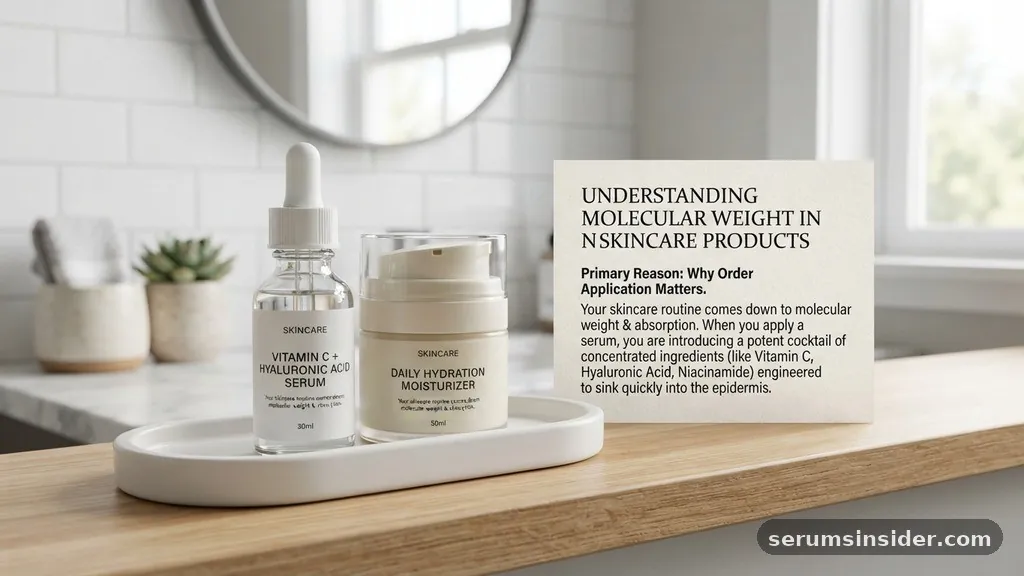
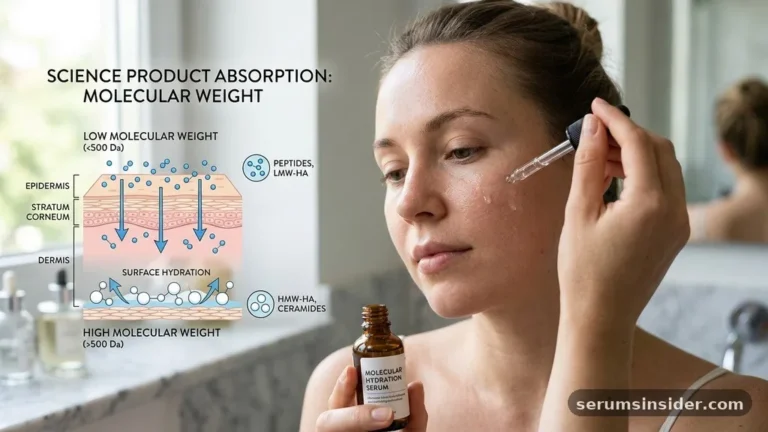
The primary reason why the order of application matters in your skincare routine comes down to molecular weight and absorption. When you apply a serum, you are introducing a potent cocktail of concentrated ingredients like vitamin C, hyaluronic acid, or niacinamide, which are engineered to sink quickly into the epidermis.
If you were to apply a rich cream or a heavy moisturizer first, you would essentially be creating an impenetrable seal on the surface of your skin. This occlusive layer acts as a physical barrier, preventing the smaller, more refined molecules of the serum from reaching their intended destination.
By prioritizing the serum, you allow these targeted active ingredients to work their magic at a cellular level. Think of your skin like a sponge: once it is saturated with a heavy, oily layer, it cannot absorb the water-based nutrients found in your face serum.
Establishing this sequence is the most effective way to ensure that your care products are actually doing the work they claim to do. Whether you are addressing hyperpigmentation, fine lines, or dehydration, placing the serum first provides a clear path for absorption, making your daily regimen significantly more efficient and results-oriented.
The Role of Moisturizers as an Occlusive Barrier
While the serum provides the heavy lifting in terms of treatment, the moisturizer serves a completely different, yet equally vital, function in your skin care regimen. Moisturizers are generally formulated to be thicker and richer, containing emollients and occlusives that trap hydration within the skin and protect the moisture barrier from environmental stressors.
When you use a moisturizer after your serum, you are effectively “locking in” the treatment. This final step is what prevents transepidermal water loss, keeping your complexion plump and hydrated throughout the day or night.
If you are curious about the science behind how these products interact with the skin’s surface, you can review the American Academy of Dermatology Association skin care basics to understand the physiological needs of the skin barrier. Using a moisturizer as the final layer in your routine creates a protective seal that shields the skin from pollution, wind, and dry air.
Without this final layer, even the most effective serum might evaporate too quickly, leaving your skin feeling tight or dehydrated by midday. By respecting the order of application, you allow the serum to treat and the moisturizer to protect, creating a synergistic effect that maximizes the overall health of your complexion.
Comparing Serum and Moisturizer Functions
To better visualize the differences between these two essential components, it is helpful to look at how their chemical compositions and primary objectives differ. While both are critical for a healthy glow, they serve distinct purposes.
| Feature | Face Serum | Moisturizer |
|---|---|---|
| Primary Goal | Targeting specific skin concerns | Hydration and barrier protection |
| Consistency | Lightweight, liquid, or gel | Cream, lotion, or ointment |
| Absorption Rate | Fast absorption | Slower, remains on the surface |
| Typical Ingredients | High-potency actives (e.g., Retinol, Peptides) | Ceramides, fatty acids, plant oils |
Understanding this breakdown helps clarify what goes first moisturizer or serum. The serum is designed to penetrate, while the moisturizer is designed to sit on top.
If you try to reverse this, you are fighting against the physical properties of the formulas themselves. A serum simply cannot penetrate a layer of thick, lipid-rich cream, rendering your expensive treatment products ineffective.
Common Mistakes When Layering Skincare Products
Many people inadvertently sabotage their own results by applying products in the wrong order or rushing the process. One of the most common errors is failing to let the serum dry or absorb completely before applying the next layer.
If you use a moisturizer immediately after a serum while the skin is still soaking wet, you may experience “pilling,” where the products clump together and roll off the skin. This not only feels unpleasant but also prevents the product from being distributed evenly across the face.
Another mistake is ignoring the need for a regular application schedule. Consistency is key in any skincare routine. Applying your serum and moisturizer sporadically will not yield the long-term benefits you are looking for.
Furthermore, some users make the mistake of using too many active products at once, which can lead to irritation. When you incorporate a powerful face serum, ensure that your moisturizer is gentle and soothing to balance the potential intensity of the actives. If you feel any stinging or redness, it might be a sign that you are layering too many incompatible ingredients, such as mixing high-strength acids with retinol without proper recovery time.
When to Incorporate Face Oil into the Routine
The confusion regarding what goes first moisturizer or serum often expands when face oil is introduced into the mix. Oils are unique because they are lipophilic, meaning they are oil-loving.
They have a larger molecular structure than serums and even some moisturizers, which means they should almost always be the final step in your routine. Even if you have a lightweight facial oil, it will act as an occlusive, meaning it will seal in everything underneath it.
If you are using a serum, a moisturizer, and a face oil, the correct order is:
- Cleanse your skin to remove impurities and prepare the surface.
- Apply your face serum to target specific concerns like aging or dark spots.
- Apply your moisturizer to hydrate and reinforce the skin barrier.
- Finish with a few drops of face oil to lock in all the moisture and provide an extra layer of protection.
This layering technique ensures that each product can function according to its intended purpose without interfering with the others. By following this structure, you allow your skin to receive the maximum benefit from every product in your collection.
Addressing Topical Gaps: Can You Mix Them?
A frequently asked question is whether you can mix your serum and moisturizer together in your palm before applying them to your face to save time. While this might seem convenient, it is generally discouraged by dermatologists. When you mix products together, you may alter their pH balance, which can affect the stability and efficacy of the active ingredients.
Furthermore, you lose the benefit of the serum penetrating first. By applying them separately, you allow the serum to do its specific job, and then you follow up with the moisturizer to provide the necessary hydration and protection.
Another gap in knowledge involves the morning versus evening routine. While the general order remains the same, your choice of products may change. In the morning, you might prefer a lightweight serum with vitamin C to brighten and protect against free radicals, followed by a moisturizer with SPF.
In the evening, you might opt for a retinol-based serum to encourage cell turnover, followed by a richer, more nourishing cream to support skin repair while you sleep. Regardless of the time of day, the fundamental rule remains: always prioritize the lightest, most active products first, followed by the heavier, more protective ones. This approach is the most reliable way to achieve the look of healthy, radiant skin.
Frequently Asked Questions
Do I have to wait for my serum to dry before applying moisturizer?
Yes, it is highly recommended to wait about 30 to 60 seconds after applying your serum. This allows the product to absorb into the skin, preventing pilling and ensuring that the active ingredients have been fully integrated before you apply your heavier moisturizer on top.
Can I skip the moisturizer if my serum feels hydrating?
Generally, no. Even if your serum contains hydrating ingredients like hyaluronic acid, it is designed to treat, not to seal. A moisturizer is necessary to prevent evaporation and to provide the lipids your skin needs to maintain a healthy barrier throughout the day or night.
Does the order change if I am using a face oil?
Yes, the face oil should almost always be the final step. Because oils are occlusive, they create a barrier that prevents other products from penetrating. Applying them after your serum and moisturizer ensures you lock in all the hydration and active benefits provided by the previous layers.
What happens if I apply moisturizer before serum?
Applying moisturizer first creates a physical barrier that prevents the serum from penetrating the skin. Since serums are formulated with smaller molecules meant to reach deeper layers, a heavy cream will block them, rendering the treatment ineffective and wasting your skincare products.
Conclusion
Mastering the sequence of your skincare regimen is the most effective way to ensure your products perform at their peak. By remembering that serums belong first due to their lightweight, high-potency nature, and that moisturizers follow to lock in hydration and protect the skin barrier, you can optimize your results. Whether you are building a simple two-step routine or a more complex regimen, keeping the consistency rule in mind—from thinnest to thickest—will help you achieve a healthier, more vibrant complexion. Consistency, patience, and the correct order are the true secrets to effective skincare.